Runners Knee Stretches: A Complete Medical Overview
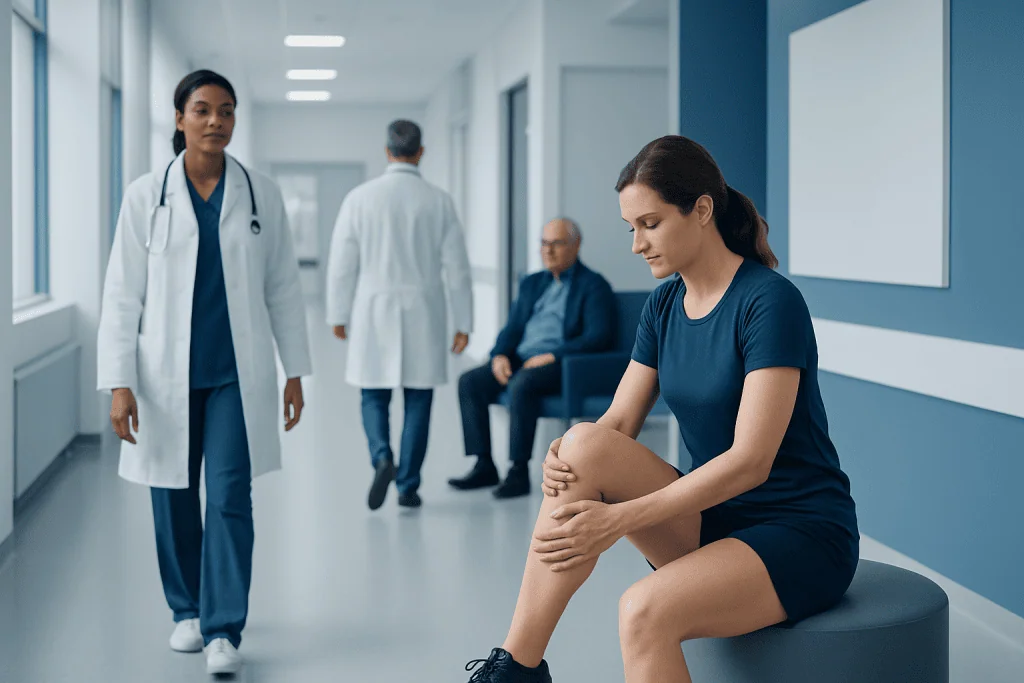
Runners knee usually describes pain around or behind the kneecap, often related to patellofemoral pain syndrome. Stretching may improve comfort and movement but is not usually enough on its own to resolve runners knee.
Key Takeaways
- Runners knee usually describes pain around or behind the kneecap, often related to patellofemoral pain syndrome.
- Stretching may improve comfort and movement but is not usually enough on its own to resolve runners knee.
- Hip, thigh, calf, and hamstring mobility can be useful targets when they feel restricted.
- Strengthening the hip and knee muscles and adjusting running load are central parts of recovery.
- A person should seek medical assessment for swelling, locking, instability, inability to bear weight, or persistent pain.
Runners knee stretches may help ease tightness around the hip, thigh, and calf that can contribute to discomfort at the front of the knee. They work best as one part of a recovery plan that also includes load management, strength training, and assessment of persistent symptoms.
Overview: Can Runners Knee Stretches Help?
Runners knee stretches can help reduce feelings of tightness and support comfortable movement, particularly when the hips, thighs, hamstrings, or calves are restricted. However, stretching alone does not usually treat runners knee. A more effective approach combines suitable mobility work with gradual strengthening, temporary changes to running load, and attention to symptoms during activity.
“Runners knee” is a common, non-specific term for pain felt at the front of the knee or around the kneecap. It often refers to patellofemoral pain syndrome, in which the kneecap and the groove in the thigh bone may become painful during repeated bending and loading. Symptoms can occur with running, squatting, climbing or descending stairs, lunging, or sitting with bent knees for a long time.
The goal of a stretching routine is not to force the knee into a position or to “realign” the kneecap. Instead, it is to maintain comfortable movement in nearby muscles and joints while the person rebuilds tolerance to running and other activities. Exercises should feel like a gentle pull in the muscle, not sharp knee pain.
Understanding Runners Knee and Its Symptoms
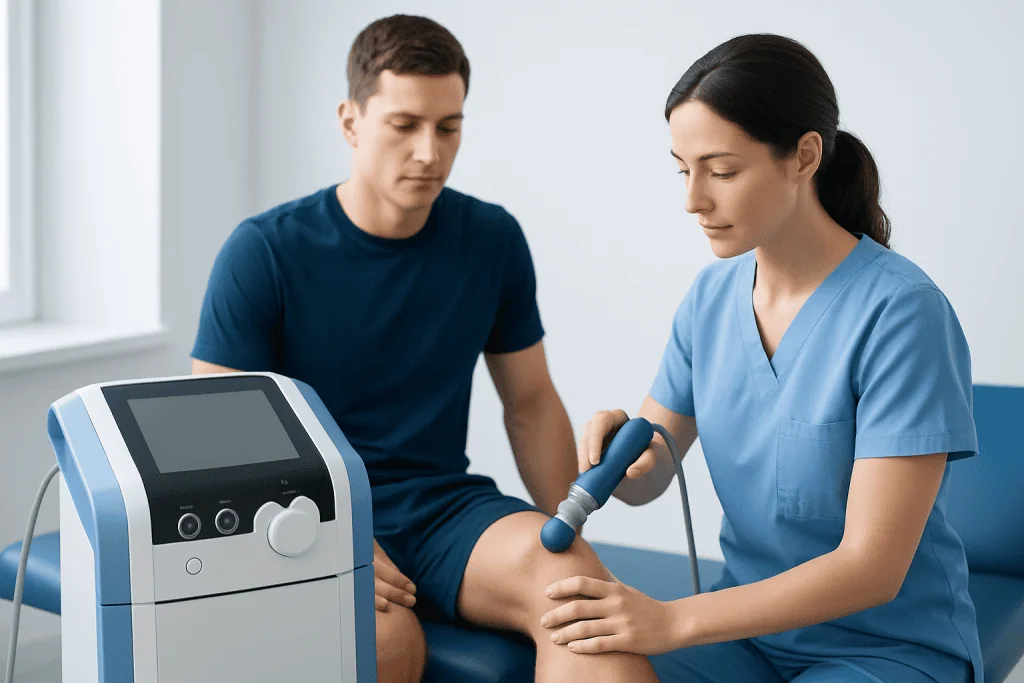
Patellofemoral pain can develop when the knee is exposed to more load than it can currently tolerate. This does not necessarily mean that anything is torn or permanently damaged. The knee joint is adaptable, but sudden increases in running distance, intensity, hills, speed work, or training frequency can outpace that adaptation.
People commonly describe a dull ache behind, beneath, or around the kneecap. The pain may build gradually during a run or be more noticeable afterward. Some people notice clicking, popping, or a grinding sensation when bending the knee. These sounds are common and are not necessarily harmful when they occur without pain, swelling, or loss of function.
Runners knee is different from every cause of knee pain. Pain precisely along the joint line, sudden pain after a twist, marked swelling, warmth, or a knee that catches or gives way may point to another problem. A qualified clinician can help distinguish patellofemoral pain from tendon conditions, meniscal injury, arthritis, stress injury, or other causes.
Why Tight Muscles and Training Load Matter
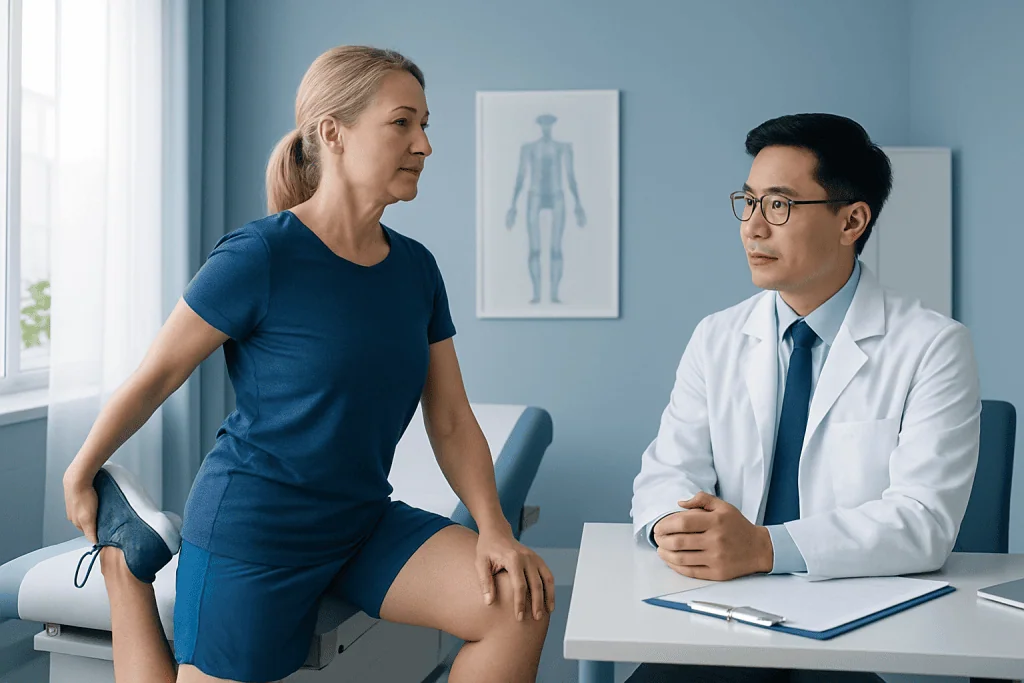
No single muscle tightness causes runners knee. Still, limited movement or discomfort in the quadriceps, hip flexors, hamstrings, calves, and muscles at the side of the hip can affect how comfortably a person moves during running, stairs, and squatting. Stretching these areas may be worthwhile when a person notices genuine tightness or reduced flexibility.
Muscle strength and coordination are also important. The quadriceps help control knee bending, while the gluteal and hip muscles help guide the leg as the foot contacts the ground. If these muscles fatigue easily, the knee may become more sensitive during longer runs or repeated downhill movement. This is why rehabilitation commonly includes strengthening as well as stretches.
Training errors are frequent contributors. A rapid rise in mileage, a return to running after time away, repeated hill sessions, inadequate recovery, or changing shoes and surfaces suddenly can all increase knee load. Sleep, general stress, nutrition, previous injury, and overall conditioning may also influence recovery. It is usually more helpful to identify several manageable factors than to search for one single cause.
Runners Knee Stretches: A Practical Mobility Routine
Stretches are generally most comfortable after a brief walk, easy cycling, or other gentle warm-up. Each stretch can be held at a mild-to-moderate intensity while breathing normally. A person may repeat it on both sides and stop if it causes sharp, pinching, or increasing pain in the knee. It is not necessary to stretch through discomfort in order to make progress.
- Standing quadriceps stretch: Holding a wall or chair for balance, bend one knee and bring the heel toward the buttock. Hold the ankle or trouser leg if comfortable, keeping the knees relatively close together. A slight pelvic tuck can increase the stretch at the front of the thigh.
- Half-kneeling hip-flexor stretch: With one knee on a cushion and the other foot forward, gently shift the hips forward while keeping the torso upright. The stretch should be felt at the front of the hip on the kneeling side, rather than as pressure in the lower back.
- Hamstring stretch: Place one heel on a low step or extend one leg in front while seated. Hinge forward from the hips with a long back until a light stretch is felt at the back of the thigh.
- Wall calf stretch: Place the hands on a wall, step one leg back, and keep the back heel down. Keeping the back knee straight emphasizes the larger calf muscle; slightly bending it can target the deeper calf muscle.
- Figure-four glute stretch: Lying on the back, cross one ankle over the opposite thigh and gently draw the supporting leg toward the chest. This may stretch the buttock and outer hip area.
A simple starting pattern is to hold each comfortable stretch for about 20 to 30 seconds and repeat it two or three times. Mobility work can be done most days if it feels beneficial. Aggressive stretching of a painful knee, deep squatting to obtain a stretch, or rolling directly over the kneecap should be avoided.
Stretching Works Best With Strength and Load Management
For many people, the most useful next step is progressive strengthening. Exercises such as sit-to-stands, shallow squats within a comfortable range, step-ups, bridges, side-lying hip exercises, and controlled calf raises can build capacity in the quadriceps, hips, and calves. The right exercise selection, range, and resistance depend on the person’s symptoms and fitness level.
During recovery, reducing rather than completely stopping aggravating activity is often appropriate. A runner may temporarily shorten runs, choose flatter routes, reduce speed sessions, add walk-run intervals, or substitute lower-impact activity such as cycling or swimming if comfortable. Complete rest for a prolonged period can reduce conditioning, so a gradual, individualized plan is generally preferable when serious injury has been excluded.
A useful guide is symptom response. Mild discomfort that settles soon after activity and does not worsen the following day may be acceptable for some people. Pain that becomes sharp, changes running form, steadily increases, or remains significantly worse the next day suggests the activity was too demanding. A physiotherapist or sports medicine clinician can provide a structured return-to-running plan.
Footwear, running form, and orthotic devices may be considered in selected cases, but they are not universal solutions. Replacing shoes simply because knee pain occurs is rarely sufficient without addressing training load and muscle capacity.
Self-Care and Prevention for Future Runs
Prevention focuses on giving the knee enough time to adapt. Changes in distance, speed, hills, or frequency should be introduced gradually, particularly after illness, travel, an injury, or a break from training. Scheduling easier days between harder runs and including regular strength work can support recovery and performance.
Before running, a dynamic warm-up may be more useful than long static stretching. Gentle leg swings, walking lunges within a comfortable range, brisk walking, or easy jogging can prepare the muscles for activity. Static stretches are often better placed after exercise or at another time of day, although individual preference matters.
Cold packs may provide short-term comfort after activity for some people, provided they are wrapped in cloth and used briefly to protect the skin. Over-the-counter pain medicines may be suitable for certain adults, but they are not appropriate for everyone and should not be used to push through worsening pain. A pharmacist or doctor can advise based on medical history and other medicines.
Keeping a short training and symptom record can be helpful. It may reveal whether pain is linked to hills, faster pace, longer runs, poor recovery, or another change. This information also helps a clinician make recommendations that fit the person’s goals.
When to Seek Medical Care
A person should arrange medical assessment if knee pain does not improve after a period of sensible activity modification and guided self-care, if it repeatedly returns when running resumes, or if it limits everyday tasks such as walking, stairs, work, or sleep. Early assessment can clarify the diagnosis and help prevent an unnecessarily long interruption from activity.
More urgent evaluation is appropriate after a significant fall, collision, or twisting injury, especially if there is rapid swelling, severe pain, deformity, inability to bear weight, a locked knee, or a feeling that the knee is unstable. Fever, redness, marked warmth, or unexplained swelling should also be assessed promptly, as these features are not typical of uncomplicated runners knee.
A clinician may diagnose patellofemoral pain from the history and physical examination. Imaging is not always needed, but an X-ray, ultrasound, or MRI may be considered when symptoms suggest another condition or when recovery is not progressing as expected. Acibadem International’s multidisciplinary specialists and JCI-accredited hospitals can assess knee pain and support treatment planning for international patients.
Frequently asked questions
What are the best stretches for runners knee?
Useful runners knee stretches often target the quadriceps, hip flexors, hamstrings, calves, and gluteal muscles. The best choices depend on which areas feel restricted and whether the stretch can be performed without increasing knee pain. Stretching should be paired with strengthening and gradual activity progression for more complete recovery.
Should a person stretch runners knee before or after running?
A brief dynamic warm-up before running may help prepare the body for movement. Longer static stretches are often more comfortable after a run or separately from training. If stretching before running makes the knee feel worse or reduces performance, it can be moved to another time of day.
Can stretching make runners knee worse?
It can if a person stretches aggressively, forces the knee into a painful range, or continues despite sharp pain. A gentle muscle-pulling sensation is usually acceptable, but pain around or behind the kneecap is a sign to reduce the intensity or stop. Persistent worsening should be discussed with a healthcare professional.
How long does runners knee take to improve?
Recovery time varies according to symptom severity, training demands, muscle capacity, and how consistently a person follows a suitable rehabilitation plan. Some people improve within weeks, while others need a longer, gradual return to activity. Progress is often better measured by improved tolerance for daily activities and running rather than by a fixed timeline.
Is it safe to run with runners knee?
Some people can continue modified running when symptoms are mild, do not alter their gait, and settle quickly afterward. Reducing distance, pace, hills, or frequency may be needed. A person should stop and seek advice if pain is sharp, worsening, causes limping, or is accompanied by swelling, instability, or locking.
Do foam rollers help runners knee?
Foam rolling may temporarily improve comfort or the feeling of muscle tightness in the thigh, calf, or buttock. It does not directly correct kneecap pain and should not be used aggressively over the kneecap itself. It is best viewed as an optional comfort measure alongside strength training and appropriate load management.
References
- American Academy of Orthopaedic Surgeons
- American Physical Therapy Association
- National Institute of Arthritis and Musculoskeletal and Skin Diseases
- Mayo Clinic
- National Health Service
This article is for general information only and is not a substitute for professional medical advice. Please consult a qualified doctor about your individual situation.
Joint and spine care in Turkey — expert assessment & treatment
JCI-accredited · board-certified surgeons · reply within 24h
Add us as a Preferred Source to see more of our trusted health content across Google Search, AI Overviews and Discover.