Abnormal Pupils: Causes, Testing, and When to See a Neuro-Ophthalmologist
Abnormal pupils include pupils that are unequal, unusually large or small, irregular in shape, or slow to react to light. A small difference in pupil size can be normal, but sudden changes need medical attention.
Key Takeaways
- Abnormal pupils include pupils that are unequal, unusually large or small, irregular in shape, or slow to react to light.
- A small difference in pupil size can be normal, but sudden changes need medical attention.
- Pupil testing helps doctors assess both eye health and parts of the nervous system.
- Urgent evaluation is important if abnormal pupils occur with eye pain, double vision, drooping eyelid, severe headache, or weakness.
- Treatment depends on the cause and may involve observation, medication changes, eye care, or neurologic treatment.
Abnormal pupils may look different in size, shape, or reaction to light. Sometimes this is harmless, but it can also signal an eye condition, medication effect, or problem involving the brain, nerves, or autonomic nervous system.
Overview
The pupils are the dark openings in the center of the eyes. They change size to control how much light enters the eye, becoming smaller in bright light and larger in dim light. This response is automatic and depends on healthy communication between the eye, the brain, and the nerves that control the iris muscles.
The term abnormal pupils can describe several findings. The pupils may be different sizes, which is called anisocoria. One or both pupils may be unusually large or small, may react poorly to light, or may have an irregular shape. A doctor also pays attention to whether the pupils react equally and whether they constrict normally when focusing on a near object.
Not every unusual pupil is dangerous. Some people naturally have a slight size difference between their pupils and never notice it until an examination. In other cases, however, abnormal pupils can be a clue to eye inflammation, glaucoma, nerve injury, medication effects, or conditions involving the brain and brainstem. Because the causes range from harmless to urgent, a careful medical assessment is important.
Symptoms and Signs That May Be Noticed
Many people first notice abnormal pupils when looking in a mirror or seeing a photograph. A pupil may appear larger than the other, stay too wide in bright light, or remain too small in dim settings. Some pupils look irregular rather than round. Others react slowly or not at all when light is shined into the eyes.
Abnormal pupils may occur on their own or with other symptoms. Associated symptoms often help doctors narrow down the cause. For example, eye redness and pain may point toward an eye problem, while a drooping eyelid or double vision may suggest involvement of the cranial nerves.
- Unequal pupil size
- Blurred vision or trouble focusing
- Sensitivity to light
- Eye pain or redness
- Drooping eyelid
- Double vision
- Headache, especially if sudden or severe
- Dizziness, weakness, or confusion
Because the pupils are linked to the nervous system, changes can sometimes occur with broader neurologic symptoms. If abnormal pupils appear suddenly with severe headache, fainting, new weakness, speech trouble, or confusion, urgent medical evaluation is needed.
Common Causes and Risk Factors

One of the most common explanations for unequal pupils is physiologic anisocoria, a normal variation in which there is a small, stable difference between the pupils. This difference is usually mild and does not cause pain or vision changes. It often becomes more noticeable in certain lighting but is otherwise harmless.
Medication and chemical exposure are also frequent causes. Eye drops used to dilate or constrict the pupil, certain motion sickness patches, some inhaled or nebulized medicines, and accidental contact with plant substances or chemicals can affect one or both pupils. In these situations, the pupil change may occur without serious nerve disease, but a doctor still needs to confirm the cause.
Eye conditions can change the appearance or function of the pupils. Inflammation inside the eye, trauma, previous eye surgery, and pressure-related problems such as glaucoma may interfere with normal pupil movement. A very painful red eye with a fixed, mid-sized pupil needs prompt attention because it can signal an urgent eye emergency.
Abnormal pupils may also result from nerve or brain conditions. These include Horner syndrome, third nerve palsy, Adie tonic pupil, migraine-related changes, head or neck injury, and less commonly stroke, aneurysm, or tumors. Risk factors depend on the underlying cause and may include recent trauma, new medications, diabetes, vascular disease, prior eye disease, or infections affecting the nervous system.
How Doctors Test Abnormal Pupils
Evaluation begins with a detailed history. The doctor asks when the pupil change started, whether it was sudden or gradual, and whether there are symptoms such as pain, vision loss, headache, double vision, trauma, or medication use. Old photographs can be surprisingly helpful because they may show whether the pupils have differed for years.
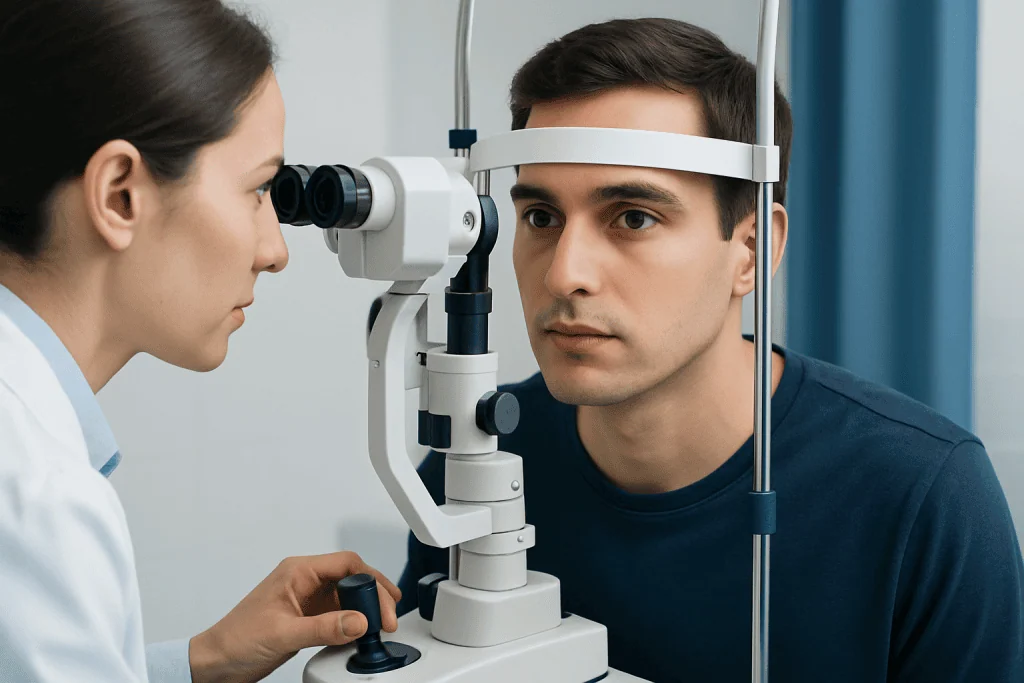
The examination focuses on the pupils in both bright and dim light. The doctor compares their size, shape, and speed of reaction to light, and checks the near response when the patient shifts focus from far to near. Eye movements, eyelid position, visual acuity, visual fields, eye pressure, and the front and back parts of the eye are also assessed.
Sometimes additional tests are needed to identify the cause. Depending on the findings, a doctor may order blood tests, pharmacologic pupil testing, or imaging of the brain, eye sockets, head, or neck. This may include MRI scanning or CT imaging when a structural or urgent neurologic cause is suspected.
A neuro-ophthalmologist is especially helpful when pupil changes may involve the connection between the eyes and nervous system. This specialist evaluates complex problems such as cranial nerve palsies, Horner syndrome, optic nerve disease, and visual symptoms related to brain conditions. In some cases, a person may also need care from neurology, emergency medicine, or an ophthalmologist with expertise in anterior segment or glaucoma disorders.
Possible Diagnoses a Neuro-Ophthalmologist May Consider
Doctors do not diagnose abnormal pupils from size difference alone. They look for patterns. A large pupil that reacts poorly to light may suggest a dilated pupil from medication, trauma, Adie tonic pupil, or in more urgent situations, third nerve palsy. A smaller-than-normal pupil with a drooping eyelid may suggest Horner syndrome, which can arise from problems anywhere along the sympathetic nerve pathway.
Third nerve palsy is important to recognize because it can affect eye movements, eyelid elevation, and pupil function. If a person has a new drooping eyelid, double vision, and a dilated pupil, urgent imaging is often needed to look for a compressive cause. Horner syndrome may also prompt imaging of the head, neck, or chest depending on the suspected level of nerve involvement.
Adie tonic pupil is usually a benign condition in which one pupil is larger and reacts slowly, especially to light. It is often noticed in younger adults and may cause trouble focusing up close. By contrast, an irregular pupil after eye surgery or trauma often reflects structural change in the iris rather than a neurologic disorder.
In some patients, abnormal pupils occur alongside optic nerve or visual pathway problems. A specialist may therefore evaluate for conditions such as optic neuritis or other causes of visual loss if the light responses are abnormal in a specific pattern. The final diagnosis depends on the full examination rather than the pupil finding in isolation.
Treatment Options
Treatment for abnormal pupils depends entirely on the cause. If the difference is due to physiologic anisocoria and no disease is found, treatment may not be needed. Reassurance and follow-up are often enough. When medications or chemical exposure are responsible, the approach may involve stopping or adjusting the trigger under medical guidance.
Eye-related causes are treated according to the underlying problem. Inflammation may require prescription drops, while pressure-related emergencies need rapid treatment to protect vision. Traumatic or post-surgical pupil changes may improve over time, though some remain permanent. When needed, treatment can involve general ophthalmic care or targeted glaucoma treatment for pressure-related disease.
Neurologic causes are managed according to the diagnosis. A third nerve palsy, Horner syndrome, or possible stroke may need urgent imaging and specialist care. If a structural cause is found, treatment may involve medical therapy, vascular management, or surgery. Patients with vision changes from nerve or brain conditions may be referred for coordinated neurology evaluation and follow-up.
For some people, the main issue is symptom relief. Tinted lenses may help with light sensitivity, and reading support may help if focusing is difficult. The most important step is not to self-treat a new pupil change, because the safest plan depends on identifying the reason behind it.
Prevention, Self-Care, and Monitoring
Not all causes of abnormal pupils can be prevented, but a few practical steps can lower risk. Eye protection during sports, home repairs, and certain jobs helps reduce trauma-related pupil problems. Medicines should be used exactly as prescribed, and people should avoid placing someone else’s eye drops in their eyes.
It also helps to keep a record of symptoms. If a pupil difference appears, noting the time it began, taking a clear photo in normal lighting, and listing any recent medications, patches, inhalers, or eye drops can make the medical assessment more accurate. People with known migraines or previous eye surgery should mention this during the visit.
Those living with a stable, harmless pupil difference should still attend routine eye examinations. Follow-up matters because a long-standing normal variation can coexist with a new eye or nerve problem. If the appearance changes, if symptoms develop, or if vision worsens, reevaluation is needed.
Near the end of the care pathway, some patients benefit from multidisciplinary assessment. Acibadem International’s neuro-ophthalmology, neurology, and ophthalmology specialists in JCI-accredited hospitals evaluate and treat complex pupil disorders for international patients when coordinated specialist care is needed.
When to See a Doctor
A doctor should assess any new or unexplained pupil change, especially if it is sudden. Even when the cause turns out to be minor, a professional examination is the best way to separate a harmless variation from a condition that needs treatment. This is particularly important if one pupil is newly large, newly small, or poorly reactive.
Urgent or emergency care is recommended when abnormal pupils occur with any warning signs. These include severe headache, eye pain, red eye, sudden vision loss, double vision, a drooping eyelid, weakness, numbness, trouble speaking, confusion, or recent head or neck injury. These combinations can point to serious eye or neurologic conditions that should not wait.
People who wear contact lenses, have glaucoma, have had recent eye surgery, or use prescription eye medicines should seek prompt review if their pupils look abnormal. Parents should also have infants or children evaluated if a pupil appears persistently different, irregular, or associated with unusual eye movements or light sensitivity.
In general, a neuro-ophthalmologist is the right specialist when the pupil change may relate to nerves, the brain, eye movement problems, or unexplained visual symptoms. Early assessment supports timely treatment, peace of mind, and protection of both vision and overall neurologic health.
Frequently asked questions
Are unequal pupils always serious?
No. A small, stable difference in pupil size can be a normal finding called physiologic anisocoria. However, a new or sudden difference should be checked by a doctor, especially if it comes with pain, drooping eyelid, double vision, or headache.
What is anisocoria?
Anisocoria means the pupils are different sizes. It describes a sign rather than a diagnosis, so doctors look at the lighting conditions, pupil reactions, and any other symptoms to find the cause.
Can medications cause abnormal pupils?
Yes. Some eye drops, motion sickness patches, inhaled medications, and accidental chemical or plant exposure can make one or both pupils larger or smaller. Because medication effects can mimic nerve problems, it is important to tell the doctor about everything used recently.
When should abnormal pupils be treated as an emergency?
Emergency evaluation is important if a pupil change is sudden or happens with severe headache, eye pain, red eye, new double vision, a drooping eyelid, weakness, speech trouble, confusion, or recent trauma. These features may signal a serious eye or neurologic condition.
What tests might be done for abnormal pupils?
The doctor usually checks pupil size and reaction in bright and dim light, eye movements, eyelids, vision, and the health of the eye itself. Some people also need imaging such as MRI or CT, special pupil testing, or blood tests depending on the suspected cause.
Do abnormal pupils affect vision?
Sometimes. Some people have light sensitivity, blurred vision, or trouble focusing up close, while others notice no visual change at all. Whether vision is affected depends on the underlying cause and whether the eye or optic nerve is involved.
References
- American Academy of Ophthalmology
- National Eye Institute
- American Association for Pediatric Ophthalmology and Strabismus
- National Institute of Neurological Disorders and Stroke
- Merck Manual Professional Edition
This article is for general information only and is not a substitute for professional medical advice. Please consult a qualified doctor about your individual situation.
Explore treatments in Turkey — costs, top hospitals & a free quote
JCI-accredited · board-certified surgeons · reply within 24h
Add us as a Preferred Source to see more of our trusted health content across Google Search, AI Overviews and Discover.