Abscess in Breast: A Complete Medical Overview

A breast abscess is an infected pocket of pus that commonly develops during breastfeeding but can also occur in people who are not lactating. Pain, a tender lump, skin redness, warmth, fever, or drainage from the nipple or skin should be assessed by a healthcare professional.
Key Takeaways
- A breast abscess is an infected pocket of pus that commonly develops during breastfeeding but can also occur in people who are not lactating.
- Pain, a tender lump, skin redness, warmth, fever, or drainage from the nipple or skin should be assessed by a healthcare professional.
- Ultrasound can help confirm an abscess and guide treatment by showing whether fluid is present.
- Treatment often includes drainage and antibiotics chosen according to the likely bacteria and, when needed, culture results.
- Continuing to remove breast milk is often encouraged during lactational infection, but individual guidance from the care team is important.
An abscess in breast is a localized collection of pus within breast tissue, usually caused by a bacterial infection. It can cause a painful lump, redness, warmth, swelling, and fever, and typically requires medical evaluation because antibiotics alone may not fully resolve a formed abscess.
Overview: What Is an Abscess in Breast?
An abscess in breast is a contained pocket of pus that forms when an infection causes inflammation and tissue breakdown. The body attempts to contain the infection, producing a painful fluid-filled area rather than simple swelling alone. A breast abscess can develop beneath the skin, around the nipple and areola, or deeper within the breast tissue.
It is most often a complication of mastitis, an inflammatory breast condition that may occur during breastfeeding. However, breast abscesses can also affect people who are not breastfeeding, including men in uncommon cases. Non-lactational abscesses may occur around the nipple or in association with blocked ducts, smoking, diabetes, skin conditions, or infections involving nearby glands.
Although a breast abscess can be uncomfortable and worrying, it is usually treatable. Early assessment matters because an established collection of pus often needs to be drained, in addition to treating the infection. A new breast lump should always be examined rather than assumed to be an abscess.
Signs and Symptoms
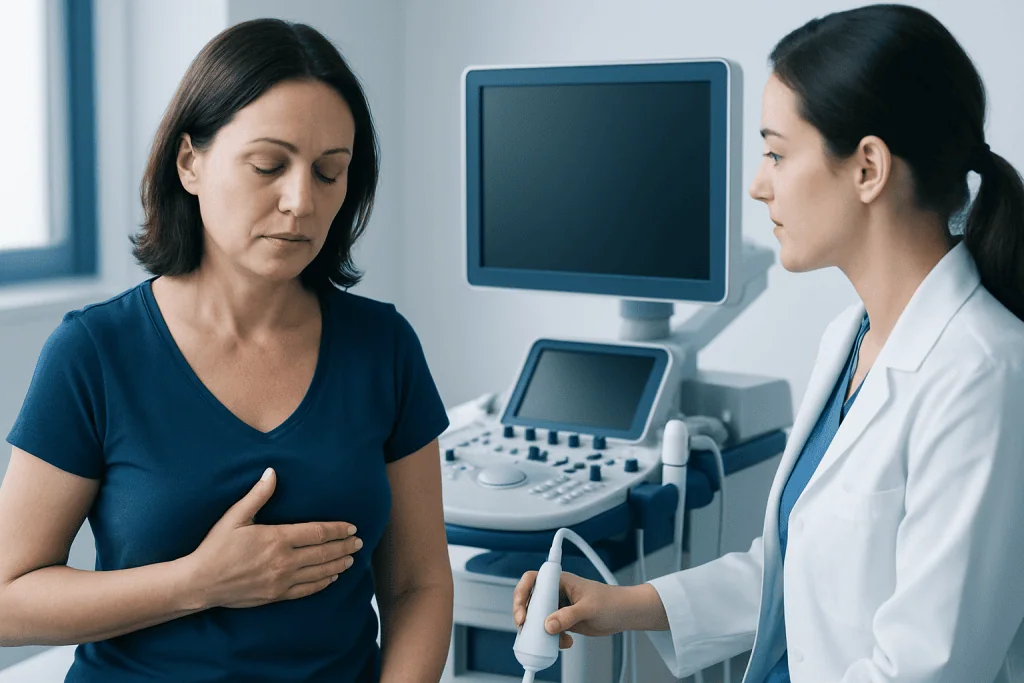
The symptoms of a breast abscess may develop over several days. Many people notice a localized, painful lump that feels tender or firm. The skin over the affected area may become red, warm, swollen, or shiny, and the breast may feel heavy or sore.
Some people develop general symptoms of infection, such as fever, chills, tiredness, body aches, or feeling unwell. If the abscess is close to the skin surface, it may soften in the middle, form a visible swelling, or begin to leak pus. Nipple discharge may occur, particularly when infection involves ducts near the nipple.
During breastfeeding, symptoms may begin with a painful area of engorgement or mastitis that does not improve as expected. A wedge-shaped area of redness, pain during feeding, reduced milk flow from the affected breast, or persistent fever can be important warning signs. Not every breast infection progresses to an abscess, but ongoing symptoms need review.
- A tender breast lump that is enlarging or not improving
- Redness, warmth, or swelling over one area of the breast
- Fever or flu-like symptoms
- Pus, bloody discharge, or fluid leaking from the skin
- Symptoms that persist or worsen despite initial treatment
Causes and Risk Factors

Most breast abscesses result from bacteria entering breast tissue through cracked or damaged skin, particularly around the nipple. In lactating people, milk stasis, meaning milk is not being removed effectively, can contribute to inflammation and increase the opportunity for infection. Bacteria that commonly live on the skin, including Staphylococcus species, are frequent causes.
Factors that can make milk removal more difficult include an ineffective latch, infrequent feeds, abrupt changes in feeding patterns, pressure from a tight bra, or difficulty emptying part of the breast. These factors do not mean a person has done anything wrong; breastfeeding challenges are common and can often be addressed with practical support.
In non-lactating people, abscesses may be related to inflammation around the ducts beneath the nipple, sometimes called periductal mastitis. Smoking is a recognized risk factor for this pattern. Diabetes, obesity, immune suppression, nipple piercing, chronic skin inflammation, and previous breast surgery may also increase susceptibility in some people.
Importantly, an abscess itself is not usually a sign of breast cancer. Still, some breast cancers and inflammatory breast conditions can resemble infection. This is why persistent, recurrent, or unexplained breast inflammation needs follow-up, especially in people who are not breastfeeding.
How a Breast Abscess Is Diagnosed
A clinician will ask about symptoms, breastfeeding status, recent breast problems, medical conditions, medications, and any history of smoking or previous abscesses. They will examine both breasts and the underarm area, looking for a lump, skin changes, nipple changes, drainage, and enlarged lymph nodes.
Breast ultrasound is commonly used when an abscess is suspected. It can distinguish a fluid collection from inflamed tissue and can show the size, location, and number of pockets. Ultrasound also helps clinicians plan drainage and may be used to guide a needle safely into the collection.
If pus or other fluid is drained, it may be sent to a laboratory for culture and antibiotic sensitivity testing. This identifies the bacteria involved and helps guide antibiotic selection, particularly if symptoms are severe, recurrent, or not responding to initial treatment. Blood tests are not always required but may be used when someone is significantly unwell.
Further imaging or a biopsy may occasionally be advised if the clinical picture is unusual, the infection does not settle, or a lump remains after treatment. This is a precaution to clarify the diagnosis, not an indication that cancer is expected.
Treatment Options and Recovery
Treatment is based on the size of the abscess, the severity of infection, whether the person is breastfeeding, and individual health factors. A true collection of pus generally requires drainage because antibiotics may not penetrate the collection adequately on their own. Small collections may sometimes be treated with antibiotics and close follow-up, depending on the clinician’s assessment.
Drainage is often performed using a needle under ultrasound guidance. The procedure may need to be repeated if fluid re-collects. Larger, complex, or persistent abscesses may require a small surgical incision and drainage. Local anesthetic is commonly used, and the team will provide wound-care instructions afterward.
Antibiotics may be prescribed to treat the underlying bacterial infection. The exact medicine depends on allergy history, local resistance patterns, severity of illness, and culture results when available. Pain relief, rest, adequate fluids, and supportive measures such as a well-fitting bra can also help recovery.
For people who are breastfeeding, continuing to feed or express milk is often safe and may help prevent milk stasis, unless the treating clinician advises otherwise for a particular situation. A lactation professional can help improve latch, positioning, and milk removal. Symptoms should begin improving after appropriate treatment, but follow-up is important until the lump and infection have resolved.
Prevention and Self-Care
Not all breast abscesses can be prevented, but early attention to breast pain and inflammation can reduce the chance of complications. During breastfeeding, regular and comfortable milk removal is important. Feeding responsively, avoiding prolonged breast fullness when possible, and seeking help early for latch problems or nipple pain can be useful steps.
Gentle care is generally preferable to forceful massage or repeated deep pressure, which can worsen tissue swelling. Cool compresses between feeds may ease discomfort, while a clinician may recommend suitable pain relief when needed. Any nipple cracks should be assessed, particularly if they are painful, bleeding, or slow to heal.
People with diabetes can reduce infection risk by working with their healthcare team to keep blood glucose within their individualized target range. Avoiding smoking is particularly relevant for recurrent infections around the nipple and ducts. Those who have had a prior non-lactational abscess may need assessment for underlying duct disease or other contributing factors.
It is not advisable to squeeze, puncture, or attempt to drain a breast lump at home. This can introduce more bacteria, damage tissue, delay correct diagnosis, and increase scarring. Medical drainage is safer and allows fluid to be tested when appropriate.
When to Seek Medical Care
Medical care should be sought promptly for a painful breast lump with redness, warmth, swelling, fever, or pus-like drainage. A same-day assessment is especially important when fever is high, pain is severe, redness is spreading quickly, or the person feels faint, confused, very weak, or otherwise seriously unwell.
People who are breastfeeding should contact a healthcare professional if mastitis symptoms do not begin improving within about 24 hours of effective milk removal and supportive care, or sooner if symptoms are intense. An abscess may form even when antibiotics have already been started, so increasing swelling or a new soft, fluid-like lump needs review.
Anyone who is not breastfeeding and develops breast inflammation, discharge, or a new lump should arrange medical assessment. Recurrent abscesses, symptoms that return after treatment, or a lump that remains once infection has settled also warrant follow-up. Acibadem International’s multidisciplinary specialists and JCI-accredited hospitals diagnose and treat breast infections and related breast concerns for international patients.
Frequently asked questions
Can a breast abscess go away without drainage?
A very early or small infection may improve with antibiotics and close medical monitoring, but a formed abscess often needs drainage. This is because antibiotics may not fully reach a walled-off pocket of pus. A clinician can use examination and ultrasound to determine the most appropriate approach.
Can someone breastfeed with a breast abscess?
Many people can continue breastfeeding or expressing milk during treatment, and regular milk removal may support recovery. However, guidance can vary depending on the abscess location, drainage procedure, medication, and the person's overall condition. The treating clinician and a lactation professional can provide individualized advice.
Is a breast abscess contagious?
A breast abscess is not generally spread through casual contact. The bacteria involved may be common skin bacteria, but the abscess develops when infection enters and becomes trapped in breast tissue. Good hand hygiene and appropriate wound care are sensible precautions if there is drainage.
How long does recovery from a breast abscess take?
Pain and fever often begin to improve within a few days after effective drainage and antibiotic treatment, but complete healing can take longer. Larger abscesses or those requiring repeated drainage may take several weeks to fully resolve. Follow-up is important if symptoms are not steadily improving.
Can a breast abscess come back?
Yes, recurrence is possible, especially if a contributing issue such as persistent milk stasis, smoking, diabetes, duct inflammation, or an untreated underlying condition remains. Repeated abscesses should be assessed carefully. The care team may recommend imaging, culture testing, or referral to a breast specialist.
Does a breast abscess mean breast cancer?
No, a breast abscess is usually caused by infection and is not breast cancer. However, some breast conditions can cause symptoms similar to infection, and a persistent lump or inflammation should not be ignored. Follow-up after treatment helps ensure the breast has healed as expected.
References
- American College of Obstetricians and Gynecologists
- Academy of Breastfeeding Medicine
- National Health Service
- Mayo Clinic
- World Health Organization
This article is for general information only and is not a substitute for professional medical advice. Please consult a qualified doctor about your individual situation.
Explore treatments in Turkey — costs, top hospitals & a free quote
JCI-accredited · board-certified surgeons · reply within 24h
Add us as a Preferred Source to see more of our trusted health content across Google Search, AI Overviews and Discover.