Acanthamoeba Keratitis: Symptoms, Causes, and Treatment Options

Acanthamoeba keratitis is an infection of the cornea caused by microscopic amoebae found in water, soil, and the environment. It is most commonly linked to contact lens wear, especially poor lens hygiene or water exposure while wearing lenses.
Key Takeaways
- Acanthamoeba keratitis is an infection of the cornea caused by microscopic amoebae found in water, soil, and the environment.
- It is most commonly linked to contact lens wear, especially poor lens hygiene or water exposure while wearing lenses.
- Symptoms often include severe eye pain, redness, light sensitivity, tearing, and blurred vision.
- Diagnosis may require a specialist eye examination and laboratory testing of corneal samples or contact lens materials.
- Treatment usually involves prescription anti-amoebic eye drops over a prolonged period, and some patients may need corneal surgery.
- Prompt ophthalmology assessment improves the chance of preserving vision and avoiding complications.
Acanthamoeba keratitis is a rare but potentially serious infection of the cornea, most often associated with contact lens use and exposure to contaminated water. Early diagnosis and targeted treatment are important to protect vision and reduce the risk of long-term corneal damage.
Overview
Acanthamoeba keratitis is a rare infection of the cornea, the clear front surface of the eye. It is caused by acanthamoeba, a microscopic organism found widely in tap water, lakes, swimming pools, hot tubs, soil, and air. Although uncommon, the infection can be difficult to treat and may threaten vision if diagnosis is delayed.
This condition is seen most often in people who wear contact lenses, especially when lenses are exposed to water or cleaned improperly. However, it can also develop after a corneal injury, particularly if the eye is exposed to contaminated water or plant material.
One reason acanthamoeba keratitis can be challenging is that its early symptoms may resemble other eye problems, such as bacterial keratitis, viral keratitis, or simple eye irritation. Because of this overlap, an ophthalmologist may need specific tests to confirm the cause and choose the right treatment.
Symptoms and how it may feel
The symptoms of acanthamoeba keratitis can begin gradually or progress over several days. A person may notice eye redness, tearing, blurred vision, sensitivity to light, and the sensation that something is in the eye. Pain can be marked and may seem more severe than expected from the visible appearance of the eye.
Some people first think they have a minor scratch, dry eye, or a routine contact lens problem. In reality, persistent discomfort after lens removal or symptoms that continue to worsen deserve prompt attention. The infection usually affects one eye, but both eyes can be involved in rare situations.
Symptoms can include:
- Eye pain or deep aching discomfort
- Redness of the eye
- Blurred or hazy vision
- Light sensitivity
- Excess tearing or discharge
- A foreign-body sensation
- Difficulty keeping the eye open
If left untreated, the cornea may become increasingly inflamed or scarred. That scarring can interfere with the passage of light through the eye and may reduce vision even after the infection has cleared.
Why it happens: causes and risk factors

Acanthamoeba organisms are common in the environment, but infection does not occur simply because they are present. The organism usually needs an opportunity to enter or attach to the cornea, often through small surface damage. Contact lens use is the strongest known risk factor because lenses can trap organisms against the eye and may disturb the natural protective surface of the cornea.
Risk increases when lenses are rinsed or stored in tap water, worn while showering or swimming, or cleaned with nonsterile solutions. Reusing old solution, topping off solution instead of replacing it, sleeping in lenses when not advised, and poor hand hygiene can also increase exposure. Even careful lens wearers can be affected, but these habits raise the chance significantly.
Other risk factors include corneal trauma, exposure to muddy water, and eye surface disease. People who already have another form of keratitis or chronic eye irritation may be more vulnerable because the corneal surface is less intact. The infection is not usually spread from person to person.
Importantly, acanthamoeba keratitis is not limited to soft contact lenses. It can occur with rigid gas-permeable lenses as well, and rarely in people who do not use contact lenses at all.
How doctors diagnose acanthamoeba keratitis
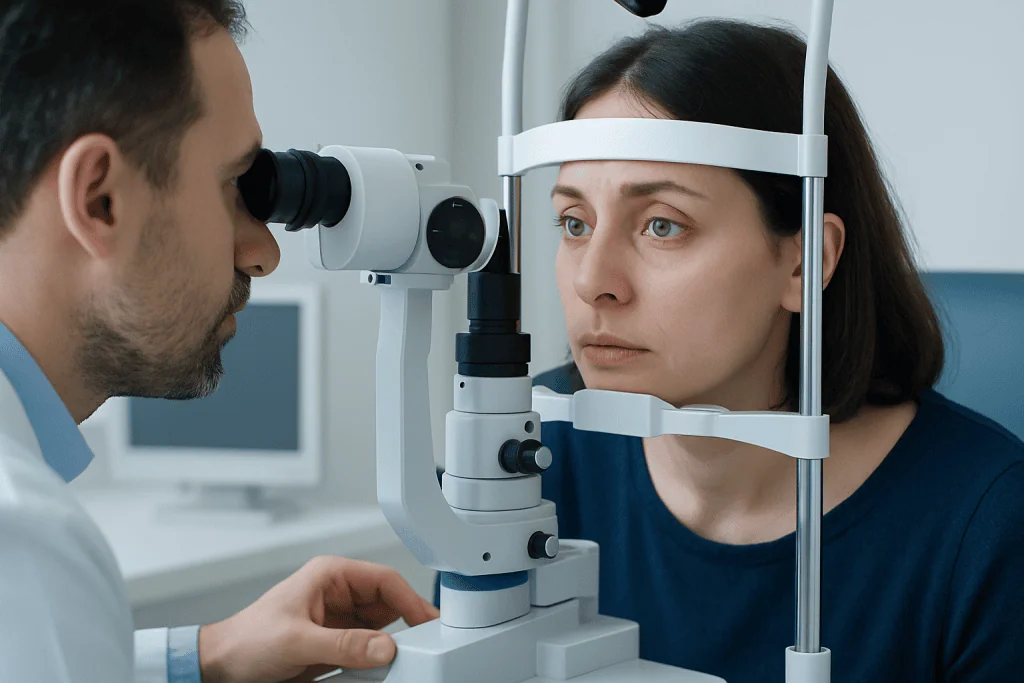
Diagnosis begins with a detailed history and a careful eye examination. The ophthalmologist will usually ask about contact lens habits, water exposure, recent eye injury, and the timing of symptoms. A slit-lamp examination allows the doctor to inspect the cornea closely for inflammation, surface changes, and patterns that may suggest this infection.
Because the symptoms can mimic other eye diseases, additional testing is often needed. The doctor may take a small corneal scraping for laboratory examination, culture, or molecular testing. In some cases, contact lenses, the storage case, or lens solution may also be tested if they could help identify the organism.
Specialized imaging can sometimes support the diagnosis. Confocal microscopy, available in some eye centers, may help visualize the organism within the cornea. If the clinical picture is complex, specialists may also assess for other causes of corneal disease to guide treatment.
Early diagnosis matters because treatment works best before deeper corneal damage develops. For that reason, a person with ongoing eye pain, redness, or blurred vision after contact lens wear should not try to self-treat for long without professional assessment.
Treatment options and recovery
Acanthamoeba keratitis treatment usually involves prescription antimicrobial eye drops that target the amoeba. These medications are often used frequently at the beginning and may be needed for weeks or months, depending on how the infection responds. Treatment plans are individualized, and close follow-up is essential because improvement can be slow even when therapy is working.
The ophthalmologist may recommend stopping contact lens use immediately and avoiding eye patching unless specifically directed. Pain control and supportive care may also be part of treatment. If another infection is suspected at the same time, additional medicines may be needed, but treatment should always be guided by an eye specialist because not all drops are appropriate in every case.
In advanced or resistant cases, surgical care may become necessary. Some patients develop severe corneal scarring or thinning that affects vision or threatens the structure of the eye. In selected cases, doctors may discuss cornea transplantation to restore clarity or address serious damage. More broadly, management is often coordinated through specialists in ophthalmology who have experience with complex corneal infections.
Recovery can take time. Even after the infection has resolved, the cornea may remain sensitive or scarred, and vision may improve gradually rather than immediately. Ongoing follow-up helps monitor healing, detect complications, and decide whether further treatment is needed.
Prevention and self-care
The most effective prevention focuses on safe contact lens habits. Lenses should be cleaned, disinfected, and stored exactly as recommended by the eye care professional and the lens manufacturer. Hands should be washed and dried before touching lenses, and storage cases should be cleaned and replaced regularly.
Water exposure is especially important to avoid. Contact lenses should not be worn while swimming, using a hot tub, or showering unless specifically advised and properly protected. Lenses and storage cases should never be rinsed with tap water, and homemade or nonsterile solutions should not be used.
Helpful self-care steps include:
- Remove contact lenses promptly if the eye becomes painful, red, or sensitive to light
- Use only fresh, recommended lens solution each time
- Do not sleep in lenses unless they are specifically approved for overnight wear
- Replace lenses and cases on schedule
- Avoid sharing lenses, cases, or eye drops
People who have already had a serious eye infection may benefit from a review of lens hygiene with an eye specialist before resuming lens wear. If underlying eye surface problems are present, they may also need treatment to reduce future risk.
When to seek medical care
Medical care should be sought promptly for a red, painful eye, especially if symptoms occur during or after contact lens use. Worsening blurred vision, strong light sensitivity, excessive tearing, or a feeling that something is stuck in the eye are also important warning signs. These symptoms do not always mean acanthamoeba keratitis, but they do need professional assessment.
Urgent evaluation is particularly important if symptoms continue after lenses are removed or after using over-the-counter drops. Delaying care can increase the risk of corneal scarring and more difficult treatment. A person should avoid wearing contact lenses again until an ophthalmologist says it is safe.
People with severe symptoms may need assessment by a corneal specialist. In centers offering advanced eye treatment, diagnosis and care can involve ophthalmologists, microbiology support, and imaging specialists. Acibadem International’s multidisciplinary specialists and JCI-accredited hospitals diagnose and treat complex eye conditions for international patients.
Frequently asked questions
Is acanthamoeba keratitis an emergency?
It is not always a hospital emergency, but it does need prompt assessment by an eye doctor. Early treatment can help protect the cornea and reduce the risk of lasting vision problems.
Can acanthamoeba keratitis happen without contact lenses?
Yes. Although most cases are linked to contact lens wear, the infection can also occur after a corneal injury or exposure to contaminated water, soil, or plant material.
How is acanthamoeba keratitis different from a routine eye infection?
It is caused by a microscopic amoeba rather than the bacteria or viruses responsible for many common eye infections. It can cause severe pain and often needs specialized testing and prolonged treatment.
Will vision return to normal after treatment?
Many people improve with treatment, but recovery can be slow. Final vision depends on how early the infection was found, how much corneal damage occurred, and whether scarring remains after the infection clears.
Should contact lenses be thrown away after diagnosis?
The eye specialist may advise discarding lenses, the storage case, and any opened solution to reduce the chance of re-exposure. It is best not to reuse any lens items unless the doctor specifically says they are safe.
Can tap water really increase the risk of acanthamoeba keratitis?
Yes. Acanthamoeba can be present in tap water, and lenses can carry the organism to the cornea. That is why lenses and cases should never be rinsed with tap water.
References
- American Academy of Ophthalmology
- Centers for Disease Control and Prevention
- National Eye Institute
- American Optometric Association
This article is for general information only and is not a substitute for professional medical advice. Please consult a qualified doctor about your individual situation.
Explore treatments in Turkey — costs, top hospitals & a free quote
JCI-accredited · board-certified surgeons · reply within 24h
Add us as a Preferred Source to see more of our trusted health content across Google Search, AI Overviews and Discover.

More from the Health Library



Related Specialists

Dr. Hacer Tuğça Malişi
Pediatrics
Dyt. Gizem Katkıcı Taşkın
Nutrition & Diet
Prof. Dr. Murat Bozkurt
Orthopedic Surgery & Traumatology
Fzt. Necla Aleyna Yiğit
Physical Medicine & Rehabilitation