Accelerated Resolution Therapy: Symptoms, Causes, and Treatment Options

Accelerated resolution therapy is a brief, goal-focused form of psychotherapy. It is most often used for trauma-related symptoms, including PTSD, anxiety, grief, and stress reactions.
Key Takeaways
- Accelerated resolution therapy is a brief, goal-focused form of psychotherapy.
- It is most often used for trauma-related symptoms, including PTSD, anxiety, grief, and stress reactions.
- Treatment involves guided eye movements, recall of distressing experiences, and replacement of upsetting imagery.
- A qualified mental health professional should assess whether this approach fits a person’s symptoms and history.
- ART may be one part of care, alongside other therapies, medication, and ongoing mental health support.
Accelerated resolution therapy is a structured psychotherapy designed to help people process distressing memories and reduce emotional and physical symptoms linked to trauma, anxiety, and stress. It is not a medication or a procedure; instead, it uses guided eye movements and imagery techniques within talk therapy sessions led by a trained mental health professional.
Overview: What Is Accelerated Resolution Therapy?
Accelerated resolution therapy is a brief, evidence-informed psychotherapy used to help reduce distress linked to traumatic memories, anxiety, grief, and other stress-related symptoms. It combines elements of exposure, imagery rescripting, and guided lateral eye movements in a structured format. The goal is not to erase memory, but to reduce the emotional and physical intensity connected to it.
During sessions, a therapist helps the person recall troubling experiences in a controlled way while following hand movements with the eyes. The person may then be guided to replace distressing images with more neutral or calming ones. This process aims to change how the memory is experienced, so it feels less overwhelming in daily life.
Accelerated resolution therapy is most often discussed in relation to trauma care, especially symptoms similar to post-traumatic stress disorder. However, clinicians may also consider it for anxiety, phobias, grief, or persistent stress symptoms when appropriate. It is usually offered as outpatient mental health treatment rather than emergency care.
How It Works and What a Session May Involve
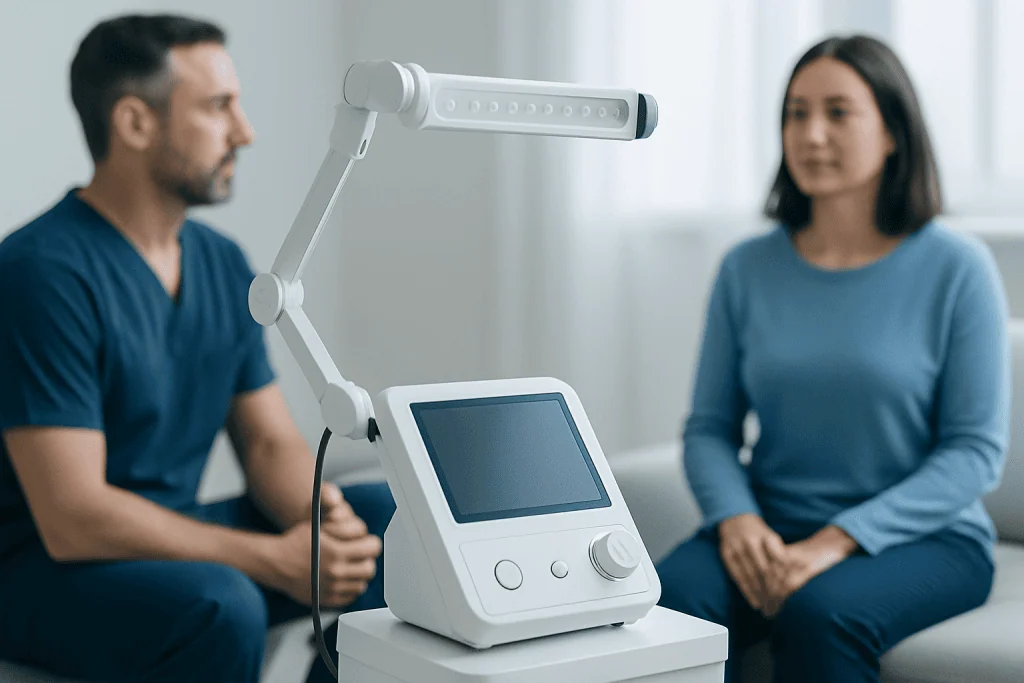
Accelerated resolution therapy is designed to work through difficult memories without requiring lengthy retelling of every detail. In many sessions, the therapist first identifies a target memory, symptom, or image that continues to trigger distress. The person remains awake, aware, and in control throughout the session.
The eye movement component is a core feature. While focusing on a memory or body sensation, the person follows the therapist’s hand or another visual cue from side to side. This is paired with relaxation strategies and guided imagery. The exact reason eye movements may help is still being studied, but the method is thought to support emotional processing and reduce the intensity of distress.
Another key step is called imagery rescripting or image replacement. The person is invited to imagine a different ending, perspective, or visual experience connected to the memory. This can make the memory feel less threatening and less likely to trigger strong reactions afterward. For some people, accelerated resolution therapy may be part of a wider care plan that also includes psychotherapy and supportive follow-up.
Symptoms and Conditions It May Help Address

Accelerated resolution therapy is not a diagnosis itself; it is a treatment approach used for certain emotional and psychological symptoms. It is commonly considered when distressing memories or stress reactions interfere with sleep, concentration, relationships, or day-to-day functioning. Symptoms may appear after a single traumatic event or after ongoing stress over time.
Examples of symptoms and concerns a clinician may evaluate include:
- Intrusive memories, flashbacks, or distressing mental images
- Nightmares or sleep disturbance
- Strong physical reactions to reminders of trauma
- Avoidance of people, places, or situations linked to upsetting experiences
- Anxiety, panic, irritability, or feeling constantly on guard
- Grief-related distress or emotional numbness
- Difficulty concentrating, relaxing, or feeling safe
Some people seeking this therapy have symptoms related to trauma, while others may have overlapping conditions such as anxiety disorders or depression. A proper mental health assessment is important because symptoms can have many causes, and one therapy does not suit everyone equally well.
Who Might Benefit and What Can Influence Symptoms
People who may benefit from accelerated resolution therapy often have symptoms related to past trauma, frightening experiences, complicated grief, or persistent stress. Examples include survivors of accidents, assault, medical trauma, military combat, natural disasters, childhood adversity, or sudden loss. The therapy may also be considered when a person prefers a structured, short-term treatment format.
At the same time, the intensity of symptoms can be influenced by many factors beyond the original event. These include previous trauma, lack of social support, ongoing unsafe circumstances, substance use, sleep problems, chronic pain, and coexisting mental health conditions. Some people also develop symptoms gradually rather than immediately after an event.
A careful assessment helps determine whether accelerated resolution therapy is the right choice or whether another approach may be better suited. In some situations, treatment may include counseling, psychiatric evaluation, medication, or trauma-focused therapies delivered over a longer period. Safety, stability, and readiness for trauma work are important parts of planning care.
Diagnosis and Clinical Assessment
There is no blood test, scan, or single checklist that decides whether someone should receive accelerated resolution therapy. Instead, a licensed mental health professional conducts a clinical assessment. This usually includes a discussion of current symptoms, their severity and duration, personal history, previous treatment, physical health, sleep, substance use, and any immediate safety concerns.
The clinician may also screen for conditions that can overlap with trauma-related symptoms, such as depression, panic disorder, dissociation, or obsessive-compulsive disorder. In some cases, symptoms that seem psychological may also be affected by neurological, hormonal, or medical issues, so referral to another specialist may be helpful.
Assessment also helps identify situations where a person may need a different starting point before trauma-focused therapy begins. For example, severe suicidal thoughts, active psychosis, unstable substance withdrawal, or ongoing danger at home may require urgent or alternative care first. A thorough evaluation supports safer, more individualized treatment planning.
Treatment Options and Where Accelerated Resolution Therapy Fits
Accelerated resolution therapy is one option within a wider group of treatments for trauma and stress-related conditions. For some people, it may help reduce the emotional intensity of painful memories over a relatively short number of sessions. For others, a different evidence-based approach may be more appropriate, such as trauma-focused cognitive behavioral therapy, exposure-based therapy, supportive counseling, or longer-term psychotherapy.
Treatment plans are often individualized. A clinician may recommend accelerated resolution therapy on its own or alongside other forms of care. If symptoms are significant, care may also include treatment for depression or management of panic, insomnia, or related problems. Medication may be considered in selected cases, especially when symptoms are persistent or affect daily function.
Practical treatment planning also matters. The therapist should be properly trained in accelerated resolution therapy and experienced in trauma-informed care. Near the end of care planning, some patients may seek evaluation at centers with multidisciplinary mental health services. Acibadem International’s multidisciplinary specialists and JCI-accredited hospitals diagnose and treat trauma-related and other mental health conditions for international patients.
Self-Care, Recovery, and When to Seek Medical Care
Self-care does not replace professional treatment, but it can support recovery. Helpful steps may include keeping regular sleep habits, limiting alcohol or recreational drugs, staying physically active as able, practicing grounding or breathing exercises, and staying connected with trusted support people. Many people also benefit from routines that reduce overstimulation, such as scheduled breaks from distressing media content.
It is reasonable to seek medical or mental health care when distressing memories, anxiety, nightmares, panic, or avoidance begin to affect work, school, relationships, or sleep. Professional support is also important when symptoms persist after a traumatic event, feel difficult to control, or lead to isolation, hopelessness, or worsening daily function. Early assessment can help identify the most suitable treatment path.
Urgent care is needed if there are thoughts of self-harm, suicidal thoughts, risk of harming others, severe disorientation, or inability to stay safe. In these situations, a person should contact emergency services or immediate crisis support in their location. Prompt help is especially important when trauma-related symptoms occur alongside substance misuse, major depression, or sudden changes in behavior.
Frequently asked questions
Is accelerated resolution therapy the same as EMDR?
No. Accelerated resolution therapy and EMDR both use guided eye movements, but they are distinct therapies with different protocols and techniques. Accelerated resolution therapy places particular emphasis on imagery rescripting and replacing distressing images with more tolerable ones.
What conditions is accelerated resolution therapy used for?
It is most often used for trauma-related distress, including symptoms associated with PTSD. Clinicians may also consider it for anxiety, grief, phobias, or stress-related symptoms, depending on the person’s needs and overall assessment.
Does accelerated resolution therapy make a person relive trauma?
The therapy involves recalling distressing experiences, but it is structured to help the person stay grounded and in control during the session. A trained therapist guides the process carefully, and detailed verbal retelling is not always required.
How many sessions does accelerated resolution therapy usually take?
The number of sessions varies based on the individual, the type of symptoms, and whether there are multiple traumatic experiences to address. Some people pursue brief treatment, while others need broader or longer-term mental health care.
Can accelerated resolution therapy be combined with medication?
Yes. In some cases, it may be part of a wider treatment plan that includes medication, sleep support, or other therapies. A psychiatrist or other qualified clinician can help decide whether combined treatment is appropriate.
Who should not start this therapy without a professional assessment?
Anyone with severe suicidal thoughts, active psychosis, uncontrolled substance withdrawal, or an immediate safety risk should receive urgent professional evaluation first. A clinician can determine whether stabilization or another form of care is needed before trauma-focused therapy begins.
References
- National Institute of Mental Health
- American Psychiatric Association
- U.S. Department of Veterans Affairs
- Substance Abuse and Mental Health Services Administration
- National Center for PTSD
This article is for general information only and is not a substitute for professional medical advice. Please consult a qualified doctor about your individual situation.
Explore treatments in Turkey — costs, top hospitals & a free quote
JCI-accredited · board-certified surgeons · reply within 24h
Add us as a Preferred Source to see more of our trusted health content across Google Search, AI Overviews and Discover.