Acne and Skin Care: An Evidence-Based Guide for Patients

Acne develops when pores become clogged with oil, dead skin cells, and inflammation. Gentle cleansing and non-comedogenic skin care can help, while harsh scrubbing often makes acne worse.
Key Takeaways
- Acne develops when pores become clogged with oil, dead skin cells, and inflammation.
- Gentle cleansing and non-comedogenic skin care can help, while harsh scrubbing often makes acne worse.
- Treatment depends on the type of acne, where it appears, and whether scarring is developing.
- Makeup, sunscreen, and moisturizers can still be used if they are labeled oil-free or non-comedogenic.
- A doctor should assess painful cysts, acne that scars, or breakouts that do not improve with routine care.
Acne and skin care are closely linked: the most effective approach combines gentle daily habits with evidence-based treatment matched to the type and severity of acne. Good skin care can support healing, reduce irritation, and help prevent new breakouts, but it usually works best when used consistently and, when needed, alongside medical care.
Acne and skin care: what patients should know first
Acne and skin care are connected, but skin care alone is not always enough to clear acne. Acne is a common inflammatory skin condition that happens when hair follicles become blocked by oil and dead skin cells, often with bacterial involvement and hormone-related changes. The best routine usually includes simple, gentle skin care together with treatment chosen for the person’s age, skin type, and acne severity.
Many people assume acne is caused by poor hygiene, but that is not correct. Over-washing, scrubbing, or using strong products can irritate the skin barrier and worsen redness, dryness, and breakouts. A balanced routine aims to clean the skin without damaging it, while active treatments target clogged pores and inflammation.
Acne can affect the face, chest, shoulders, and back. It may appear as blackheads, whiteheads, red bumps, pus-filled spots, or deeper painful nodules. Because acne can sometimes leave marks or scars, early and appropriate care matters.
How acne looks and why it happens
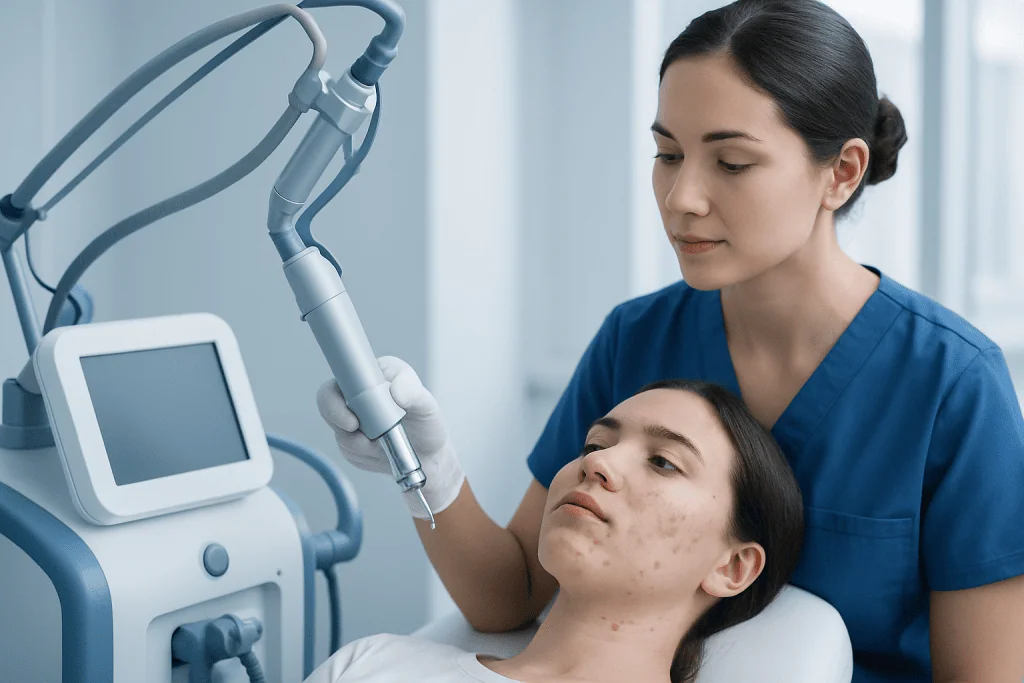
Acne is not just one kind of spot. Non-inflammatory acne includes blackheads and whiteheads, which form when pores are blocked. Inflammatory acne includes papules and pustules, while more severe forms can cause nodules and cyst-like lesions deeper in the skin. This variation is one reason acne treatment is not the same for everyone.
Several processes contribute to acne. The skin may produce excess sebum, dead skin cells may not shed normally, pores may become blocked, and inflammation can develop. Hormonal changes, especially during puberty, menstrual cycles, pregnancy, or conditions that increase androgen activity, can also influence breakouts.
Genetics often play a role as well. If close family members had persistent or severe acne, a person may be more likely to experience it. Acne may overlap with other skin concerns that need proper evaluation, and persistent rashes or bumps are not always simple acne. In some cases, a dermatologist may also consider related concerns such as skin changes that need assessment when lesions do not behave like typical acne.
A practical daily skin care routine for acne-prone skin
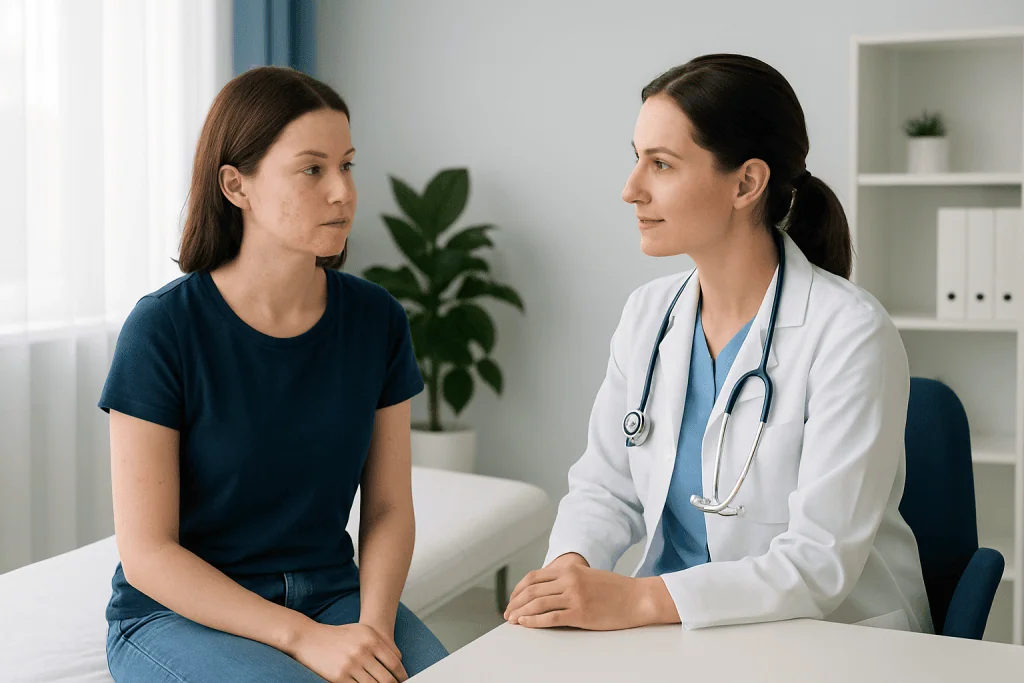
A simple routine is often more effective than using many products at once. Most people with acne-prone skin benefit from washing the face gently once or twice daily and after heavy sweating, using lukewarm water and a mild cleanser. Rubbing with washcloths, facial brushes, or gritty scrubs can worsen irritation and is usually best avoided.
Moisturizer is still important, even for oily skin. Many acne treatments can dry the skin, which may lead to stinging, flaking, and poor treatment adherence. A lightweight, fragrance-free, non-comedogenic moisturizer can help support the skin barrier without clogging pores.
Sun protection also matters. Some acne treatments can make the skin more sun-sensitive, and sun exposure may darken post-inflammatory marks left after breakouts. A broad-spectrum sunscreen labeled non-comedogenic or oil-free is usually a good choice. Makeup can also be used if it is removed gently and selected with the same non-comedogenic approach.
- Choose gentle, fragrance-free cleansers when possible.
- Use moisturizers and sunscreens labeled non-comedogenic.
- Avoid picking, squeezing, or popping spots.
- Introduce one active product at a time to reduce irritation.
Common triggers, myths, and risk factors
Acne is influenced by many factors, but not all commonly blamed causes are supported by evidence. Stress does not directly create acne from nothing, but it may worsen existing breakouts in some people. Cosmetic products, hair oils, tight sports gear, and friction from helmets or masks can contribute to clogged pores in certain areas.
Diet is an area of ongoing study. For some individuals, high-glycemic eating patterns or certain dairy products may be associated with worse acne, but this is not universal and should not lead to overly restrictive eating without medical guidance. In general, a balanced diet and attention to personal triggers are more helpful than extreme claims about “curing” acne through food alone.
There are also many myths. Acne is not caused by dirty skin, and tanning does not treat it safely. Natural or homemade remedies are not automatically gentle; some can irritate or burn the skin. Medications such as corticosteroids, testosterone-related products, or certain supplements may trigger acne-like eruptions, so it is worth discussing all products being used with a clinician.
How acne is diagnosed
Acne is usually diagnosed through a clinical skin examination. A doctor looks at the type of lesions, where they appear, how long they have been present, and whether scarring, dark marks, or signs of infection are developing. The pattern of acne can offer clues about likely causes and the most suitable treatment plan.
Most people do not need extensive testing. However, additional evaluation may be appropriate when acne begins suddenly, is unusually severe, occurs with irregular periods or excess facial hair, or appears alongside other hormone-related symptoms. In these situations, the clinician may assess for an underlying hormonal issue rather than treating the skin alone.
Accurate diagnosis matters because some conditions can resemble acne, including rosacea, folliculitis, and certain rashes. When breakouts are persistent or atypical, specialist evaluation helps ensure that the person is treating the correct condition and not unintentionally irritating the skin with unsuitable products.
Evidence-based treatment options
Acne treatment depends on whether the main problem is clogged pores, inflammation, or deep nodules. For mild acne, topical treatments are often the first step. These may include ingredients that help keep pores clear or reduce inflammation. Because some active products can cause dryness or irritation at first, they are usually introduced gradually and used with moisturizer.
Moderate to severe acne may need prescription treatment, especially when there are painful lesions, wide areas of involvement, or early signs of scarring. A doctor may recommend medicated creams, oral medicines, hormonal treatment in selected patients, or referral for specialist care. Treatment often takes several weeks to show clear improvement, so consistency is important.
Some patients also benefit from procedural care, particularly if acne is severe or scars are already forming. Depending on the clinical picture, specialists may discuss options available through dermatology care or selected supportive procedures within medical aesthetics when appropriate after active inflammation is controlled. If acne leaves lasting textural changes, a doctor may later consider approaches used in skin rejuvenation and care as part of scar management, though this is separate from treating active acne itself.
No single treatment works for everyone, and combining therapies is common. A person with frequent relapses or significant emotional distress from acne may benefit from review by a dermatologist. At centers such as Acibadem International, multidisciplinary specialists in JCI-accredited hospitals diagnose and treat acne and related skin concerns for international patients.
Preventing flare-ups and caring for skin over time
Long-term acne care focuses on reducing new breakouts while protecting the skin barrier. Once acne improves, many people still need a maintenance routine to help keep pores clear. Stopping all treatment as soon as the skin looks better may allow acne to return, especially in people with hormonally influenced or persistent acne.
Helpful habits include washing after sweating, keeping hair products away from the face, and cleaning items that contact the skin such as pillowcases, phone screens, and sports equipment. It can also help to avoid heavy occlusive products on acne-prone areas of the face, chest, shoulders, or back.
Picking at acne is one of the most preventable causes of post-inflammatory marks and scarring. Even when a spot seems ready to squeeze, pressure can push inflammation deeper into the skin. Gentle, steady care is usually more effective than trying multiple strong products or changing routines every few days.
When to seek medical care
Medical care is a good idea when acne is painful, widespread, leaving scars, or not improving after a reasonable trial of over-the-counter care. A clinician should also assess acne that starts very suddenly, is associated with irregular menstrual cycles or other hormonal symptoms, or causes significant effects on mood, self-confidence, or daily life.
Prompt assessment is especially important for nodules, cyst-like lesions, or dark marks and scars that are becoming more noticeable. Early treatment can reduce the risk of longer-term skin changes. People who are pregnant, breastfeeding, or using other medications should also ask a doctor before starting acne treatments, because some ingredients are not suitable in these settings.
Anyone with severe skin irritation, swelling, crusting, or signs that a condition may not be acne should seek professional review. If a person is concerned about persistent lesions, changing moles, or non-healing areas rather than typical breakouts, related evaluation for possible skin cancer may be needed.
Frequently asked questions
What is the best skin care routine for acne-prone skin?
A good routine is usually simple: a gentle cleanser, a non-comedogenic moisturizer, and daily sunscreen. If an acne treatment is added, it should be introduced gradually to reduce irritation. Harsh scrubs and frequent product changes often make acne-prone skin less comfortable.
Can oily skin skip moisturizer if there is acne?
No. Even oily or acne-prone skin can become dehydrated, especially when using active acne treatments. A lightweight, oil-free, non-comedogenic moisturizer can help protect the skin barrier without worsening breakouts.
Does diet cause acne?
Diet does not cause all acne, and no single food explains every breakout. Some people notice that certain eating patterns seem to worsen acne, but responses vary. It is usually more helpful to look for individual triggers than to follow extreme food restrictions.
How long does acne treatment take to work?
Most acne treatments need time and regular use before results become clear. Improvement often starts gradually over several weeks, and full benefit may take longer. Stopping too early is a common reason people feel a treatment has failed.
Is it safe to pop pimples?
It is generally better not to pop pimples. Squeezing can increase inflammation, delay healing, and raise the risk of marks or scars. If a lesion is painful or deep, medical advice is safer than trying to drain it at home.
When should someone see a doctor for acne?
A doctor should assess acne that is painful, scarring, widespread, or not improving with routine skin care and over-the-counter products. Medical review is also important if acne affects emotional well-being or appears with hormonal symptoms such as irregular periods.
References
- American Academy of Dermatology
- National Institute for Health and Care Excellence
- Mayo Clinic
- National Health Service
- American Academy of Family Physicians
This article is for general information only and is not a substitute for professional medical advice. Please consult a qualified doctor about your individual situation.
Acne in Turkey — costs, top hospitals & a free quote
JCI-accredited · board-certified surgeons · reply within 24h
Add us as a Preferred Source to see more of our trusted health content across Google Search, AI Overviews and Discover.

More from the Health Library



Related Specialists

Prof. Dr. Ersin Ülkür
Aesthetic Plastic & Reconstructive Surgery
Dyt. Asel Özcan
Nutrition & Diet
Prof. Dr. Başak Oyan Uluç
Medical Oncology
Dt. Deniz Selin Kahya
Oral & Dental Health