Acne Cysts Back: An Evidence-Based Guide for Patients

Acne cysts on the back are deeper and more inflamed than typical pimples. They can be triggered by excess oil, clogged pores, hormones, friction, sweat, and genetics.
Key Takeaways
- Acne cysts on the back are deeper and more inflamed than typical pimples.
- They can be triggered by excess oil, clogged pores, hormones, friction, sweat, and genetics.
- Back cystic acne often needs dermatologist-guided treatment rather than over-the-counter products alone.
- Early treatment can lower the risk of dark marks and permanent scarring.
- Picking, squeezing, or scrubbing harshly usually worsens inflammation and healing.
Acne cysts on the back are deep, inflamed breakouts that form when pores become blocked and inflammation extends below the skin’s surface. They are common, treatable, and worth medical attention because they can be painful and may leave scars if not managed properly.
Overview: What acne cysts on the back mean
Acne cysts on the back are large, tender, inflamed acne lesions that develop deep under the skin. They happen when a hair follicle becomes blocked with oil, dead skin cells, and bacteria, leading to significant swelling beneath the surface. Compared with blackheads, whiteheads, or small pimples, cystic lesions are usually more painful, last longer, and are more likely to leave scars.
The back is a common site for this type of acne because it has many oil glands. Sweat, tight clothing, sports gear, and friction can also make breakouts worse in this area. Some people notice a few isolated cysts, while others develop broader patches of inflamed acne across the shoulders, upper back, or spine area.
Although the word “cyst” is commonly used, not every deep acne bump is a true cyst in a surgical sense. In everyday skin care and patient education, the term often refers to severe, deep inflammatory acne nodules and cyst-like lesions. A dermatologist can help tell the difference between severe acne and other causes of lumps on the back, such as sebaceous cysts.
Symptoms and how back cystic acne looks
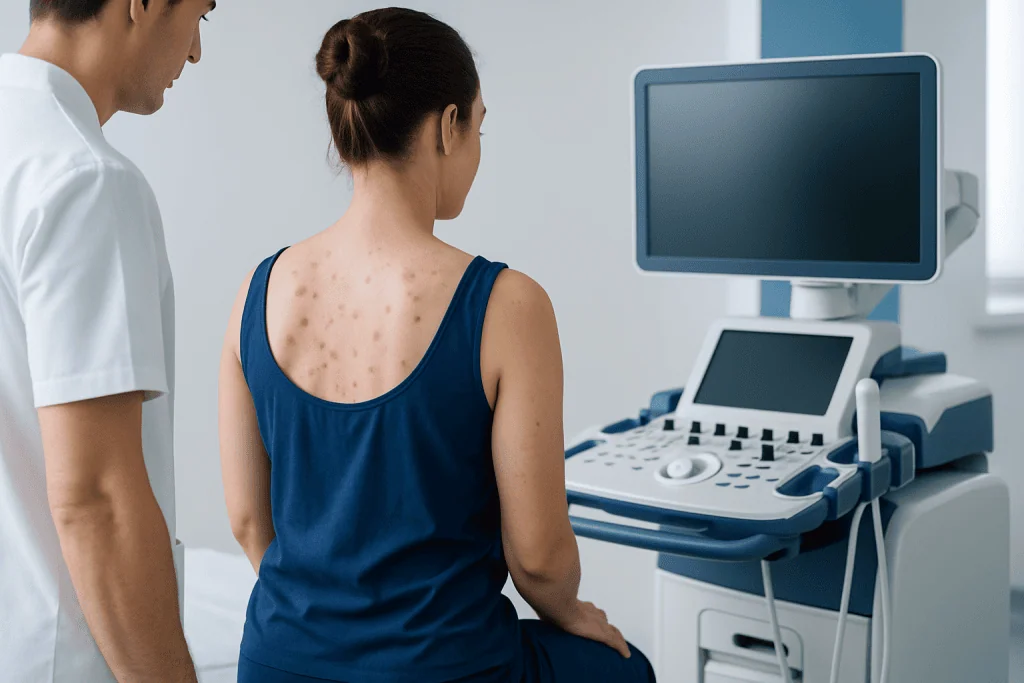
Back acne cysts often appear as deep, red or purple, swollen bumps that feel sore to the touch. They may not come to a visible white head, and many sit under the skin for days or weeks. Some lesions are isolated, while others cluster together with surrounding smaller pimples, blackheads, or pustules.
Common symptoms include pain, tenderness, warmth, and swelling. The skin may feel thickened or uneven, and after the inflammation settles, dark marks or red marks can remain for some time. In some people, severe inflammation leads to pitted scars, raised scars, or broader changes in skin texture.
Back acne can also affect comfort and confidence. It may make exercise, sleep, or wearing certain clothes uncomfortable. If the area is very painful, suddenly worsening, or draining heavily, a medical assessment is useful to confirm that it is acne and not another skin condition.
- Deep, painful lumps under the skin
- Red, inflamed, swollen areas
- Breakouts on the shoulders, upper back, or chest
- Lingering dark marks or scarring after healing
- Flares linked to sweating, friction, or hormonal changes
Causes and risk factors
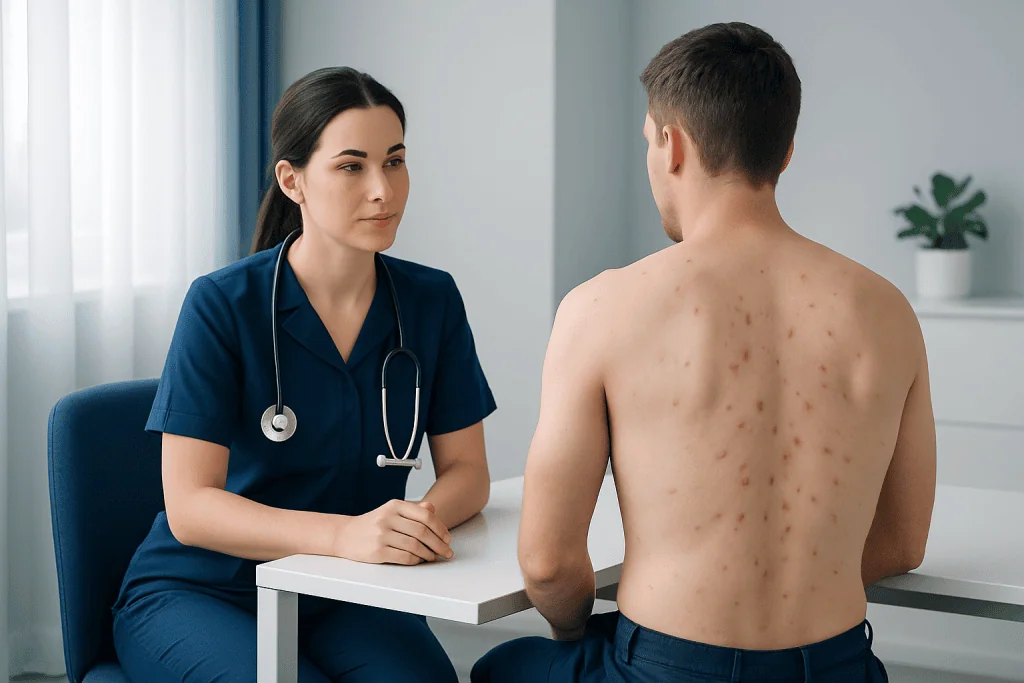
Acne cysts on the back develop when several factors come together: excess oil production, buildup of dead skin cells, blockage of pores, and inflammation involving skin bacteria. Hormones can increase oil gland activity, which is why cystic acne often worsens during adolescence, around menstrual cycles, or during times of hormonal fluctuation. Family history also matters, and some people are simply more prone to severe inflammatory acne.
The back presents special challenges because the skin in this area is thicker and often exposed to sweat and friction. Tight athletic clothing, backpacks, sports pads, and prolonged pressure can irritate follicles and contribute to breakouts. Oily body products and some hair conditioners can also worsen acne if they remain on the skin after bathing.
Stress does not directly cause acne by itself, but it can worsen existing acne in some people. Certain medicines may also trigger or aggravate breakouts. A doctor may ask about supplements, hormone-related treatments, and corticosteroid use. In some cases, people who think they have cystic back acne may actually have another inflammatory condition such as hidradenitis suppurativa or an infection affecting the hair follicles.
How doctors diagnose acne cysts on the back
Diagnosis is usually based on a clinical skin examination. A doctor or dermatologist looks at the size, depth, pattern, and distribution of the lesions and asks about symptoms, treatment history, skin care products, medications, and family history. In most cases, no blood test or scan is needed to identify acne itself.
The main goal of evaluation is to confirm that the lesions are severe acne and to assess the risk of scarring. Doctors may classify acne by severity and note whether there are nodules, cyst-like lesions, pustules, comedones, or signs of healed scars. This helps guide treatment choices and set realistic expectations for improvement.
Sometimes the doctor considers other conditions that can look similar, including folliculitis, epidermoid or sebaceous cysts, medication-related eruptions, and inflammatory skin diseases. If acne is unusually severe, associated with irregular periods, excess facial hair, or sudden adult-onset flares, the doctor may also consider whether a hormonal condition could be contributing.
Treatment options for cystic acne on the back
Back cystic acne often needs more than basic over-the-counter cleansers. Because these lesions are deep and highly inflamed, treatment usually focuses on reducing oil production, calming inflammation, preventing new blockages, and lowering the chance of scars. Improvement takes time, and most treatments need consistent use over weeks to months.
Doctors may recommend medicated washes or topical treatments for milder accompanying acne, but deeper cystic lesions often need prescription therapy. Depending on the person, this may include topical retinoids, benzoyl peroxide-based products, oral antibiotics for limited periods, hormone-related treatment in selected patients, or other dermatologist-directed medicines. For some people with severe, scarring, or treatment-resistant disease, doctors may discuss acne treatment plans that include stronger prescription options and careful monitoring.
When a single lesion is especially painful or persistent, a dermatologist may use targeted procedures to reduce inflammation more quickly. Some patients also benefit from professional scar-focused care after the active acne is under better control, such as chemical peel approaches for selected marks and texture changes. If acne has left more established textural scars, options such as laser treatment may be considered after a specialist evaluation.
The best treatment plan depends on severity, skin type, scar risk, medical history, and whether acne affects other areas such as the face or chest. People should avoid trying to drain or squeeze deep lesions at home, as this can push inflammation deeper, increase pain, and raise the risk of infection or scarring.
Self-care and prevention strategies
Daily habits can support medical treatment and help reduce repeat flares. Gentle skin care is important. The back should be washed regularly, especially after sweating, using a mild cleanser or an acne-friendly wash if recommended by a clinician. Scrubbing aggressively with brushes or rough loofahs usually irritates the skin and can make inflammation worse.
Showering soon after exercise and changing out of sweaty clothing may help. Loose, breathable fabrics are often kinder to acne-prone skin than tight synthetic garments. It also helps to choose non-comedogenic body products and rinse off hair conditioners thoroughly so residue does not sit on the upper back and shoulders.
Picking or squeezing lesions should be avoided. It rarely clears deep cysts and often leads to more inflammation, delayed healing, and scars. If breakouts are frequent, keeping a simple symptom diary can help identify practical triggers such as certain gym clothing, heavy body oils, or flare patterns linked to stress or hormonal changes.
- Cleanse gently and consistently
- Shower after sweating
- Wear loose, breathable clothing when possible
- Use non-comedogenic skin and hair products
- Avoid squeezing or harsh exfoliation
- Seek early treatment if scars are beginning to form
When to seek medical care
Medical care is a good idea if acne cysts on the back are painful, frequent, leaving marks, or not improving with basic over-the-counter care. Because deep inflammatory acne can scar, early assessment can make a real difference. A doctor can help confirm the diagnosis and choose treatment that matches the severity of the condition.
Prompt review is especially important if lesions are draining, becoming increasingly red, associated with fever, or causing significant discomfort. These features can suggest a more severe flare or a different skin problem that needs specific treatment. Care is also appropriate if acne is affecting sleep, exercise, mood, or self-confidence.
Near the end of a treatment journey, some patients need help for scarring or persistent dark marks even after active acne settles. Multidisciplinary specialists at Acibadem International and its JCI-accredited hospitals diagnose and treat acne-related skin concerns for international patients, including evaluation of both active disease and after-effects.
Frequently asked questions
Are acne cysts on the back the same as regular pimples?
No. Acne cysts are deeper, more inflamed lesions that form under the skin and are usually more painful than ordinary pimples. They also tend to last longer and carry a higher risk of scarring.
Why does cystic acne happen on the back so often?
The back has many oil glands, which makes it a common area for acne. Sweat, friction from clothing or sports equipment, and thicker skin in this region can also contribute to blocked pores and inflammation.
Can back acne cysts go away on their own?
Some individual lesions may settle over time, but cystic acne often returns and may leave marks or scars. If breakouts are recurrent or painful, medical treatment is often the safest way to improve control and reduce long-term skin changes.
Should a person pop or squeeze a cyst on the back?
No. Squeezing deep acne lesions can worsen inflammation, increase pain, and raise the chance of infection or scarring. A dermatologist can suggest safer treatments for painful or stubborn cysts.
What is the best treatment for acne cysts on the back?
There is no single best treatment for everyone. The right option depends on severity, scar risk, skin type, and medical history, and may include prescription topical medicines, oral treatments, or targeted procedures directed by a dermatologist.
Can diet cause cystic back acne?
Diet is not the only cause of acne, and for many people it is not the main driver. In some individuals, certain dietary patterns may influence acne, but treatment usually focuses first on proven medical and skin care approaches.
This article is for general information only and is not a substitute for professional medical advice. Please consult a qualified doctor about your individual situation.
Acne in Turkey — costs, top hospitals & a free quote
JCI-accredited · board-certified surgeons · reply within 24h
Add us as a Preferred Source to see more of our trusted health content across Google Search, AI Overviews and Discover.

More from the Health Library

Devastating: What Patients Need to Know

Radiase: What Patients Need to Know

Catarrh: A Complete Medical Overview

Cerebrum: A Complete Medical Overview

Staghorn Calculus: A Complete Medical Overview