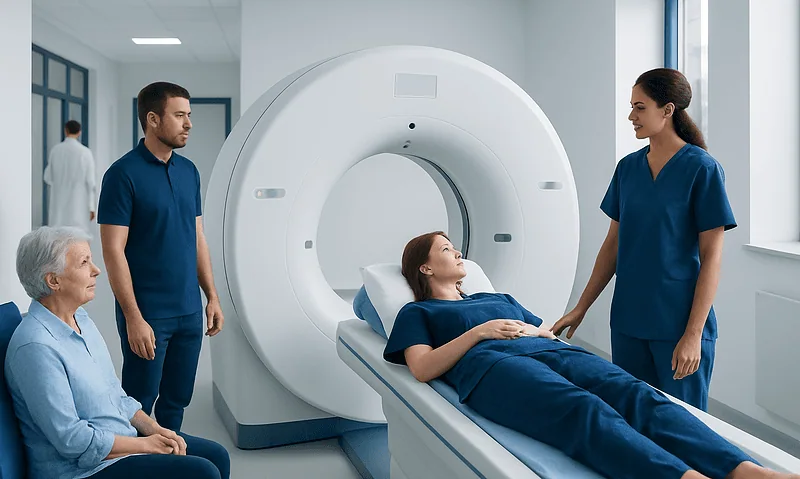
Acrophobia: What Patients Need to Know

Acrophobia is a specific phobia involving marked fear or anxiety related to heights. Symptoms can include panic, dizziness, trembling, rapid heartbeat, and strong avoidance.
Key Takeaways
- Acrophobia is a specific phobia involving marked fear or anxiety related to heights.
- Symptoms can include panic, dizziness, trembling, rapid heartbeat, and strong avoidance.
- The condition may develop from learned experiences, temperament, or a combination of biological and psychological factors.
- Diagnosis is based on symptoms, their impact on daily life, and a clinical assessment.
- Treatment often includes psychotherapy, especially exposure-based cognitive behavioral therapy, and sometimes medication for selected situations.
- Seeking medical care is important when fear of heights limits normal activities or causes significant distress.
Acrophobia is an intense, persistent fear of heights that goes beyond normal caution and can interfere with travel, work, exercise, or daily routines. With proper evaluation and treatment, many people learn to reduce symptoms and feel more confident in situations involving height.
Overview: what acrophobia means
Acrophobia is a type of anxiety disorder known as a specific phobia. It causes intense fear in situations involving heights, such as standing on a balcony, using an escalator, crossing a bridge, looking out from an upper floor, or even seeing images that create a strong sense of elevation. The reaction is stronger than ordinary caution and may happen even when the environment is objectively safe.
Many people feel more careful at heights, and that can be protective. Acrophobia is different because the fear becomes overwhelming, hard to control, and disruptive to everyday life. A person may avoid work tasks, travel, sightseeing, sports, elevators with glass walls, or buildings with open stairways because of the distress these situations trigger.
Symptoms can affect both mind and body. Some people experience immediate panic, while others feel mounting dread before they even approach the feared place. The good news is that acrophobia is treatable, and many patients improve with structured therapy and practical coping strategies.
How acrophobia can feel in daily life
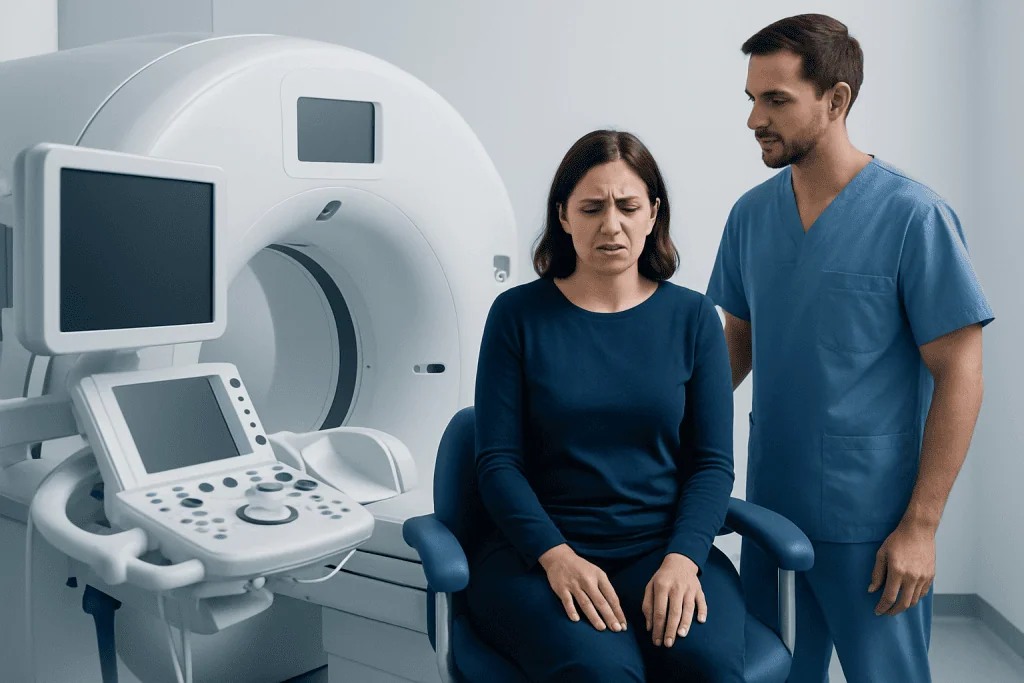
Acrophobia does not look the same in every person. For some, the main problem is obvious anxiety when looking down from a height. For others, it is a broader sense of instability, loss of control, or fear of falling, even when barriers are present. The experience may be brief and situational, or it may lead to persistent planning around avoidance.
Common symptoms include:
- Intense fear or panic when near heights
- Rapid heartbeat, sweating, shaking, or shortness of breath
- Dizziness, unsteadiness, or a feeling of being pulled downward
- Nausea or stomach discomfort
- A strong urge to escape the situation
- Avoidance of stairs, balconies, bridges, rooftops, or upper floors
Some people worry that dizziness means a neurological or inner-ear problem. In acrophobia, dizziness can happen as part of the anxiety response, but similar symptoms can also occur in conditions such as vertigo. That is one reason a careful medical assessment can be helpful, especially if balance symptoms also happen at ground level or without a clear trigger.
Children and adults may describe the fear differently. A child might cry, freeze, cling to a caregiver, or refuse to climb. Adults may try to hide the fear, change routes, avoid travel, or decline invitations. Over time, avoidance can reinforce the phobia by preventing the brain from learning that the situation can be managed safely.
Why acrophobia happens: causes and risk factors
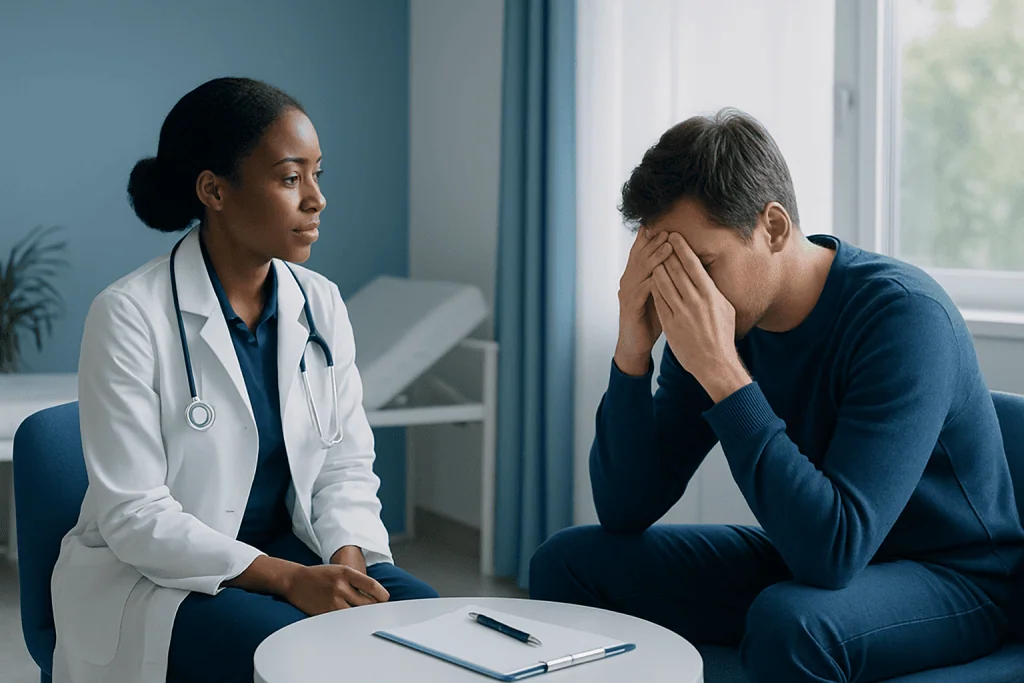
There is not always a single cause of acrophobia. In many cases, it develops through a combination of temperament, learned responses, and past experiences. A frightening event involving heights, seeing someone else panic, or repeated warnings delivered in a very fearful way can all shape how the brain responds to height-related situations.
Some people may be more prone to anxiety disorders in general due to family history, heightened sensitivity to physical sensations, or previous experiences with panic. If a person has had episodes of intense anxiety before, the body may quickly associate a place or sensation with danger. Over time, the person begins to expect fear whenever heights are involved.
Balance and visual processing can also play a role. At heights, the brain relies on information from the eyes, muscles, joints, and inner ear to maintain orientation. If this feels uncomfortable or disorienting, fear may intensify. In some cases, doctors may also consider whether symptoms relate to other concerns, including anxiety disorders or balance-related conditions, especially when the picture is not straightforward.
Risk factors can include a personal or family history of anxiety, previous traumatic experiences, chronic stress, and patterns of avoidance. Having a risk factor does not mean someone will definitely develop acrophobia, but it may increase susceptibility.
How doctors diagnose acrophobia
Diagnosis usually begins with a conversation about symptoms, triggers, and how fear affects daily activities. A doctor or mental health professional will ask when the symptoms started, which situations cause distress, how severe the reaction is, and whether avoidance has changed work, school, exercise, or travel plans. The goal is to understand both the emotional response and any physical symptoms.
Acrophobia is typically diagnosed when fear of heights is persistent, out of proportion to the actual danger, and significant enough to cause distress or impairment. The clinician may ask whether anxiety happens only at heights or in other situations too. This helps distinguish acrophobia from panic disorder, generalized anxiety, or other phobias.
Sometimes a medical evaluation is useful to rule out causes of dizziness, balance problems, palpitations, or fainting sensations. Depending on the person’s symptoms, this could include assessment by specialists in mental health, neurology, or ear and balance disorders. If concerns about brain function or another neurological cause need clarification, doctors may consider further evaluation and, when appropriate, neurology care or brain MRI as part of a broader workup.
A diagnosis is not a label to fear. It is a practical step that helps guide treatment and gives patients a clearer path toward symptom relief.
Treatment options and what recovery may involve
The main treatment for acrophobia is psychotherapy, especially cognitive behavioral therapy with gradual exposure. In this approach, the patient learns to identify fear patterns, challenge catastrophic thoughts, and face height-related situations step by step in a controlled way. Exposure is planned carefully, beginning with less distressing situations and building gradually as confidence improves.
Exposure may involve imagining height situations, viewing pictures or videos, practicing on stairs or balconies, or using virtual reality when available. The aim is not to force distress, but to help the brain relearn that anxiety can rise and then settle without danger. Over time, many patients find that symptoms become less intense and avoidance decreases.
Some people also benefit from relaxation techniques, breathing exercises, and strategies to reduce physical tension. When symptoms are part of broader emotional difficulties, a clinician may recommend psychiatric evaluation and treatment or therapy that addresses coexisting concerns such as panic, depression, or persistent stress.
Medication is not always necessary, but in selected cases a doctor may discuss it as part of treatment. Medicines may be considered when anxiety is severe, when symptoms occur alongside other mental health conditions, or for occasional high-stress situations. The best plan depends on the individual, and patients should always use medications under medical guidance rather than self-medicating.
Self-care, coping strategies, and prevention of worsening
There is no guaranteed way to prevent acrophobia, but early support can reduce the chance that fear becomes more entrenched. Avoidance often gives short-term relief while strengthening the long-term pattern of anxiety. Gentle, planned practice with support is usually more helpful than either forcing exposure too quickly or avoiding every trigger completely.
Helpful self-care measures may include:
- Learning about the body’s anxiety response to reduce fear of symptoms
- Practicing slow breathing and grounding exercises before and during exposure tasks
- Improving sleep, regular physical activity, and stress management
- Keeping a record of triggers, thoughts, and progress over time
- Working with a therapist on a step-by-step exposure plan
Family members can help by being calm, supportive, and nonjudgmental. It is usually more effective to encourage treatment and small achievable goals than to pressure a person into feared situations. Compassion and consistency often make recovery easier.
For patients seeking coordinated care, Acibadem International’s multidisciplinary specialists in JCI-accredited hospitals evaluate and treat anxiety-related conditions for international patients, tailoring support to the person’s symptoms and overall health needs.
When to seek medical care
Medical care is worth seeking when fear of heights begins to limit everyday life. Examples include avoiding work responsibilities, refusing travel, skipping social activities, being unable to use stairs or upper floors, or experiencing panic that feels unmanageable. Help is also important if the person starts organizing large parts of life around avoiding triggers.
An assessment is especially helpful when symptoms include dizziness, fainting, chest discomfort, or balance problems that are not limited to height situations. These symptoms may still be related to anxiety, but they can also overlap with other medical conditions that should be evaluated appropriately.
Urgent medical attention is needed for severe chest pain, loss of consciousness, new neurological symptoms, or sudden shortness of breath, because these are not typical signs of a simple phobia and require prompt assessment. In most cases, however, patients can begin by speaking with a primary care doctor, psychologist, or psychiatrist for guidance and referral.
Reaching out early can make treatment simpler. Even long-standing acrophobia can improve, and many people regain confidence with structured care and patience.
Frequently asked questions
Is acrophobia the same as a normal fear of heights?
No. Many people feel cautious in high places, and that can be a normal safety response. Acrophobia is more intense, persistent, and disruptive, often leading to panic or avoidance that affects daily life.
Can acrophobia cause dizziness?
Yes. Anxiety related to heights can cause dizziness, lightheadedness, or a sense of imbalance. However, dizziness can also have other causes, so a doctor may evaluate symptoms if they happen outside height-related situations or seem unusual.
What is the best treatment for acrophobia?
Psychotherapy, especially cognitive behavioral therapy with gradual exposure, is often the most effective treatment. It helps patients change fear patterns and build tolerance to height-related situations in a structured, safe way.
Can acrophobia go away on its own?
Some people notice improvement over time, but persistent avoidance can make the phobia more established. Treatment usually offers a more reliable path to improvement and can help reduce distress more quickly.
Are medications used for acrophobia?
Sometimes. Medication may be considered when symptoms are severe, occur with other anxiety conditions, or create major impairment. A doctor can explain whether medicine is appropriate and how it fits into a broader treatment plan.
How long does treatment take?
The timeline varies from person to person. Some patients improve within weeks to months of regular therapy, while others benefit from a longer course depending on symptom severity, avoidance patterns, and other mental health needs.
This article is for general information only and is not a substitute for professional medical advice. Please consult a qualified doctor about your individual situation.
Explore treatments in Turkey — costs, top hospitals & a free quote
JCI-accredited · board-certified surgeons · reply within 24h
Add us as a Preferred Source to see more of our trusted health content across Google Search, AI Overviews and Discover.

More from the Health Library

Compound Exercises: An Evidence-Based Guide for Patients

Trexall: An Evidence-Based Guide for Patients
Ginger Root Tea for Migraines: Benefits and Limits

Pumpkin Seed Oil: An Evidence-Based Guide for Patients

Talus: An Evidence-Based Guide for Patients