Adenocarcinoma Chemotherapy Treatment: How It Works, Results and What to Expect

Chemotherapy may be used before surgery, after surgery, with radiation therapy, or as treatment for advanced adenocarcinoma. Adenocarcinoma is a cancer that begins in gland-forming cells and can arise in organs such as the lung, colon, pancreas, stomach, breast, prostate, or uterus.
Key Takeaways
- Chemotherapy may be used before surgery, after surgery, with radiation therapy, or as treatment for advanced adenocarcinoma.
- Adenocarcinoma is a cancer that begins in gland-forming cells and can arise in organs such as the lung, colon, pancreas, stomach, breast, prostate, or uterus.
- Treatment is given in planned cycles, allowing time between doses for healthy tissues to recover.
- Side effects vary by medicine and person, but many can be prevented, monitored, or treated by the oncology team.
- Tumor biomarker testing may identify whether targeted therapy or immunotherapy is more suitable alone or alongside chemotherapy.
Adenocarcinoma chemotherapy treatment uses anti-cancer medicines that circulate through the body to destroy cancer cells, slow their growth, or reduce the chance of recurrence. The treatment plan depends on where the adenocarcinoma started, its stage, tumor test results, overall health, and treatment goals.
Overview: What Is Adenocarcinoma Chemotherapy Treatment?
Adenocarcinoma chemotherapy treatment uses medicines that travel through the bloodstream to damage or kill rapidly dividing cancer cells. It may be used to cure cancer when combined with other treatments, lower the risk of cancer returning after surgery, shrink a tumor before an operation, relieve symptoms, or slow the growth of cancer that has spread.
Adenocarcinoma is a type of cancer that begins in cells that make or release substances such as mucus or digestive fluids. It is not one single disease. For example, adenocarcinoma can develop in the lung, bowel, pancreas, stomach, breast, prostate, uterus, or other organs. The original site, stage, and biological features of the tumor guide chemotherapy decisions.
Modern cancer care is individualized. Some people receive chemotherapy alone, while others receive it with surgery, radiation therapy, targeted medicines, immunotherapy, hormone therapy, or a combination of these approaches. The oncology team reviews the expected benefits and possible effects before treatment begins.
How Chemotherapy Works and When It Is Used
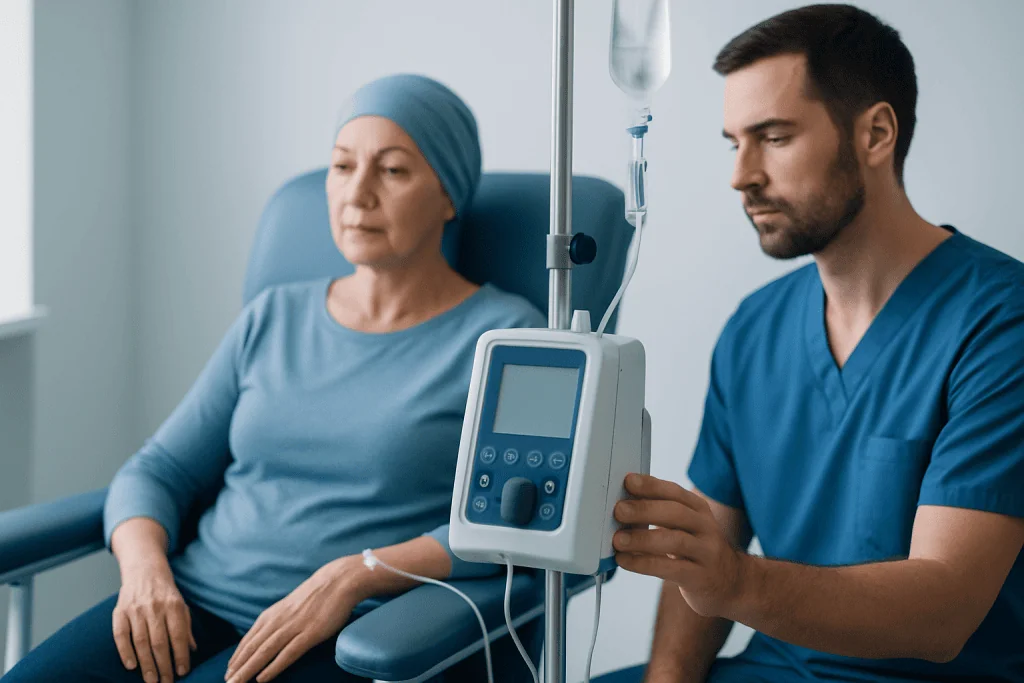
Chemotherapy medicines interfere with cell growth and division. Because cancer cells often divide more quickly than many healthy cells, they can be particularly affected. However, some healthy tissues also divide quickly, including cells in the bone marrow, hair follicles, and digestive tract. This explains why chemotherapy can cause temporary effects such as low blood counts, hair thinning or loss, nausea, or bowel changes.
Chemotherapy may be described by its timing and purpose. Neoadjuvant chemotherapy is given before surgery or radiation to reduce a tumor or treat microscopic cancer cells outside the main tumor. Adjuvant chemotherapy is given after surgery to lower the likelihood of recurrence. For metastatic or recurrent cancer, chemotherapy can control disease, relieve symptoms, and help maintain quality of life.
The medicine or combination selected varies substantially between cancer types. For example, treatment for lung adenocarcinoma may differ from treatment for colorectal, pancreatic, gastric, or uterine adenocarcinoma. In some cases, molecular testing changes the treatment plan by identifying a targeted drug or immunotherapy option that may be appropriate.
For this reason, chemotherapy is usually planned after a complete review of pathology findings, imaging, stage, prior treatment, medical history, and the person’s preferences and goals.
Who May Be a Candidate?

A person may be considered for chemotherapy when their cancer type and stage are known and there is a clear expected benefit from systemic treatment. Chemotherapy is often considered for cancers with a higher risk of spread or recurrence, tumors that cannot be fully removed with surgery, or cancer that has spread to other parts of the body.
Before recommending treatment, the cancer team assesses overall fitness, daily functioning, heart, kidney, liver, and bone marrow function, nutritional status, other medical conditions, and current medicines. This assessment helps clinicians choose appropriate medicines and reduce avoidable risks.
Pathology and biomarker tests are increasingly important. These may include tests for genetic changes in tumor cells, protein expression, or markers that suggest a cancer could respond to targeted treatment or immunotherapy. Chemotherapy remains an important option for many people, but it is not automatically the best or only systemic treatment for every adenocarcinoma.
A multidisciplinary discussion may involve medical oncologists, surgeons, radiation oncologists, pathologists, radiologists, specialist nurses, dietitians, and supportive-care teams. This helps align treatment with both clinical evidence and the individual’s priorities.
What Happens During Chemotherapy Treatment?
Before the first cycle, the oncology team explains the recommended medicines, schedule, likely benefits, common side effects, and warning symptoms. Baseline blood tests are usually performed, and some people may need additional tests such as heart assessment, scans, or infection screening. A central venous access device may be considered if treatment requires frequent intravenous infusions or medicines that can irritate smaller veins.
Many chemotherapy medicines are given intravenously in an outpatient infusion unit, while others are taken by mouth at home. During an infusion, nurses check vital signs and monitor for reactions. The first visit can take longer because education, pre-treatment medicines, and observation may be needed.
Treatment is delivered in cycles. A cycle includes one or more treatment days followed by a rest period. Rest periods are an intentional part of care, allowing the body time to recover. The exact number and length of cycles depend on the diagnosis, medicines used, treatment response, and tolerance.
Before each cycle, blood tests and symptom reviews help the team decide whether treatment can proceed as planned. If needed, chemotherapy may be delayed, adjusted, or changed. These decisions are common and are made to protect safety while maintaining effective cancer control.
Expected Results, Benefits, and Recovery Timeline
The results of adenocarcinoma chemotherapy treatment depend on the cancer’s site, stage, tumor biology, and treatment setting. When chemotherapy is given before or after surgery, its benefit may be reducing the risk of recurrence or making local treatment more effective. In advanced cancer, the aim may be to shrink or stabilize tumors, reduce symptoms, and prolong disease control.
Response is assessed over time rather than after a single infusion. The team may use symptom changes, physical examination, blood tests, tumor markers when appropriate, and imaging studies. A scan may show that tumors have reduced in size, remained stable, or changed in a way that indicates the plan should be reconsidered.
Recovery is individual. Some effects, such as tiredness or mild nausea, may occur in the days after treatment and improve before the next cycle. Blood counts can fall at predictable times depending on the medicines used. Hair changes, numbness or tingling in the hands and feet, and fatigue may take longer to improve after treatment finishes.
Regular activity within a person’s ability, adequate rest, hydration, and nutrition can support recovery. The team can also arrange supportive care for fatigue, pain, appetite changes, emotional wellbeing, fertility concerns, and rehabilitation needs.
Side Effects and Safety During Treatment
Not everyone experiences the same side effects, and their severity varies. Common effects may include fatigue, nausea, vomiting, appetite changes, mouth soreness, diarrhea or constipation, hair loss or thinning, skin or nail changes, and changes in taste. Certain medicines can also cause nerve symptoms, hearing changes, kidney effects, heart effects, or hand-foot skin reactions.
One important potential effect is a reduced number of infection-fighting white blood cells. The oncology team will explain whether and when blood counts are likely to be low. Preventive medicines, anti-nausea treatments, blood tests, and treatment adjustments are used when appropriate to make chemotherapy safer and more manageable.
People should contact their cancer team promptly for a fever, chills, new shortness of breath, chest pain, uncontrolled vomiting or diarrhea, bleeding, confusion, severe weakness, a painful or swollen infusion site, or any symptom that feels sudden or serious. A fever during chemotherapy may indicate an infection and should be assessed urgently according to the team’s instructions.
It is important not to start vitamins, herbal products, over-the-counter medicines, or complementary therapies without checking with the oncology team. Some products can interact with treatment or affect bleeding, liver function, or the way chemotherapy is processed.
Preparation, Self-Care, and When to Seek Medical Care
Preparing for chemotherapy can make treatment days easier. Patients may find it helpful to bring a list of medicines, arrange transport if fatigue is expected, wear comfortable clothing, and pack water, light snacks if permitted, and something to read or listen to. The care team can provide practical guidance tailored to the treatment regimen.
At home, a balanced diet, regular fluids, gentle movement when possible, hand hygiene, and adequate sleep can support general wellbeing. Food safety may be especially important if white blood cell counts are low. Patients should ask their team for individual guidance because dietary advice can differ depending on symptoms, weight changes, and treatment type.
Medical care should be sought urgently for a fever or chills, trouble breathing, chest pain, uncontrolled pain, significant bleeding, severe dehydration, persistent vomiting, severe diarrhea, or confusion. Patients should use the emergency contact process provided by their oncology team and should not wait for the next scheduled appointment if they are concerned.
Acibadem International’s multidisciplinary specialists and JCI-accredited hospitals support international patients undergoing cancer assessment and treatment planning, including chemotherapy and supportive care. A qualified oncology team can explain whether chemotherapy is suitable and what monitoring is needed for the individual situation.
Frequently asked questions
Is chemotherapy always needed for adenocarcinoma?
No. The need for chemotherapy depends on the organ where the cancer began, its stage, pathology findings, biomarker results, and whether surgery or other treatments are planned. Some early cancers may be treated primarily with surgery, while others may benefit more from targeted therapy, immunotherapy, radiation therapy, or observation.
How long does adenocarcinoma chemotherapy treatment last?
Treatment duration varies widely. It may involve several cycles over a number of months, but the schedule depends on the cancer type, treatment goal, medicines used, and how well the person tolerates therapy. The oncology team reviews the plan regularly and may adjust it based on results and side effects.
Can chemotherapy cure adenocarcinoma?
In some situations, chemotherapy contributes to curative treatment, especially when used with surgery and/or radiation therapy for cancer that has not spread widely. In advanced adenocarcinoma, chemotherapy may more commonly be used to control cancer, reduce symptoms, and extend the period of disease control. The expected goal should be discussed clearly with the oncology team.
Will chemotherapy cause hair loss?
Some chemotherapy medicines cause hair thinning or hair loss, while others do not. The likelihood depends on the specific regimen and dose. If hair loss is expected, the team can discuss practical preparation and support options before treatment starts.
How are chemotherapy side effects managed?
Many side effects can be prevented or reduced with supportive medicines, nutrition advice, hydration, activity adjustments, and close monitoring. Blood tests before treatment help identify changes such as low blood counts. Patients should report symptoms early so the team can offer timely treatment or adjust the plan if necessary.
Can a person work or travel during chemotherapy?
Some people continue working or traveling during treatment, but this depends on the regimen, side effects, infection risk, and the need for regular appointments and blood tests. Flexible plans are often helpful because energy levels can vary between cycles. Travel should be discussed with the oncology team in advance, particularly if it involves long distances or limited access to medical care.
References
- National Cancer Institute
- American Cancer Society
- European Society for Medical Oncology
- World Health Organization
- National Comprehensive Cancer Network
This article is for general information only and is not a substitute for professional medical advice. Please consult a qualified doctor about your individual situation.
Chemotherapy in Turkey — costs, top hospitals & a free quote
JCI-accredited · board-certified surgeons · reply within 24h
Add us as a Preferred Source to see more of our trusted health content across Google Search, AI Overviews and Discover.

Medical Oncology Department
Medical treatment of cancer with chemotherapy, immunotherapy and targeted therapies under a multidisciplinary tumor board.
60 specialists in this unitMore from the Health Library



Related Specialists

Prof. Dr. Atakan Yeşil
Internal Medicine
Prof. Dr. Ahmet Alanay
Orthopedic Surgery & Traumatology
Dr. Pelin Açık
Oral & Dental Health
Prof. Dr. Güler Berkiten
Otorhinolaryngology