Adenoidectomy: Candidacy, Procedure Steps, and Recovery Timeline

Adenoidectomy removes the adenoids, lymph tissue located behind the nose. It is often recommended for persistent nasal blockage, mouth breathing, snoring, sleep-disordered breathing, or recurrent ear and sinus problems.
Key Takeaways
- Adenoidectomy removes the adenoids, lymph tissue located behind the nose.
- It is often recommended for persistent nasal blockage, mouth breathing, snoring, sleep-disordered breathing, or recurrent ear and sinus problems.
- The procedure is usually performed under general anesthesia and does not require external incisions.
- Recovery is commonly straightforward, with many patients improving over 1 to 2 weeks.
- Benefits can include easier breathing, better sleep, and fewer related ear or sinus infections.
- A doctor should assess ongoing symptoms to confirm whether enlarged adenoids are the main cause.
Adenoidectomy is a common operation that removes enlarged or chronically infected adenoids when they cause ongoing breathing, sleep, ear, or sinus problems. Most patients recover well, and the procedure is usually considered after symptoms persist despite appropriate medical treatment or when the blockage is significantly affecting daily life.
Overview: What adenoidectomy is and why it is done
Adenoidectomy is an operation to remove the adenoids, which are small pads of immune tissue located high in the throat behind the nose. The adenoids help the body recognize germs early in life, but in some children they become enlarged or repeatedly inflamed and start causing more problems than benefits.
The goal of adenoidectomy is to improve symptoms caused by blocked airflow or chronic irritation in the area behind the nose. It is most often performed in children, although it may occasionally be considered in adults in selected situations. The procedure can help reduce nasal obstruction, mouth breathing, snoring, disturbed sleep, recurrent middle ear problems, and some ongoing sinus symptoms.
Adenoidectomy is different from tonsil surgery, although the two may be done together when clinically appropriate. In some children, removing the adenoids alone is enough to improve breathing or reduce ear disease. In others, the care team may also evaluate related conditions such as tonsil inflammation or persistent sleep-disordered breathing.
Who may be a candidate for adenoidectomy
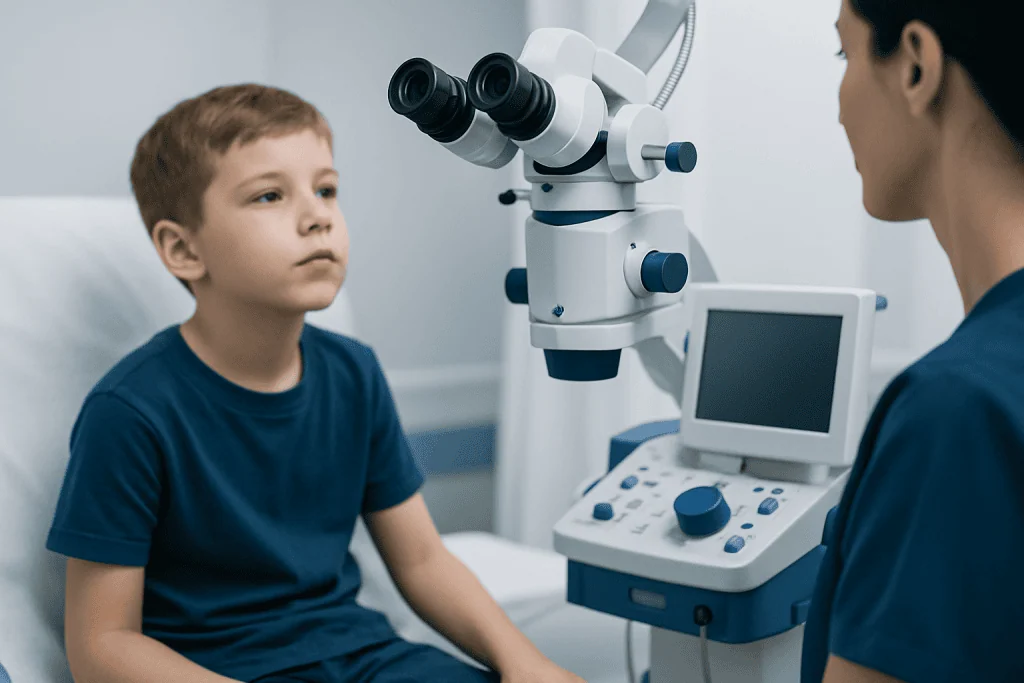
A doctor may consider adenoidectomy when enlarged or chronically infected adenoids are clearly linked to persistent symptoms. Typical reasons include ongoing nasal blockage, chronic mouth breathing, loud snoring, poor-quality sleep, pauses in breathing during sleep, recurrent ear infections, persistent fluid behind the eardrum, or repeated sinus infections that do not improve as expected with medical treatment.
Candidacy is based on the whole clinical picture rather than a single symptom. The doctor will consider the patient’s age, symptom pattern, severity, effects on sleep and daytime function, prior infections, response to medicines, and whether other structures such as the tonsils are also enlarged. In many children, the decision is made because sleep quality, school performance, speech resonance, feeding, or facial growth may be affected by long-term nasal obstruction.
Not everyone with snoring or a stuffy nose needs surgery. Symptoms can also come from allergies, viral infections, a deviated septum, enlarged tonsils, or other nasal conditions. This is why a careful ENT assessment is important before treatment is planned. When surgery is needed, the most relevant next step is often evaluation for adenoidectomy by an ear, nose, and throat specialist.
How doctors evaluate enlarged adenoids

Diagnosis usually begins with a medical history and physical examination. The doctor will ask about breathing through the nose, mouth breathing, snoring, restless sleep, witnessed pauses in breathing, recurrent colds, hearing concerns, frequent ear infections, or chronic nasal discharge. In children, parents may be asked about daytime tiredness, irritability, or changes in concentration.
Because the adenoids are located behind the nose, they cannot be seen directly during a standard mouth examination. An ENT specialist may use a small flexible camera through the nose, called nasal endoscopy, to look at the adenoid tissue and the surrounding airway. In some cases, imaging or hearing tests may be useful, especially if there are frequent ear problems or concern about related complications.
The evaluation also helps determine whether adenoidectomy should be done alone or combined with another procedure. For example, if enlarged tonsils are a major contributor to obstructed sleep, the team may discuss tonsil and adenoid surgery instead. If repeated ear infections or persistent middle ear fluid are part of the problem, clinicians may also consider whether ear tube insertion would help alongside adenoid removal.
Procedure steps: how adenoidectomy is performed
Adenoidectomy is usually done in the hospital or a surgical center under general anesthesia, so the patient is asleep and does not feel pain during the operation. Before surgery, the anesthesia and surgical teams review the patient’s health history, any recent illness, current medications, and fasting instructions. If a child has a cold, fever, or worsening cough close to the procedure date, the team may decide whether it is safer to postpone surgery.
During the operation, the surgeon reaches the adenoids through the mouth, so there are no external cuts on the face or neck. The mouth is gently held open, and the soft palate area is used to access the space behind the nose. The enlarged adenoid tissue is then removed using surgical instruments, suction cautery, or other standard techniques. The exact method varies, but the aim is the same: clear the obstruction while controlling bleeding carefully.
Once the adenoid tissue has been removed, the surgeon checks the area for bleeding and ensures the airway is stable. The operation itself is often relatively short, though total time at the facility is longer because of preparation and recovery from anesthesia. Most patients go home the same day after monitoring, drinking fluids, and meeting discharge criteria.
Families are given instructions about pain control, hydration, diet, activity, and warning signs to watch for at home. Follow-up plans depend on the reason for surgery and whether adenoidectomy was performed alone or with another ENT procedure.
Benefits, possible risks, and expected results
The main benefits of adenoidectomy are improved airflow through the nose and reduced symptoms caused by enlarged or infected adenoids. Many patients breathe more comfortably, sleep more quietly, and have less mouth breathing after recovery. Some also experience fewer ear infections, less persistent middle ear fluid, improved hearing, or fewer repeated sinus symptoms.
As with any surgery, adenoidectomy has risks, though serious complications are uncommon. Potential risks include bleeding, infection, reactions related to anesthesia, temporary throat pain, bad breath during healing, nausea, dehydration, or ongoing symptoms if there is another cause of obstruction. Rarely, some children may have temporary changes in speech quality, especially if there are underlying palate differences that affect how air moves during speech.
Results depend on choosing the right patients for surgery. Adenoidectomy works best when the adenoids are truly the main source of the problem. If symptoms are also related to allergies, asthma, obesity, nasal structural differences, or enlarged tonsils, additional treatment may still be needed. This is why careful diagnosis and follow-up matter as much as the operation itself.
Recovery timeline and self-care after surgery
Recovery after adenoidectomy is usually smooth, but it still helps to know what to expect. On the first day, mild throat discomfort, nasal stuffiness, mouth odor, tiredness, or a temporary change in voice may occur. Some children are sleepy, irritable, or less interested in food for the first 24 hours because of anesthesia and throat discomfort.
During the first few days, hydration is one of the most important parts of care. Cool liquids and soft foods are often easiest. Pain is usually milder than after tonsil surgery, but the doctor may recommend appropriate pain relief. A low-grade fever, mild congestion, or noisy breathing from swelling can happen early on, but these usually improve as healing progresses.
Many children return to quieter normal activities within a few days, although full recovery commonly takes about 1 to 2 weeks. If adenoidectomy is combined with another procedure, recovery may take longer. Strenuous activity is generally limited for several days or according to the surgeon’s instructions. Follow-up may be advised to confirm improvement in breathing, sleep, or ear-related symptoms.
- Day 1-2: rest, fluids, mild discomfort, temporary congestion or bad breath
- Day 3-7: gradual improvement in energy, eating, and sleep quality
- Week 1-2: most routine activities resume, depending on medical advice
- After healing: breathing and sleep symptoms are reassessed over time
When to seek medical care
Medical evaluation is important before surgery if a child has frequent snoring, persistent mouth breathing, repeated ear infections, chronic nasal blockage, or sleep that seems restless or interrupted. These symptoms do not always mean the adenoids are the cause, so an ENT assessment can help identify the right treatment.
After adenoidectomy, families should contact a doctor promptly if there is significant bleeding from the nose or mouth, trouble breathing, poor fluid intake, signs of dehydration, severe or worsening pain, persistent vomiting, or a fever that does not settle as expected. It is also wise to seek review if the original symptoms continue after recovery or return later.
For international patients who need specialist assessment, Acibadem International’s multidisciplinary ENT teams in JCI-accredited hospitals diagnose and treat adenoid-related conditions, including surgical care when appropriate.
Frequently asked questions
What is the purpose of an adenoidectomy?
The purpose of an adenoidectomy is to remove enlarged or chronically infected adenoids that are interfering with breathing, sleep, or ear and sinus health. It is usually recommended when symptoms are ongoing and medical treatment has not been enough.
How long does adenoidectomy recovery take?
Recovery is often quicker than many other throat surgeries. Many patients feel noticeably better within several days, while full recovery commonly takes about 1 to 2 weeks depending on age, overall health, and whether another procedure was done at the same time.
Is adenoidectomy painful?
Adenoidectomy usually causes mild to moderate discomfort rather than severe pain. Throat soreness, nasal congestion, bad breath, and tiredness are common for a short time, and doctors typically recommend simple pain-control measures and good hydration.
Can adenoids grow back after surgery?
A small amount of adenoid tissue can sometimes remain and may enlarge again, especially in younger children. However, this is not common, and many patients have lasting symptom improvement after surgery.
Will adenoidectomy help snoring and sleep problems?
It can help when enlarged adenoids are a major cause of nasal blockage or sleep-disordered breathing. If snoring or poor sleep is caused by other factors, such as enlarged tonsils, allergies, or obesity, additional evaluation or treatment may still be needed.
Is adenoidectomy only for children?
Adenoidectomy is most commonly performed in children because adenoid enlargement is much more common in early life. Adults may rarely need it in selected cases, but the causes of nasal blockage in adults are often different and need careful assessment.
References
- American Academy of Otolaryngology-Head and Neck Surgery
- American Academy of Pediatrics
- National Institute on Deafness and Other Communication Disorders
- MedlinePlus
- NHS
This article is for general information only and is not a substitute for professional medical advice. Please consult a qualified doctor about your individual situation.
Explore treatments in Turkey — costs, top hospitals & a free quote
JCI-accredited · board-certified surgeons · reply within 24h
Add us as a Preferred Source to see more of our trusted health content across Google Search, AI Overviews and Discover.