After Treatment Cancer: How It Works, Results and What to Expect

Follow-up care after cancer treatment is individualized according to the cancer type, stage, treatments received and overall health. Not all new symptoms mean cancer has returned, but persistent or concerning changes should be discussed with the oncology team.
Key Takeaways
- Follow-up care after cancer treatment is individualized according to the cancer type, stage, treatments received and overall health.
- Not all new symptoms mean cancer has returned, but persistent or concerning changes should be discussed with the oncology team.
- Recovery may involve managing fatigue, pain, nutritional concerns, emotional distress and late effects of treatment.
- Chemotherapy outcomes vary widely and depend on the cancer type, stage, biology and treatment goal.
- Healthy routines, recommended screening and regular medical follow-up can support long-term wellbeing after cancer treatment.
After treatment cancer care focuses on helping a person recover from surgery, chemotherapy, radiation therapy or other treatments while monitoring for possible recurrence and managing lasting effects. A personalized follow-up plan helps patients understand what to expect, which symptoms to report and how to support physical and emotional wellbeing.
After Treatment Cancer: What Happens Next?
After treatment cancer care is the period of medical follow-up, recovery and longer-term support that begins when active treatment such as surgery, chemotherapy, radiation therapy, immunotherapy or targeted therapy ends. It is not a single event or procedure. Instead, it is an individualized plan that helps clinicians assess recovery, identify treatment side effects, watch for signs of recurrence and address a person’s physical and emotional needs.
Some people complete treatment and have no evidence of cancer on tests or examination. Others may continue treatment to control cancer, reduce the risk of recurrence or manage a long-term cancer condition. Terms such as remission, no evidence of disease, stable disease and survivorship have distinct meanings, so patients should ask their oncology team what these terms mean in their own situation.
Follow-up schedules differ considerably. They are based on the original cancer, its stage and features, the treatments used, the risk of recurrence and a patient’s general health. A survivorship care plan may summarize the diagnosis and treatments, list possible late effects, outline future tests and identify which clinicians should provide ongoing care.
How Follow-Up Care Works
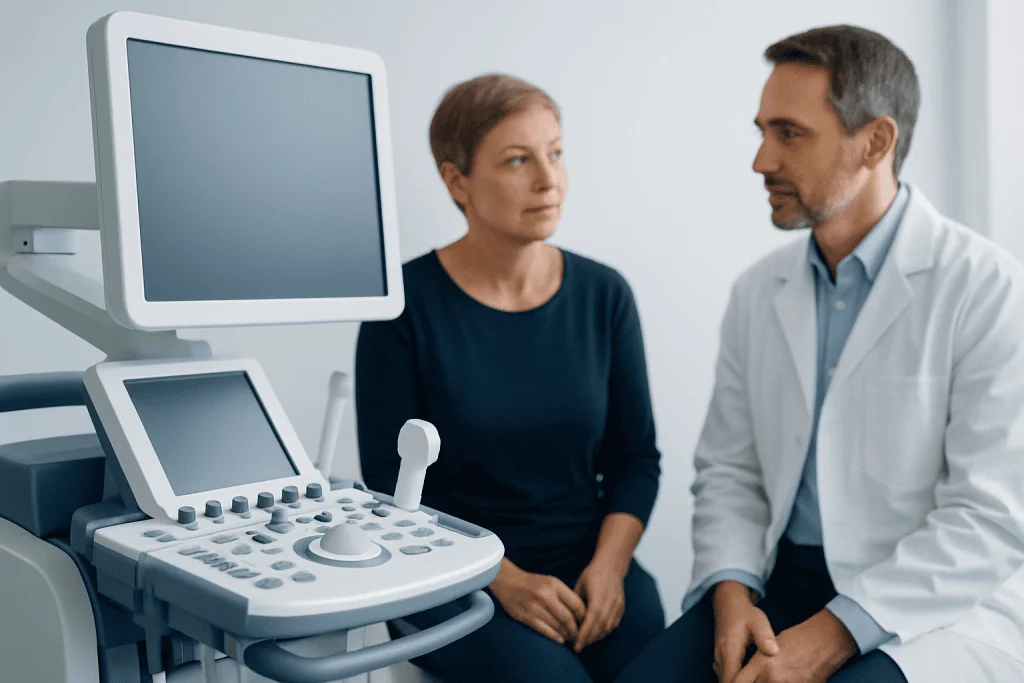
Follow-up care usually combines regular appointments with an oncologist, surgeon, radiation oncologist, primary care physician or other specialists. During visits, the clinician asks about symptoms, reviews medicines, performs a focused examination and discusses daily functioning, mood and quality of life. The frequency of appointments often decreases over time if recovery is stable, although this varies by cancer type.
Testing is selected for a clinical reason rather than performed identically for every survivor. It may include blood tests, imaging, endoscopy, tumor-marker testing or screening for a new cancer where appropriate. Routine scans are not always useful after every cancer treatment; unnecessary testing can sometimes find harmless changes that lead to further worry or procedures. The oncology team can explain which tests are recommended and why.
Follow-up also addresses the effects of treatment. Depending on previous therapy, this can include heart health monitoring, bone health, fertility and sexual health support, rehabilitation, nutrition advice, vaccination review and screening for second cancers. People who have received chemotherapy may need assessment for effects such as persistent numbness or tingling, fatigue, cognitive changes, anemia or infection risk, depending on the medicines used.
Who Needs Ongoing Cancer Follow-Up?
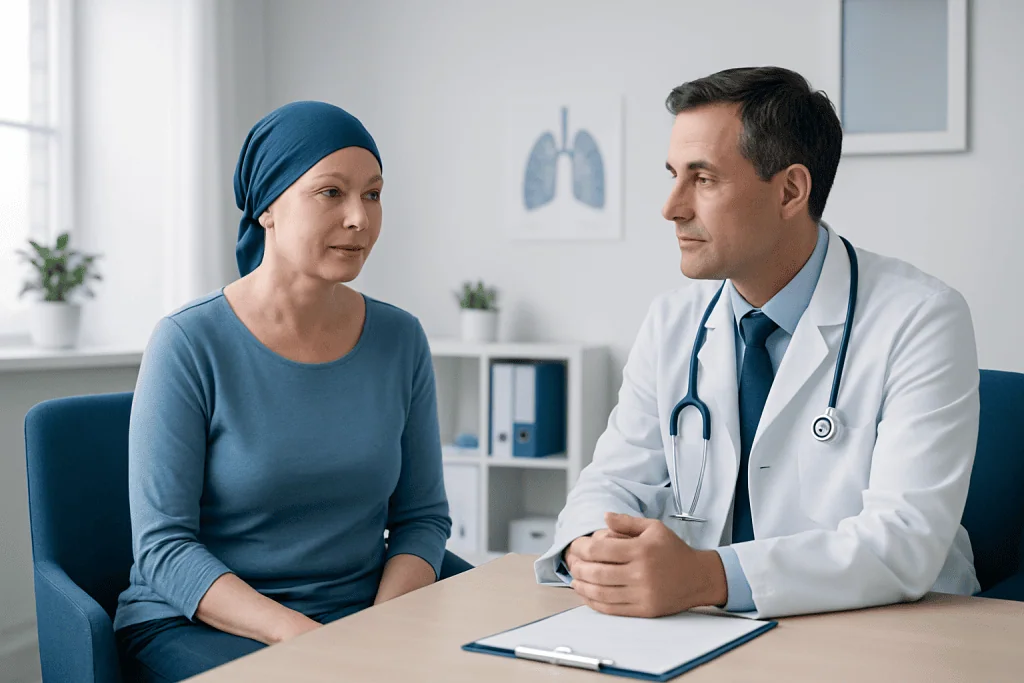
Anyone who has been diagnosed with cancer benefits from a clear plan for care after treatment, including people treated with curative intent and those receiving ongoing treatment for advanced cancer. Follow-up is particularly important after intensive therapy, treatment involving multiple specialties, childhood or young-adult cancer, or treatment that may affect organs such as the heart, lungs, kidneys, nerves or hormone-producing glands.
A person’s follow-up needs may change over time. For example, someone recovering from surgery may initially need wound checks, pain support and physical rehabilitation. Later, the focus may shift toward surveillance testing, management of long-term effects and age-appropriate preventive care. Patients should keep a record of their cancer diagnosis, pathology results, surgeries, treatment dates and medicines where possible.
Family history and inherited cancer risk can also influence care. In selected situations, clinicians may recommend genetic counseling or testing, additional screening or preventive measures for the patient and relatives. These recommendations should be based on a detailed personal and family history rather than on cancer diagnosis alone.
What to Expect: Recovery Timeline and Support
Recovery after cancer treatment has no universal timeline. Some effects improve within days or weeks, while others take months or longer. The pace can be influenced by the treatment type and intensity, other health conditions, nutrition, sleep, activity level, age and the emotional impact of diagnosis and treatment. It is common for recovery to be uneven, with better and more difficult days.
Shorter-term concerns can include tiredness, appetite or taste changes, nausea, sleep disturbance, altered bowel or bladder habits, pain, skin changes and reduced strength. Some people experience persistent fatigue even after completing treatment. Gradually returning to activity, with medical guidance, can help rebuild endurance and confidence. Physical therapy, occupational therapy or cancer rehabilitation may be useful when mobility, balance, daily tasks or work activities are affected.
Emotional recovery matters as much as physical healing. Fear of recurrence, sadness, anxiety, changes in body image and difficulty adjusting to life after frequent medical care are common experiences. Support may come from loved ones, counseling, support groups, psycho-oncology services, spiritual care or a mental health professional. Asking for help is a practical part of recovery, not a sign of weakness.
- Keep scheduled follow-up appointments and bring a list of questions or symptoms.
- Take medicines as prescribed and discuss supplements before using them.
- Ask about safe activity, nutrition, sleep and rehabilitation goals.
- Report side effects that persist, worsen or interfere with daily life.
Benefits, Limits and Possible Risks of Follow-Up
The central benefit of structured follow-up is continuity. It can support early recognition of recurrence or treatment complications, help manage ongoing symptoms and ensure that general preventive care is not overlooked. It also gives patients an opportunity to discuss practical concerns, including return to work, relationships, fertility, financial stress and travel.
However, follow-up cannot eliminate all uncertainty. A normal test does not guarantee that cancer will never return, and an abnormal result does not necessarily mean cancer is present. Imaging and blood tests may identify changes that require repeat testing, biopsies or specialist review. The emotional strain of surveillance, sometimes called scan-related anxiety, is also real and can be discussed openly with the care team.
Possible late effects depend on the original treatment. Surgery can leave scarring, changes in function or lymphedema risk; radiation can affect tissues in the treated area; and systemic treatments can affect blood counts, nerves, hormones or organs. Clinicians balance the potential benefits of surveillance and intervention with possible harms, choosing care that is appropriate for each person.
What Is the Success Rate of Chemotherapy in Treating Cancer?
There is no single success rate for chemotherapy because cancer is not one disease. Results depend on the cancer type, stage, tumor biology, whether chemotherapy is given before or after another treatment, the medicines used and the treatment goal. In some cancers, chemotherapy can cure the disease; in others, it may reduce the risk of recurrence, shrink tumors before surgery, slow cancer growth or ease symptoms.
For early-stage cancers, chemotherapy may be part of treatment designed to cure cancer or lower the chance that it will return. For metastatic or stage 4 cancer, it may sometimes control cancer for meaningful periods, improve symptoms or extend life, but it is not always expected to cure the disease. Newer combinations with immunotherapy, targeted therapy or hormone therapy may be relevant for some tumor types.
The most useful question for an oncology team is not only whether chemotherapy “works,” but what the expected goal is in that individual case and how response will be measured. Doctors may use examination findings, symptoms, scans, blood tests and pathology information to assess response. They can also explain likely benefits and side effects in the context of available alternatives.
Why Does Cancer Come Back After Chemo?
Cancer can return after chemotherapy when some cancer cells survive treatment and later grow again. These cells may have been too small to detect at the time of treatment, may have biological features that make them less sensitive to a drug or may be located in areas where treatment is less effective. A recurrence is not evidence that a patient did anything wrong.
Recurrence may be local, meaning near the original cancer site; regional, involving nearby lymph nodes or tissues; or distant, meaning cancer has spread to another part of the body. The timing and pattern vary significantly by cancer type. Some recurrences happen relatively soon after treatment, while others occur years later.
If a recurrence is suspected, the medical team may order imaging, laboratory tests and sometimes a biopsy to confirm the diagnosis and identify tumor features. Treatment decisions can then include surgery, radiation therapy, systemic treatment, clinical trials, symptom-focused care or a combination. Personalized planning is important because treatment options may differ from those used originally.
Can You Beat Stage 4 Cancer?
Stage 4 cancer generally means that cancer has spread from its original site to distant parts of the body. In many cancers, it is considered advanced disease and is not usually curable with standard treatment. However, outcomes vary widely, and some stage 4 cancers can be controlled for long periods with modern therapies. A small number of people with certain cancer types or limited spread may achieve long-term remission.
The treatment goal may be to control cancer, prolong life, reduce symptoms and preserve quality of life. Options can include chemotherapy, immunotherapy, targeted therapy, hormone therapy, radiation therapy, surgery in selected circumstances and supportive or palliative care. Palliative care can be provided alongside active cancer treatment and focuses on symptoms, comfort and practical support.
It is reasonable to ask the oncology team about the specific cancer type, available treatments, expected benefits, possible side effects and whether a second opinion or clinical trial is appropriate. Prognosis should be discussed individually; broad survival figures cannot predict what will happen for one person.
What Are Some Tips for Recovering From Cancer?
Recovery is supported by small, sustainable habits rather than a single diet, supplement or activity. Patients should aim for regular meals with a variety of nutrient-rich foods, adequate fluids and enough protein when advised by their clinical team. A dietitian with oncology experience can help when there is weight loss, swallowing difficulty, bowel changes, diabetes, kidney disease or treatment-related dietary restrictions.
Physical activity should be tailored to current strength and symptoms. Even short, gentle walks or supervised movement can be a useful starting point for many people, while others may need formal rehabilitation. Rest is important, but prolonged inactivity can worsen deconditioning and fatigue. Patients should ask their clinician before starting strenuous exercise, particularly after surgery or if they have bone involvement, heart or lung problems, severe anemia or ongoing treatment effects.
Helpful recovery practices include avoiding tobacco, limiting alcohol where appropriate, protecting skin from excessive sun exposure, keeping recommended vaccinations up to date and attending routine health checks. Patients should avoid unproven “cancer cures” and discuss vitamins, herbal products and complementary therapies with their oncology team, as some can interact with treatment.
When to Seek Medical Care
Patients should contact their oncology team or usual doctor promptly for new, persistent or worsening symptoms, especially unexplained weight loss, a new lump, ongoing pain, unusual bleeding, persistent cough, breathlessness, severe headaches, yellowing of the skin or eyes, or notable changes in bowel or bladder habits. These symptoms often have causes unrelated to cancer, but they deserve medical assessment when they do not settle or are concerning.
Urgent medical care is needed for severe chest pain, sudden shortness of breath, coughing up blood, confusion, fainting, a seizure, uncontrolled bleeding, a high fever during or soon after treatment, or signs of a severe allergic reaction. People who have been told they are at risk of infection because of low blood counts should follow their treatment team’s specific fever instructions.
Acibadem International’s multidisciplinary specialists and JCI-accredited hospitals provide diagnosis, treatment and follow-up support for international patients with cancer. A patient’s own oncology team remains the best source of individualized advice about surveillance, recovery and new symptoms.
Frequently asked questions
What does after treatment cancer care include?
After treatment cancer care includes follow-up appointments, monitoring for recurrence, management of treatment side effects and support for physical and emotional recovery. It may also include rehabilitation, nutrition guidance, preventive care and screening tailored to the person’s history.
How often are follow-up appointments needed after cancer treatment?
The schedule depends on the cancer type, stage, treatments received and time since treatment ended. Visits are often more frequent in the first years and may become less frequent over time, but each person’s plan is different.
Does every symptom after cancer treatment mean recurrence?
No. Fatigue, pain, bowel changes, anxiety and other symptoms can result from treatment effects, other medical conditions or everyday causes. Still, persistent, new or worsening symptoms should be reported so they can be assessed appropriately.
Can cancer return even when scans are normal?
Yes, recurrence can sometimes develop after normal follow-up tests because very small numbers of cancer cells may not be detectable. Regular follow-up and symptom reporting help clinicians identify concerns as early as possible.
What should be included in a cancer survivorship care plan?
A survivorship care plan commonly lists the diagnosis, treatments received, possible late effects, recommended follow-up tests and contact information for the clinical team. It may also cover lifestyle guidance, preventive care and when to seek medical advice.
Is fatigue normal after chemotherapy or radiation therapy?
Fatigue is common during treatment and may continue for weeks, months or sometimes longer after it ends. A doctor can look for contributing causes such as anemia, thyroid problems, sleep disturbance, pain, depression, poor nutrition or medication effects.
References
- National Cancer Institute
- American Cancer Society
- European Society for Medical Oncology
- World Health Organization
- American Society of Clinical Oncology
This article is for general information only and is not a substitute for professional medical advice. Please consult a qualified doctor about your individual situation.
Oncology care in Turkey — second opinion and treatment plan
JCI-accredited · board-certified surgeons · reply within 24h
Add us as a Preferred Source to see more of our trusted health content across Google Search, AI Overviews and Discover.