Agnosia: An Evidence-Based Guide for Patients
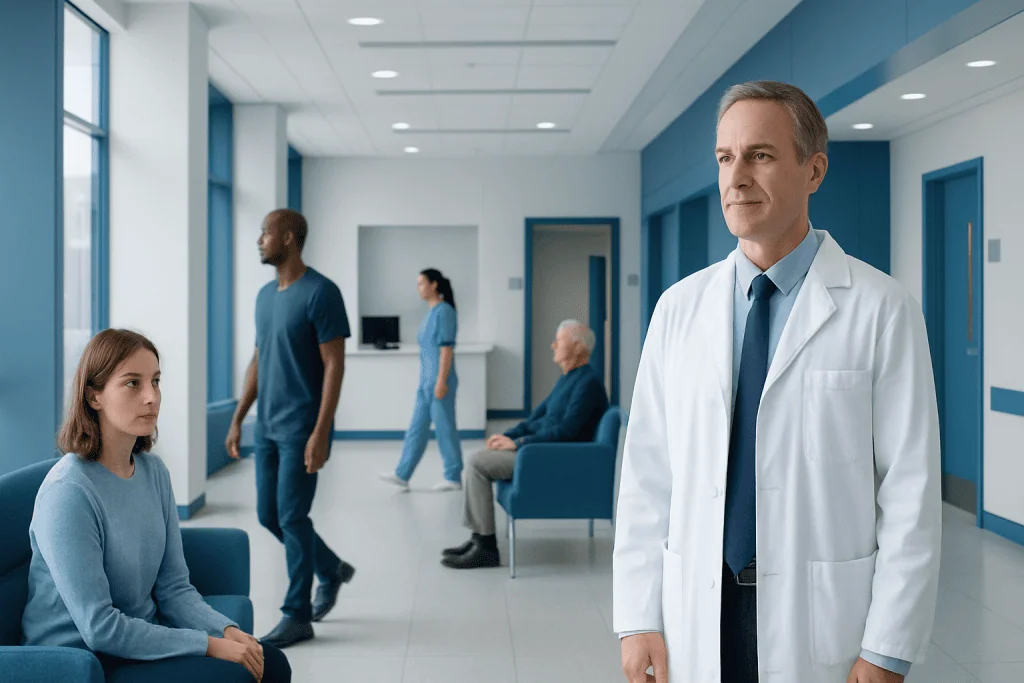
Agnosia affects recognition, not basic vision, hearing, or touch alone. It most often results from damage to specific brain areas, especially after stroke, injury, or neurodegenerative disease.
Key Takeaways
- Agnosia affects recognition, not basic vision, hearing, or touch alone.
- It most often results from damage to specific brain areas, especially after stroke, injury, or neurodegenerative disease.
- Symptoms depend on the type of agnosia and may involve objects, faces, sounds, words, or body awareness.
- Diagnosis usually includes neurological evaluation, cognitive testing, and brain imaging.
- Treatment focuses on the underlying cause, rehabilitation, and practical coping strategies.
- New or sudden recognition problems need prompt medical assessment.
Agnosia is a neurological condition in which a person has difficulty recognizing something familiar even though the senses themselves may still work normally. It usually happens after brain injury or disease and is treated by identifying the cause, supporting recovery, and using rehabilitation strategies to improve daily function.
What agnosia is
Agnosia is a disorder of recognition. A person with agnosia may be able to see, hear, or feel an object, but still cannot correctly identify what it is, what it means, or how it should be interpreted. This happens because the brain has trouble processing and connecting sensory information to memory, even when the eyes, ears, or skin are working relatively well.
For example, someone may look at a key and describe its shape and color but not recognize it as a key. Another person may hear a familiar voice or common sound and not identify it. In some forms of agnosia, a person may not recognize familiar faces, places, or even parts of their own body.
Agnosia is not the same as memory loss, poor eyesight, deafness, or confusion alone. It is also different from language disorders, although some symptoms can overlap. Because recognition depends on several brain networks working together, agnosia can appear in different ways depending on which area of the brain has been affected.
How agnosia may appear in daily life
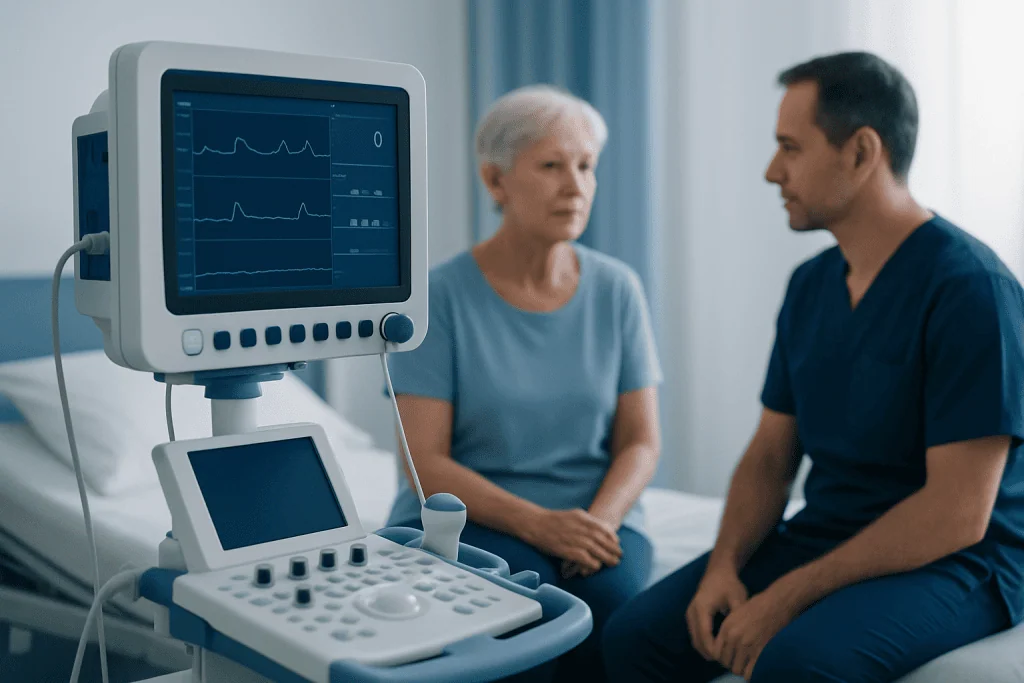
The symptoms of agnosia vary widely. Some people struggle only with one category of recognition, while others have several difficulties at the same time. Symptoms may be subtle at first, especially if the person uses context clues to compensate.
Common patterns include visual agnosia, in which a person cannot recognize objects by sight; prosopagnosia, in which familiar faces are hard to identify; auditory agnosia, in which sounds or spoken words are difficult to recognize despite intact hearing; and tactile agnosia, in which an object placed in the hand cannot be identified by touch alone.
Everyday examples may include difficulty recognizing household items, trouble identifying family members by face, not understanding the sound of a phone ringing, or confusion when handling objects without looking at them. Some people may become frustrated, embarrassed, or anxious because others assume they are inattentive or forgetful.
- Not recognizing familiar objects by sight
- Difficulty identifying faces, even of close relatives
- Trouble recognizing everyday sounds
- Inability to identify objects by touch with eyes closed
- Problems recognizing letters, words, places, or body parts in certain forms
Types of agnosia

Agnosia is often grouped by the sense involved or the kind of recognition problem present. Visual agnosia is one of the best-known types. In apperceptive visual agnosia, the brain has difficulty forming a clear visual whole from what the eyes see. In associative visual agnosia, the person can perceive the object but cannot connect it to its meaning.
Face blindness, also called prosopagnosia, is a specialized type of visual agnosia that affects face recognition. Some people rely on voice, hairstyle, clothing, or gait instead. Auditory agnosia affects the recognition of sounds, and tactile agnosia affects recognition through touch. There can also be more specific forms such as alexia, which affects recognition of written words, or autotopagnosia, which affects awareness of body parts.
These categories can overlap because the brain’s recognition systems are connected. A person may have a broader neurological condition along with agnosia, such as difficulty with attention, language, planning, or movement. In some cases, agnosia develops as part of a larger neurological disorder such as stroke or Alzheimer’s disease.
Why agnosia happens: causes and risk factors
Agnosia usually occurs when parts of the brain responsible for processing and identifying sensory information are damaged. The exact symptoms depend on the location and extent of that damage. The occipital and temporal lobes are often involved in visual recognition problems, while parietal areas may contribute to tactile or body-awareness problems.
Common causes include stroke, traumatic brain injury, brain tumors, infections that affect the brain, lack of oxygen to the brain, and neurodegenerative diseases. In some people, agnosia appears gradually as part of a condition that affects memory and thinking. In others, it begins suddenly after an acute neurological event.
Risk factors therefore mirror the risk factors for brain injury and brain disease. These may include older age, vascular disease, high blood pressure, diabetes, smoking, head trauma, and a history of neurological illness. Recognizing the cause matters because treatment is aimed first at the underlying problem, and some causes require urgent attention. Depending on the situation, evaluation may involve neurology care and advanced MRI to look for structural brain changes.
How doctors diagnose agnosia
Diagnosis begins with a careful medical history and neurological examination. The doctor will ask when the problem started, whether it came on suddenly or gradually, and whether there are other symptoms such as weakness, speech changes, headaches, memory problems, or seizures. Information from family members can be very helpful because they may notice patterns the patient has adapted to or minimized.
Testing focuses on separating agnosia from other possible causes of recognition difficulty. Doctors may check vision, hearing, sensation, language, memory, and attention. Neuropsychological testing can help define which recognition systems are affected and how they impact daily life.
Brain imaging is often important to identify the underlying cause. MRI or CT scans may show evidence of stroke, injury, tumor, or brain atrophy. In some cases, additional tests such as blood work, EEG, or specialty evaluations are needed. If a stroke or another acute neurological problem is suspected, urgent assessment is important, and some patients may need stroke rehabilitation after the initial event.
Treatment and rehabilitation
There is no single medicine that directly cures agnosia. Treatment is based on the cause and on the type of functional difficulty the person has. If agnosia is linked to a stroke, tumor, infection, inflammation, or another condition, managing that problem is the first step. Some people improve over time, especially when the cause is sudden and the brain can partially recover or adapt.
Rehabilitation is often a central part of care. Occupational therapy can help a person learn compensatory strategies for daily tasks. Speech and language therapy may help when auditory recognition, reading, or related communication problems are present. Neuropsychology and cognitive rehabilitation may support attention, memory, and problem-solving skills that affect coping.
Practical strategies can make a meaningful difference. These may include labeling cupboards or objects, using voice and contextual cues rather than facial recognition, organizing environments consistently, and reducing distractions during tasks. Family education is also important so loved ones understand that the problem reflects a brain-based processing disorder rather than lack of effort. Near the end of the care pathway, some patients benefit from multidisciplinary follow-up; Acibadem International’s specialists in JCI-accredited hospitals evaluate and treat neurological conditions for international patients when coordinated care is needed.
Living with agnosia: self-care and support
Daily management often focuses on safety, routine, and adaptation. A person with agnosia may do better when items are kept in predictable places and when tasks are broken into clear steps. Using multiple senses can help; for example, touching, naming aloud, or hearing a cue may support recognition when vision alone is not enough.
Family members and caregivers can help by speaking clearly, introducing themselves when needed, and avoiding the assumption that the person is being uncooperative. Calm repetition and simple explanations are usually more helpful than correction. Support at work or school may also be useful if the condition affects reading, navigation, or recognition of people and objects.
Emotional well-being deserves attention too. Agnosia can be isolating, particularly when it affects recognition of faces or spoken sounds. Counseling, support groups, or rehabilitation psychology may help the person and family adjust. Preventing further brain injury is also important, including managing vascular risk factors, following treatment plans, and using protective measures to reduce falls or head trauma.
When to seek medical care
Medical assessment is important whenever a person develops new problems recognizing familiar objects, faces, sounds, words, or sensations. These symptoms can be a sign of a brain disorder that needs diagnosis and treatment. Sudden onset is especially important because it may signal a stroke or another urgent neurological event.
Immediate care is needed if agnosia appears together with weakness, numbness, facial drooping, trouble speaking, severe headache, confusion, seizures, or sudden vision loss. Even if the symptoms seem mild, prompt evaluation can help identify treatable causes and reduce complications.
If symptoms have developed gradually, a scheduled neurological evaluation is still advisable. Ongoing or progressive recognition problems may point to a structural or neurodegenerative condition that benefits from early assessment, rehabilitation planning, and support for day-to-day function.
Frequently asked questions
Is agnosia the same as memory loss?
No. In agnosia, the main problem is recognizing or interpreting sensory information, not necessarily storing memories. A person may know what a key is in general but fail to recognize the actual object in front of them.
Can someone with agnosia still see or hear normally?
Often, yes. Many people with agnosia have relatively preserved basic sensation, such as being able to see shapes or hear sounds. The difficulty lies in how the brain processes and assigns meaning to that sensory input.
What causes agnosia to start suddenly?
Sudden agnosia can happen after a stroke, head injury, seizure, or another acute brain event. Because some causes are urgent, sudden recognition problems should be assessed promptly by a doctor.
Can agnosia improve?
It can improve in some cases, especially when the underlying cause is treated and rehabilitation begins early. Recovery varies from person to person and depends on the cause, the area of the brain involved, and overall neurological health.
How is agnosia treated at home?
Home strategies focus on safety and compensation rather than cure. Useful steps may include keeping a consistent environment, labeling objects, using reminders, and relying on multiple cues such as touch, sound, or verbal descriptions.
Does agnosia always mean dementia?
No. Agnosia can occur in dementia, but it can also follow stroke, brain injury, tumor, or other neurological conditions. A medical evaluation is needed to determine the cause.
This article is for general information only and is not a substitute for professional medical advice. Please consult a qualified doctor about your individual situation.
Explore treatments in Turkey — costs, top hospitals & a free quote
JCI-accredited · board-certified surgeons · reply within 24h
Add us as a Preferred Source to see more of our trusted health content across Google Search, AI Overviews and Discover.
Check your numbers in seconds
BMI, calories, due date, blood pressure and 30+ more clinical calculators — free, instant, doctor-reviewed ranges.

More from the Health Library
Red Splotches on Top of Mouth — Explained by Medical Evidence, Not Myths

Berries: A Complete Medical Overview

Potato Starch Substitute — Explained by Medical Evidence, Not Myths
Tee Higgins — Explained by Medical Evidence, Not Myths

Occult Blood in Urine: What Patients Need to Know