Chances of Have Twins — Explained by Medical Evidence, Not Myths

Most twin pregnancies happen by chance, and overall twin pregnancy is less common than a single pregnancy. Identical twins usually occur randomly, while fraternal twins are more strongly linked to age, heredity, and fertility treatment.
Key Takeaways
- Most twin pregnancies happen by chance, and overall twin pregnancy is less common than a single pregnancy.
- Identical twins usually occur randomly, while fraternal twins are more strongly linked to age, heredity, and fertility treatment.
- Popular beliefs such as certain foods, sexual positions, or moon phases are not proven ways to conceive twins.
- Fertility medications and assisted reproductive techniques can increase the chance of multiple pregnancy.
- Twin pregnancy needs closer prenatal monitoring because it carries higher risks than a singleton pregnancy.
For most pregnancies, the chances of have twins are naturally low, and they depend on whether the twins are identical or fraternal. Medical evidence shows that age, heredity, fertility treatment, and some population-related factors can affect the likelihood, while many popular myths do not.
Overview: what the chances of have twins really mean
The chances of have twins are usually low in natural conception, but they are not the same for every person. The likelihood depends largely on whether the twins are identical or fraternal. Identical twins form when one fertilized egg splits into two embryos, while fraternal twins happen when two separate eggs are released and fertilized during the same cycle.
From a medical perspective, identical twinning is generally considered a random event and is much less affected by family history or lifestyle. Fraternal twinning, on the other hand, is more strongly linked to biological factors such as maternal age, genetics, and the use of fertility treatment. This is why two people of the same age may still have different chances.
Many people search for ways to improve their chances of having twins, but evidence does not support most popular claims. There is no reliable proof that specific sexual practices, sleep positions, supplements taken without medical advice, or folk remedies can safely make twins more likely. The most important step is understanding what actually influences ovulation and conception.
Because twin pregnancies need more monitoring than singleton pregnancies, the question is not only whether twins are possible, but also whether the pregnancy can be supported safely. People planning pregnancy may benefit from discussing fertility history, ovulation patterns, and preconception health with a qualified doctor.
Identical and fraternal twins: why the difference matters
Understanding the two main types of twins helps explain why the odds vary. Identical twins, also called monozygotic twins, begin as one fertilized egg that later divides. Because they come from the same egg and sperm, they usually share the same genetic material and are always the same sex.
Fraternal twins, also called dizygotic twins, develop when two eggs are released during the same menstrual cycle and each is fertilized separately. They may be the same sex or different sexes and are genetically similar in the same way as other siblings. Fraternal twins are the form of twinning most influenced by natural hyperovulation, which means releasing more than one egg in a cycle.
This distinction matters because most recognized risk factors affect fraternal twins rather than identical twins. For example, a family history of twins on the mother’s side may suggest a tendency to release more than one egg. Fertility treatment can also stimulate the ovaries, increasing the chance that more than one egg is available for fertilization.
Doctors may later assess a twin pregnancy as sharing one placenta or two, one amniotic sac or two, and other features that influence monitoring and care. If twins are confirmed, they may also evaluate for conditions linked to twin pregnancy, including high-risk pregnancy, because the follow-up plan is often more detailed than for a single baby.
Which factors can increase the chance of twins

Several factors can increase the chance of fraternal twins. Maternal age is one of the best-known influences. People in their 30s, especially the later reproductive years, may be more likely to release more than one egg during a cycle because of hormonal changes that occur as fertility declines.
Family history can also matter, especially on the maternal side. If a woman has close relatives who conceived fraternal twins naturally, she may be more likely to carry a trait linked to hyperovulation. A family history on the father’s side may affect whether daughters inherit that tendency, but it does not directly change ovulation in the pregnant person.
Body size and previous pregnancies have been associated with twinning in some populations, although these factors are not precise predictors. Ethnic and geographic background can also influence twin rates, with natural fraternal twinning occurring more often in some populations than in others. These are population-level trends, not guarantees for any individual.
The strongest medical factor increasing twin pregnancy is fertility treatment. Ovulation-inducing medications and assisted reproduction may raise the chance of releasing or transferring more than one embryo. For people exploring IVF treatment or infertility treatment, fertility specialists usually aim to balance pregnancy success with the safety of avoiding higher-order multiple pregnancies whenever possible.
Myths and misconceptions about conceiving twins
Many myths about twins circulate online and through word of mouth, but most are not supported by medical evidence. There is no proven method involving timing of intercourse, specific sexual positions, or lunar cycles that reliably increases the chances of having twins. These ideas may sound appealing, but they should not be treated as medical guidance.
Some people believe that eating certain foods, taking herbal products, or using unprescribed hormones can lead to twins. In reality, no food has been clearly shown to safely and consistently increase twin conception in the general population. Hormones and supplements should not be used without medical supervision because they can affect ovulation unpredictably and may carry health risks.
Another common misconception is that twins “run in all families” in the same way. Family patterns are mainly relevant to fraternal twins, not identical twins, and even then they do not ensure that twins will happen. A person may have no family history and still conceive twins, or have a strong family history and never have a twin pregnancy.
It is also important to remember that wanting twins is different from benefiting medically from a twin pregnancy. Multiple pregnancy is associated with a higher chance of complications for both the pregnant person and the babies. This is one reason fertility specialists use careful planning rather than trying to maximize the number of embryos or eggs involved.
How twin pregnancy is confirmed and monitored
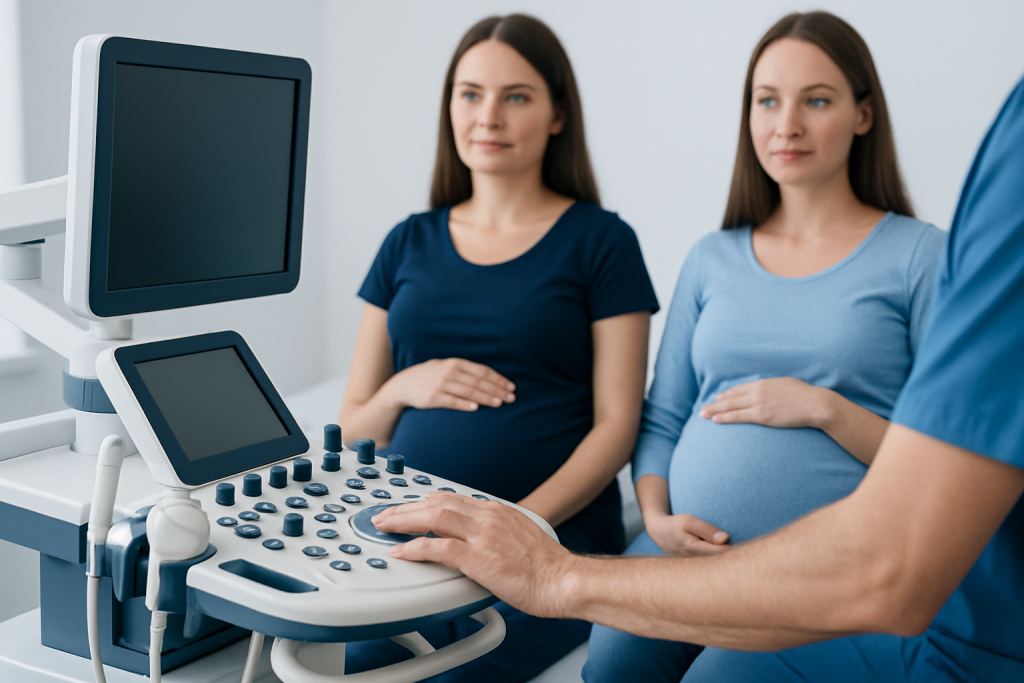
Twins are usually suspected when pregnancy hormone levels, uterine size, or symptoms seem greater than expected, but these signs alone cannot confirm a twin pregnancy. The most reliable way to diagnose twins is an ultrasound scan. Early ultrasound can show the number of embryos, heartbeats, placentas, and sacs, all of which help guide prenatal care.
Once twins are confirmed, the pregnancy is monitored more closely than a singleton pregnancy. The care plan may include more frequent prenatal visits, ultrasound examinations, and checks for growth, amniotic fluid, and placental function. Monitoring is especially important because twins have a higher risk of preterm birth, growth differences, anemia, gestational diabetes, and high blood pressure disorders.
In some cases, specialized testing may be recommended to look at chromosomal or structural concerns, depending on age, history, and ultrasound findings. If there are questions about conception, ovulation, or embryo development, reproductive specialists may also help explain how the pregnancy likely occurred. Diagnostic imaging and laboratory assessments can support safe follow-up throughout pregnancy.
People who become pregnant after in vitro fertilization may already expect more detailed surveillance, especially if more than one embryo implanted. The goal of monitoring is not to create anxiety, but to identify issues early and support the healthiest possible pregnancy.
Treatment, planning, and self-care before and during pregnancy
There is no standard medical treatment given simply to create twins in someone who is otherwise fertile. Instead, medical care focuses on supporting healthy conception and pregnancy. If pregnancy has not occurred after an appropriate period of trying, evaluation may include ovulation assessment, semen analysis, hormone tests, and imaging of the reproductive organs.
For people with infertility, treatment options depend on the cause. Doctors may recommend ovulation induction, intrauterine insemination, or assisted reproductive technologies. Because some treatments can increase the chance of twins, fertility teams discuss both the possible benefits and the risks of multiple pregnancy before treatment begins.
General preconception self-care is valuable whether someone hopes for one baby or twins. Helpful steps include taking folic acid as advised by a doctor, avoiding smoking and excessive alcohol, managing chronic conditions, reviewing medications, and aiming for a healthy weight. These steps improve overall pregnancy readiness, but they are not guaranteed methods for twin conception.
If a twin pregnancy occurs, prenatal care becomes especially important. Nutrition, rest, blood pressure monitoring, and scheduled scans all play a role. In complex cases, people may be referred to specialists in maternal-fetal medicine, and centers such as Acibadem International offer multidisciplinary care for international patients through JCI-accredited hospitals.
When to seek medical care
Medical advice is helpful before pregnancy if there is a history of infertility, repeated pregnancy loss, irregular periods, known reproductive conditions, or prior complications in pregnancy. A preconception visit can clarify natural chances, discuss fertility options, and help plan a safer path forward. This is especially useful for anyone considering treatment that could increase the chance of twins.
During pregnancy, a doctor should be contacted promptly for heavy bleeding, severe abdominal pain, fainting, reduced fetal movement later in pregnancy, severe swelling, severe headache, vision changes, fever, or signs of early labor. These symptoms do not always mean a serious problem, but they deserve professional assessment. Twin pregnancies generally need lower thresholds for review because complications can develop more quickly.
People who have had fertility treatment or who are known to be carrying twins should keep all scheduled prenatal appointments. If there are symptoms such as persistent vomiting, shortness of breath, contractions, or fluid leakage, the care team should be informed without delay. Early attention may help protect both the pregnant person and the babies.
Anyone with questions about fertility, conception, or concerns related to infertility can benefit from evaluation by a gynecologist or reproductive specialist. Clear medical guidance is the best way to separate evidence from myths and make informed decisions.
Frequently asked questions
What are the natural chances of have twins?
For most people, the natural chance of twins is low, and most pregnancies are singletons. The exact likelihood varies by age, family background, and whether the twins would be fraternal or identical.
Are identical twins inherited?
Identical twins are usually considered a random event rather than a strongly inherited trait. In contrast, fraternal twins are more likely to be influenced by inherited patterns of releasing more than one egg.
Does age affect the chance of twins?
Yes, age can affect the chance of fraternal twins. People in their 30s may be more likely to release more than one egg in a cycle, which can increase the likelihood of fraternal twins.
Can fertility treatment increase the chance of twins?
Yes. Fertility medications and some assisted reproductive techniques can increase the chance of multiple pregnancy by stimulating ovulation or involving more than one embryo. Doctors try to manage this carefully because twin pregnancy carries higher risks than a singleton pregnancy.
Do certain foods or positions help conceive twins?
There is no strong medical evidence that foods, intercourse positions, or timing tricks reliably lead to twins. Many claims online are myths rather than proven methods.
Is a twin pregnancy automatically high risk?
Twin pregnancy is not automatically dangerous, but it is generally considered higher risk than a singleton pregnancy. It usually requires closer monitoring because there is a greater chance of preterm birth and some pregnancy complications.
References
- American College of Obstetricians and Gynecologists
- Centers for Disease Control and Prevention
- National Institute for Health and Care Excellence
- Mayo Clinic
- World Health Organization
This article is for general information only and is not a substitute for professional medical advice. Please consult a qualified doctor about your individual situation.
IVF & fertility treatment in Turkey — success rates and costs
JCI-accredited · board-certified surgeons · reply within 24h
Add us as a Preferred Source to see more of our trusted health content across Google Search, AI Overviews and Discover.
Check your numbers in seconds
BMI, calories, due date, blood pressure and 30+ more clinical calculators — free, instant, doctor-reviewed ranges.

More from the Health Library

Heel Spur — Explained by Medical Evidence, Not Myths

Face Yoga: An Evidence-Based Guide for Patients

Rectal Prolapse: An Evidence-Based Guide for Patients

Temp Dental Filler: What Patients Need to Know

Snacks: An Evidence-Based Guide for Patients