Agoraphobia: What Patients Need to Know

Agoraphobia is more than shyness or a dislike of crowds; it is a recognized anxiety disorder. Symptoms often involve fear of being trapped, overwhelmed, or unable to get help in specific situations.
Key Takeaways
- Agoraphobia is more than shyness or a dislike of crowds; it is a recognized anxiety disorder.
- Symptoms often involve fear of being trapped, overwhelmed, or unable to get help in specific situations.
- Agoraphobia may occur with panic disorder, but it can also happen on its own.
- Treatment commonly includes psychotherapy, lifestyle support, and sometimes medication.
- Early care can reduce avoidance behaviors and help prevent the condition from becoming more disruptive.
Agoraphobia is an anxiety disorder in which certain places or situations trigger intense fear because escape, help, or comfort may feel difficult to reach. Although it can limit daily life, effective treatment often helps people regain confidence, movement, and independence.
Overview: what agoraphobia is
Agoraphobia is an anxiety disorder that causes persistent fear or avoidance of places and situations where a person believes escape might be difficult, embarrassing, or unavailable if distress develops. The fear is real and often intense, even when others may not see obvious danger. In many cases, the concern centers on having a panic-like episode, feeling overwhelmed, or not being able to get help quickly.
Despite the name, agoraphobia is not simply a fear of open spaces. A person may fear crowded shops, public transportation, bridges, elevators, theaters, standing in line, or being outside the home alone. Some people continue daily activities but with marked distress, while others begin to restrict routines more and more over time.
Agoraphobia can affect work, education, relationships, travel, and self-confidence. It is a medical condition, not a personal weakness. With proper evaluation and treatment, many people improve significantly and are able to return to activities they had been avoiding.
How agoraphobia feels in daily life
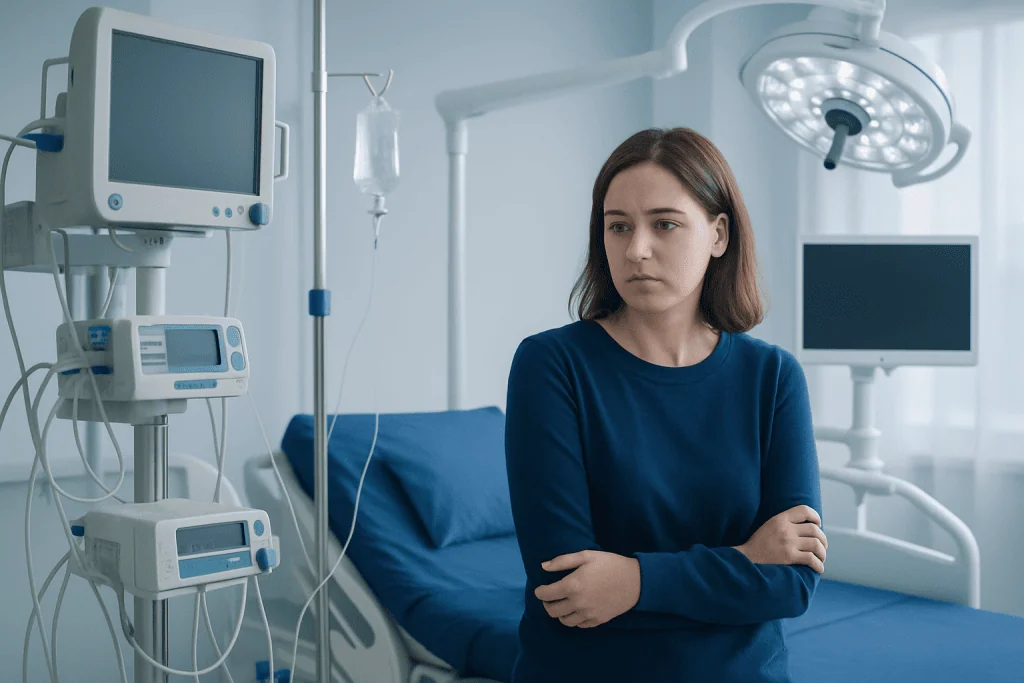
Many patients describe agoraphobia as living with a constant calculation of safety. Before leaving home, they may think about how quickly they could leave a place, whether someone could accompany them, where exits are located, or whether help would be available. This can make ordinary tasks feel exhausting long before an outing even begins.
The condition often leads to avoidance. A person may first skip buses or shopping malls, then stop attending social events, and later find it difficult to go far from home alone. Some people feel safest only at home or only with a trusted companion. Others can go out, but only after careful planning and with considerable distress.
Agoraphobia can also affect emotional well-being. People may feel embarrassed, frustrated, isolated, or misunderstood. Family members sometimes assume the person is simply being overly cautious, but the experience is usually driven by intense anxiety rather than preference. Recognizing this impact can help support compassionate, effective care.
Symptoms and common triggers

Agoraphobia symptoms involve both fear and avoidance. The person may feel extreme anxiety in situations such as using public transport, being in open spaces, being in enclosed spaces, standing in line, being in a crowd, or being outside the home alone. The fear is typically out of proportion to the actual situation, but it feels difficult to control.
Physical symptoms may appear when a feared situation is anticipated or encountered. These can include a racing heartbeat, shortness of breath, dizziness, trembling, sweating, chest tightness, nausea, tingling, or a feeling of losing control. Because these sensations are distressing, they can reinforce the belief that the situation itself is unsafe. Agoraphobia is often related to panic disorder, but not everyone with agoraphobia has recurrent panic attacks.
Common triggers include:
- Public transportation such as buses, trains, or airplanes
- Crowded stores, markets, or entertainment venues
- Driving in heavy traffic or crossing bridges
- Waiting in line or sitting in the middle of a row
- Leaving home alone or traveling far from familiar places
Symptoms usually persist for months rather than days and can lead to substantial changes in behavior. If avoidance begins to shape important life decisions, professional assessment is worthwhile.
Causes and risk factors
There is no single cause of agoraphobia. Most specialists view it as the result of several interacting factors, including biology, stress, learned responses, and personal experience. Some people appear to have a greater inherited tendency toward anxiety, while others develop symptoms after a stressful life event or after experiencing sudden panic in a particular place.
A common pattern begins when a person has intense anxiety or a panic attack in a specific setting. The brain then starts to associate that setting with danger. Over time, avoidance can spread to similar places and become self-reinforcing. The more situations are avoided, the fewer opportunities the brain has to learn that those situations can be tolerated safely.
Risk factors may include a personal or family history of anxiety disorders, panic disorder, depression, chronic stress, traumatic experiences, or certain personality traits such as high sensitivity to bodily sensations. Other mental health conditions can overlap, including depression. Physical health symptoms such as dizziness, breathing discomfort, or heart palpitations can also intensify fear, so doctors may assess both psychological and medical contributors.
How doctors diagnose agoraphobia
Diagnosis begins with a detailed conversation about symptoms, triggers, duration, avoidance patterns, and how the condition affects everyday life. A doctor or mental health professional may ask whether the person fears public transport, crowds, enclosed places, open spaces, or being outside the home alone. They will also explore whether panic attacks occur and whether other conditions may be present.
Agoraphobia is diagnosed using established mental health criteria. In general, symptoms need to be persistent, linked to specific situations, and serious enough to cause distress or interfere with normal routines. The clinician will consider whether the fear is better explained by another condition, such as social anxiety disorder, a specific phobia, trauma-related symptoms, or a medical issue causing similar sensations.
Sometimes a physical exam or basic tests are recommended to rule out medical causes of dizziness, chest discomfort, shortness of breath, or faintness. This is especially important when symptoms are new, changing, or atypical. In some cases, a coordinated assessment that includes psychiatric evaluation can help clarify the diagnosis and guide care.
Treatment options and recovery
Agoraphobia is treatable, and recovery often happens step by step. One of the most effective approaches is psychotherapy, especially cognitive behavioral therapy. This helps patients understand the cycle of fear, physical symptoms, and avoidance. It also teaches practical skills for managing anxiety and gradually facing feared situations in a structured, supported way. For many patients, psychotherapy is a central part of care.
Exposure-based strategies are often included in therapy. Rather than forcing sudden confrontation, treatment usually starts with manageable goals. A patient might first imagine a feared setting, then visit it briefly with support, and later stay longer or go alone. This gradual process can help the nervous system relearn that anxiety, while uncomfortable, is survivable and usually decreases over time.
Medication may also be recommended, particularly when symptoms are severe, panic attacks are frequent, or anxiety is interfering with therapy. A doctor may discuss anti-anxiety or antidepressant medicines depending on individual needs, overall health, and possible side effects. Medication decisions should always be personalized and reviewed regularly.
Some patients benefit from combined care, especially if agoraphobia occurs alongside panic disorder, depression, sleep difficulty, or persistent stress. In selected cases, support from clinical psychology services and psychiatric follow-up may both be helpful. Near the end of the care pathway, relapse-prevention planning is important so that gains are maintained during future stress.
Self-care, support, and prevention of worsening
Self-care does not replace treatment, but it can support recovery. A regular sleep schedule, balanced meals, physical activity, and limiting excess caffeine or alcohol may help reduce baseline anxiety. Relaxation techniques such as slow breathing, grounding exercises, and mindfulness can also improve a sense of control when symptoms start to rise.
One of the most helpful strategies is to avoid letting avoidance become the only coping tool. When possible and safe, gentle, planned engagement with daily activities can prevent the circle of fear from tightening. Keeping a record of triggers, physical symptoms, and successful coping steps may help both the patient and clinician identify progress.
Support from family or friends can make a meaningful difference. Loved ones can encourage treatment, assist with practical planning, and avoid criticism or pressure. At the same time, it is often useful for supporters to learn how to help without reinforcing avoidance too strongly. Small gains matter, and recovery rarely follows a perfectly straight line.
Although agoraphobia cannot always be prevented, early attention to panic symptoms, rising avoidance, or worsening anxiety may reduce long-term disruption. Addressing stress, seeking care promptly, and following through with treatment can all improve outcomes.
When to seek medical care
Medical care is appropriate when fear of certain places or situations begins to interfere with work, school, relationships, travel, or routine errands. It is also important to seek help if a person starts avoiding activities they previously managed, feels housebound, or relies heavily on another person just to go out. Early treatment may make recovery easier.
Urgent assessment is needed if anxiety symptoms occur with chest pain, fainting, new neurological symptoms, or other signs that could point to a physical illness. Immediate help is also essential if a person feels hopeless, has thoughts of self-harm, or is unable to care for basic needs. A qualified clinician can help distinguish anxiety-related symptoms from other medical problems and recommend next steps.
For patients seeking coordinated evaluation and care, Acibadem International’s multidisciplinary specialists at JCI-accredited hospitals diagnose and treat anxiety-related conditions for international patients. The most appropriate first contact is usually a mental health professional or a primary care doctor who can guide referral when needed.
Frequently asked questions
Is agoraphobia just a fear of leaving home?
No. Agoraphobia involves fear of situations where escape may feel difficult or help may seem unavailable if anxiety becomes intense. Some people avoid leaving home, but others mainly fear crowds, transport, enclosed spaces, or being alone outside.
Can agoraphobia happen without panic attacks?
Yes. Agoraphobia is often linked to panic disorder, but it can occur on its own. The core feature is fear and avoidance of certain situations, whether or not full panic attacks are present.
How is agoraphobia different from social anxiety?
Social anxiety mainly centers on fear of being judged, embarrassed, or negatively evaluated by others. Agoraphobia is more about feeling trapped, unable to escape, or unable to get help if distress develops in a particular place or situation.
Can agoraphobia go away with treatment?
Many people improve significantly with appropriate treatment. Therapy, especially cognitive behavioral approaches, can reduce fear and avoidance, and medication may help in some cases. Progress is often gradual, but meaningful recovery is common.
What should family members do to help?
Family members can help by listening without judgment, encouraging professional care, and supporting gradual recovery goals. It is usually best to avoid criticism or unintentionally reinforcing complete avoidance. Learning about the condition together can also be useful.
When should symptoms be checked by a doctor?
A doctor should be consulted when anxiety or avoidance starts to limit everyday life, such as work, school, errands, or travel. Medical review is also important if symptoms are new, suddenly worse, or accompanied by concerning physical signs like fainting or chest pain.
References
- National Institute of Mental Health
- American Psychiatric Association
- National Health Service
- Mayo Clinic
- World Health Organization
This article is for general information only and is not a substitute for professional medical advice. Please consult a qualified doctor about your individual situation.
Explore treatments in Turkey — costs, top hospitals & a free quote
JCI-accredited · board-certified surgeons · reply within 24h
Add us as a Preferred Source to see more of our trusted health content across Google Search, AI Overviews and Discover.

More from the Health Library

Nicotine: A Complete Medical Overview

Decortication — Explained by Medical Evidence, Not Myths

Condoms Female Condoms — Explained by Medical Evidence, Not Myths

Epidural — Explained by Medical Evidence, Not Myths

Zoledronic Acid: What Patients Need to Know