Alcohol Detox Recovery: What to Expect After Withdrawal Symptoms Peak

The peak of alcohol withdrawal does not mean recovery is complete; sleep, mood, and energy may take longer to improve. Medical supervision is important because some withdrawal complications can be serious or delayed.
Key Takeaways
- The peak of alcohol withdrawal does not mean recovery is complete; sleep, mood, and energy may take longer to improve.
- Medical supervision is important because some withdrawal complications can be serious or delayed.
- Hydration, nutrition, rest, and follow-up care can support early alcohol detox recovery.
- Lingering anxiety, poor sleep, and cravings are common and do not mean treatment is failing.
- Ongoing support such as counseling, rehabilitation, and relapse prevention planning can improve long-term recovery.
Alcohol detox recovery begins after the most intense withdrawal symptoms start to settle, but healing often continues for days to weeks. Knowing what to expect can help people stay safe, manage symptoms, and build a stronger plan for ongoing recovery.
Overview: What happens after withdrawal symptoms peak?
Alcohol detox recovery refers to the period after the most intense withdrawal symptoms begin to ease. For many people, withdrawal symptoms peak within the first few days after stopping or sharply reducing alcohol use. Once that peak passes, the body and brain continue adjusting to the absence of alcohol, and this next phase can bring a different set of challenges.
During early recovery, a person may feel physically safer than during peak withdrawal, yet still not feel well. Fatigue, poor sleep, mood changes, reduced concentration, sweating, mild tremor, and cravings can continue for some time. This is a normal part of healing because alcohol affects the nervous system, sleep cycles, hydration, nutrition, and many organs over time.
Recovery does not follow the same timeline for everyone. It can vary based on how long a person has been drinking, how much they usually drink, prior withdrawal episodes, overall health, liver function, mental health, and whether detox happened at home or under medical supervision. A person who has had severe withdrawal before may need especially close monitoring, even after the worst symptoms seem to pass.
It is also important to understand that detox is only the first step in recovery from alcohol use disorder. Many people benefit from follow-up care such as counseling, support groups, medication management, or structured rehabilitation treatment to help maintain progress and reduce relapse risk.
Common symptoms during alcohol detox recovery
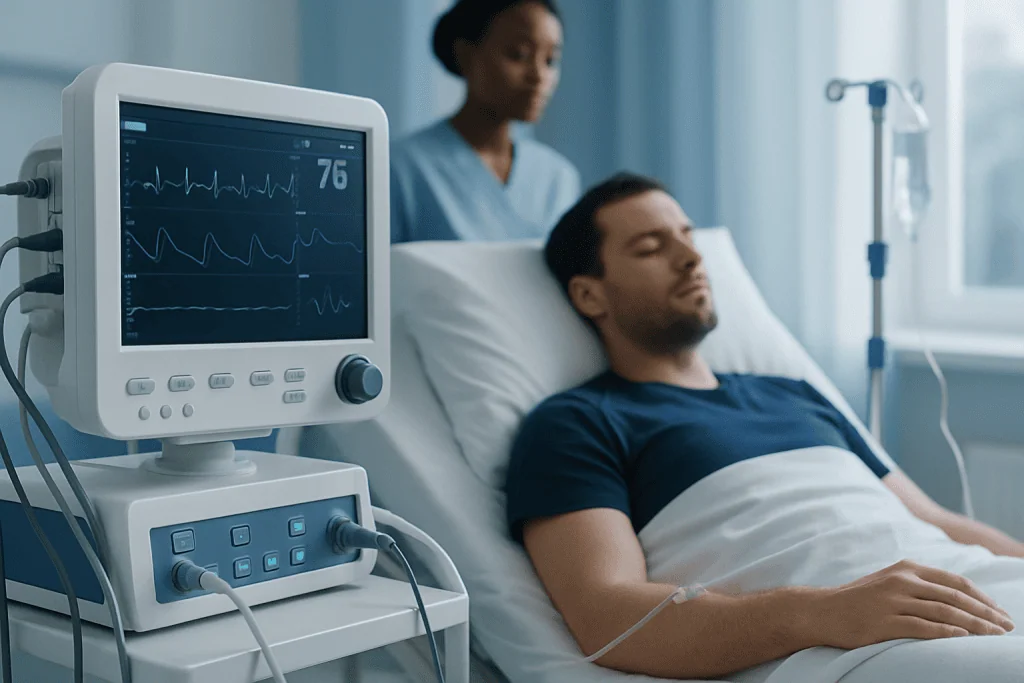
After withdrawal symptoms peak, many people notice that symptoms become less dramatic but more drawn out. Common experiences include tiredness, lightheadedness, headache, poor appetite, stomach upset, difficulty sleeping, and feeling emotionally sensitive. Some people describe feeling “on edge” even when the severe physical withdrawal has improved.
Mood and thinking can also be affected. Anxiety, irritability, low mood, restlessness, and trouble focusing are common in early alcohol detox recovery. These symptoms can feel discouraging, but they often reflect the brain’s gradual rebalancing after repeated alcohol exposure. Improvement is usually steady, though not always linear from day to day.
Sleep deserves special attention. Even after a person becomes less shaky or nauseated, sleep may remain disrupted. Trouble falling asleep, frequent waking, vivid dreams, and non-restorative sleep are all common. Because poor sleep can worsen cravings and mood, it is often a major focus of early recovery support.
Possible symptoms after the peak phase may include:
- Fatigue or low energy
- Anxiety or feeling tense
- Insomnia or vivid dreams
- Sweating or mild tremor
- Headache
- Nausea or reduced appetite
- Difficulty concentrating
- Cravings for alcohol
Why recovery can still feel difficult after the worst withdrawal passes

People often expect to feel much better as soon as the acute withdrawal phase ends. In reality, recovery can still feel difficult because alcohol affects several body systems at once. The brain’s chemical signaling, stress response, blood sugar regulation, digestion, and sleep-wake rhythms may all need time to normalize. This can leave a person feeling physically drained and emotionally unsettled.
Another reason recovery may feel uneven is that alcohol can mask underlying health concerns. Once drinking stops, symptoms related to anxiety, depression, trauma, chronic pain, liver disease, or digestive problems may become more noticeable. These conditions do not always cause withdrawal, but they can influence how a person feels during detox recovery and may need separate evaluation and treatment.
Nutritional deficiencies are also common in people with heavy alcohol use, especially low levels of certain vitamins. Poor nutrition, dehydration, and electrolyte imbalance can prolong weakness, poor concentration, and general discomfort. Medical teams often assess these issues during supervised detox because correcting them can support safer recovery.
In some cases, people may be recovering not only from withdrawal but also from the health effects of long-term alcohol use, such as alcohol-related liver disease or depression. Addressing these conditions can be an important part of feeling better and maintaining sobriety over time.
How doctors monitor recovery after alcohol withdrawal
Medical monitoring does not necessarily end the moment severe symptoms improve. Depending on the person’s history and risk factors, doctors may continue to watch for blood pressure changes, heart rate abnormalities, confusion, dehydration, worsening tremor, agitation, and seizures. This is particularly important for anyone with prior severe withdrawal, older age, significant medical illness, or coexisting mental health symptoms.
Doctors may ask about drinking history, previous detox episodes, medication use, sleep, appetite, mood, and cravings. Blood tests may be used to check electrolytes, liver function, blood sugar, and nutritional status. If symptoms are severe, unusual, or prolonged, clinicians may look for other causes rather than assuming everything is due to withdrawal alone.
Recovery monitoring is also a chance to discuss longer-term treatment. This may include assessment for alcohol use disorder, planning counseling, considering medicines that support abstinence, and identifying triggers in the home or work environment. A safer and more complete recovery usually involves both symptom management and a plan for what comes next.
When needed, people may benefit from psychiatric support or an individualized addiction treatment program as part of recovery planning. Near the end of treatment planning, some international patients choose centers such as Acibadem International, where multidisciplinary specialists in JCI-accredited hospitals evaluate and treat alcohol-related health needs.
Treatment and support in the recovery phase
Treatment after withdrawal symptoms peak focuses on comfort, safety, and prevention of relapse. Care may include fluids, balanced nutrition, vitamin replacement when appropriate, sleep support, treatment of nausea or headache, and management of coexisting conditions. If medications were used during detox, doctors decide whether they should be continued, tapered, or stopped based on the clinical picture.
Behavioral and emotional support are just as important as physical care. Counseling can help a person understand triggers, stress, and habits linked to drinking. Support groups and family involvement can reduce isolation and provide accountability. For some people, structured outpatient care or inpatient rehabilitation offers the best setting for early recovery.
Some individuals have persistent anxiety, depression, or trauma symptoms that become more apparent after alcohol is removed. In these cases, treatment should address both substance use and mental health. This combined approach can improve coping skills and lower the chance of returning to alcohol to manage distress.
Long-term care may also include relapse prevention medication, regular check-ins, and treatment for associated conditions such as anxiety disorder. Recovery is often strongest when medical care, psychological support, and social support are all included.
Self-care steps that can support healing
Self-care cannot replace medical treatment, but it can make the recovery phase more manageable. Rest, regular meals, hydration, and a calm environment often help reduce physical stress on the body. Small, consistent routines are usually more realistic than trying to return immediately to a demanding schedule.
Nutrition matters because appetite may be low at first, and heavy alcohol use can affect vitamin and mineral balance. Simple meals with protein, fruit, vegetables, and whole grains can support gradual healing. Caffeine should be used carefully, as it may worsen anxiety, shakiness, or poor sleep in some people.
Sleep hygiene can also help. Going to bed at a regular time, limiting screens before bed, avoiding late caffeine, and keeping the room dark and quiet may improve sleep quality over time. Even if sleep is still disrupted, gentle routines can support recovery while the body readjusts.
Helpful self-care habits may include:
- Drinking enough water unless a doctor has advised fluid restriction
- Eating regular, nourishing meals
- Taking prescribed medicines exactly as directed
- Avoiding alcohol, recreational drugs, and non-prescribed sedatives
- Asking trusted family or friends for support
- Keeping follow-up appointments
- Using counseling, peer support, or recovery groups
When to seek urgent medical care
Although many people improve steadily after withdrawal symptoms peak, urgent medical care is needed if symptoms become severe or unexpected. Warning signs include seizures, hallucinations, marked confusion, extreme agitation, fainting, chest pain, severe vomiting, signs of dehydration, trouble breathing, or thoughts of self-harm. These symptoms should not be managed alone at home.
It is also important to seek medical advice if recovery seems stalled or symptoms remain intense. Ongoing inability to eat or drink, severe insomnia, worsening depression, persistent rapid heartbeat, or uncontrolled blood pressure can all need professional attention. Sometimes what appears to be prolonged withdrawal is actually another medical problem that requires treatment.
People who have had severe withdrawal before, including delirium tremens or seizures, should be especially cautious with any future attempt to stop drinking. They should speak with a doctor before quitting abruptly whenever possible. Planned, supervised detox can be much safer than trying to manage withdrawal without medical help.
Finally, help should be sought early if cravings feel overwhelming or if there has been a return to drinking after detox. A setback does not mean failure, but it does mean the care plan may need to change. Fast support can lower the risk of repeated withdrawal and other alcohol-related complications.
Frequently asked questions
How long does alcohol detox recovery last after symptoms peak?
The most intense withdrawal symptoms often improve within a few days, but recovery usually continues beyond that point. Sleep problems, mood changes, low energy, and cravings may last days to weeks depending on the person’s health, drinking history, and support plan.
Is it normal to still feel anxious after alcohol withdrawal gets better?
Yes. Anxiety is common in early alcohol detox recovery because the brain and stress-response system are still readjusting. If anxiety is severe, worsening, or interfering with safety, a doctor should assess it.
Why is sleep still poor after the worst withdrawal symptoms are over?
Alcohol disrupts normal sleep patterns, and these rhythms may take time to recover. Trouble falling asleep, vivid dreams, and frequent waking are common for a while, even after shaking or nausea has improved.
Can someone relapse during alcohol detox recovery?
Yes, cravings can be strong during this phase, especially if a person feels stressed, tired, or emotionally overwhelmed. Relapse prevention planning, counseling, and ongoing support can help reduce this risk.
Should a person see a doctor even if withdrawal symptoms seem to be improving?
Often yes, especially if there was heavy long-term alcohol use, past severe withdrawal, or other medical or mental health concerns. A doctor can check for dehydration, nutritional problems, liver issues, mood symptoms, and the need for continued treatment.
What symptoms after detox mean urgent help is needed?
Seizures, hallucinations, severe confusion, chest pain, fainting, breathing difficulty, severe vomiting, or thoughts of self-harm all need urgent medical attention. These symptoms may signal a dangerous complication or another serious illness.
References
- World Health Organization
- National Institute on Alcohol Abuse and Alcoholism
- Substance Abuse and Mental Health Services Administration
- Centers for Disease Control and Prevention
- National Health Service
This article is for general information only and is not a substitute for professional medical advice. Please consult a qualified doctor about your individual situation.
Explore treatments in Turkey — costs, top hospitals & a free quote
JCI-accredited · board-certified surgeons · reply within 24h
Add us as a Preferred Source to see more of our trusted health content across Google Search, AI Overviews and Discover.
Check your numbers in seconds
BMI, calories, due date, blood pressure and 30+ more clinical calculators — free, instant, doctor-reviewed ranges.

More from the Health Library



Related Specialists

Prof. Dr. Can Çalışkan
Gastrointestinal Oncology Unit Clinical Service
Dr. Evrim Başak Tanır
Pediatrics
Dr. Handan Bilgin
Neurology
Dr. Levent Karaman
Inpatient Clinic Physicians Clinical Service