Alcohol Recovery at Home vs Inpatient Detox: Which Is Safer?

Alcohol withdrawal can range from mild discomfort to life-threatening complications. Inpatient detox is generally safer for people with heavy alcohol use, prior withdrawal complications, or major medical or mental health concerns.
Key Takeaways
- Alcohol withdrawal can range from mild discomfort to life-threatening complications.
- Inpatient detox is generally safer for people with heavy alcohol use, prior withdrawal complications, or major medical or mental health concerns.
- Home recovery may be considered only for carefully selected people with mild symptoms and close medical supervision.
- A doctor can assess risk using drinking history, past withdrawals, medications, and other health conditions.
- Detox is only the first step; ongoing treatment and support are important for long-term recovery.
Choosing between alcohol recovery at home and inpatient detox depends on withdrawal risk, overall health, and available support. Mild withdrawal may sometimes be managed outside the hospital, but inpatient detox is safer for people at risk of severe symptoms or complications.
Overview: How Alcohol Recovery and Detox Differ
Alcohol recovery and alcohol detox are related, but they are not the same thing. Detox refers to the short-term process of safely managing withdrawal after a person stops or greatly reduces alcohol use. Recovery is the longer journey of improving physical health, emotional wellbeing, and daily functioning while reducing the risk of relapse.
When people ask whether alcohol recovery at home or inpatient detox is safer, the key issue is usually withdrawal risk. Alcohol withdrawal can begin within hours after the last drink and may become serious quickly in some people. Because of this, the safest setting depends on how much alcohol a person has been using, whether they have had withdrawal symptoms before, and whether they have other medical or mental health conditions.
For some people with mild symptoms and strong support, a doctor may consider outpatient or home-based management. For others, inpatient detox offers closer monitoring, rapid treatment if symptoms worsen, and a more controlled environment. The goal in either setting is the same: to keep the person safe while beginning the next phase of treatment for alcohol use disorder.
Symptoms of Alcohol Withdrawal and Warning Signs
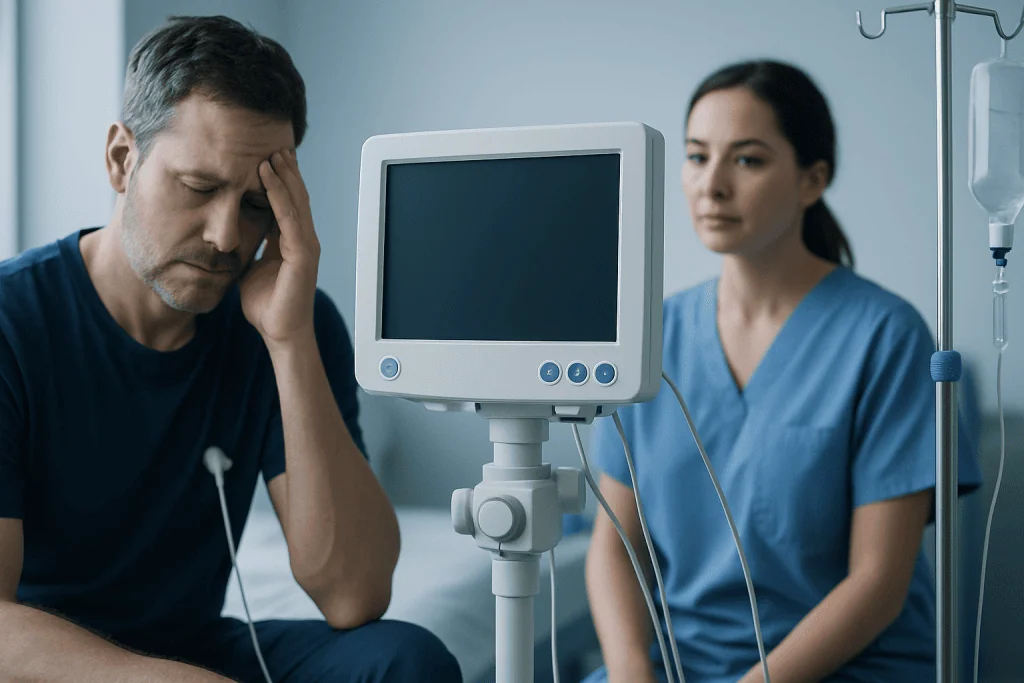
Alcohol withdrawal symptoms often begin 6 to 24 hours after the last drink, although timing can vary. Early symptoms may include anxiety, shakiness, sweating, nausea, headache, irritability, poor sleep, and a fast heartbeat. These symptoms can be uncomfortable, but they are not always dangerous when they remain mild.
In some people, withdrawal progresses to more serious complications. These can include worsening tremors, confusion, hallucinations, fever, severe agitation, seizures, or delirium tremens, a medical emergency marked by severe confusion and changes in blood pressure, pulse, and temperature. Because symptoms can intensify after they first appear mild, withdrawal should never be dismissed as simply “feeling hungover.”
Several warning signs suggest that home management may be unsafe. These include a history of withdrawal seizures, prior delirium tremens, very heavy daily drinking, use of other sedating substances, pregnancy, older age, serious liver or heart disease, and active depression or suicidal thoughts. In these situations, medically supervised detox is usually the safer choice.
- Mild symptoms: tremor, anxiety, sweating, nausea, insomnia
- Moderate symptoms: marked restlessness, vomiting, rising blood pressure, worsening tremor
- Emergency symptoms: seizures, hallucinations, confusion, severe agitation, loss of consciousness
Who May Be a Candidate for Home-Based Recovery

Home-based alcohol recovery is not the same as quitting completely alone. If it is considered at all, it should involve an assessment by a qualified doctor who can determine whether withdrawal risk is low. In general, this option may be more appropriate for a person who has mild symptoms, no history of severe withdrawal, stable housing, reliable family or friends nearby, and no major uncontrolled health conditions.
Even in lower-risk cases, a medical plan matters. A clinician may review current medicines, ask about other substance use, check for dehydration or nutritional problems, and arrange close follow-up during the first few days. The person should have a safe place to stay, avoid driving, and know exactly when to seek urgent medical care if symptoms worsen.
Home recovery can be difficult because access to alcohol, stress, poor sleep, and social triggers remain present. It may also be harder for family members to judge whether the person is simply uncomfortable or becoming medically unstable. For that reason, home management should be seen as a structured medical decision, not a do-it-yourself approach.
When Inpatient Detox Is Usually Safer
Inpatient detox is often the safer option when withdrawal may become moderate to severe. This setting allows continuous or frequent monitoring of blood pressure, pulse, temperature, hydration, and mental status. If symptoms escalate, treatment can be adjusted quickly to reduce the risk of seizures, severe agitation, or confusion.
Doctors commonly recommend inpatient care for people who drink heavily every day, have had previous complicated withdrawal, or have coexisting medical conditions such as liver disease, heart disease, uncontrolled diabetes, or infection. It is also important for people with serious psychiatric symptoms, suicidal thoughts, cognitive impairment, or limited social support. If a person has been using alcohol together with benzodiazepines, opioids, or other sedating drugs, inpatient supervision is especially important.
Another benefit of inpatient detox is that it can create a bridge to ongoing treatment. During a hospital stay, clinicians can begin nutritional support, manage coexisting conditions, and discuss next steps such as counseling, relapse prevention medicines, and rehabilitation. In some cases, inpatient detox is followed by inpatient rehabilitation or a structured outpatient rehabilitation program depending on the person’s needs and stability.
How Doctors Decide: Risk Assessment and Diagnosis
The decision between home care and inpatient detox starts with a medical evaluation. A doctor will ask about the amount and pattern of drinking, the time of the last drink, prior withdrawal episodes, seizures, hospitalizations, and any use of other substances. They will also ask about medications, pregnancy, mental health symptoms, and whether the person has dependable support at home.
Physical examination and laboratory tests may help identify dehydration, liver injury, electrolyte problems, anemia, or infection. Clinicians may use standardized tools to grade withdrawal severity, but these tools are only part of the picture. A person with currently mild symptoms may still be considered high risk if there is a strong history of severe withdrawal or major medical illness.
Because alcohol use often affects more than one body system, the evaluation may also look for complications such as malnutrition, vitamin deficiency, pancreatitis, heart rhythm problems, or liver disease. If liver concerns are present, doctors may also assess for related conditions such as fatty liver. A careful assessment helps match the person to the safest setting rather than using a one-size-fits-all approach.
Treatment Options During Detox and Early Recovery
Whether detox happens at home under supervision or in an inpatient unit, treatment focuses on safety and symptom control. Care commonly includes monitoring vital signs, encouraging fluids when appropriate, correcting nutritional deficiencies, and using medications prescribed by a doctor to reduce withdrawal symptoms and prevent complications. People should not self-medicate with alcohol or sedatives, as this can make withdrawal less predictable and more dangerous.
Early recovery also involves planning beyond the first few days. Once the immediate withdrawal phase improves, treatment may include psychological support, family involvement, and practical planning for sleep, nutrition, work, and stress management. For many people, structured follow-up is what turns detox into sustained recovery.
Longer-term care may include individual therapy, group counseling, peer support, and, for some people, medicines that help reduce cravings or support abstinence. If emotional symptoms such as anxiety or depression are present, treatment may include psychiatric care as part of a broader recovery plan. The most suitable approach depends on the person’s medical history, goals, and daily environment.
Prevention, Self-Care, and When to Seek Medical Help
The safest way to prepare for stopping alcohol is to talk to a healthcare professional before making a sudden change, especially after regular heavy drinking. A clinician can help estimate withdrawal risk and advise whether home management is reasonable or whether supervised detox is needed. This step can prevent dangerous complications and reduce uncertainty for both the person and their family.
Supportive self-care during early recovery may include staying with a trusted adult, keeping emergency contacts available, eating regular light meals if tolerated, and creating a calm environment. Family members should watch for worsening confusion, repeated vomiting, seizures, hallucinations, chest pain, or trouble breathing. These symptoms need urgent medical attention.
A doctor should also be contacted if symptoms are escalating despite a plan, if the person cannot keep fluids down, or if there are concerns about self-harm, severe depression, or use of other substances. Detox is not the end of treatment, and relapse prevention should start early. Near the end of detox planning, some people explore care through centers such as Acibadem International, where multidisciplinary specialists in JCI-accredited hospitals diagnose and treat alcohol-related conditions for international patients.
Frequently asked questions
Can a person safely detox from alcohol at home?
Sometimes, but only if withdrawal risk is low and a doctor agrees that home management is appropriate. Home detox should not mean going through withdrawal alone without medical advice or support.
What makes inpatient detox safer than home recovery?
Inpatient detox provides close monitoring and rapid treatment if symptoms worsen. It is especially important for people with a history of seizures, delirium tremens, heavy daily drinking, serious medical illness, or mental health risks.
How quickly do alcohol withdrawal symptoms start?
Symptoms often begin within 6 to 24 hours after the last drink, although the exact timing varies. Some people start with mild symptoms and then worsen over the next day or two, which is why early assessment matters.
What symptoms mean emergency care is needed?
Seizures, severe confusion, hallucinations, loss of consciousness, chest pain, trouble breathing, and severe agitation need urgent medical attention. Repeated vomiting or inability to drink fluids can also become serious quickly.
Is detox enough to treat alcohol use disorder?
No. Detox addresses the short-term physical effects of stopping alcohol, but recovery usually needs ongoing treatment and support. Counseling, follow-up care, peer support, and sometimes medication can all help reduce relapse risk.
Can family members manage alcohol withdrawal at home?
Family support can be helpful, but relatives should not be expected to judge medical severity on their own. A healthcare professional should guide the plan, and family members should know the warning signs that require urgent care.
References
- World Health Organization
- National Institute on Alcohol Abuse and Alcoholism
- Substance Abuse and Mental Health Services Administration
- Centers for Disease Control and Prevention
- National Health Service
This article is for general information only and is not a substitute for professional medical advice. Please consult a qualified doctor about your individual situation.
Explore treatments in Turkey — costs, top hospitals & a free quote
JCI-accredited · board-certified surgeons · reply within 24h
Add us as a Preferred Source to see more of our trusted health content across Google Search, AI Overviews and Discover.
Check your numbers in seconds
BMI, calories, due date, blood pressure and 30+ more clinical calculators — free, instant, doctor-reviewed ranges.