Aldosteronism Treatment: How It Works, Results and What to Expect

Primary aldosteronism is a treatable cause of high blood pressure caused by excess aldosterone production. Medicines that block aldosterone are commonly used when both adrenal glands are involved or surgery is not suitable.
Key Takeaways
- Primary aldosteronism is a treatable cause of high blood pressure caused by excess aldosterone production.
- Medicines that block aldosterone are commonly used when both adrenal glands are involved or surgery is not suitable.
- Removing one overactive adrenal gland can be an effective treatment when testing confirms hormone overproduction on one side.
- Treatment can improve blood pressure control and correct low potassium, although some people still need blood pressure medicine afterward.
- Specialized testing is important before surgery because imaging alone may not show which adrenal gland is responsible.
Aldosteronism treatment aims to reduce the effects of excess aldosterone, a hormone that can raise blood pressure and lower potassium. The right approach depends mainly on whether one or both adrenal glands are producing too much hormone, and may include medication, lifestyle measures, or surgery.
Aldosteronism Treatment: How It Works
Aldosteronism treatment reduces the effects of too much aldosterone, a hormone made by the adrenal glands. Aldosterone helps the body retain sodium and water while removing potassium through the kidneys. When levels are too high, blood pressure may rise and potassium may fall.
The two main treatment paths are medication and surgery. Medication is generally used when excess hormone production comes from both adrenal glands, when the source is uncertain, or when surgery is not appropriate. Surgery may be considered when one adrenal gland is confirmed to be overproducing aldosterone.
The aim is not simply to improve a laboratory result. Effective treatment supports blood pressure control, restores potassium balance when it is low, and may reduce strain on the heart, blood vessels, and kidneys over time. Follow-up care is important because treatment plans often need adjustment.
What Are the Signs and Symptoms of Aldosteronism?
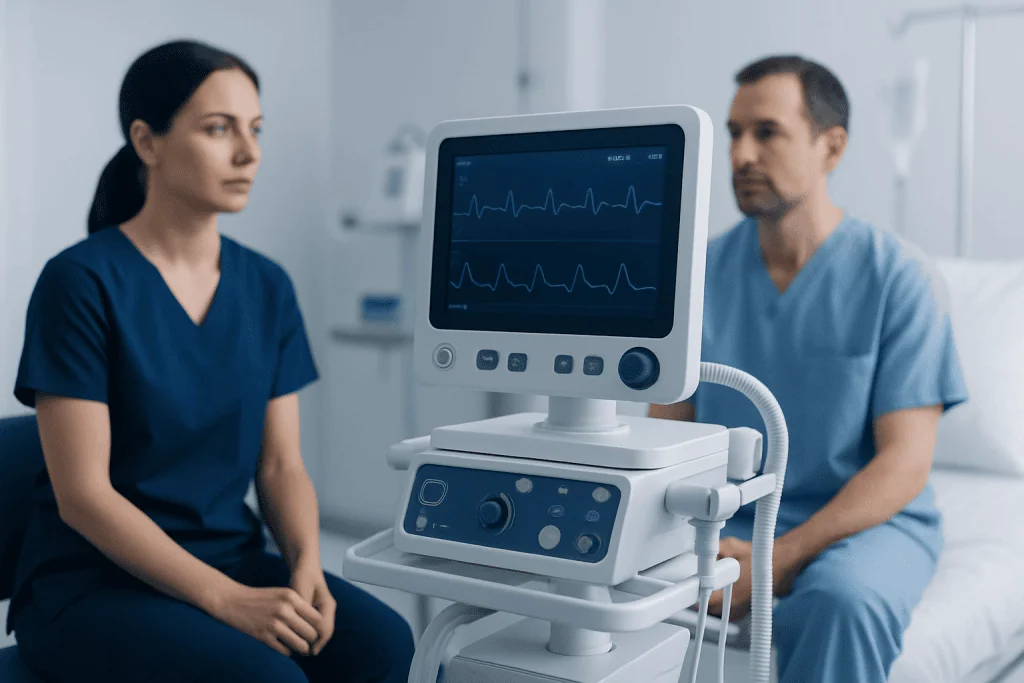
Many people with primary aldosteronism have no clear symptoms beyond high blood pressure. It may be suspected when blood pressure is difficult to control, begins at a younger age, or remains elevated despite several medications. Some people are diagnosed after routine blood tests show a low potassium level.
When symptoms occur, they can include muscle weakness, fatigue, cramps, tingling, headaches, frequent urination, increased thirst, or episodes of palpitations. These symptoms are not specific to aldosteronism and can have many other causes, so medical assessment is needed.
Low potassium is not present in every case. Therefore, normal potassium results do not rule out primary aldosteronism. A clinician may recommend screening in people with resistant hypertension, hypertension with low potassium, an adrenal mass, sleep apnea, or a family history of early high blood pressure or stroke.
Causes, Candidacy and Diagnostic Assessment

Primary aldosteronism usually results from an overactive adrenal gland. Common causes include a small, noncancerous aldosterone-producing adenoma in one adrenal gland or overactivity affecting both glands, often called bilateral adrenal hyperplasia. Less commonly, inherited forms or other adrenal disorders are involved.
Not everyone with high blood pressure needs testing, but screening may be appropriate when clinical features raise suspicion. The usual initial assessment measures aldosterone and renin in the blood and considers their relationship. Because several medicines, salt intake, potassium status, and other conditions can affect results, preparation and interpretation should be guided by an experienced clinician.
If screening suggests aldosteronism, confirmatory testing may be used in suitable cases. Imaging of the adrenal glands can identify structural changes, but it cannot always determine which gland is making excess hormone. For people who may benefit from surgery, adrenal vein sampling is often the most reliable way to establish whether aldosterone excess comes from one side or both.
A candidacy discussion for surgery considers the test results, overall health, age, blood pressure history, kidney function, preferences, and whether unilateral hormone production has been established. Endocrinologists, hypertension specialists, radiologists, anesthesiologists, and adrenal surgeons may all contribute to this decision.
Medication Treatment and Lifestyle Support
For bilateral adrenal overactivity, or when surgery is not chosen, treatment usually includes a mineralocorticoid receptor antagonist. These medicines block aldosterone’s action in the kidneys and other tissues. They can help lower blood pressure and raise potassium toward a safer range, but regular blood tests are needed to monitor potassium and kidney function.
Some people may experience side effects, and the most suitable medicine depends on individual circumstances. A clinician can adjust the medication plan, review other blood pressure medicines, and consider alternatives if adverse effects occur. People should not stop or change prescribed medication without medical advice.
Lifestyle measures complement, rather than replace, medical treatment. These may include reducing sodium intake, maintaining a balanced eating pattern, staying physically active as health permits, avoiding tobacco, and limiting alcohol. Potassium supplements should only be used if recommended, because potassium can become too high once aldosterone-blocking medication is started.
Blood pressure readings at home can be useful for monitoring progress. The care team may also review kidney function, electrolytes, renin, and cardiovascular risk factors at follow-up appointments.
Surgery for One Overactive Adrenal Gland: Step by Step
When adrenal vein sampling and other assessment show that one adrenal gland is responsible, the usual operation is laparoscopic adrenalectomy. This minimally invasive procedure removes the affected adrenal gland through several small abdominal incisions while the patient is under general anesthesia. The remaining adrenal gland usually provides the hormones the body needs.
Before surgery, blood pressure and potassium are stabilized. The surgical and anesthesia teams review medications, imaging, laboratory results, and relevant health conditions. Patients receive individualized instructions about eating and drinking before surgery and which medicines to take or pause.
During the operation, the surgeon carefully separates and removes the adrenal gland using specialized instruments. In selected circumstances, an open operation may be necessary, such as when anatomy is complex or a larger adrenal mass requires a different approach. The removed tissue is examined by a pathologist.
After surgery, blood pressure, potassium, fluid balance, and pain are monitored. Some patients need less blood pressure medication afterward, while others continue medication because high blood pressure can have more than one cause. Treatment decisions are based on follow-up readings and tests rather than immediate changes alone.
Benefits, Risks and Recovery Timeline
Successful treatment can correct or improve low potassium and reduce the harmful effects of aldosterone excess. After removal of a single overactive adrenal gland, many people experience improved blood pressure control. However, a complete cure of hypertension is not guaranteed, particularly when high blood pressure has been present for years or there are additional contributing factors.
Recovery after laparoscopic adrenalectomy varies. Hospital discharge is often possible after a short stay when recovery is uncomplicated. Light activity may resume gradually, while returning to work, exercise, lifting, and driving depends on the individual procedure, comfort level, and the surgeon’s advice.
Possible surgical risks include bleeding, infection, injury to nearby organs or blood vessels, blood clots, anesthesia-related complications, and the need to convert to an open procedure. After surgery, potassium may rise and blood pressure may fall more than expected, making monitoring and medication adjustment especially important.
Medication treatment also has risks, including changes in potassium, kidney function, blood pressure, and medication-specific side effects. Regular follow-up helps clinicians identify problems early and maintain a safe, effective plan.
Can High Aldosterone Cause Anxiety?
High aldosterone is not considered a direct, specific cause of an anxiety disorder. However, symptoms associated with high blood pressure or low potassium—such as palpitations, weakness, poor sleep, headaches, or a feeling of physical unease—can be distressing and may contribute to anxiety-like feelings.
It is also common for people managing a newly diagnosed hormonal condition to feel worried. New or persistent anxiety, panic symptoms, low mood, or sleep disruption deserve attention and can be discussed with a doctor alongside treatment for aldosteronism.
Urgent assessment is appropriate for severe chest pain, fainting, severe shortness of breath, sudden neurological symptoms, or a markedly elevated blood pressure reading accompanied by concerning symptoms. These symptoms should not be assumed to be caused by anxiety alone.
Can Aldosteronism Be Cured? When to Seek Medical Care
Primary aldosteronism caused by a single overactive adrenal gland may be effectively treated with adrenalectomy, and aldosterone levels and potassium can normalize afterward. Blood pressure may improve substantially, but some people continue to need blood pressure medicine because of longstanding hypertension, family history, vascular changes, or other health factors.
When both adrenal glands produce excess aldosterone, surgery to remove both glands is generally not used because the body needs adrenal hormone production. In these cases, aldosterone-blocking medicines can provide long-term control. With consistent monitoring, many people manage the condition well.
Medical review should be arranged for persistent or difficult-to-control high blood pressure, low potassium, muscle weakness, repeated cramps, palpitations, or a newly identified adrenal mass. Urgent care is needed for symptoms that may signal a medical emergency, including chest pain, severe headache with neurological changes, fainting, or severe weakness.
Acibadem International’s multidisciplinary specialists and JCI-accredited hospitals assess and treat adrenal hormone conditions for international patients, with care plans based on endocrine testing, imaging, and individual health needs.
Frequently asked questions
What foods should hyperaldosteronism patients avoid?
People with hyperaldosteronism are usually advised to limit high-sodium foods, including heavily processed meals, cured meats, salty snacks, instant soups, and many restaurant foods. Sodium can worsen fluid retention and high blood pressure. Dietary changes should be individualized, especially for people with kidney disease or those taking medicines that affect potassium.
How is aldosteronism treated without surgery?
When both adrenal glands are overactive or surgery is not suitable, treatment commonly uses medicines that block aldosterone’s effects. These medicines are combined with blood pressure management, sodium reduction, and regular checks of potassium and kidney function. The treatment plan may change over time based on blood pressure and laboratory results.
How long does it take for aldosteronism treatment to work?
Potassium and blood pressure may begin to improve within days to weeks after effective medication or surgery, but the timing differs between individuals. Medication doses often need gradual adjustment. Long-term blood pressure improvement after surgery can continue over months as medications are reviewed and the body recovers.
Is adrenal surgery necessary for primary aldosteronism?
No. Surgery is usually considered when testing confirms that excess aldosterone comes from one adrenal gland and the person is a suitable surgical candidate. If both glands are involved, medication is generally the preferred treatment. A specialist evaluation helps determine the safest and most appropriate path.
Can aldosteronism return after treatment?
After removal of a confirmed unilateral aldosterone-producing adrenal gland, recurrent aldosterone excess is uncommon, but follow-up remains important. High blood pressure can persist or reappear for reasons unrelated to recurrent aldosteronism. People treated with medication need ongoing monitoring because their condition is being controlled rather than surgically removed.
Why is adrenal vein sampling used before aldosteronism surgery?
Adrenal vein sampling compares hormone production from each adrenal gland. It can show whether excess aldosterone is coming mainly from one side or from both sides. This is important because a nodule on a scan may be harmless and may not be the source of hormone overproduction.
References
- Endocrine Society
- American Heart Association
- National Institute of Diabetes and Digestive and Kidney Diseases
- Mayo Clinic
- European Society of Endocrinology
This article is for general information only and is not a substitute for professional medical advice. Please consult a qualified doctor about your individual situation.
Explore treatments in Turkey — costs, top hospitals & a free quote
JCI-accredited · board-certified surgeons · reply within 24h
Add us as a Preferred Source to see more of our trusted health content across Google Search, AI Overviews and Discover.
Check your numbers in seconds
BMI, calories, due date, blood pressure and 30+ more clinical calculators — free, instant, doctor-reviewed ranges.