Alinia — Explained by Medical Evidence, Not Myths

Alinia contains nitazoxanide, an antiparasitic medicine with activity against certain intestinal protozoa. It is commonly prescribed for diarrhea caused by Giardia duodenalis or Cryptosporidium parvum in appropriate patients.
Key Takeaways
- Alinia contains nitazoxanide, an antiparasitic medicine with activity against certain intestinal protozoa.
- It is commonly prescribed for diarrhea caused by Giardia duodenalis or Cryptosporidium parvum in appropriate patients.
- Most acute diarrhea is not caused by parasites and may not improve with Alinia.
- Common side effects can include abdominal pain, nausea, headache, and temporary urine discoloration.
- Persistent diarrhea, dehydration, blood in the stool, high fever, or severe abdominal pain need prompt medical assessment.
Alinia is the brand name for nitazoxanide, a prescription medicine used to treat certain parasite-related intestinal infections. It is not a general treatment for every type of diarrhea, stomach upset, or infection, so diagnosis and medical guidance are important.
Alinia at a glance
Alinia is a prescription medicine whose active ingredient is nitazoxanide. It is used primarily for diarrhea caused by specific intestinal parasites, especially Giardia duodenalis and Cryptosporidium parvum. These microscopic organisms can infect the digestive tract after exposure to contaminated food or water, close contact with an infected person, or, less commonly, contact with infected animals.
Although Alinia is sometimes described online as a broad treatment for “stomach bugs,” this description is misleading. Diarrhea has many possible causes, including viruses, bacteria, food intolerance, inflammatory conditions, medication effects, and parasites. Nitazoxanide is not an appropriate self-treatment for every episode of diarrhea, and it should be taken only when a qualified clinician considers it suitable.
In the United States, nitazoxanide is approved for diarrhea caused by Giardia or Cryptosporidium in immunocompetent adults and children aged 1 year and older. Availability, approved uses, and product formulations can differ among countries. A doctor or pharmacist can explain whether a locally available nitazoxanide product is appropriate for an individual situation.
What Alinia treats—and what it does not
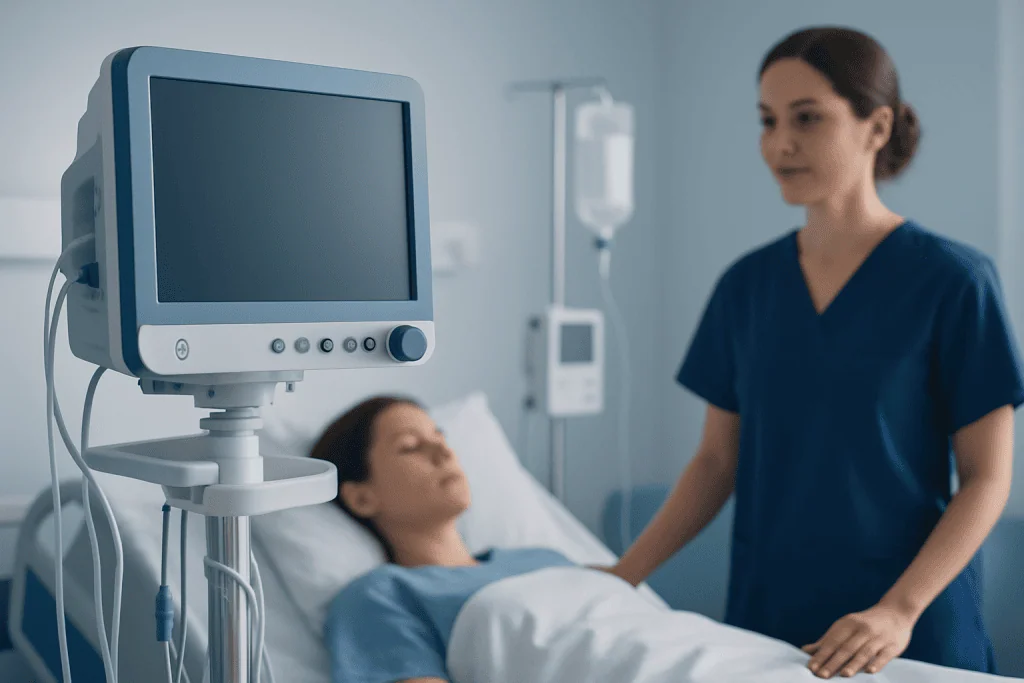
Giardiasis and cryptosporidiosis are infections that may lead to loose or watery stools, abdominal cramps, bloating, nausea, fatigue, and reduced appetite. Symptoms can begin days to weeks after exposure. Some people recover with supportive care, while others have symptoms that persist or interfere substantially with hydration, nutrition, daily activities, or recovery.
Alinia works against certain parasites in the digestive tract. Its active metabolite interferes with biological processes that these organisms need to produce energy. This mechanism does not mean the medicine works against all parasites, all bacteria, or all viruses. In particular, it should not be assumed to replace antibiotics when a bacterial infection requires them, or to treat common viral gastroenteritis.
Evidence and regulatory labeling for nitazoxanide should be interpreted carefully in people with weakened immune systems. The effectiveness of Alinia for diarrhea caused by Cryptosporidium in people with immunodeficiency has not been established. People receiving chemotherapy, taking immune-suppressing medicines, living with advanced HIV infection, or having an organ transplant should seek individualized medical advice rather than relying on general information.
- It may be considered when testing or clinical assessment supports Giardia or Cryptosporidium infection.
- It is not a substitute for fluids and electrolyte replacement during diarrheal illness.
- It should not be shared with another person who has similar symptoms.
How parasite-related diarrhea is diagnosed

Symptoms alone cannot reliably identify the cause of diarrhea. A clinician will usually ask about the timing of symptoms, travel, drinking water sources, swimming exposure, childcare settings, household illness, recent antibiotics, food history, and underlying health conditions. This history helps determine whether infection testing is needed and which causes are most likely.
A stool sample may be examined for parasites or tested using antigen-based or molecular methods. Some parasites are not detected in every sample, so repeat testing may occasionally be requested when symptoms strongly suggest infection but the initial result is negative. Tests may also look for bacterial causes of diarrhea, depending on the clinical situation.
Assessment also includes checking for dehydration and signs of a more serious illness. Children, older adults, pregnant people, and people with chronic medical conditions may become dehydrated more quickly. Medical teams may use blood tests when symptoms are prolonged, severe, associated with significant fluid loss, or accompanied by concerns such as kidney problems or inflammation.
Taking Alinia safely
Alinia should be taken exactly as prescribed. The appropriate form and treatment schedule depend on age, body size, the formulation available, and the infection being treated. Some products are tablets, while others are liquid suspensions intended for children or people who cannot swallow tablets. A pharmacist can help explain how to measure and use a liquid product correctly.
It is generally important to complete the prescribed course unless the prescribing clinician advises otherwise. Stopping early, taking more than directed, or using leftover medication later can make it harder to judge whether symptoms are improving and may delay evaluation of another cause. If a dose is missed, the patient should follow the instructions provided with the prescription or ask a pharmacist for guidance rather than taking an extra dose.
Before starting nitazoxanide, patients should tell their clinician about all prescription medicines, over-the-counter products, vitamins, and herbal supplements they use. Nitazoxanide and its active metabolite are highly protein-bound, so clinicians may consider possible interactions with medicines that have a narrow safety range. People using anticoagulants or other medicines requiring close monitoring should ask their prescriber whether additional monitoring is needed.
Pregnant or breastfeeding individuals should discuss potential benefits and uncertainties with their healthcare professional. Safety information in pregnancy and breastfeeding can be limited for many medicines. The decision to use treatment should consider the severity of the infection, available alternatives, and the individual’s health needs.
Side effects, hydration, and practical recovery
Many people tolerate Alinia without serious problems. Reported side effects may include abdominal pain, nausea, headache, diarrhea, or vomiting. These symptoms can overlap with the infection itself, so a patient should contact the prescribing clinician if symptoms are severe, worsening, or difficult to distinguish from a medicine reaction.
A temporary yellow-green discoloration of urine or the whites of the eyes has been reported with nitazoxanide. This can be related to the medicine or its metabolites and may be harmless, but any new or concerning color change should still be discussed with a healthcare professional, especially if it occurs with rash, severe fatigue, dark urine, pale stools, or yellowing of the skin.
Fluids are an essential part of recovery from diarrhea. Small, frequent amounts of water, oral rehydration solution, broth, or other suitable fluids may be easier to tolerate than large drinks at once. Oral rehydration solutions can be especially helpful when there has been significant fluid loss because they contain a balanced amount of salts and glucose. Infants, young children, older adults, and people with kidney, heart, or metabolic conditions should receive individualized advice about hydration.
Simple foods may be reintroduced as tolerated. Handwashing with soap and safe food and water practices help reduce spread within households. People with diarrhea should avoid preparing food for others when possible and should follow local public-health guidance about returning to school, childcare, work, or swimming.
When to seek medical care
Medical advice is appropriate when diarrhea lasts more than a few days, follows travel or untreated-water exposure, returns repeatedly, or is associated with bloating, weight loss, or ongoing fatigue. A clinician can determine whether stool testing, supportive treatment, or a medicine such as Alinia is appropriate. Self-diagnosing a parasite infection based on symptoms or internet information can lead to unnecessary treatment and missed causes.
Urgent medical assessment is needed for signs of dehydration, such as very little urination, dizziness, fainting, unusual sleepiness, confusion, or inability to keep fluids down. People should also seek prompt care for blood or black stools, high fever, severe or increasing abdominal pain, persistent vomiting, or symptoms in a very young child, frail older adult, or person with a weakened immune system.
If symptoms do not improve after treatment, this does not necessarily mean that the medicine has failed. Reinfection, another infectious cause, a noninfectious digestive condition, or an incorrect initial diagnosis may need consideration. Follow-up care helps ensure that symptoms are evaluated safely and that hydration and nutrition are protected.
Acibadem International’s multidisciplinary specialists and JCI-accredited hospitals can assess persistent digestive symptoms and provide diagnostic and treatment planning for international patients.
Frequently asked questions
Is Alinia an antibiotic?
Alinia is not generally classified as a conventional antibiotic. It contains nitazoxanide, an antiparasitic medicine used for certain intestinal infections caused by protozoa. It should not be used as a replacement for an antibiotic when a clinician has identified a bacterial infection.
What is Alinia usually prescribed for?
Alinia is commonly prescribed for diarrhea caused by Giardia or Cryptosporidium in appropriate patients. A clinician may use stool testing and the person’s symptoms and exposure history to decide whether these parasites are likely. It is not intended for every type of diarrhea.
Can Alinia treat a viral stomach bug?
Most viral stomach illnesses improve with rest, fluids, and symptom-focused care rather than antiparasitic treatment. Alinia should not be assumed to treat viruses that commonly cause gastroenteritis. Medical assessment is useful when symptoms are severe, prolonged, or associated with warning signs.
How quickly does Alinia work?
Improvement can vary depending on the parasite involved, the severity of illness, hydration, and whether another condition is also present. Some symptoms may begin to ease during or after the prescribed course, but bowel habits can take longer to normalize. A person whose symptoms persist or worsen should contact the prescribing clinician.
What are common side effects of Alinia?
Possible side effects include abdominal discomfort, nausea, headache, vomiting, or diarrhea. Some people may notice temporary changes in urine color. Severe allergic symptoms, severe vomiting, worsening abdominal pain, or concerning new symptoms require prompt medical advice.
Can children take Alinia?
Nitazoxanide may be prescribed for children when it is appropriate for their age and diagnosis. Approved age ranges and available formulations differ by country, and young children may require a liquid formulation. A parent or caregiver should use the prescribed measuring device and follow pediatric instructions carefully.
References
- U.S. Food and Drug Administration
- Centers for Disease Control and Prevention
- National Institute of Diabetes and Digestive and Kidney Diseases
- World Health Organization
- National Library of Medicine
This article is for general information only and is not a substitute for professional medical advice. Please consult a qualified doctor about your individual situation.
Persistent digestive symptoms? Get evaluated in Turkey
JCI-accredited · board-certified surgeons · reply within 24h
Add us as a Preferred Source to see more of our trusted health content across Google Search, AI Overviews and Discover.