Allogeneic Stem Cell Transplant Precautions: Procedure, Recovery and Results

Allogeneic transplantation replaces diseased bone marrow with blood-forming stem cells from a donor. Infection precautions are particularly important before blood counts recover and while immune-suppressing medicines are needed.
Key Takeaways
- Allogeneic transplantation replaces diseased bone marrow with blood-forming stem cells from a donor.
- Infection precautions are particularly important before blood counts recover and while immune-suppressing medicines are needed.
- Graft-versus-host disease can affect the skin, digestive system, liver, eyes, mouth, lungs, and other organs, so early symptom reporting matters.
- Many people need several months to resume usual activities, while immune recovery may take a year or longer.
- Outcomes vary substantially; the transplant team can explain prognosis using the individual diagnosis, disease status, donor type, and health history.
Allogeneic stem cell transplant precautions focus on preventing infection, taking medicines exactly as prescribed, attending close follow-up, and reporting new symptoms promptly. Recovery is gradual and differs by the underlying disease, donor match, conditioning treatment, complications, and overall health.
Overview: allogeneic stem cell transplant precautions
Allogeneic stem cell transplant precautions are practical measures used before and after transplant to lower the risk of serious infection, medication problems, bleeding, and graft-versus-host disease (GVHD). They include careful hand hygiene, food and environmental safety, avoiding exposure to people who are unwell, taking prescribed medicines on schedule, and contacting the transplant team promptly about symptoms.
An allogeneic stem cell transplant, sometimes called an allogeneic bone marrow transplant, uses healthy blood-forming stem cells from another person. The donor may be a matched sibling, an unrelated volunteer donor, a partially matched relative, or, in selected settings, a cord blood donor. The new cells travel to the bone marrow, where they can begin producing blood cells and rebuilding immune function.
This treatment may be used for certain leukemias, lymphomas, myelodysplastic syndromes, bone marrow failure disorders, and some inherited blood or immune conditions. It is a complex treatment with important risks, but it can offer long-term disease control or cure for selected people. Allogeneic stem cell transplantation is planned and monitored by a specialist transplant team.
How allogeneic transplantation works and who may be a candidate
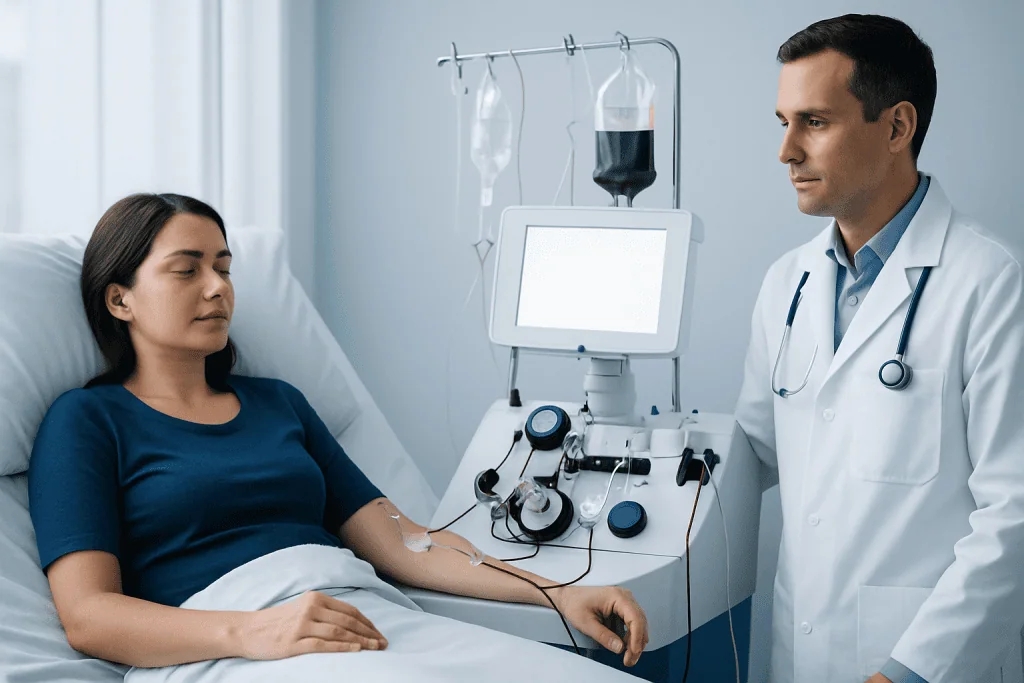
Before donor cells are given, the recipient usually receives conditioning treatment. This may include chemotherapy, radiation therapy, or lower-intensity medicines that reduce existing bone marrow cells, suppress the immune system enough to allow donor cells to engraft, and help treat remaining disease. The intensity is chosen according to the condition being treated, age, organ function, prior treatment, and general fitness.
The donor’s stem cells are most often collected from circulating blood after medication stimulates stem cell release. In some cases, they are collected directly from bone marrow under anesthesia. The cells are infused into a vein, much like a blood transfusion. They then move through the bloodstream to the marrow spaces and, if engraftment occurs, begin making red blood cells, white blood cells, and platelets.
Candidacy is assessed individually. The team considers the diagnosis, how the disease has responded to treatment, availability and suitability of a donor, heart, lung, liver and kidney function, active infections, and the person’s ability to manage intensive follow-up. A transplant is not automatically the best option for every person; its likely benefits are weighed carefully against short- and long-term risks.
What happens during the procedure: step by step

Transplant planning begins with detailed blood tests, imaging or heart and lung assessments when needed, infection screening, and donor matching. The care team also reviews medicines, vaccination history, dental health, nutrition, fertility considerations, emotional support, caregiver needs, and practical arrangements for frequent appointments.
During conditioning, patients may be admitted to hospital or receive some treatment as an outpatient, depending on the regimen and local practice. A central venous catheter is commonly used for treatment, blood samples, transfusions, nutrition support, and the stem cell infusion. Preventive medicines are typically prescribed to help reduce bacterial, viral, fungal, and GVHD-related complications.
The stem cell infusion itself is usually not surgery and does not involve placing cells directly into bone. The recipient is monitored during and after the infusion for reactions. Over the following days and weeks, blood counts usually fall before donor cells engraft. This low-count period is when infection, anemia, mouth sores, fatigue, bruising, and bleeding may be most likely, and close clinical monitoring is essential.
Engraftment is checked with frequent blood counts and, in some cases, donor chimerism testing, which estimates the proportion of blood cells coming from the donor. Even after counts improve, the immune system remains immature for some time, so precautions and follow-up continue after discharge.
Recovery timeline and daily precautions
Recovery occurs in stages. The first several weeks are often the most medically intensive, particularly while white blood cell and platelet counts are low. Many patients remain in hospital during this period, although some programs use closely supervised outpatient pathways. After discharge, appointments and blood tests are frequent, and plans may change quickly if symptoms or laboratory results suggest a complication.
For several months, patients are generally advised to avoid close contact with people who have fever, cough, vomiting, diarrhea, chickenpox, shingles, influenza, or other contagious illness. Good handwashing, well-cooked foods, careful food storage, safe water practices, and avoiding construction dust, gardening soil, and animal waste may be recommended. The precise restrictions depend on blood counts, immune-suppressing medicines, local infection risks, and the transplant center’s guidance.
Medicines for infection prevention and GVHD prevention must be taken exactly as directed. Patients should not start vitamins, herbal products, over-the-counter medicines, or new prescriptions without checking with their transplant clinician because interactions can be important. Sun protection, gentle physical activity as tolerated, adequate rest, and nutrition support can also help recovery.
Family members and caregivers are an important part of safe recovery. They should follow hygiene guidance, keep vaccinations up to date when appropriate, avoid visiting when ill, and understand whom to call for urgent concerns. Acibadem International’s multidisciplinary specialists and JCI-accredited hospitals provide evaluation and transplant care for international patients, with follow-up plans tailored to clinical needs.
Risks, benefits and results after transplant
The potential benefit of an allogeneic transplant is that donor immune cells may recognize and attack remaining cancer cells, an effect called graft-versus-leukemia or graft-versus-tumor activity. For some non-cancerous marrow and immune disorders, donor stem cells can replace a poorly functioning or genetically affected blood-forming system.
Important complications can include infection, bleeding, organ effects from treatment, relapse of the original disease, graft failure, and GVHD. Acute GVHD often develops in the first months and may cause a new rash, persistent nausea or diarrhea, abdominal pain, jaundice, or abnormal liver tests. Chronic GVHD can occur later and may affect the skin, eyes, mouth, lungs, joints, genital tissues, or other areas. Many cases can be treated, and early assessment is important.
Longer-term care may include monitoring for hormonal changes, bone health concerns, cataracts, fertility effects, heart or lung complications, secondary cancers, and emotional wellbeing. Revaccination is commonly needed because prior vaccine protection may be reduced after transplant. The team will provide an individualized schedule once immune recovery and treatment status allow it.
Results cannot be summarized by one number. Survival and relapse risk differ according to the disease, disease stage, response before transplant, age, overall health, donor relationship and match, conditioning regimen, and complications after transplant. The transplant physician is the best person to explain what published outcome data mean for an individual situation.
When to seek medical care
Patients should follow the contact instructions provided by their transplant center, as fever and other symptoms may require same-day assessment. In general, a temperature of 38°C (100.4°F) or higher, chills, new cough, shortness of breath, chest pain, confusion, severe headache, or marked weakness should be reported urgently. The team may advise immediate evaluation even when symptoms seem mild.
Other reasons to call promptly include persistent vomiting or diarrhea, inability to keep medicines or fluids down, a new or rapidly spreading rash, yellowing of the eyes or skin, mouth sores that prevent eating or drinking, unusual bruising or bleeding, pain or redness around a catheter, painful urination, or reduced urine output. Patients should not wait for a scheduled appointment if symptoms are worsening.
Emergency services should be contacted for severe breathing difficulty, fainting, uncontrolled bleeding, sudden confusion, seizure, or other signs of a medical emergency. Because transplant patients may be immunosuppressed, it is safest to tell emergency clinicians about the transplant history and current medicines.
Frequently asked recovery questions
How long does it take to recover from an allogeneic bone marrow transplant? Initial blood count recovery often occurs over several weeks, but full recovery takes much longer. Many people need several months before daily strength and stamina improve, and immune recovery may take one year or more, especially if GVHD or immune-suppressing treatment continues. The schedule varies widely, so the transplant team’s guidance is more reliable than a fixed timeline.
What are the worst days after a stem cell transplant? The most difficult period is often the time after conditioning and before engraftment, when blood counts are at their lowest. Fatigue, nausea, mouth and throat soreness, diarrhea, infection risk, and the need for transfusions or intravenous support may be greatest then. Not everyone has the same experience, and the team can provide symptom relief and monitoring throughout this phase.
Can you be around people after a stem cell transplant? Yes, but contact should be planned carefully. During early recovery, patients should avoid anyone who is sick and crowded indoor settings, and they should follow the center’s instructions on masks, hand hygiene, visitors, food preparation, pets, travel, and public activities. Safe social connection with well household members and caregivers can be valuable, provided recommended precautions are followed.
What is the survival rate after an allogeneic stem cell transplant? There is no single survival rate that applies to all recipients. Outcomes depend strongly on the underlying disease, whether it is in remission, donor match, recipient health, transplant approach, and complications such as GVHD or infection. A transplant specialist can discuss center-specific and disease-specific outcome information in the context of the individual’s circumstances.
Frequently asked questions
What should be avoided after an allogeneic stem cell transplant?
Patients are commonly advised to avoid exposure to people who are ill, crowded indoor settings during early recovery, undercooked or poorly stored foods, and activities involving soil, mulch, dust, or animal waste. The exact restrictions differ between patients and change as blood counts and immune function recover. The transplant team should provide the personal precautions to follow.
Why are infection precautions needed after transplant?
Conditioning treatment and immune-suppressing medicines reduce the body’s ability to fight infections. Although donor blood cells may engraft within weeks, immune recovery is slower and can be delayed further by GVHD or its treatment. Prevention measures and rapid reporting of fever help the team treat infections early.
What is graft-versus-host disease?
Graft-versus-host disease occurs when donor immune cells react against tissues in the recipient’s body. It may be acute or chronic and can affect different organs, including the skin, digestive tract, liver, eyes, mouth, and lungs. Preventive medicines lower the risk, but any new rash, diarrhea, jaundice, dry eyes, or breathing symptoms should be discussed promptly with the transplant team.
When can a person return to work or school after transplant?
Return to work or school depends on recovery, infection risk, energy levels, job or classroom exposure, and whether immune-suppressing treatment is still needed. Some people return gradually after several months, while others need longer. A phased plan should be agreed with the transplant physician and, when relevant, occupational health or school support staff.
Will vaccines be needed again after an allogeneic transplant?
Many people need to repeat selected vaccinations after transplant because immunity from earlier vaccines may be lost or weakened. Vaccines are given on a planned schedule once the transplant team considers it safe, and live vaccines are generally delayed or avoided while immune suppression is present. Household vaccination advice may also be part of the recovery plan.
Can allogeneic transplant patients travel?
Travel may be restricted during early recovery because frequent monitoring is needed and exposure to infections may be higher. Later travel may be possible with the transplant team’s approval, a medicine plan, access to medical care at the destination, and appropriate infection precautions. International travel should be discussed well in advance.
References
- National Cancer Institute
- American Society of Hematology
- Centers for Disease Control and Prevention
- National Marrow Donor Program
- European Society for Blood and Marrow Transplantation
This article is for general information only and is not a substitute for professional medical advice. Please consult a qualified doctor about your individual situation.
Stem Cell Transplant in Turkey — costs, top hospitals & a free quote
JCI-accredited · board-certified surgeons · reply within 24h
Add us as a Preferred Source to see more of our trusted health content across Google Search, AI Overviews and Discover.

Organ Transplantation
Kidney, liver and bone-marrow transplantation programs with dedicated coordination.
4 specialists in this unit