Allopurinol and Chemo: How It Works, Results and What to Expect

Allopurinol lowers the production of uric acid and can help prevent complications linked with rapid cancer-cell breakdown. It is most often considered before or during treatment for cancers with a higher risk of tumor lysis syndrome, including some leukemias and lymphomas.
Key Takeaways
- Allopurinol lowers the production of uric acid and can help prevent complications linked with rapid cancer-cell breakdown.
- It is most often considered before or during treatment for cancers with a higher risk of tumor lysis syndrome, including some leukemias and lymphomas.
- Blood tests and hydration are important because allopurinol does not remove uric acid already present in the bloodstream.
- Allopurinol can interact with some medicines and may cause side effects, including uncommon but serious skin reactions.
- Patients should take it exactly as prescribed and contact their cancer team promptly about rash, fever, reduced urination, or other concerning symptoms.
Allopurinol and chemo are sometimes used together to help prevent high uric acid levels during cancer treatment, particularly when chemotherapy may rapidly destroy many cancer cells. It is a supportive medicine rather than a chemotherapy drug, and the oncology team determines whether it is needed based on cancer type, treatment plan, blood tests, and kidney function.
Overview: Why Allopurinol May Be Used With Chemotherapy
Allopurinol and chemo may be used together when there is a risk that cancer treatment will break down a large number of cancer cells quickly. As these cells break apart, they release substances into the blood, including purines that the body converts into uric acid. High uric acid can form crystals and contribute to kidney injury, especially when it occurs alongside other electrolyte changes.
This rapid cell breakdown is called tumor lysis syndrome (TLS). It is most often associated with blood cancers that respond quickly to treatment, such as certain leukemias and lymphomas, but it can occur with other cancers in selected circumstances. Allopurinol is supportive care: it does not treat the cancer itself or replace chemotherapy.
The need for allopurinol is individualized. The oncology team considers the type and amount of cancer present, the planned treatment, baseline uric acid and kidney function, hydration status, and other medical conditions. Some people have low TLS risk and do not need preventive medicine, while people at higher risk may need closer monitoring and a different uric-acid-lowering medicine.
How Allopurinol Works During Cancer Treatment
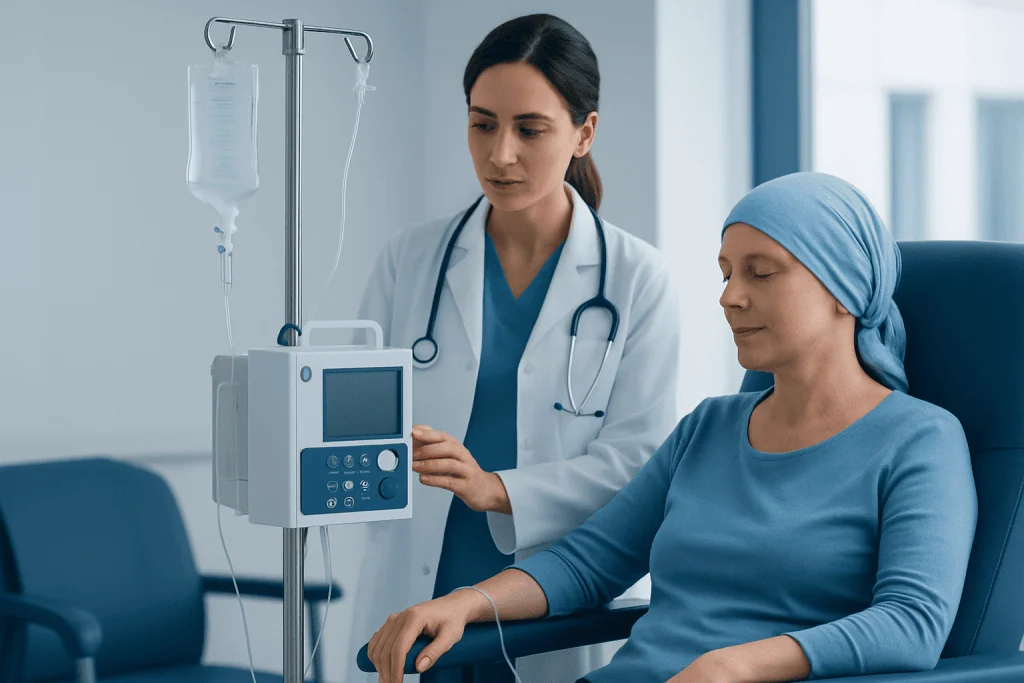
Allopurinol blocks an enzyme called xanthine oxidase. This enzyme is involved in the body’s production of uric acid. By reducing new uric acid formation, allopurinol helps limit the rise in uric acid that can follow the destruction of cancer cells.
It is important to understand what allopurinol does not do. It does not rapidly remove uric acid that is already circulating in the blood. For patients with very high uric acid levels or a high risk of severe TLS, clinicians may use rasburicase instead of, or in carefully selected situations alongside, other measures because it lowers existing uric acid more quickly.
Allopurinol is usually combined with appropriate fluid intake and regular laboratory monitoring. The care team may check uric acid, potassium, phosphate, calcium, creatinine, and other values before treatment and at intervals during the period of greatest risk. These checks allow clinicians to respond early if TLS-related changes develop.
Who May Be a Candidate for Allopurinol With Chemo

Allopurinol may be recommended for people starting cancer therapy when their clinical situation suggests a meaningful risk of uric acid increasing. This is commonly considered in fast-growing, treatment-sensitive blood cancers, including acute leukemias and aggressive lymphomas. Risk can be higher when there is a large cancer burden, high cell-turnover markers in blood tests, pre-existing kidney impairment, dehydration, or elevated uric acid before treatment begins.
It may be started before chemotherapy, sometimes shortly before the first treatment, so that it is already reducing uric acid production when cancer cells begin to break down. The exact timing, route, and duration depend on the treatment setting and a person’s test results. Hospital admission may be advised for people whose risk calls for intensive fluids and frequent blood testing.
Allopurinol is not appropriate for every patient. The team will review previous reactions to allopurinol, kidney and liver function, current medicines, and conditions that could affect safety. People with certain inherited enzyme deficiencies may require special consideration if rasburicase is being considered as an alternative.
Supportive measures are an important part of cancer care, alongside treatments such as chemotherapy. Patients should not start, stop, or share allopurinol without guidance from their oncology clinician.
What to Expect: Step by Step
Before chemotherapy begins, the oncology team assesses TLS risk through medical history, examination findings, imaging when relevant, and blood tests. They will explain whether allopurinol is recommended, when to begin it, and how long to continue it. Patients should provide a complete list of prescription medicines, over-the-counter products, vitamins, and herbal supplements.
If prescribed, allopurinol is commonly taken by mouth; in some hospital situations it may be given intravenously. It should be taken exactly according to the prescribed schedule. Unless a clinician has advised fluid restriction, patients are often encouraged to drink fluids because hydration supports kidney function and helps the body clear waste products.
During the first days of chemotherapy or other cancer treatment, blood tests may be repeated frequently depending on the level of risk. The team may adjust fluids, medicines, or the monitoring plan based on these results. In higher-risk cases, treatment may take place in hospital so changes can be managed promptly.
Once the period of rapid cancer-cell breakdown has passed and laboratory values are stable, the clinician will decide when allopurinol can be stopped. It should not be continued longer than advised simply because chemotherapy is ongoing; its use for TLS prevention has a specific purpose and time frame.
Benefits, Risks, and Medicine Interactions
The main benefit of allopurinol in this setting is reducing the formation of uric acid and helping lower the chance of uric-acid-related kidney complications during cancer treatment. When selected appropriately and combined with hydration and monitoring, it is an established part of TLS prevention for many patients.
Many people tolerate allopurinol well, but side effects can occur. These may include nausea, diarrhea, drowsiness, or changes in liver blood tests. A rash requires prompt medical advice because, rarely, allopurinol can cause severe hypersensitivity reactions involving the skin and internal organs. The risk may be higher in some people with kidney disease and in individuals with certain genetic backgrounds.
Allopurinol can affect how the body handles several medicines. Of particular importance, it can increase the effects of thiopurine medicines such as azathioprine and mercaptopurine, which may require substantial dose changes or an alternative approach. Clinicians also review drugs such as warfarin, some antibiotics, diuretics, and other medicines that may affect kidney function or increase the likelihood of adverse effects.
- Tell the cancer team immediately about a new rash, mouth sores, fever, facial swelling, or trouble breathing.
- Report markedly reduced urination, severe vomiting, unusual weakness, muscle cramps, palpitations, or confusion.
- Do not use non-prescribed anti-inflammatory medicines or supplements for symptoms without checking with the oncology team.
Recovery Timeline, Self-Care, and Monitoring
There is no separate recovery period from allopurinol in the way there may be after surgery. Its role is usually limited to the window when tumor lysis risk is highest, which may begin before treatment and continue for several days or longer depending on the cancer and response to therapy. The oncology team follows laboratory results to determine when extra monitoring and preventive treatment are no longer required.
Patients can support their care by attending scheduled blood tests, following individualized hydration instructions, and taking medicines consistently. A balanced diet is generally more important than making major short-term dietary restrictions. Although allopurinol is also used for gout, its role during cancer therapy is different, and gout-focused diet advice should not replace the cancer team’s plan.
Kidney function can influence both risk and medication planning. People who already have kidney disease may need adjusted treatment and more frequent monitoring. Symptoms caused by chemotherapy, such as nausea or poor appetite, can make it harder to drink enough fluid, so patients should tell the care team early if they cannot keep fluids down.
Acibadem International’s multidisciplinary specialists and JCI-accredited hospitals support international patients with cancer treatment planning, supportive care, and monitoring tailored to their clinical needs.
When to Seek Medical Care
Patients should contact their oncology team promptly if they develop a rash after starting allopurinol, even if it seems mild. Urgent assessment is especially important for rash with fever, blistering, peeling skin, mouth or eye sores, facial swelling, or breathing difficulty. These symptoms can signal a serious medicine reaction and should not be managed at home.
Immediate medical advice is also needed for symptoms that may occur with significant metabolic changes or kidney problems, including very little urine, persistent vomiting, severe weakness, new confusion, fainting, chest discomfort, a fast or irregular heartbeat, or painful muscle cramps. These symptoms do not always mean TLS, but they need timely evaluation during cancer treatment.
Fever during chemotherapy should always be taken seriously because it may indicate infection, particularly when white blood cell levels are low. Patients should follow the urgent-contact instructions provided by their cancer center rather than waiting for a routine appointment.
Frequently asked questions
Does allopurinol make chemotherapy work better?
Allopurinol does not directly make chemotherapy more effective against cancer. It is used as supportive care to reduce uric acid production when cancer cells may break down quickly after treatment. This can help lower the risk of complications from tumor lysis syndrome.
How long is allopurinol taken with chemotherapy?
The duration varies according to the cancer type, tumor lysis risk, laboratory results, and response to treatment. It is often used around the start of therapy, when rapid cell breakdown is most likely. The oncology team will say when it is safe to stop.
Can allopurinol prevent all cases of tumor lysis syndrome?
No medicine can prevent every case. Allopurinol lowers the production of new uric acid, but tumor lysis syndrome can also involve other electrolyte changes. Hydration, laboratory monitoring, and sometimes other medicines are important parts of prevention and management.
Should a person drink more water while taking allopurinol during chemo?
Adequate hydration is commonly recommended because it supports kidney function and helps clear waste products. However, fluid goals must be individualized for people with heart failure, kidney disease, or other conditions requiring fluid limits. Patients should follow their oncology team’s specific advice.
What side effects of allopurinol require urgent attention?
A new rash should be reported promptly, and urgent care is needed for rash with fever, blisters, peeling skin, mouth sores, swelling of the face, or breathing problems. Markedly reduced urination, persistent vomiting, confusion, severe weakness, or palpitations also warrant rapid medical assessment during cancer treatment.
Can allopurinol be taken with other cancer medicines?
Often it can, but the prescribing team must review the full medication list. Allopurinol has clinically important interactions with some medicines, including azathioprine and mercaptopurine. Patients should not add or stop any prescription, supplement, or over-the-counter medicine without checking with their oncology clinician.
References
- National Cancer Institute
- American Society of Clinical Oncology
- National Comprehensive Cancer Network
- U.S. Food and Drug Administration
- Leukemia & Lymphoma Society
This article is for general information only and is not a substitute for professional medical advice. Please consult a qualified doctor about your individual situation.
Oncology care in Turkey — second opinion and treatment plan
JCI-accredited · board-certified surgeons · reply within 24h
Add us as a Preferred Source to see more of our trusted health content across Google Search, AI Overviews and Discover.

More from the Health Library


Related Specialists

Prof. Dr. Süleyman Özyalçin
Treatment of Pain Algology
Selvî Yüce
Physical Medicine & Rehabilitation
Fatma Yilmaz
Physical Medicine & Rehabilitation
Assoc. Prof. Dr. Saygın Abalı
Pediatric Endocrinology