Alternatives to Colonoscopy: Preparation, Procedure and Results
The best alternative to colonoscopy depends on whether the goal is routine screening or evaluation of symptoms. FIT and stool DNA tests are performed at home and do not require sedation or bowel preparation, although follow-up colonoscopy is needed if results are abnormal.
Key Takeaways
- The best alternative to colonoscopy depends on whether the goal is routine screening or evaluation of symptoms.
- FIT and stool DNA tests are performed at home and do not require sedation or bowel preparation, although follow-up colonoscopy is needed if results are abnormal.
- CT colonography and colon capsule endoscopy examine the bowel more directly but usually require bowel cleansing beforehand.
- Colonoscopy remains the only test that can inspect the colon, remove polyps and collect tissue samples in one procedure.
- New or persistent rectal bleeding, unexplained anemia, weight loss or a lasting change in bowel habits should be medically assessed rather than managed with screening tests alone.
Alternatives to colonoscopy can help screen for colorectal cancer or investigate selected bowel symptoms, depending on a person’s risk factors and clinical needs. Stool-based tests, CT colonography and colon capsule endoscopy are useful options, but none can remove a polyp or take a biopsy, so an abnormal result commonly leads to colonoscopy.
Overview: Choosing Alternatives to Colonoscopy
Alternatives to colonoscopy include stool-based screening tests, CT colonography (virtual colonoscopy), and colon capsule endoscopy. They may be appropriate for some adults at average risk of colorectal cancer or for selected situations where standard colonoscopy is not suitable. The right choice depends on age, family history, symptoms, prior test findings, other medical conditions and local screening recommendations.
These options are not interchangeable in every situation. Colonoscopy allows a gastroenterologist to view the full colon and, during the same procedure, remove polyps or take biopsies from suspicious areas. Non-invasive tests can identify signs that further investigation may be needed, but they cannot treat or sample an abnormality. A positive or unclear result generally needs follow-up with colonoscopy.
For people without symptoms and without major risk factors, a clinician may discuss several screening methods. For people with bleeding, iron-deficiency anemia, an abnormal stool test, a history of polyps, inflammatory bowel disease, or a strong family history of colorectal cancer, colonoscopy is often the more informative test from the outset.
How the Main Tests Work
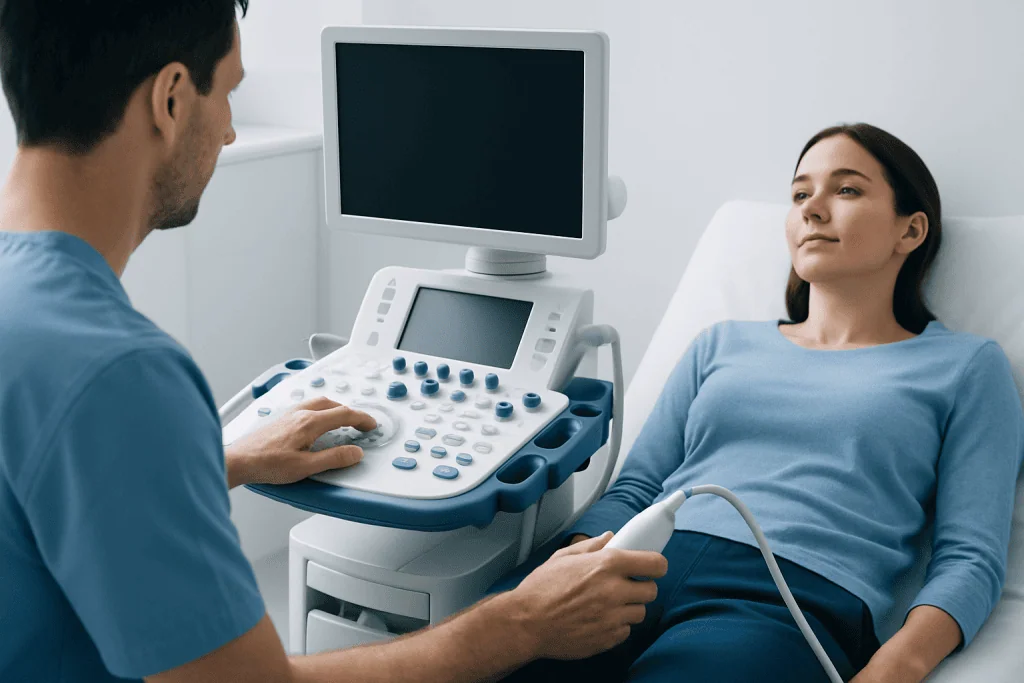
Stool tests look for findings that may be linked to colorectal cancer or certain larger polyps. The fecal immunochemical test (FIT) detects tiny amounts of blood in stool that may not be visible. A stool DNA test combines blood detection with analysis of altered DNA shed from cells in the colon. These samples are usually collected at home and sent to a laboratory, without sedation or bowel cleansing.
CT colonography uses a CT scanner to create detailed images of the colon. A small tube is placed in the rectum to gently introduce air or carbon dioxide, helping expand the bowel for imaging. It does not require a scope to travel through the colon, but it commonly requires dietary changes and laxative preparation in advance.
Colon capsule endoscopy involves swallowing a capsule containing small cameras. As it moves through the digestive tract, it captures images that are reviewed by trained clinicians. It may be considered when colonoscopy is incomplete or cannot be performed, although bowel preparation is still essential and it is not appropriate for everyone, particularly people with a suspected bowel blockage.
Flexible sigmoidoscopy is another lower-bowel examination that uses a short flexible scope to view the rectum and lower part of the colon. It may be combined with stool testing in certain screening programmes, but it does not inspect the entire colon. Symptoms involving the digestive tract may also require assessment for conditions such as colon cancer or other bowel disorders.
What Is the New Alternative for Colonoscopy Prep?
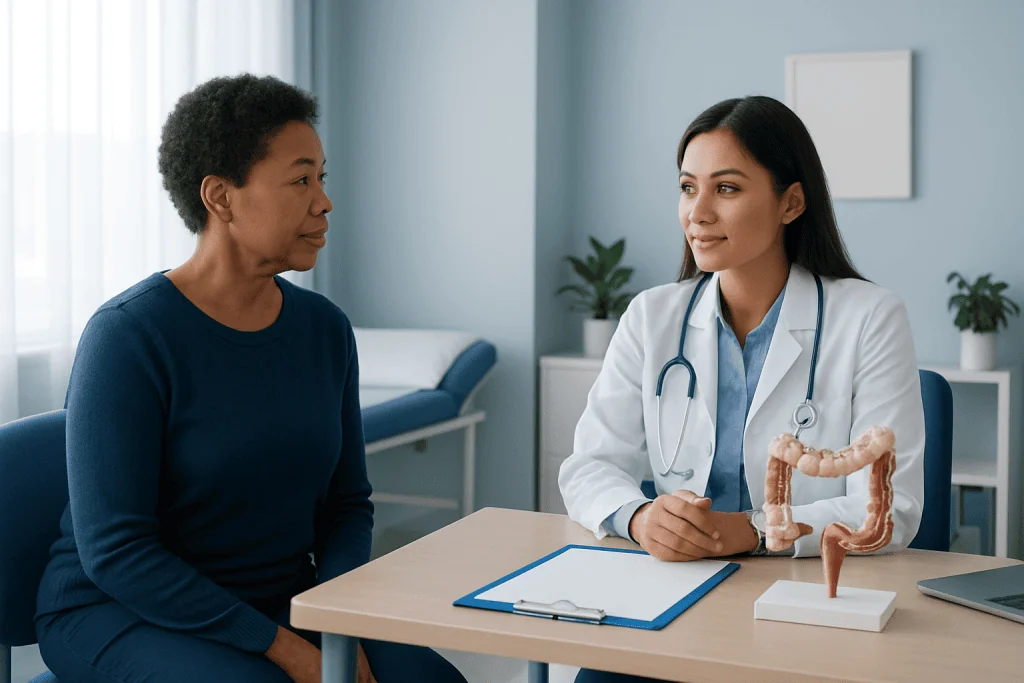
There is no single new preparation that replaces bowel cleansing for every colon examination. For CT colonography and colon capsule endoscopy, the bowel usually needs to be as clean as possible so that stool does not hide polyps or mimic an abnormality. Preparation often includes a temporary low-fibre diet, clear fluids and prescribed laxative products, with exact instructions varying by test and facility.
Some imaging centres use stool-tagging approaches for CT colonography. A contrast agent is taken before the scan so remaining stool can be distinguished from the bowel lining on images. This may reduce the intensity of preparation for selected patients, but it does not mean that preparation can always be skipped.
By contrast, FIT does not generally require dietary restrictions or laxative bowel preparation. Stool DNA testing is also usually performed without bowel cleansing. These are simpler preparation options, but they are screening tests rather than direct visual examinations; an abnormal result still requires diagnostic colonoscopy.
A person should follow the preparation instructions provided for their specific test, including guidance about regular medicines, diabetes medicines, iron supplements and blood-thinning medicines. Changes to prescribed medication should only be made after discussing them with the clinician who manages that treatment.
What Is the 90 Second Test Instead of a Colonoscopy?
The phrase “90 second test” is sometimes used in advertisements or informal discussions to describe a quick sample collection process, usually a stool-based screening test. Collecting a stool sample may take only a short time, but the full process includes laboratory analysis, reporting and follow-up. It is important not to interpret the collection time as meaning that the test provides an immediate or complete substitute for colonoscopy.
FIT is one of the most widely used simple screening tests. It looks for hidden blood in stool, which can occur for several reasons, including polyps, colorectal cancer, hemorrhoids or inflammation. A positive FIT does not diagnose cancer, and a negative result does not rule out every bowel problem, particularly in someone with concerning symptoms.
Stool DNA testing is another home-collected option, but it also requires laboratory processing and has different follow-up intervals and eligibility criteria. A clinician can explain which test is available and suitable in the person’s country and whether screening should begin or occur more often because of personal risk.
What Can You Do Instead of Getting a Colonoscopy?
For average-risk colorectal cancer screening, a person may be able to choose a stool-based test, CT colonography, colon capsule endoscopy, or in some settings flexible sigmoidoscopy. The decision should balance the test’s accuracy, the need for bowel preparation, the possibility of sedation, personal preferences and whether a follow-up colonoscopy would be acceptable if an abnormality is found.
Stool tests are convenient and avoid invasive procedures, but they need to be repeated at recommended intervals and cannot detect every polyp or cancer. CT colonography provides an image of the full colon and is usually completed without sedation, but it exposes the patient to a small amount of radiation and may reveal findings outside the colon that require additional assessment.
Capsule endoscopy avoids insertion of a conventional colonoscope and does not use radiation. However, it requires a rigorous cleansing regimen, takes longer than a scan, may not provide adequate images if preparation is incomplete, and cannot remove a polyp. If a relevant finding is identified, conventional colonoscopy is needed.
For individuals with high-risk features or symptoms, choosing an alternative simply to avoid colonoscopy may delay a diagnosis. Gastroenterology specialists can help determine whether a less invasive option is clinically appropriate or whether direct examination is safer and more useful.
What Is the New Test Instead of a Colonoscopy?
There is not one universal “new test” that replaces colonoscopy. Newer or increasingly available approaches include stool DNA testing, advanced FIT programmes, CT colonography and colon capsule endoscopy. Each test serves a different role, and availability varies between countries and healthcare systems.
Blood tests intended to detect signals associated with colorectal cancer are also being developed and evaluated. While they may become useful additions to screening in certain settings, they do not currently replace established screening strategies for most people. A blood-based result, like a stool-test result, may need confirmation through colonoscopy if it is abnormal.
The most suitable test is therefore not necessarily the newest one. A useful screening programme is one that is evidence-based, matched to the person’s risk level, available at the recommended interval, and followed by timely diagnostic assessment when needed. This discussion is especially important for people with a relative who has had colorectal cancer or advanced polyps.
Procedure, Recovery, Benefits and Limitations
For a stool test, the individual receives a collection kit and follows its instructions at home. The sample is returned or mailed according to local directions, and results are usually reported after laboratory analysis. There is no sedation, recovery period or interruption to usual activities, although a clinician should be contacted promptly if symptoms are present regardless of the test result.
For CT colonography, dietary and bowel-cleansing instructions are followed beforehand. At the appointment, a small rectal tube is used to inflate the colon gently, and images are obtained while the person lies in different positions. The scan itself is usually brief. Mild bloating or cramping may occur temporarily, and most people return to regular activities soon afterward.
For capsule endoscopy, the patient completes the prescribed bowel preparation, swallows the capsule and wears or carries an image-recording device. They are given instructions about drinking, eating and activities while the capsule travels through the bowel. The capsule is passed naturally, often within a day or two. Rarely, it can become retained, particularly when narrowing of the bowel is present.
The main benefit of these approaches is that they can make colorectal screening more accessible for people who cannot or prefer not to have immediate colonoscopy. Their key limitation is that an abnormal test may create a second step: colonoscopy for confirmation, biopsy or polyp removal. Acibadem International’s multidisciplinary specialists and JCI-accredited hospitals assess digestive concerns and provide diagnostic testing and treatment for international patients.
When to Seek Medical Care
Medical care should be sought promptly for visible blood in the stool, black or tar-like stool, persistent abdominal pain, a lasting change in bowel habits, unexplained weight loss, ongoing fatigue, or suspected iron-deficiency anemia. These symptoms have many possible causes, but they should be assessed rather than attributed to stress, diet or hemorrhoids without medical advice.
People with a positive stool screening test should arrange follow-up as advised, even if they feel well. Likewise, anyone with a personal history of colorectal polyps or cancer, longstanding inflammatory bowel disease, or a close family history of colorectal cancer should ask a doctor about an individualized screening plan.
Urgent assessment is appropriate for heavy rectal bleeding, severe or worsening abdominal pain, fainting, severe weakness, vomiting with abdominal swelling, or an inability to pass stool or gas. A clinician can determine whether urgent imaging, blood tests, colonoscopy or another investigation is needed.
Frequently asked questions
Can a stool test replace a colonoscopy?
A stool test can be an appropriate colorectal cancer screening option for some people at average risk. However, it cannot remove polyps or take biopsies, and a positive result usually needs follow-up colonoscopy. People with significant symptoms or higher risk may need colonoscopy rather than a stool test.
Do alternatives to colonoscopy require bowel preparation?
FIT and many stool DNA tests usually do not require bowel cleansing. CT colonography and colon capsule endoscopy commonly do require dietary changes and laxative preparation because a clean colon improves the accuracy of images. The exact plan depends on the test and the healthcare provider.
Is CT colonography as accurate as colonoscopy?
CT colonography can be effective for identifying many larger polyps and cancers, but its performance may be lower for smaller lesions and it cannot collect tissue or remove polyps. If a possible polyp or cancer is found, colonoscopy is generally needed. A doctor can explain whether it is suitable for a particular screening situation.
Is capsule endoscopy painful?
Swallowing a colon capsule is usually not painful, and the camera travels through the digestive tract naturally. The bowel preparation can be the most demanding part of the process. Capsule retention is uncommon but may be a concern when there is a known or suspected narrowing in the bowel.
What happens after a positive FIT result?
A positive FIT means blood was detected in the stool sample, but it does not confirm cancer. The usual next step is diagnostic colonoscopy to identify the source of bleeding and remove or biopsy any abnormal tissue if necessary. Follow-up should not be delayed, even when there are no symptoms.
Can someone with symptoms choose a screening test instead of colonoscopy?
Screening tests are designed mainly for people without symptoms. A person with rectal bleeding, unexplained anemia, persistent bowel changes, weight loss or concerning abdominal symptoms should speak with a doctor, who may recommend colonoscopy or another targeted diagnostic evaluation. A negative screening test should not be used to dismiss ongoing symptoms.
References
- World Health Organization
- American Cancer Society
- United States Preventive Services Task Force
- National Institute for Health and Care Excellence
- European Society of Gastrointestinal Endoscopy
This article is for general information only and is not a substitute for professional medical advice. Please consult a qualified doctor about your individual situation.
Persistent digestive symptoms? Get evaluated in Turkey
JCI-accredited · board-certified surgeons · reply within 24h
Add us as a Preferred Source to see more of our trusted health content across Google Search, AI Overviews and Discover.

More from the Health Library


Related Specialists

Dr. Münir Ali Bilgehan
Urology
Dr. Ahmad Nejat Ghaffarı
Infectious Diseases & Clinical Microbiology
Dr. Esen Canbaz
Ophthalmology
Dr. Nezail Demirciler
Aesthetic Plastic & Reconstructive Surgery