AML Leukemia Chemotherapy: How It Works, Results and What to Expect

AML chemotherapy commonly includes an induction phase followed by consolidation treatment. The treatment plan depends on AML genetic findings, age, overall health and whether AML is newly diagnosed or has returned.
Key Takeaways
- AML chemotherapy commonly includes an induction phase followed by consolidation treatment.
- The treatment plan depends on AML genetic findings, age, overall health and whether AML is newly diagnosed or has returned.
- Bone marrow tests and blood tests, rather than symptoms alone, show whether chemotherapy is working.
- Low blood counts, infection risk, fatigue and nausea are common temporary effects that require close supportive care.
- AML can progress quickly, so suspected symptoms and abnormal blood tests should be assessed promptly by a hematology team.
AML leukemia chemotherapy is a main treatment for many people with acute myeloid leukemia (AML). It is usually given in phases to bring the leukemia into remission and then lower the chance that it returns, while the care team closely monitors blood counts, infections and treatment response.
Overview: how AML leukemia chemotherapy works
AML leukemia chemotherapy is treatment with anti-cancer medicines that target rapidly dividing leukemia cells in the bone marrow and blood. Acute myeloid leukemia develops when immature myeloid cells multiply uncontrollably, crowding out healthy cells that normally make red blood cells, platelets and infection-fighting white blood cells. Chemotherapy aims to reduce or eliminate detectable leukemia cells so normal blood formation can recover.
For many fit adults with newly diagnosed AML, treatment begins with intensive chemotherapy in hospital. This is commonly followed by further treatment, called consolidation, to reduce the risk of relapse. Some people may instead receive lower-intensity medicines, targeted therapy, or supportive care approaches when intensive chemotherapy is not suitable.
Planning is individualized. Specialists consider the person’s age, general fitness, heart, lung, kidney and liver function, previous treatment, and detailed leukemia testing. Chromosome and gene changes in leukemia cells can help predict risk and guide whether chemotherapy, targeted medicines, or a stem cell transplant may be recommended.
Who may be a candidate for AML chemotherapy?
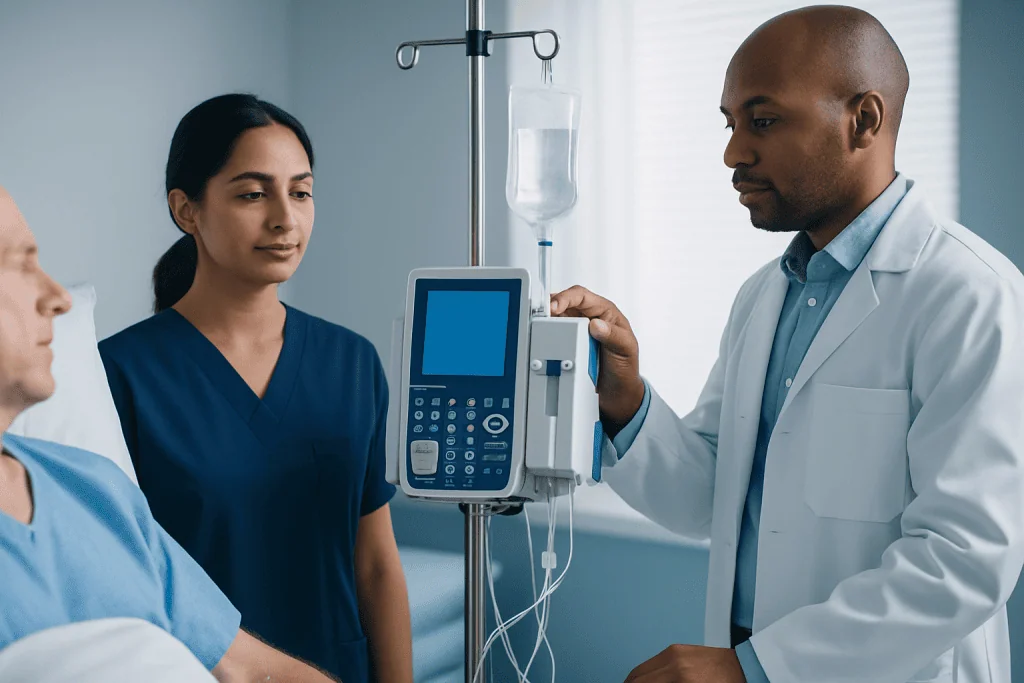
Intensive AML chemotherapy may be considered for people who are well enough to tolerate a period of very low blood counts and possible hospital admission. Fitness is not based on age alone. A comprehensive assessment considers everyday functioning, medical conditions, organ function, medicines, nutritional status and personal treatment goals.
Before treatment starts, the team confirms the AML diagnosis with blood and bone marrow testing. They also perform tests that help select treatment, which can include flow cytometry, chromosome analysis and molecular testing. A heart assessment, infection screening and baseline blood tests may be needed because some medicines can affect particular organs or because treatment can reactivate certain infections.
Not every AML subtype follows the same plan. Acute promyelocytic leukemia, a specific form of AML, requires urgent specialist treatment with a different combination of medicines. People with treatment-related AML, AML that has returned, or AML with certain genetic features may be offered different drug combinations or clinical trials where appropriate. Related information about acute myeloid leukemia can help patients understand the condition and diagnostic pathway.
What happens during AML chemotherapy?

Intensive treatment is often divided into two main phases. Induction chemotherapy is the first phase and is intended to achieve complete remission, meaning leukemia can no longer be detected by standard testing and blood counts can recover. Medicines may be given through a vein over several days, often through a central venous catheter placed to allow repeated treatment and blood sampling.
After induction, blood counts usually fall significantly before recovering. This period can last several weeks and often requires inpatient monitoring. The care team checks for fever, bleeding, mouth sores, nausea, bowel changes and other complications. Blood or platelet transfusions, anti-sickness medicines, antibiotics or antifungal medicines, hydration and nutritional support may be used when needed.
Once remission and recovery have been assessed, consolidation treatment is given to target leukemia cells that may remain at levels too low for routine tests to detect. Consolidation may involve further chemotherapy cycles, targeted treatment in selected cases, or a bone marrow transplant for people whose AML features suggest a higher risk of relapse. The exact schedule and setting depend on the regimen and the individual’s recovery.
Lower-intensity treatment can be delivered in hospital, an outpatient unit, or partly at home depending on the medicines used and local monitoring arrangements. Although this approach may cause less immediate toxicity than intensive chemotherapy, it still requires regular blood tests and prompt attention to infection symptoms.
How do you know if chemo is working for AML?
The most reliable way to know whether AML chemotherapy is working is through blood and bone marrow testing. During and after induction, doctors monitor blood counts and examine bone marrow samples for leukemia cells. They may also use highly sensitive tests for measurable residual disease (MRD), which can identify very small amounts of leukemia that are not visible through standard microscopy.
Complete remission generally means there is no evidence of AML by standard bone marrow examination, blasts are below the accepted threshold, and blood counts have recovered to the required level. However, remission does not always mean every leukemia cell has been eliminated. MRD results, chromosome findings and molecular tests can provide additional information about relapse risk and may influence the next treatment step.
Symptoms can improve as blood counts recover, such as less fatigue, fewer infections or reduced bruising. However, feeling better alone cannot confirm remission, and symptoms may temporarily worsen during treatment because chemotherapy lowers normal blood cell counts. The hematology team will explain each test result and what it means for ongoing care.
How many rounds of chemo is normal for AML?
There is no single normal number of chemotherapy rounds for AML. Many people receiving intensive treatment have one induction course, although a second course may be needed if leukemia remains after the first. This is usually followed by several consolidation cycles, but the number, medicines and timing vary according to AML risk category, response to treatment and ability to tolerate therapy.
For some people, a stem cell transplant is recommended after remission rather than completing multiple consolidation cycles. Others receive lower-intensity treatment in repeating monthly-type cycles for as long as it is beneficial and tolerated. Targeted medicines may be added or continued in selected AML types.
Each treatment phase is adjusted according to blood count recovery, side effects, infections and test results. A patient should ask their hematologist which phase they are in, the aim of that phase, what tests will measure response and what the likely next step will be.
How fast does AML leukemia progress?
AML can progress quickly because abnormal cells may build up in the bone marrow and blood over days to weeks. Some people develop symptoms rapidly, while others are diagnosed after an abnormal blood test before they feel significantly unwell. Once AML is suspected or diagnosed, timely assessment by a hematology team is important.
Symptoms may include unusual tiredness, breathlessness with activity, frequent or severe infections, fever, easy bruising, bleeding gums, tiny red-purple skin spots, bone discomfort or unintentional weight loss. These symptoms can also have many non-cancer causes, but persistent or concerning symptoms should be medically assessed.
There are important exceptions. Acute promyelocytic leukemia can cause serious bleeding or clotting problems and is treated as a medical emergency. Anyone with suspected AML who develops fever, uncontrolled bleeding, severe shortness of breath, chest pain, confusion or sudden weakness should seek urgent medical care.
How successful is chemotherapy for AML? Benefits, limits and risks
Chemotherapy can be highly effective at bringing AML into remission, especially in people able to receive intensive induction treatment. However, the likelihood of long-term disease control differs substantially between individuals. It is influenced by AML subtype, genetic and chromosome changes, measurable residual disease, age, overall health, whether AML is newly diagnosed or recurrent, and whether transplant is appropriate.
The main benefit of chemotherapy is its ability to rapidly reduce leukemia burden and restore normal bone marrow function. In some cases, chemotherapy alone can provide durable remission. In others, chemotherapy is an important first step before transplant or another treatment strategy. The care team should discuss expected benefits in the context of the person’s own test results rather than relying on a single general success rate.
Because chemotherapy affects healthy rapidly dividing cells as well as leukemia cells, side effects are common. These can include very low blood counts, infection, fever, bleeding, fatigue, hair loss, nausea, vomiting, diarrhea or constipation, mouth sores, appetite changes and fertility effects. Some medicines can affect the heart, liver, kidneys or nerves, so monitoring is built into the treatment plan.
Many side effects can be prevented, reduced or treated with supportive care. Patients should report new symptoms early, follow infection-prevention advice and avoid taking supplements or non-prescribed medicines without checking with their oncology team. chemotherapy care includes monitoring and supportive treatments designed to help patients receive therapy as safely as possible.
Recovery, self-care and when to seek medical care
Recovery after each AML chemotherapy phase is variable. Blood counts may take weeks to recover after intensive treatment, and tiredness can continue after leaving hospital. Follow-up appointments include blood tests, review of side effects and, at planned points, bone marrow examinations. Returning to usual activities is gradual and should be guided by energy levels, blood counts and the medical team’s advice.
Helpful self-care includes regular hand hygiene, careful food safety, maintaining fluid and calorie intake as tolerated, gentle activity when approved, oral care and adequate rest. During periods of low immunity, patients may be advised to avoid close contact with people who are unwell and crowded settings. Family members and caregivers can support practical needs, medication schedules and early reporting of symptoms.
Patients should contact their cancer team promptly for fever or chills, new cough, painful urination, worsening diarrhea, vomiting that prevents drinking, new bleeding, severe mouth pain, a new rash, or any symptom that feels rapidly worse. Emergency care is appropriate for severe breathing difficulty, chest pain, confusion, fainting, uncontrolled bleeding or a high fever according to the instructions provided by the treating team.
Acibadem International’s multidisciplinary specialists at JCI-accredited hospitals diagnose and treat AML for international patients, coordinating hematology, oncology, transfusion medicine, infectious disease and transplant services when required.
Frequently asked questions
Is AML chemotherapy always given in hospital?
Intensive induction chemotherapy is commonly given in hospital because blood counts can fall profoundly and complications such as infection or bleeding need rapid treatment. Some consolidation regimens and lower-intensity treatments may be provided partly or fully as outpatient care. The setting depends on the medicines used, the person’s health and local monitoring arrangements.
Can AML chemotherapy cure leukemia?
Chemotherapy can bring AML into complete remission and can provide long-term disease control for some people. Whether it is likely to be curative depends on AML biology, response testing, overall health and the need for additional treatment such as stem cell transplant. A hematologist can explain the outlook using the individual’s genetic and response results.
What is the difference between induction and consolidation chemotherapy for AML?
Induction chemotherapy is the first, intensive treatment designed to clear visible leukemia and achieve remission. Consolidation is given after remission to destroy remaining leukemia cells and reduce the risk of relapse. The treatment choice and number of consolidation cycles vary between patients.
Why do blood counts fall during AML chemotherapy?
Chemotherapy affects leukemia cells but can also temporarily suppress healthy bone marrow cells that make blood cells. This can cause low red cells, platelets and infection-fighting white cells. Transfusions, infection prevention and close laboratory monitoring are important parts of care during this period.
Can someone receive AML chemotherapy if they are older?
Older age alone does not determine whether someone can receive intensive chemotherapy. Doctors assess functional status, medical conditions, organ function, AML characteristics and the person’s priorities. Lower-intensity therapies may be appropriate for people who are unlikely to safely tolerate intensive treatment.
What should a patient do if fever occurs during AML chemotherapy?
A fever during AML chemotherapy can be a sign of infection when white blood cell levels are low and should be treated urgently. Patients should follow the contact instructions provided by their cancer team and should not wait for symptoms to worsen. They should avoid taking medicines to mask a fever before speaking with the team unless specifically instructed otherwise.
References
- National Cancer Institute
- American Cancer Society
- National Comprehensive Cancer Network
- Leukemia & Lymphoma Society
- European LeukemiaNet
This article is for general information only and is not a substitute for professional medical advice. Please consult a qualified doctor about your individual situation.
Chemotherapy in Turkey — costs, top hospitals & a free quote
JCI-accredited · board-certified surgeons · reply within 24h
Add us as a Preferred Source to see more of our trusted health content across Google Search, AI Overviews and Discover.

Medical Oncology Department
Medical treatment of cancer with chemotherapy, immunotherapy and targeted therapies under a multidisciplinary tumor board.
60 specialists in this unit