Amygdala — Explained by Medical Evidence, Not Myths
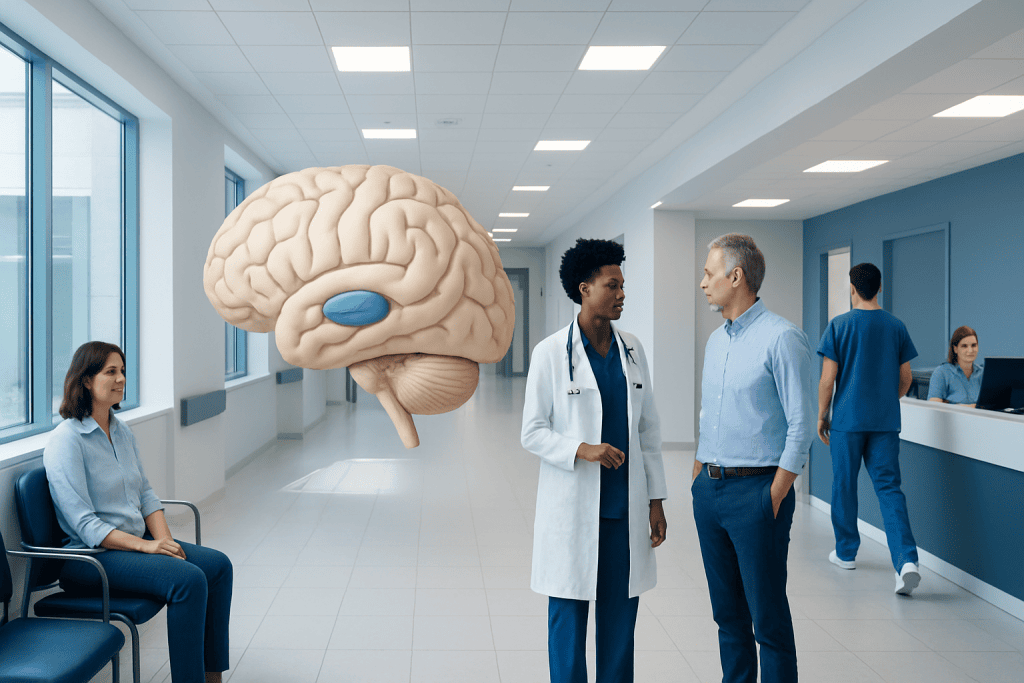
The amygdala helps process emotions, detect possible danger, and link experiences to memory. It works with other brain areas such as the hippocampus and prefrontal cortex rather than acting alone.
Key Takeaways
- The amygdala helps process emotions, detect possible danger, and link experiences to memory.
- It works with other brain areas such as the hippocampus and prefrontal cortex rather than acting alone.
- Amygdala-related problems do not usually cause one single symptom; effects depend on the underlying condition.
- Seizures, head injury, stroke, inflammation, and some mental health conditions can affect amygdala function.
- Assessment may involve a neurological exam, mental health evaluation, brain imaging, and sometimes EEG testing.
- Urgent medical care is needed for sudden neurological symptoms, seizures, or major behavior changes.
The amygdala is a small, almond-shaped part of the brain that helps the body recognize emotional meaning, especially fear and threat, and connects those emotions to memory and behavior. It is not a "fear center" in a simple sense; rather, it works as part of a wider brain network involved in emotion, learning, attention, and stress responses.
Overview: what the amygdala is and why it matters
The amygdala is a small structure deep inside each side of the brain, within the temporal lobe. Most people have two amygdalae, one on the left and one on the right. Although small, they play an important role in how the brain gives emotional meaning to experiences, especially when something seems important, rewarding, or potentially threatening.
In everyday life, the amygdala helps a person notice emotionally relevant cues such as a fearful facial expression, a sudden loud noise, or a situation linked to a past stressful memory. It helps prepare the body and mind to respond by influencing attention, heart rate, stress hormones, and behavior. This is why the amygdala is often discussed in relation to fear, but its role is broader than fear alone.
Medical evidence shows that the amygdala works as part of an interconnected network. It communicates with the hippocampus, which supports memory formation, and the prefrontal cortex, which helps with judgment, regulation, and decision-making. Because of this teamwork, amygdala function influences emotional learning, social behavior, and how strongly certain memories are remembered.
The amygdala itself is not a disease. Rather, it is a normal part of brain anatomy that can be affected by neurological or psychiatric conditions. Understanding this difference helps separate evidence from myth: an “overactive amygdala” is not a diagnosis on its own, but a possible finding or concept within a broader medical evaluation.
How the amygdala works with emotion, memory, and stress
One of the amygdala’s best-known jobs is helping the brain quickly evaluate whether something may be safe, important, or dangerous. This process often happens before a person has fully thought through the situation. The amygdala then helps shape the body’s response by influencing alertness and the stress system.
The amygdala also helps emotional experiences become memorable. Events linked with strong fear, joy, sadness, or stress are often remembered more clearly because emotional arousal can strengthen memory encoding. This does not mean the amygdala stores all memories by itself; instead, it helps mark some experiences as especially significant.
Its role in social and emotional understanding is also important. The amygdala contributes to reading facial expressions, learning from emotional consequences, and recognizing signals that affect relationships and decision-making. When its function is disrupted, a person may notice changes in emotional reactivity, social interpretation, or stress tolerance.
Because the amygdala interacts with many systems, its effects are not limited to emotions. It can indirectly influence sleep, concentration, appetite, and the body’s fight-or-flight response. This is one reason why brain symptoms and emotional symptoms can overlap and should be assessed in context rather than assumed to come from a single cause.
Symptoms and signs when amygdala-related function is affected

There is no single set of “amygdala symptoms.” Effects depend on why the amygdala or nearby brain networks are affected, how severe the problem is, and whether one or both sides are involved. Some people may have emotional changes, while others have neurological symptoms such as seizures or memory problems.
Possible features can include unusual fear responses, increased anxiety, emotional numbness, irritability, panic-like symptoms, difficulty interpreting social cues, or stronger reactions to stress. In some cases, a person may have trouble linking emotional meaning to experiences or may seem less responsive to danger. These symptoms are not specific and can occur in many other conditions as well.
When the temporal lobe is involved, symptoms may also include episodes of staring, confusion, unusual sensations, déjà vu, memory disturbance, or seizures. This can happen in epilepsy, especially some forms of temporal lobe epilepsy. The amygdala may be part of the network affected, but only a qualified clinician can determine whether symptoms are seizure-related or due to another cause.
Other signs that deserve attention include new personality changes, difficulty controlling emotions after a head injury, or sudden changes accompanied by weakness, speech trouble, or severe headache. These patterns suggest a broader brain problem rather than a simple emotional issue and should not be dismissed.
What can affect the amygdala: causes and related conditions
The amygdala can be affected by many medical conditions. These include traumatic brain injury, infections or inflammation involving the brain, lack of oxygen, tumors, and neurodegenerative diseases. In some people, structural or functional changes may also be seen in epilepsy, mood disorders, anxiety disorders, or trauma-related conditions, although brain findings alone do not define these diagnoses.
Stroke can affect nearby brain regions or blood supply pathways and may change emotional processing, memory, or behavior. Sudden neurological symptoms require urgent evaluation because prompt treatment matters in suspected stroke. In other cases, gradual changes may reflect chronic conditions that need planned neurological or psychiatric care.
Mental health conditions can involve amygdala-related circuits without meaning that the amygdala is the only problem. For example, anxiety and post-traumatic stress symptoms may be linked to changes in how the brain detects threat and regulates stress. Depression, autism spectrum-related social processing differences, and some personality changes can also involve wider emotional networks that include the amygdala.
Risk factors depend on the underlying condition rather than the amygdala itself. They may include head trauma, a history of seizures, vascular risk factors such as high blood pressure or diabetes, substance use, central nervous system infections, and significant psychological trauma. A careful medical history helps put symptoms into the right context.
How doctors evaluate amygdala-related concerns
Assessment starts with the story behind the symptoms. A doctor will ask when changes began, whether they are sudden or gradual, and whether there are triggers such as stress, lack of sleep, illness, injury, or seizures. The pattern matters because emotional symptoms, neurological events, and medication side effects can sometimes look similar at first.
A physical and neurological examination can help identify whether the issue is likely to involve the brain, nervous system, or another medical cause. If mood, anxiety, trauma symptoms, or behavior changes are prominent, a mental health evaluation may also be recommended. This does not mean symptoms are “just psychological”; it means the brain and mental health are assessed together, as they should be.
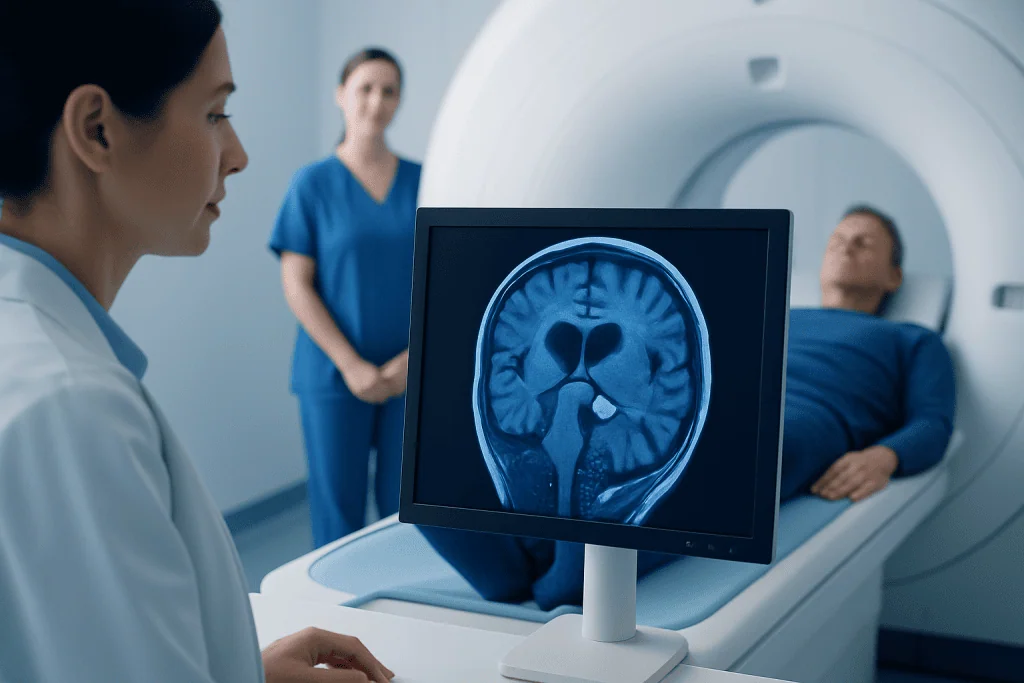
Imaging tests such as MRI may be used when a structural brain cause is suspected, especially after seizures, injury, or focal neurological symptoms. If episodes suggest seizure activity, doctors may request an EEG to record brain electrical activity. In emergency settings, rapid imaging may be needed to rule out bleeding or other urgent conditions.
Sometimes neuropsychological testing is useful to evaluate memory, attention, and emotional processing in a structured way. Blood tests may also be ordered to look for infection, inflammation, metabolic problems, or medication-related causes. The goal is not simply to “check the amygdala,” but to understand the whole clinical picture safely and accurately.
Treatment and support: addressing the cause, not the myth
There is no one-size-fits-all treatment for the amygdala because treatment depends on the underlying diagnosis. If symptoms are caused by seizures, care may focus on epilepsy management. If they follow injury, stroke, inflammation, or a tumor, treatment targets that medical problem. If symptoms are mainly related to anxiety, trauma, or mood changes, a mental health treatment plan may be most appropriate.
Treatment may include medication, psychotherapy, rehabilitation, or a combination of these. For seizure-related conditions, management can range from anti-seizure medicines to more advanced options in selected cases. For structural brain conditions, doctors may consider options such as neurosurgery when clearly indicated and after careful evaluation by specialists.
Psychological therapies can help people understand triggers, manage stress responses, and improve emotional regulation. Sleep care, treatment of depression or anxiety, and cognitive rehabilitation may also improve daily functioning. Because symptoms may overlap across neurology and mental health, multidisciplinary care is often helpful.
Near the end of a diagnostic pathway, some patients benefit from coordinated specialist review. Acibadem International’s multidisciplinary specialists and JCI-accredited hospitals diagnose and treat brain and nervous system conditions for international patients, especially when symptoms involve both neurological and emotional features.
Self-care, prevention, and when to seek medical care
No lifestyle step can “train” the amygdala in a simple way, but overall brain health supports emotional resilience and neurological well-being. Helpful habits include regular sleep, routine physical activity, avoiding recreational drugs, limiting alcohol when advised by a doctor, managing blood pressure and blood sugar, and using protective measures to reduce head injury risk. Stress-management techniques such as breathing exercises, therapy skills, and mindfulness may help some people reduce over-reactivity, especially when used as part of a broader care plan.
People who live with seizures, prior stroke, significant anxiety, or trauma-related symptoms should follow their treatment plan and attend regular medical reviews. Keeping a symptom diary can be useful when symptoms come in episodes. Recording sleep patterns, triggers, emotional changes, and unusual spells may help the doctor identify whether symptoms fit a neurological, psychological, or mixed pattern.
Medical care should be sought promptly for new seizures, fainting episodes with confusion, sudden weakness, facial droop, trouble speaking, severe headache, significant head injury, or sudden major behavior change. These symptoms may signal an urgent brain condition and should not be self-diagnosed as stress or an “amygdala problem.”
It is also wise to arrange a non-urgent medical review if anxiety, panic, emotional numbness, memory change, or social-behavior changes are persistent, worsening, or interfering with work, school, sleep, or relationships. Early assessment can clarify the cause and guide treatment before symptoms become more disruptive.
Frequently asked questions
What does the amygdala do?
The amygdala helps the brain process emotional meaning, especially related to threat, salience, and learning from experience. It also helps connect emotions with memory and influences stress responses, attention, and behavior.
Is the amygdala only responsible for fear?
No. Fear is one important function, but the amygdala is involved more broadly in emotional processing, reward-related learning, social cues, and memory. It works with other brain regions rather than acting as a single "fear switch."
Can an amygdala problem cause anxiety?
Amygdala-related circuits can play a role in anxiety, but anxiety is not caused by the amygdala alone. Many factors may contribute, including genetics, stress, trauma, sleep problems, medical illness, and other brain networks.
How do doctors know if the amygdala is affected?
Doctors do not usually diagnose an amygdala problem based on symptoms alone. They consider medical history, neurological and mental health assessment, and sometimes tests such as MRI or EEG to look for the underlying cause.
Can damage to the amygdala change personality or emotions?
It can, depending on the location and extent of brain injury and whether nearby structures are also involved. Some people may have altered fear responses, emotional regulation difficulties, or changes in social behavior, but effects vary widely.
When should someone worry about symptoms linked to the amygdala?
Urgent care is important for sudden neurological symptoms, seizures, confusion, severe headache, or behavior changes after head injury. A routine doctor visit is appropriate for ongoing anxiety, emotional blunting, memory issues, or stress reactions that do not improve.
References
- National Institute of Neurological Disorders and Stroke
- National Institute of Mental Health
- American Academy of Neurology
- Mayo Clinic
- Cleveland Clinic
This article is for general information only and is not a substitute for professional medical advice. Please consult a qualified doctor about your individual situation.
Explore treatments in Turkey — costs, top hospitals & a free quote
JCI-accredited · board-certified surgeons · reply within 24h
Add us as a Preferred Source to see more of our trusted health content across Google Search, AI Overviews and Discover.
Check your numbers in seconds
BMI, calories, due date, blood pressure and 30+ more clinical calculators — free, instant, doctor-reviewed ranges.