Anaerobic Exercise: What Patients Need to Know

Anaerobic exercise includes brief, high-intensity efforts such as sprinting, heavy resistance training, and interval workouts. It mainly helps build strength, speed, power, and muscle while also supporting bone and metabolic health.
Key Takeaways
- Anaerobic exercise includes brief, high-intensity efforts such as sprinting, heavy resistance training, and interval workouts.
- It mainly helps build strength, speed, power, and muscle while also supporting bone and metabolic health.
- Starting too hard or using poor form can raise the risk of strain, dizziness, overuse injury, or heart-related symptoms in some people.
- People with heart disease, uncontrolled blood pressure, diabetes, joint problems, or recent illness should ask a doctor how to exercise safely.
- A balanced routine often combines anaerobic exercise with aerobic activity, flexibility work, recovery, and proper nutrition.
Anaerobic exercise is short, intense physical activity that relies on the body’s quick energy systems rather than oxygen alone. It can improve strength, power, muscle mass, and metabolic health when done with proper technique, gradual progression, and attention to medical safety.
Overview: What anaerobic exercise means
Anaerobic exercise is a type of physical activity performed at a high enough intensity that the body cannot rely mainly on oxygen-based energy production during the effort. Instead, it uses fast energy systems stored in muscles to support short bursts of work. In practical terms, this includes activities such as sprinting, jumping, climbing stairs quickly, lifting heavy weights, or doing short, intense intervals.
Patients often ask whether anaerobic exercise is “good” or “bad.” The answer is that it can be very beneficial when it matches a person’s fitness level, health status, and goals. It is commonly used to improve muscle strength, power, speed, and functional capacity. For many people, it is also a useful part of weight management and healthy aging.
Anaerobic exercise is different from aerobic exercise, such as steady walking, cycling, or swimming at a moderate pace. Aerobic activity is usually sustained for longer periods and depends more on oxygen delivery to the muscles. Most healthy exercise plans include both types because they support different aspects of fitness and overall health.
How the body responds during high-intensity effort
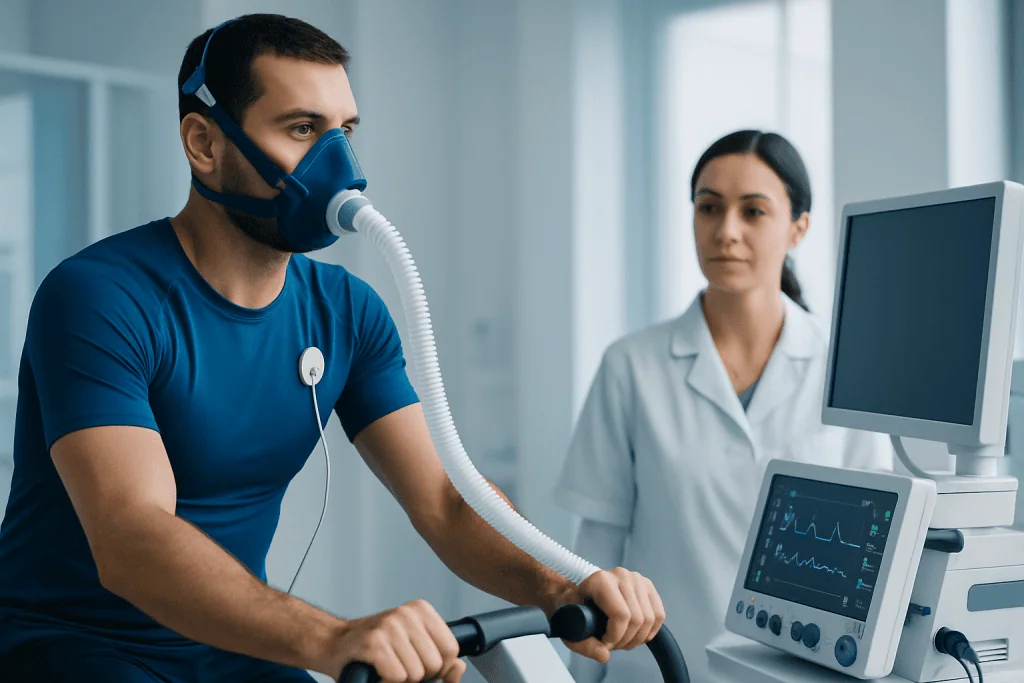
During brief intense activity, muscles need energy immediately. The body first uses stored energy molecules and then breaks down glucose quickly to keep movement going. This process can produce lactate, which is a normal part of exercise metabolism. Lactate itself is not harmful in normal training; rather, it reflects that the body is working at a higher intensity.
This type of effort is why anaerobic exercise often feels challenging. Breathing becomes faster, heart rate rises, and muscles may feel fatigued or “burn.” These responses are expected within safe limits, but exercise should not cause severe chest pain, fainting, or extreme shortness of breath.
With regular training, the body adapts. Muscles can generate more force, nerve-muscle coordination improves, and the body becomes better at tolerating short hard efforts. Over time, this can help with daily tasks such as lifting, climbing, carrying, and getting up from a chair, especially when paired with mobility and endurance training.
Common examples and potential benefits

Anaerobic exercise can take several forms. Some people prefer structured gym-based training, while others choose sports or home workouts. The right option depends on age, mobility, experience, and medical history. Examples include:
- Resistance training with free weights, machines, or resistance bands
- Short sprints or hill runs
- High-intensity interval training with work and rest periods
- Bodyweight drills such as squats, lunges, push-ups, and jumps
- Sports that involve bursts of speed, such as tennis, football, or basketball
The benefits can extend beyond athletic performance. Regular anaerobic training may increase muscle mass, improve bone loading, support glucose control, and help maintain independence with aging. It can also complement programs used for rehabilitation and physical conditioning, especially when supervised and individualized. Patients with joint or spine concerns may benefit from a medically guided plan that emphasizes technique and progression; in some cases, this may be part of broader physical therapy and rehabilitation.
For some individuals, improving strength and muscle function can also ease the impact of inactivity, office-based work, or recovery after illness. However, expected benefits are best achieved gradually. More intensity is not always better, and a sustainable routine is usually safer and more effective than occasional extreme workouts.
Who should be careful and what risks to know
Anaerobic exercise is not automatically unsafe, but it does place greater demands on muscles, joints, blood pressure, and the cardiovascular system than low-intensity activity. For this reason, it may need adjustment in people with known medical conditions, a long period of inactivity, recent surgery, or older age with frailty.
People who should seek individual advice before starting include those with heart disease, unexplained chest discomfort, uncontrolled high blood pressure, diabetes, severe obesity, breathing disorders, dizziness, fainting episodes, or musculoskeletal pain. Patients with a history of heart disease or recovery after stroke often need a tailored program based on symptoms, medications, and exercise tolerance.
Potential risks include muscle strains, tendon irritation, back pain, falls, dehydration, and overtraining. In people with underlying heart problems, unaccustomed heavy exertion can trigger concerning symptoms. Technique matters as much as effort. Poor form, skipped warm-ups, and lifting more weight than one can control increase injury risk.
Special care is also important for people with knee, hip, shoulder, or spine symptoms. In these cases, the safer path may be guided exercise, lower-impact strengthening, and gradual increases in resistance rather than explosive movements. If needed, clinicians may recommend assessment through sports medicine, orthopedics, or check-up and diagnostics before a more intense program begins.
How to start anaerobic exercise safely
For most beginners, the safest way to begin is to build a base first. That means learning movement technique, improving general activity levels, and adding intensity step by step. Even for motivated patients, starting with moderate loads and short work periods usually reduces soreness and injury risk while still allowing progress.
A practical plan often starts with two or three nonconsecutive sessions per week. Each session should include a warm-up, the main exercises, and a cool-down. The warm-up may include light walking or cycling, gentle mobility work, and rehearsal of the planned movements. The main session can then focus on a few basic exercises done with control rather than speed.
Patients can watch for signs that the plan is appropriate: the effort feels challenging but manageable, breathing returns toward normal with rest, and soreness improves within a day or two. It is wise to stop if pain is sharp, symptoms worsen quickly, or balance and coordination feel unsafe. Hydration, sleep, and recovery days are part of training, not separate from it.
People who have diabetes, heart conditions, or chronic pain may need more specific guidance about timing of meals, medication effects, blood sugar, blood pressure response, and symptom monitoring. In some cases, a clinician or exercise professional may suggest supervised conditioning or a structured program such as cardiac rehabilitation after cardiac evaluation.
Building a balanced routine: intensity, recovery, and self-care
Anaerobic exercise works best as one part of a balanced health routine. Most people benefit from combining it with aerobic activity, flexibility, balance training, and enough rest. This combination supports heart health, muscle function, mobility, and long-term adherence better than focusing on only one style of exercise.
Recovery is especially important after high-intensity effort. Muscles need time to repair and adapt, and joints may need rest from repetitive loading. Warning signs of doing too much include ongoing fatigue, persistent soreness, poorer sleep, irritability, and declining performance. Taking recovery seriously can lower the risk of setbacks.
Nutrition also matters. Adequate protein, fluids, and a balanced eating pattern support training and healing. Many patients ask whether they need supplements; in most cases, a varied diet is the first step, and supplements should only be used if recommended by a qualified professional. People with kidney disease, diabetes, or other chronic conditions should not make major diet changes without medical advice.
Patients interested in improving fitness after illness or injury may benefit from multidisciplinary care. Near the end of the assessment and treatment pathway, Acibadem International’s multidisciplinary specialists in JCI-accredited hospitals can evaluate exercise tolerance and support individualized plans for international patients when appropriate.
When to seek medical care
Medical advice is recommended before starting anaerobic exercise if a person has chronic disease, is pregnant, has been inactive for a long time, or is recovering from surgery or a recent medical event. A doctor can help decide what type and intensity of exercise are reasonable and whether any tests or supervised training are needed.
Urgent medical care is important if exercise causes chest pain, pressure in the chest, fainting, severe shortness of breath, a racing or irregular heartbeat that does not settle, or sudden neurologic symptoms such as weakness or trouble speaking. Exercise should also be stopped if there is severe joint pain, a popping sensation with swelling, or inability to bear weight.
Patients should also seek non-urgent evaluation if they have repeated dizziness, unusual fatigue, persistent muscle or tendon pain, back pain that spreads, or blood pressure or blood sugar readings that become difficult to control around exercise. Early assessment can help prevent minor problems from becoming more serious and can make exercise safer and more sustainable in the long term.
Frequently asked questions
What is the main difference between anaerobic exercise and aerobic exercise?
Anaerobic exercise involves short, intense efforts that rely on the body’s quick energy systems rather than sustained oxygen use alone. Aerobic exercise is usually lower to moderate in intensity and can be maintained for longer periods. Both are valuable and often complement each other in a healthy exercise routine.
Is anaerobic exercise good for weight loss?
It can support weight management by helping preserve or build muscle and by increasing overall physical activity. However, weight loss usually depends on many factors, including nutrition, sleep, medications, and total exercise habits. A balanced plan that includes both strength and aerobic activity is often more practical than relying on one type alone.
Can beginners do anaerobic exercise?
Yes, but beginners should start with simple movements, lower resistance, and shorter intervals. Learning good technique and progressing gradually is more important than exercising at maximum intensity. If there are medical conditions or long-standing inactivity, a doctor or qualified exercise professional should guide the starting point.
How often should a person do anaerobic exercise?
The right frequency depends on age, fitness level, recovery, and health conditions. Many people start with two or three sessions per week on nonconsecutive days to allow muscles and joints time to recover. A clinician or trainer can help adjust the schedule if symptoms, fatigue, or rehabilitation needs are present.
Does anaerobic exercise raise blood pressure?
During intense effort, blood pressure can rise temporarily, especially with heavy lifting or breath-holding. This is one reason people with high blood pressure or heart disease should ask a doctor how to exercise safely. Using proper breathing, avoiding sudden maximal effort, and progressing gradually can help reduce risk.
Should a person stop exercising if muscles burn or feel sore?
A burning feeling during hard effort and mild soreness afterward can be normal, especially when starting a new program. However, sharp pain, swelling, joint instability, chest symptoms, or severe shortness of breath are not normal and should prompt stopping the activity. Persistent or worsening pain should be assessed by a healthcare professional.
This article is for general information only and is not a substitute for professional medical advice. Please consult a qualified doctor about your individual situation.
Explore treatments in Turkey — costs, top hospitals & a free quote
JCI-accredited · board-certified surgeons · reply within 24h
Add us as a Preferred Source to see more of our trusted health content across Google Search, AI Overviews and Discover.
Check your numbers in seconds
BMI, calories, due date, blood pressure and 30+ more clinical calculators — free, instant, doctor-reviewed ranges.

More from the Health Library

Dental Bridge: An Evidence-Based Guide for Patients

Dark circles under eyes: A Complete Medical Guide for Patients

Airsupra Inhaler Cost: An Evidence-Based Guide for Patients

Glans Penis — Explained by Medical Evidence, Not Myths

Activated Charcoal — Explained by Medical Evidence, Not Myths