Anal Cancer: Rectal Bleeding, HPV Risk, and Treatment Pathways

Anal cancer often causes rectal bleeding, anal pain, itching, or a lump near the anus. Human papillomavirus (HPV) is an important risk factor, but not everyone with HPV develops anal cancer.
Key Takeaways
- Anal cancer often causes rectal bleeding, anal pain, itching, or a lump near the anus.
- Human papillomavirus (HPV) is an important risk factor, but not everyone with HPV develops anal cancer.
- Diagnosis usually involves a physical exam, anoscopy, biopsy, and imaging tests to determine the stage.
- Treatment commonly includes chemotherapy and radiation therapy, with surgery used in selected cases.
- HPV vaccination, safer sexual practices, and regular medical follow-up may help lower risk or support early detection.
Anal cancer is an uncommon cancer that develops in the tissues of the anus or anal canal. Common warning signs include rectal bleeding, pain, itching, or a lump, and many cases are linked to human papillomavirus (HPV) infection.
Overview
Anal cancer is a cancer that starts in the anus, the short passage at the end of the rectum through which stool leaves the body. Most anal cancers begin in the anal canal and are different from colorectal cancers, although some symptoms may overlap. Because the disease is uncommon, its early signs may be mistaken for more familiar conditions such as hemorrhoids, fissures, or skin irritation.
Many people first notice rectal bleeding, discomfort during bowel movements, itching, or a small lump near the anus. These symptoms do not always mean cancer, but they should be assessed by a doctor, especially if they persist or return. Early evaluation is important because treatment tends to be more effective when the disease is found at an earlier stage.
The most common type of anal cancer is squamous cell carcinoma, which develops from the lining cells of the anal canal. Less common types can also occur, including adenocarcinoma, melanoma, and neuroendocrine tumors. Treatment plans depend on the exact type, the size and location of the tumor, and whether it has spread to nearby lymph nodes or other parts of the body.
Symptoms of Anal Cancer
Symptoms of anal cancer can be subtle at first. The most frequently reported sign is bleeding from the anus or rectum, which may appear on toilet paper, in the toilet bowl, or mixed with stool. Some people also experience anal pain, pressure, itching, or a feeling of fullness in the area.
Changes in bowel habits can also occur. These may include constipation, narrower stools, straining, mucus discharge, or a persistent urge to have a bowel movement. A small growth, sore, or lump near the anal opening may be felt by the person or found during a medical exam.
Symptoms that may suggest anal cancer include:
- Rectal or anal bleeding
- Pain or tenderness around the anus
- Itching or irritation
- A lump, mass, or swollen area near the anus
- Discharge or mucus
- Changes in bowel habits or stool shape
- Swollen lymph nodes in the groin or anal area
These signs are not specific to cancer and are often caused by noncancerous conditions. Still, ongoing bleeding or a new lump should never be ignored. A medical assessment can help identify whether the cause is a benign problem or a condition that needs prompt treatment.
Causes and Risk Factors
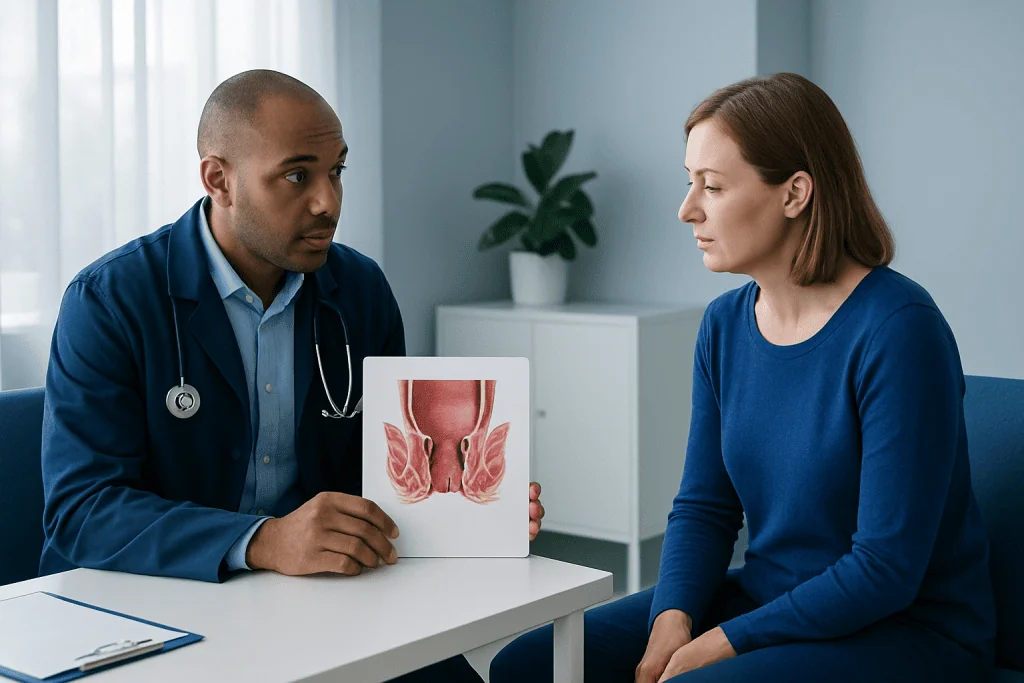
A major risk factor for anal cancer is infection with certain types of human papillomavirus, or HPV. HPV is a common virus spread through skin-to-skin sexual contact. In many people, the immune system clears the infection, but persistent infection with high-risk HPV types can lead to abnormal cell changes over time and, in some cases, cancer.
Other factors can increase risk as well. These include a weakened immune system, HIV infection, smoking, a history of cervical, vaginal, or vulvar precancer or cancer, and receptive anal intercourse. Older age is also associated with a higher risk, although anal cancer can occur in younger adults.
Risk is not the same as certainty. Many people with risk factors never develop anal cancer, while some people diagnosed with anal cancer have no obvious risk factors. Helpful points to know include:
- Persistent high-risk HPV infection is one of the strongest known contributors.
- Smoking may reduce the body’s ability to clear HPV-related cell changes.
- Immunosuppression can make it harder to control viral infections and abnormal cells.
- A history of anal dysplasia or high-grade anal intraepithelial neoplasia may require closer follow-up.
Understanding risk factors can support prevention and earlier detection. It can also help guide screening and follow-up for people at higher risk, especially those who are immunocompromised or have previous HPV-related disease.
How Anal Cancer Is Diagnosed
Diagnosis begins with a careful medical history and physical examination. A doctor may ask about bleeding, pain, bowel habits, HPV exposure, immune conditions, and smoking. The exam often includes inspection of the anal area and a digital rectal exam, in which a gloved finger is used to feel for abnormal tissue.
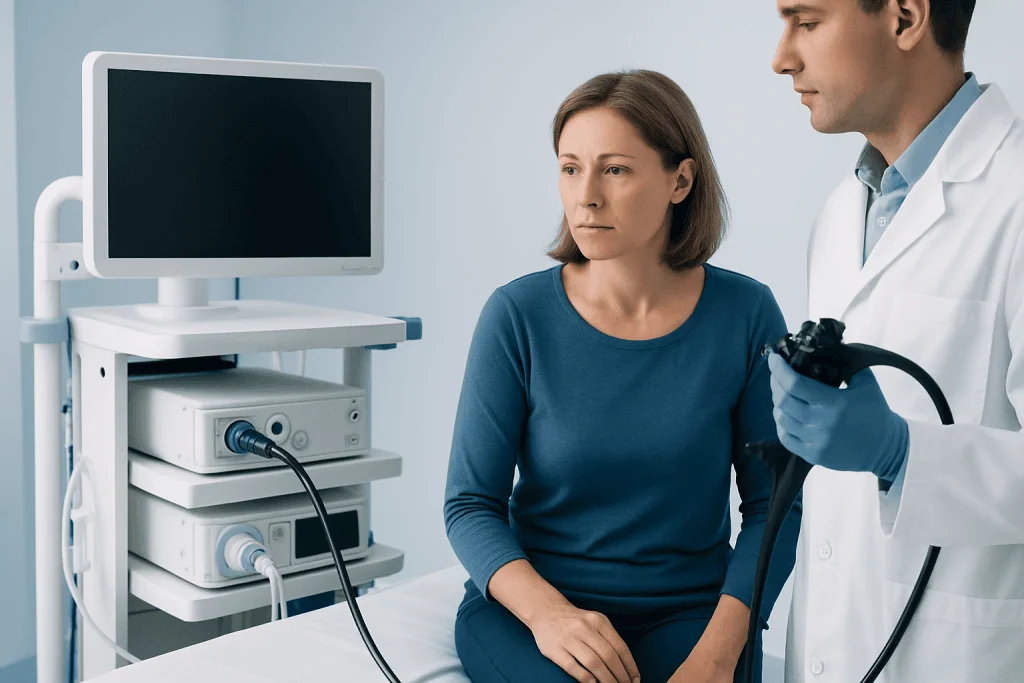
If an abnormal area is seen or felt, the next step may be anoscopy. This test uses a short instrument to look inside the anal canal more closely. A biopsy is needed to confirm the diagnosis. During a biopsy, a small tissue sample is removed and examined under a microscope to determine whether cancer is present and what type it is.
After cancer is confirmed, imaging tests help determine the stage. These may include ultrasound, MRI, CT, or PET-CT, depending on the situation. Staging shows the size of the tumor, whether nearby lymph nodes are involved, and whether the cancer has spread elsewhere. In some cases, evaluation may also include testing for related conditions such as colon cancer or other gastrointestinal problems if symptoms overlap.
Staging is a key part of treatment planning. It helps the care team choose the most appropriate approach and gives the person a clearer understanding of what to expect. Because anal cancer care often involves several specialists, diagnosis and staging are usually discussed in a multidisciplinary setting.
Treatment Options and Care Pathways
Treatment for anal cancer depends on the tumor type, stage, location, and the person’s overall health. For many patients with squamous cell anal cancer, the main treatment is a combination of chemotherapy and radiation therapy. This combined approach aims to destroy cancer cells while preserving the anal sphincter and avoiding major surgery when possible.
Chemotherapy is often given at the same time as radiation because it can make cancer cells more sensitive to treatment. Some people may receive medical oncology care as part of this coordinated plan, especially when systemic treatment needs to be tailored to their disease stage and health needs. Side effects vary, but the team usually provides supportive care for skin irritation, bowel symptoms, fatigue, and nutritional needs during treatment.
Surgery is used in selected cases. It may be needed if a small tumor can be removed directly, if disease persists after chemoradiation, or if cancer returns later. In more advanced or recurrent cases, an operation may involve removing the anus and rectum, followed by creation of a permanent colostomy. Some people may also need colorectal surgery as part of treatment for complex or recurrent disease.
Follow-up care is important after treatment. Regular visits may include physical exams, anoscopy, imaging, and monitoring for treatment effects or recurrence. In some cases, specialist input from gastroenterology may also help evaluate ongoing bowel symptoms. Near the end of the treatment pathway, international patients may seek care at centers such as Acibadem International, where multidisciplinary specialists in JCI-accredited hospitals diagnose and treat anal cancer using coordinated oncology services.
Prevention and Self-Care
Not all cases of anal cancer can be prevented, but some steps may help reduce risk. HPV vaccination is one of the most important preventive measures. It protects against several high-risk HPV types linked to anal and other cancers. Vaccination is most effective before exposure to the virus, but doctors may still recommend it in some adults depending on age and individual circumstances.
Stopping smoking can also support prevention, as smoking is linked to persistent HPV infection and several cancers. Safer sexual practices, including condom use, may reduce HPV transmission, although they do not eliminate risk completely because HPV can affect nearby skin not covered by a condom. People with HIV or other causes of immunosuppression benefit from consistent medical follow-up and treatment to support overall immune health.
Self-care also means paying attention to symptoms and not assuming that bleeding or pain is due to hemorrhoids. Helpful steps include:
- Seeking medical advice for persistent anal bleeding, pain, or a new lump
- Keeping follow-up appointments after treatment or after abnormal anal screening results
- Maintaining a balanced diet and good hydration during recovery
- Discussing bowel changes, skin irritation, or fatigue early with the care team
People at higher risk may be advised to have screening or surveillance for anal dysplasia or other HPV-related changes. A doctor can explain whether this is appropriate based on medical history, immune status, and prior test results.
When to See a Doctor
A doctor should evaluate any unexplained rectal bleeding, even if it seems mild or comes and goes. Medical advice is also important for persistent anal pain, itching, discharge, or a lump near the anus. Many of these symptoms are caused by noncancerous conditions, but only an examination can confirm the reason.
Prompt assessment is especially important for people with risk factors such as HPV-related disease, HIV infection, immunosuppression, or a smoking history. New groin swelling, unexplained weight loss, or worsening bowel symptoms should also be discussed without delay. If symptoms are severe, rapidly worsening, or associated with heavy bleeding, urgent care may be needed.
It can feel uncomfortable to talk about anal symptoms, and some people delay care because of embarrassment. Reassurance is important: these concerns are common, and doctors are trained to assess them respectfully. Early diagnosis can make a meaningful difference in treatment options and recovery.
Frequently asked questions
Is anal cancer the same as colorectal cancer?
No. Anal cancer begins in the anus or anal canal, while colorectal cancer starts in the colon or rectum. They can cause some similar symptoms, but they are different diseases with different treatment approaches.
Does rectal bleeding always mean anal cancer?
No, rectal bleeding is often caused by hemorrhoids, fissures, or other noncancerous problems. However, bleeding should still be checked by a doctor, especially if it continues, returns, or occurs with pain or a lump.
How is HPV related to anal cancer?
Persistent infection with certain high-risk types of HPV can lead to abnormal cell changes in the anal canal. Over time, some of these changes may develop into anal cancer, although most HPV infections do not lead to cancer.
Can anal cancer be cured?
Many cases can be treated successfully, especially when found early. Outcomes depend on the cancer type, stage, and response to treatment, so early diagnosis and specialist care are important.
What is the usual treatment for anal cancer?
For many people, the standard treatment is combined chemotherapy and radiation therapy. Surgery may be used for selected early tumors, persistent disease, or recurrence after initial treatment.
Can HPV vaccination help prevent anal cancer?
Yes, HPV vaccination can reduce the risk of infection with high-risk HPV types linked to anal cancer. A doctor can advise whether vaccination is appropriate based on age, health history, and prior vaccination status.
References
- World Health Organization
- National Cancer Institute
- American Cancer Society
- National Comprehensive Cancer Network
- Centers for Disease Control and Prevention
This article is for general information only and is not a substitute for professional medical advice. Please consult a qualified doctor about your individual situation.
Oncology care in Turkey — second opinion and treatment plan
JCI-accredited · board-certified surgeons · reply within 24h
Add us as a Preferred Source to see more of our trusted health content across Google Search, AI Overviews and Discover.

Medical Oncology Department
Medical treatment of cancer with chemotherapy, immunotherapy and targeted therapies under a multidisciplinary tumor board.
60 specialists in this unit