Androgynous: What Patients Need to Know
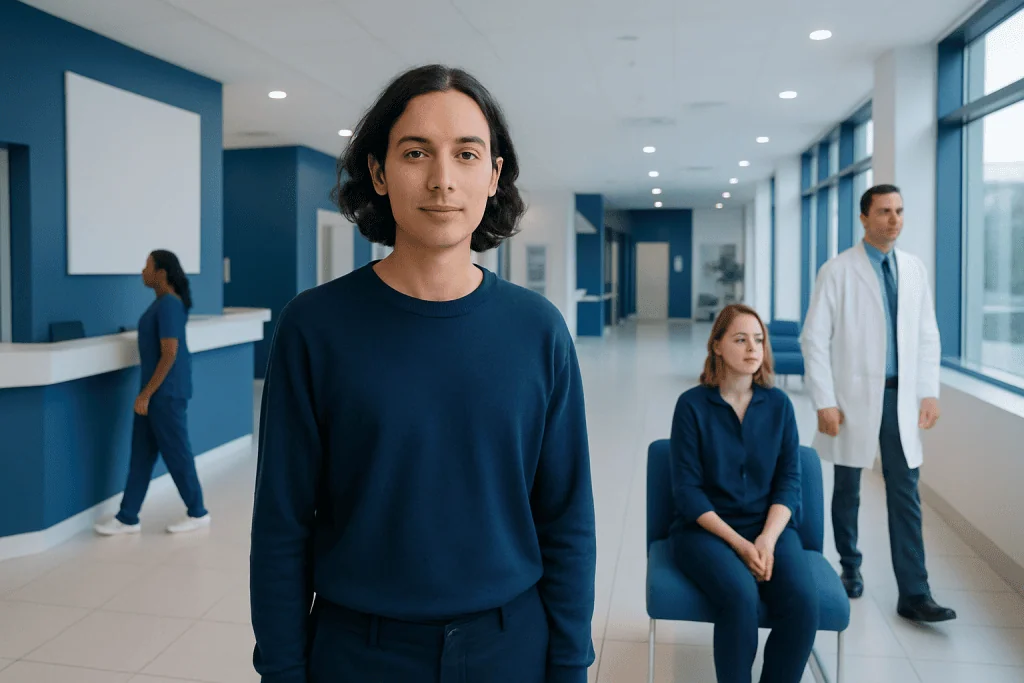
Androgynous is most often a description of appearance or gender expression, not a medical disorder. An androgynous look can be a natural variation and does not by itself indicate a hormone problem.
Key Takeaways
- Androgynous is most often a description of appearance or gender expression, not a medical disorder.
- An androgynous look can be a natural variation and does not by itself indicate a hormone problem.
- Medical evaluation may be helpful if there are new body changes, missed periods, excess hair growth, breast changes, fertility concerns, or distress about development.
- Doctors may assess related concerns with a history, physical exam, and sometimes hormone or imaging tests.
- Supportive, individualized care can address both physical symptoms and emotional well-being.
Androgynous usually refers to a style, appearance, or gender expression that blends traits often labeled masculine and feminine. It is not a disease or diagnosis, but some people who identify with an androgynous look may also have health questions about hormones, puberty, body changes, or emotional well-being.
Overview: what “androgynous” means
Androgynous describes a person, look, or style that combines features society often labels as masculine and feminine. In everyday use, it may refer to clothing, hairstyle, body language, voice, or overall appearance. For many people, it is simply part of personal identity or self-expression.
Importantly, androgynous is not a medical diagnosis. A person can have an androgynous appearance and be completely healthy. Some people naturally have facial features, body shape, or patterns of hair growth that do not fit narrow gender expectations, and this can be a normal variation.
Medical questions arise when someone notices physical changes that are new, unexpected, or causing distress. Examples include rapid changes in body hair, acne, voice, menstrual cycles, breast tissue, or sexual development. In these situations, a clinician may look for underlying causes such as puberty-related changes, medication effects, or hormone conditions.
Androgynous appearance vs. a medical concern
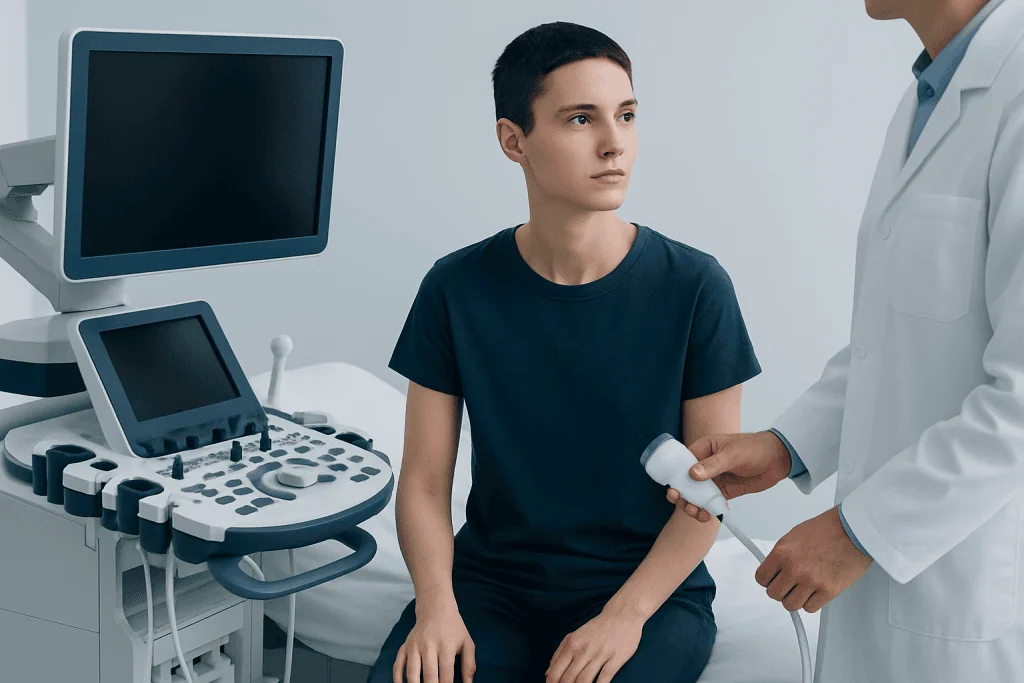
There is a useful difference between identity or appearance and a health problem. An androgynous style is a personal and social expression. A medical concern involves symptoms, body changes, or test findings that suggest an underlying condition needing assessment or treatment.
For example, some people are naturally slim, broad-shouldered, have less breast development, or have softer facial features. These traits alone do not mean something is wrong. Likewise, choosing clothing or grooming that creates a more androgynous presentation is not a sign of illness.
By contrast, a doctor may recommend evaluation if there are symptoms such as absent or irregular periods, unwanted hair growth, reduced libido, erectile changes, nipple discharge, infertility, or delayed puberty. These can sometimes relate to hormonal or reproductive issues such as polycystic ovary syndrome or other endocrine conditions. The goal of care is not to change a person’s identity, but to understand symptoms and support health.
Possible health-related causes of body changes

If a person seeks medical advice because of body changes associated with a more androgynous appearance, doctors consider several possible explanations. Normal puberty, genetics, body composition, aging, and menopause can all affect hair growth, skin, voice, and fat distribution. These changes may be expected and not harmful.
Hormones are another area to evaluate. Too much or too little estrogen, testosterone, thyroid hormone, or prolactin can influence the body’s appearance and function. Conditions affecting the ovaries, testes, adrenal glands, pituitary gland, or thyroid may sometimes be involved. Certain medicines, including some hormone therapies, steroids, and psychiatric medicines, can also contribute to visible changes.
Examples of concerns that may prompt assessment include:
- Irregular, absent, or very heavy menstrual periods
- New facial or body hair growth, thinning scalp hair, or persistent acne
- Unexpected breast enlargement or breast loss
- Voice deepening or other rapid pubertal-type changes
- Erectile dysfunction, reduced sexual desire, or fertility difficulties
- Weight changes, fatigue, or symptoms suggesting a thyroid disorder
In some cases, clinicians may consider adrenal or reproductive conditions, thyroid disease, or differences in sexual development. The presence of these symptoms does not automatically mean a serious disorder, but it does justify a careful medical review.
How doctors evaluate related symptoms
Assessment starts with listening. A doctor will usually ask when the changes began, how quickly they developed, whether they are getting worse, and whether there are other symptoms such as headaches, menstrual changes, fertility issues, weight gain, or mood symptoms. Family history and current medicines are also important because many body traits run in families or can be medication-related.
A physical examination may include height, weight, blood pressure, skin, hair pattern, breast or chest changes, and signs of puberty or endocrine disorders. The exam is tailored to the person’s concerns and should be respectful and private. If needed, patients can ask for a same-gender clinician or for a support person to be present.
Tests are ordered only when they are likely to help answer a clinical question. These may include blood tests for hormone levels, thyroid function, blood sugar, or reproductive markers. Depending on symptoms, imaging such as pelvic ultrasound or MRI may be used to look at ovaries, the pituitary gland, or other structures. Some patients may also benefit from a specialist review in endocrinology care or gynecology.
Treatment and support options
Treatment depends on the cause, if there is one. If evaluation shows that the androgynous appearance reflects normal variation, treatment may not be needed. Reassurance, monitoring, and a chance to discuss body changes can be enough. When symptoms affect confidence or quality of life, supportive counseling can also be helpful.
If a hormone imbalance or another medical issue is found, treatment focuses on that condition. This may include managing thyroid disease, addressing menstrual problems, changing a medication that is causing side effects, or treating conditions linked to androgen excess. For some people, acne treatment, hair management, fertility care, or menstrual regulation may be part of the plan.
Mental health support is important when body changes lead to anxiety, low mood, or social stress. A psychologist, psychiatrist, or counselor can help with coping skills, body image concerns, and communication with family or partners. In more complex cases, a multidisciplinary approach may involve endocrinologists, gynecologists, urologists, dermatologists, and mental health professionals, sometimes alongside comprehensive check-up services.
Self-care, body awareness, and prevention
There is nothing to prevent about being androgynous itself, because it is not a disease. However, general health habits can support hormonal and reproductive health. Balanced nutrition, regular physical activity, sleep, stress management, and not smoking all play a role in overall well-being.
It can also help to keep track of body changes over time. Recording menstrual cycles, new hair growth, acne flare-ups, changes in sexual function, or weight fluctuations may give a doctor useful information. People taking prescription hormones or other long-term medicines should attend routine follow-up visits so treatment remains safe and appropriate.
Self-care also includes emotional well-being. People whose appearance does not match social expectations may face misunderstanding or pressure from others. Seeking support from trusted healthcare professionals, friends, family, or counseling services can reduce stress and help maintain a healthy sense of self.
When to seek medical care
A person should consider medical advice if body changes are sudden, progressive, painful, or affecting day-to-day life. This includes missed periods, very irregular periods, unexpected breast changes, new facial hair growth, scalp hair loss, erectile problems, infertility, nipple discharge, or delayed puberty. These symptoms deserve assessment even if the person otherwise feels well.
Prompt medical review is especially important if symptoms come with severe headaches, vision changes, unexplained weight loss, marked fatigue, pelvic pain, or signs of virilization such as rapid voice deepening or increased muscle mass. These symptoms can sometimes point to a hormone-producing disorder that needs timely evaluation.
For international patients who want coordinated assessment, Acibadem International’s multidisciplinary specialists and JCI-accredited hospitals diagnose and treat hormone, reproductive, and related health concerns in a patient-centered way. The priority is a respectful evaluation of symptoms, personal goals, and overall health rather than assumptions based on appearance alone.
Frequently asked questions
Is androgynous a medical condition?
No. Androgynous is usually a term for appearance or gender expression that blends traits often seen as masculine and feminine. By itself, it is not a disease, diagnosis, or sign of poor health.
Can an androgynous appearance be completely normal?
Yes. Many people naturally have body features, facial traits, or hair patterns that do not fit typical gender expectations. Genetics, age, body composition, and personal style can all contribute without indicating a medical problem.
When could an androgynous appearance suggest a hormone issue?
A medical review may be useful if the appearance changes suddenly or is accompanied by symptoms such as irregular periods, excess hair growth, acne, voice changes, breast changes, sexual dysfunction, or fertility problems. These symptoms can sometimes be linked to endocrine or reproductive conditions. A doctor can decide whether testing is appropriate.
What tests might a doctor order?
Testing depends on the symptoms and medical history. Doctors may order blood tests for hormone levels or thyroid function, and sometimes imaging such as ultrasound or MRI. Not everyone needs tests, especially when the appearance reflects normal variation and there are no concerning symptoms.
Can treatment change an androgynous appearance?
Treatment is aimed at underlying symptoms or medical conditions, not at changing a person’s identity or preferred style. If a hormone imbalance or medication effect is present, addressing it may change certain physical features. If there is no medical problem, treatment may not be needed.
Should someone seek emotional support about body changes or identity concerns?
Yes, if the changes are causing stress, anxiety, low mood, or social difficulties. Counseling can help with body image, coping, and communication with loved ones or healthcare providers. Emotional support is a valid part of care, whether or not a medical condition is found.
This article is for general information only and is not a substitute for professional medical advice. Please consult a qualified doctor about your individual situation.
Explore treatments in Turkey — costs, top hospitals & a free quote
JCI-accredited · board-certified surgeons · reply within 24h
Add us as a Preferred Source to see more of our trusted health content across Google Search, AI Overviews and Discover.
Check your numbers in seconds
BMI, calories, due date, blood pressure and 30+ more clinical calculators — free, instant, doctor-reviewed ranges.

More from the Health Library

Episiotomy — Explained by Medical Evidence, Not Myths

Flaxseed Oil: A Complete Medical Overview

Disenfranchised Grief: An Evidence-Based Guide for Patients

Dolly Parton Health: An Evidence-Based Guide for Patients

Ed Capsule: An Evidence-Based Guide for Patients