Aniracetam: A Complete Medical Overview

Aniracetam is a synthetic nootropic that has been studied for possible effects on memory, attention, and mood. Current evidence for aniracetam is limited, and it is not a universally approved or standard medical treatment.
Key Takeaways
- Aniracetam is a synthetic nootropic that has been studied for possible effects on memory, attention, and mood.
- Current evidence for aniracetam is limited, and it is not a universally approved or standard medical treatment.
- Possible side effects may include headache, dizziness, nausea, anxiety, or sleep changes, especially when used without supervision.
- Aniracetam may interact with other medicines or supplements, so medical review is important before use.
- People with memory problems, mood symptoms, or neurologic concerns should seek evaluation for the underlying cause rather than self-treating.
Aniracetam is a synthetic compound in the nootropic family that is promoted for memory, focus, and mood, but its clinical evidence remains limited and it is not a routine standard treatment in many countries. A medical overview of aniracetam should focus on what it is, what is known about its effects, its possible risks, and when professional advice is needed.
Overview: what aniracetam is and why people ask about it
Aniracetam is a synthetic compound often described as a nootropic, a term used for substances marketed to support memory, concentration, or other aspects of thinking. It belongs to a group related to racetams, which have been discussed in research and consumer health spaces for their possible effects on brain signaling. People commonly search for aniracetam when looking for ways to improve focus, mental clarity, or memory performance.
From a medical perspective, the most important point is that aniracetam is not a first-line or standard treatment for common memory complaints, attention difficulties, or mood symptoms. Research has explored its effects, but evidence is not strong enough to place it in the same category as well-established treatments for diagnosed neurologic or psychiatric conditions. Its regulatory status also differs by country, which can affect product quality, availability, and oversight.
Because aniracetam is often discussed online as a “brain booster,” it can seem straightforward to try. In reality, symptoms such as forgetfulness, poor concentration, or mental fatigue can have many causes, including sleep problems, stress, depression, anxiety, medication effects, vitamin deficiencies, thyroid disorders, or neurologic disease. A complete medical overview therefore looks beyond the supplement itself and considers the reason a person is thinking about using it.
How aniracetam may work in the brain
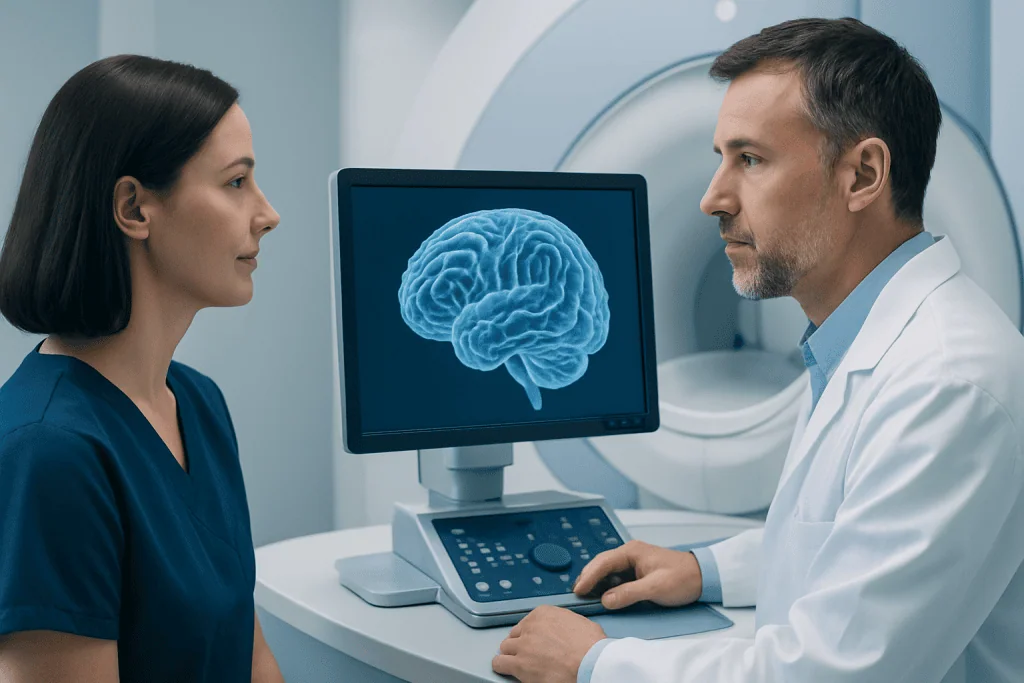
Aniracetam has been studied for possible effects on chemical signaling between nerve cells. Researchers believe it may influence glutamate-related pathways, especially receptors involved in learning and memory, and may also affect other neurotransmitter systems linked to mood and alertness. These proposed mechanisms are one reason it is marketed as a cognitive enhancer.
However, a possible mechanism is not the same as proven clinical benefit. A compound may appear promising in laboratory or early human studies but still show inconsistent or limited results in routine care. With aniracetam, questions remain about which patients, if any, may benefit most, what outcomes are meaningful, and how to balance possible effects against uncertain long-term safety.
Another practical issue is that products sold in the supplement market may not be identical in purity or formulation. Even if a substance has been studied in controlled settings, consumer products may vary. For this reason, self-directed use based only on online claims can be misleading, especially for people who already have health conditions or take prescription medicines.
Possible uses and what the evidence says

Aniracetam is most often discussed for memory support, attention, learning, and mental energy. Some users also describe it as improving mood, social comfort, or motivation. These reports have contributed to its popularity in nootropic communities, but personal experience does not replace careful clinical evidence.
Studies on aniracetam have explored cognitive symptoms and other brain-related concerns, yet the overall evidence base is limited. Available research has not established aniracetam as a routine treatment for healthy adults who want better mental performance, and it is not considered a standard therapy for age-related cognitive decline, dementia, anxiety, or depression. If someone has persistent memory changes, physicians may evaluate for conditions such as Alzheimer’s disease or other causes rather than recommending unsupervised nootropic use.
It is also important to separate everyday lapses from true cognitive impairment. Missing a word occasionally or feeling mentally tired during stress does not necessarily mean there is a neurologic problem. On the other hand, noticeable changes in memory, planning, language, behavior, or daily function should prompt medical assessment. In those situations, the priority is diagnosis and treatment of the underlying cause, not simply adding a supplement.
- Evidence for aniracetam is limited and not definitive.
- It is not a substitute for evaluation of memory or mood symptoms.
- Benefits reported online may not reflect results in controlled medical studies.
Side effects, safety concerns, and interactions
Aniracetam is often described as well tolerated, but that does not mean it is risk-free. Reported side effects may include headache, nausea, stomach discomfort, dizziness, restlessness, anxiety, or sleep disturbance. Some people may also notice irritability or feel overstimulated, particularly if they are sensitive to compounds that affect brain signaling or if they combine multiple supplements.
Long-term safety is not fully defined. This matters because products used regularly for concentration or memory may be taken for weeks or months. When long-term, high-quality safety data are limited, caution is appropriate, especially in older adults, people with liver or kidney concerns, and those with complex medical histories.
Drug and supplement interactions are another important issue. People taking antidepressants, anti-anxiety medicines, stimulants, sleep medicines, seizure medicines, or other neuroactive substances should speak with a clinician before considering aniracetam. The same is true for anyone using multiple nootropic products at once, as combining substances may increase side effects or make it harder to identify the cause of new symptoms.
Pregnant or breastfeeding individuals, children, and people with significant psychiatric or neurologic conditions should be especially cautious. In these groups, medical guidance is essential because data may be limited and the risks of self-medication can be greater than expected.
Who should avoid self-treating with aniracetam
Self-treatment with aniracetam is not appropriate for everyone. A person should not use it as a way to delay care for serious symptoms such as progressive memory loss, confusion, personality change, severe anxiety, low mood, panic attacks, fainting, or new neurologic symptoms. These problems need proper diagnosis because they may reflect medical or psychiatric conditions that require targeted treatment.
People with underlying depression, anxiety disorders, attention problems, sleep disorders, or suspected dementia should avoid assuming that a nootropic will solve the issue. For example, poor concentration may be related to untreated depression, chronic insomnia, or Parkinson’s disease-related cognitive changes rather than a simple “brain fog” problem. Treating the root cause is more effective and safer than experimenting without supervision.
Individuals with a history of medication sensitivity, allergies to supplement ingredients, or prior adverse reactions to cognitive enhancers should also be cautious. In addition, anyone preparing for surgery or undergoing active treatment for another condition should tell their care team about all supplements they use, since temporary discontinuation may be advised depending on the clinical situation.
How doctors evaluate memory, focus, or mood concerns
When someone asks about aniracetam, clinicians usually begin by understanding the symptom that led to the question. They may ask whether the main concern is forgetfulness, attention problems, low motivation, anxiety, mental fatigue, or reduced work or school performance. A careful history can reveal patterns related to sleep quality, stress, diet, alcohol, medications, and daily functioning.
Medical evaluation may include a physical examination, neurologic assessment, cognitive screening, and selected laboratory tests. Depending on age and symptoms, doctors may look for anemia, vitamin deficiencies, thyroid problems, metabolic conditions, infections, medication effects, or mood disorders. If there are red flags such as progressive decline, gait changes, language problems, or abnormal neurologic findings, further testing may be considered, including imaging such as MRI scanning or other assessments.
Some patients may benefit from specialist care in neurology, psychiatry, or sleep medicine. Supportive treatments can vary widely based on the cause and may include sleep improvement, stress management, psychotherapy, medication review, treatment of depression or anxiety, or rehabilitation approaches. In selected cases, clinicians may also consider formal testing to better define memory and attention function.
Evidence-based alternatives and supportive care
For many people, the safest and most effective way to improve mental performance is to address the foundations of brain health. Regular sleep, physical activity, balanced nutrition, stress reduction, hydration, and treatment of medical conditions often have a more meaningful effect on concentration and energy than unproven supplements. These measures are not quick fixes, but they are evidence-based and support long-term health.
If symptoms suggest a specific condition, targeted treatment is more appropriate than general nootropic use. For example, a person with mood-related concentration problems may benefit from mental health care, while someone with true cognitive decline may need neurologic evaluation and a structured treatment plan. In some situations, clinicians may recommend tests such as electroencephalography (EEG) or cognitive assessments if episodes of confusion, altered awareness, or other neurologic symptoms are present.
People who are considering any supplement for cognition should discuss it with a qualified doctor or pharmacist. This helps review goals, possible interactions, product quality concerns, and warning signs that should not be ignored. Near the end of a workup or care plan, multidisciplinary centers such as Acibadem International can help international patients access coordinated neurologic assessment and treatment in JCI-accredited hospitals when needed.
When to seek medical care
Medical care is recommended if memory loss, poor concentration, or mood changes are persistent, worsening, or interfering with work, school, driving, medication management, or other daily tasks. A doctor should also be consulted before starting aniracetam if the person is pregnant, breastfeeding, older, has chronic illness, or takes prescription medicines or other supplements that affect the brain.
Prompt evaluation is especially important if symptoms come with confusion, difficulty speaking, new weakness, severe headache, fainting, seizures, vision changes, sudden behavior change, or signs of major depression. These symptoms may point to conditions that need urgent assessment rather than self-treatment. In some cases, doctors may recommend advanced evaluation or neurologic care, including specialized neurosurgical assessment when structural causes are suspected.
Even when symptoms seem mild, a professional review can prevent delays in diagnosis and reduce unnecessary supplement use. A clear explanation of the cause often leads to safer and more effective treatment than trial-and-error approaches based on internet claims.
Frequently asked questions
What is aniracetam used for?
Aniracetam is most commonly discussed as a nootropic for memory, focus, learning, or mood support. However, it is not a standard first-line medical treatment for these concerns, and evidence for benefit is limited.
Is aniracetam approved everywhere?
No. The regulatory status of aniracetam varies by country, which affects how it is sold and supervised. This is one reason medical advice is important before use, especially when buying products online.
Does aniracetam improve memory in healthy adults?
There is not enough strong evidence to say that aniracetam reliably improves memory in healthy adults. Some people report subjective benefits, but personal reports are not the same as clear clinical proof.
What are the side effects of aniracetam?
Possible side effects may include headache, nausea, dizziness, stomach upset, anxiety, restlessness, or sleep changes. Side effects can be more likely when it is combined with other supplements or medicines that affect the brain.
Can aniracetam interact with other medications?
It may. Anyone taking antidepressants, anti-anxiety medicines, stimulants, seizure medicines, or sleep medications should talk to a doctor or pharmacist before using aniracetam. Supplement combinations can also increase uncertainty about safety.
Should someone with memory problems try aniracetam before seeing a doctor?
No, especially if the memory problem is new, worsening, or affecting daily life. Memory changes can be caused by sleep disorders, depression, thyroid disease, vitamin deficiencies, medication effects, or neurologic illness, so evaluation of the cause is important.
References
- National Institutes of Health
- U.S. Food and Drug Administration
- World Health Organization
- National Institute on Aging
- American Academy of Neurology
This article is for general information only and is not a substitute for professional medical advice. Please consult a qualified doctor about your individual situation.
Explore treatments in Turkey — costs, top hospitals & a free quote
JCI-accredited · board-certified surgeons · reply within 24h
Add us as a Preferred Source to see more of our trusted health content across Google Search, AI Overviews and Discover.