

Ankle Pain Explained: Common Triggers and Red Flags

Ankle pain can start suddenly after an injury or develop gradually from overuse or joint disease. Sprains are common, but fractures, tendon injuries, arthritis, nerve problems, and infection can also cause ankle pain.
Key Takeaways
- Ankle pain can start suddenly after an injury or develop gradually from overuse or joint disease.
- Sprains are common, but fractures, tendon injuries, arthritis, nerve problems, and infection can also cause ankle pain.
- Red flags include inability to bear weight, visible deformity, severe swelling, fever, numbness, or pain after a high-impact injury.
- Early self-care may help mild injuries, but persistent or worsening symptoms should be assessed by a qualified clinician.
- Diagnosis may involve a physical exam and imaging such as X-rays, ultrasound, or MRI depending on the suspected cause.
Ankle pain is a symptom rather than a diagnosis. It commonly results from a sprain, overuse, tendon irritation, arthritis, or a fracture, and the pattern of pain, swelling, and instability helps guide what it may mean and when medical evaluation is needed.
Overview: what ankle pain usually means
Ankle pain is a common symptom that may involve the joint itself or the surrounding ligaments, tendons, muscles, cartilage, nerves, or bones. In many people, it follows a twist, misstep, sports injury, or increase in activity. In others, it appears gradually and may be linked to overuse, inflammatory conditions, or wear-and-tear changes in the joint.
The ankle is a complex structure that carries body weight while allowing movement in several directions. Because it works hard during walking, running, climbing stairs, and standing, even small problems in alignment or tissue strain can lead to pain. The exact location of discomfort—front, back, inner side, outer side, or deep in the joint—often gives useful clues.
Although many cases improve with rest and supportive care, ankle pain is not always minor. Some people have a fracture despite being able to move the ankle, while others have tendon tears, joint inflammation, or less common conditions such as infection or gout. Looking at the cause, severity, and associated symptoms helps determine whether home care is reasonable or prompt medical assessment is safer.
Common symptoms that can occur with ankle pain
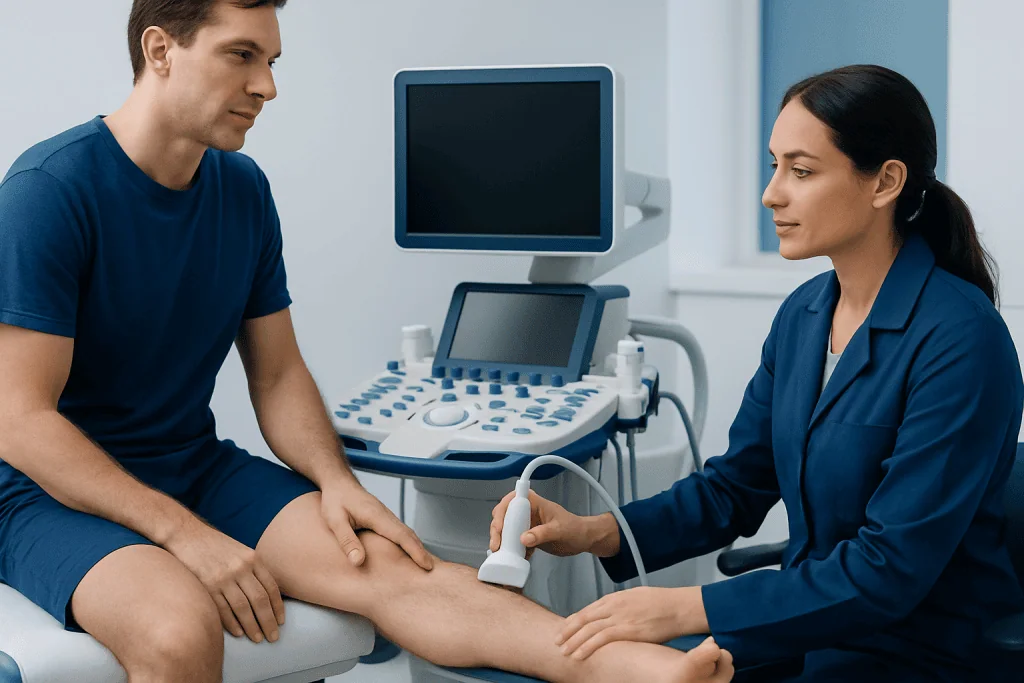
Ankle pain may be sharp, aching, throbbing, or burning. It can occur only during movement, only with weight-bearing, or even at rest. Some people describe stiffness in the morning, while others notice pain mainly after exercise or at the end of the day.
Other symptoms often appear alongside pain and can help point to the cause. Swelling and bruising are common after sprains and fractures. A feeling that the ankle may “give way” can suggest ligament injury or chronic instability. Clicking, catching, or locking may occur with cartilage or tendon problems, while warmth and redness can be seen with inflammation or infection.
A clinician will often ask about symptoms such as:
- Swelling around the joint or foot
- Bruising or skin discoloration
- Tenderness over bone, tendons, or ligaments
- Difficulty walking or bearing weight
- Stiffness or reduced range of motion
- Numbness, tingling, or weakness
- Visible deformity or a popping sensation at the time of injury
Symptoms outside the ankle also matter. Pain in the calf, heel, knee, or lower back can change how a person walks and may contribute to ankle strain. Fever, unexplained weight loss, or pain affecting multiple joints may suggest a broader medical condition that needs evaluation.
Common triggers and causes of ankle pain

The most frequent cause of ankle pain is a sprain, which happens when ligaments are stretched or torn, usually after the foot rolls inward or outward. Sprains may range from mild overstretching to more significant tearing that leads to swelling, bruising, and instability. Repeated sprains can make the ankle less stable over time and increase the chance of ongoing discomfort.
Fractures are another important cause. These may involve the bones of the ankle joint or nearby parts of the foot and lower leg. A fracture may happen after a fall, sports injury, or motor vehicle accident, but stress fractures can also develop gradually from repetitive impact. Tendon problems are also common, including Achilles tendinopathy, posterior tibial tendon dysfunction, and peroneal tendon irritation, each causing pain in different areas around the ankle. Related conditions such as Achilles tendonitis can also contribute to pain around the back of the ankle.
Non-injury causes should not be overlooked. Osteoarthritis can lead to stiffness and activity-related pain, especially in people with prior ankle injuries. Inflammatory conditions such as rheumatoid arthritis may cause swelling and morning stiffness. Gout may trigger sudden, intense pain with redness and warmth. Nerve irritation, flat feet, high arches, poorly fitting footwear, and biomechanical problems can all place extra stress on the ankle.
Less common but more urgent causes include infection, blood flow problems, and inflammatory joint disease flares. People with diabetes, reduced sensation in the feet, or poor circulation need particular attention because relatively minor injuries may become more serious if not recognized early.
Risk factors and how pain patterns offer clues
Certain factors raise the chance of developing ankle pain. These include sports that involve jumping, cutting, or uneven ground; a recent increase in training intensity; previous ankle sprains; weak supporting muscles; and inadequate warm-up. Age can also play a role, as joint wear, reduced flexibility, and slower tissue recovery may make pain more likely.
Body mechanics matter as well. Flat feet, high arches, leg length differences, and poor footwear can shift pressure across the ankle. Jobs that require long periods of standing or walking may worsen symptoms. Obesity increases load on the joints, while conditions such as diabetes, inflammatory arthritis, osteoporosis, and gout can affect the ankle directly or raise the risk of complications.
The way pain behaves can help narrow the possibilities. Sudden pain after twisting suggests a sprain or fracture. Gradual pain with exercise may point to tendon irritation or a stress injury. Morning stiffness that improves with movement can be seen with arthritis, while pain at the back of the ankle during push-off may suggest Achilles involvement. Night pain, fever, marked redness, or unexplained swelling deserves closer medical attention.
Because pain patterns can overlap, they should be treated as clues rather than a diagnosis. A proper examination is often the best way to distinguish a simple strain from a condition needing imaging, immobilization, or specialist care.
How ankle pain is diagnosed
Diagnosis begins with a careful history and physical examination. A clinician will ask when the pain started, whether there was an injury, exactly where the pain is located, and whether swelling, bruising, instability, numbness, or fever is present. They will also ask about sports, work demands, footwear, previous injuries, and medical conditions such as arthritis or diabetes.
During the examination, the ankle is checked for tenderness, swelling, warmth, bruising, deformity, and range of motion. The clinician may assess whether the patient can bear weight, compare both ankles, and perform gentle stability tests to look for ligament injury. The surrounding foot, calf, and lower leg may also be examined because pain can be referred from nearby structures.
Imaging is used when the history and exam suggest a more significant injury or when symptoms persist. X-rays are commonly ordered to look for fractures or alignment problems. Ultrasound can be helpful for some tendon and soft tissue concerns, while MRI gives a more detailed view of ligaments, cartilage, tendons, and bone stress injuries. If inflammatory disease, infection, or gout is suspected, blood tests or joint fluid analysis may be recommended.
In some cases, ankle pain relates to broader musculoskeletal problems and may be evaluated alongside sports injuries or gait issues. An accurate diagnosis is important because treatment differs significantly between a sprain, a stress fracture, arthritis, and a tendon tear.
Treatment options for ankle pain
Treatment depends on the cause, severity, and how long symptoms have been present. For mild sprains or overuse injuries, early care often includes relative rest, ice, compression, elevation, and temporary activity modification. Supportive footwear, bracing, or taping may help protect the ankle while it settles. Clinicians may also suggest pain-relieving medicines when appropriate, taking into account the person’s overall health.
Rehabilitation is often central to recovery. Targeted exercises can improve range of motion, strength, balance, and ankle stability. This is especially important after sprains, because returning to activity too quickly can raise the risk of repeated injury. Structured physical therapy and rehabilitation may help people who have persistent pain, weakness, or recurrent instability.
Some conditions require more specific treatment. Fractures may need immobilization in a boot or cast, and some unstable injuries need surgical repair. Tendon tears, significant ligament injuries, advanced arthritis, or mechanical problems that do not improve may also call for orthopedic assessment. Depending on the diagnosis, a doctor may discuss orthopedic evaluation and treatment or, in selected cases, advanced imaging such as MRI to clarify the problem.
For arthritis, inflammatory disorders, or gout, management focuses on controlling the underlying condition as well as reducing ankle symptoms. Treatment plans are individualized, and self-diagnosis should be avoided when pain is severe, persistent, or recurrent.
Self-care, recovery, and prevention
Many mild ankle problems improve with a short period of reduced activity and gradual return to normal movement. Rest does not always mean complete immobility; rather, it means avoiding the activities that trigger pain while keeping the joint gently mobile as advised. Elevating the ankle and using a compressive wrap may help limit swelling in the early phase after a minor injury.
Once pain begins to ease, recovery usually depends on restoring movement and strength. Gentle range-of-motion work, calf stretching, and balance exercises can help rebuild support around the ankle. Wearing stable, well-fitting shoes and replacing worn athletic footwear may reduce strain. People returning to sports may benefit from bracing or taping if recommended by a clinician.
Prevention is especially important after a previous sprain. Ongoing weakness, poor balance, and incomplete rehabilitation can make future injuries more likely. Helpful habits include warming up before exercise, increasing training gradually, strengthening the lower leg and core, and being cautious on uneven surfaces.
People with diabetes or reduced sensation in the feet should inspect their feet and ankles regularly and seek advice early for any swelling, redness, skin breakdown, or unexplained pain. For international patients needing evaluation for persistent joint or soft tissue problems, Acibadem International’s multidisciplinary specialists at JCI-accredited hospitals diagnose and treat musculoskeletal conditions with coordinated care.
When to seek medical care
Medical assessment is important when ankle pain follows a significant injury, especially if there is immediate swelling, a popping sensation, or inability to bear weight. A visible deformity, severe bruising, or intense tenderness directly over a bone can suggest a fracture or more serious soft tissue damage and should not be ignored.
Prompt care is also advised if the ankle is red, hot, and very swollen, or if pain is accompanied by fever, chills, or feeling generally unwell. These features can point to infection or severe inflammation. Numbness, tingling, pale or blue skin, or a cold foot may indicate nerve or circulation problems that need urgent attention.
If ankle pain has lasted more than a few days without clear improvement, keeps returning, or limits normal walking and activity, a qualified clinician should evaluate it. Ongoing pain can sometimes reflect incomplete healing, instability, a tendon problem, or an underlying joint condition. Early assessment often makes recovery more straightforward and helps reduce the risk of long-term weakness or stiffness.
Frequently asked questions
What is the most common cause of ankle pain?
A sprain is one of the most common causes of ankle pain, especially after the foot twists inward or outward. However, fractures, tendon injuries, arthritis, and overuse problems can cause very similar symptoms, so the cause is not always obvious without an examination.
Can ankle pain happen without an injury?
Yes. Ankle pain may develop gradually from tendon irritation, arthritis, gout, poor foot mechanics, or repetitive strain. In some cases, infection or inflammatory joint disease may also be responsible, particularly if there is redness, warmth, or swelling.
How do I know if ankle pain is serious?
Warning signs include inability to bear weight, severe swelling, visible deformity, marked bruising, numbness, fever, or a hot red joint. Pain after a high-impact injury or pain that does not improve over a few days should also be medically assessed.
Is it better to walk on a painful ankle or rest it?
That depends on the cause and severity. Mild strains may benefit from relative rest and gradual movement, but walking on a fracture or significant ligament injury can worsen the problem. If weight-bearing is very painful or the ankle feels unstable, medical advice is recommended.
Will ankle pain go away on its own?
Some mild cases improve with rest, ice, compression, elevation, and time. But persistent, recurrent, or worsening pain may mean there is a fracture, tendon injury, instability, or arthritis that needs a proper diagnosis and tailored treatment.
What doctor should a person see for ankle pain?
A primary care doctor, sports medicine doctor, or orthopedic specialist can evaluate ankle pain. The best choice depends on the symptoms, how the pain started, and whether imaging, rehabilitation, or specialist treatment is likely to be needed.
References
- American Academy of Orthopaedic Surgeons
- National Institute of Arthritis and Musculoskeletal and Skin Diseases
- MedlinePlus
- Mayo Clinic
- National Health Service
This article is for general information only and is not a substitute for professional medical advice. Please consult a qualified doctor about your individual situation.
Joint and spine care in Turkey — expert assessment & treatment
JCI-accredited · board-certified surgeons · reply within 24h
Add us as a Preferred Source to see more of our trusted health content across Google Search, AI Overviews and Discover.

More from the Health Library



Related Specialists

Dr. Selahattin Özen
Clinical Laboratory
Dr. Mustafa Kemal Gürsel
Otorhinolaryngology
Assoc. Prof. Dr. Murat Urkan
General Surgery
Prof. Dr. Mete Güngör
Gynecology & Obstetrics