Ankle Pain Treatment Corona: How It Works, Results and What to Expect

COVID-19 can cause temporary muscle and joint aches, but new ankle pain may also result from an injury, arthritis, gout, tendon problems or a blood clot. The most effective treatment depends on the cause and may include activity adjustment, cold therapy, supportive footwear, rehabilitation and medicines recommended by a clinician.
Key Takeaways
- COVID-19 can cause temporary muscle and joint aches, but new ankle pain may also result from an injury, arthritis, gout, tendon problems or a blood clot.
- The most effective treatment depends on the cause and may include activity adjustment, cold therapy, supportive footwear, rehabilitation and medicines recommended by a clinician.
- Sudden one-sided swelling, warmth, redness, severe pain, chest pain or shortness of breath needs urgent medical assessment.
- Recovery after a coronavirus infection varies, while uncomplicated ankle sprains commonly improve gradually over days to weeks.
- A clinical examination and, when appropriate, imaging or blood tests can clarify the cause of ongoing ankle pain.
Ankle pain treatment corona generally involves identifying whether pain is related to a recent viral illness, reduced activity, an injury, inflammation or another medical condition. Most mild ankle pain improves with appropriate self-care and gradual movement, but persistent, severe or swollen ankles should be assessed by a clinician.
Overview: Ankle Pain Treatment During or After Coronavirus
Ankle pain treatment corona is a search term commonly used by people who develop ankle discomfort during or after a coronavirus infection. COVID-19 can be associated with generalized aches in muscles and joints, particularly during the acute illness and early recovery. However, ankle pain is not specific to COVID-19, so it is important not to assume that the virus is the only explanation.
Many people have ankle symptoms for more common reasons, such as a sprain, tendon irritation, overuse after returning to exercise, osteoarthritis, inflammatory arthritis or gout. Reduced activity during illness can also lead to stiffness and weakness, which may make an existing ankle problem more noticeable once normal walking resumes.
Care begins with a careful history and examination. The aim is to control pain safely, protect the ankle if it has been injured, preserve mobility and identify symptoms that need prompt investigation. A clinician can tailor treatment to the person’s medical history, current medications, activity level and recovery from COVID-19.
How Ankle Pain Treatment Works
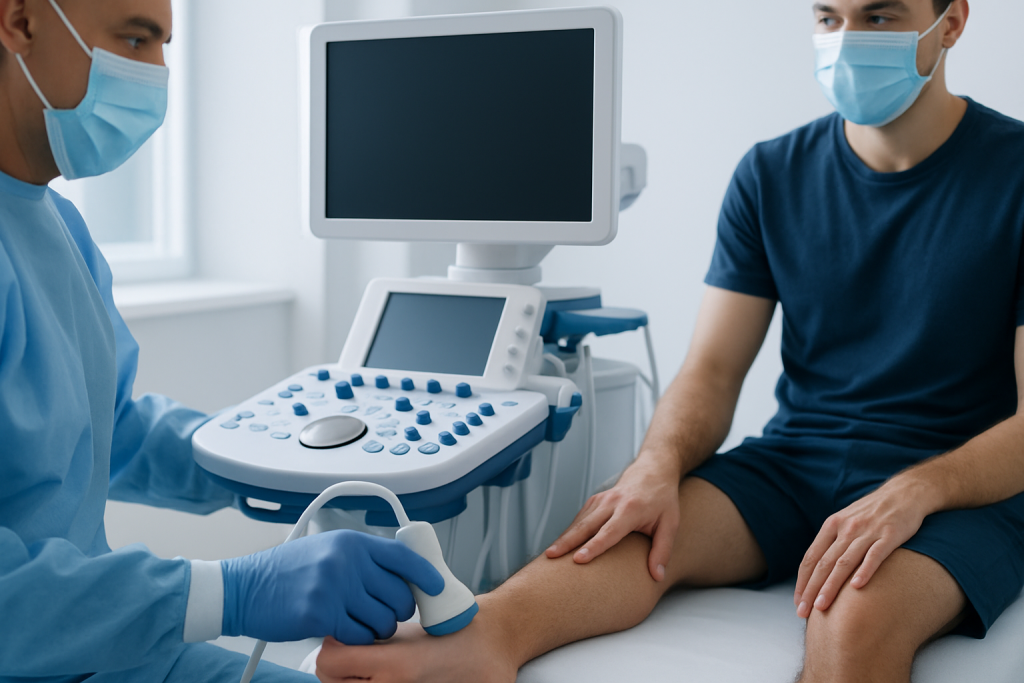
There is no single procedure called “corona ankle pain treatment.” Instead, treatment is directed at the underlying cause. For mild viral aches without swelling or injury, management often focuses on rest, hydration, gentle movement and symptom relief. When examination suggests a sprain or tendon problem, the plan may include temporary protection, gradual weight-bearing and a structured rehabilitation program.
Rehabilitation helps restore ankle range of motion, strength, balance and confidence with walking. These elements are important because pain can cause a person to alter how they walk, placing extra stress on the other leg, knee, hip or back. A physiotherapist may recommend specific exercises and advise on return to work, sports or other activities.
If pain persists or the cause is uncertain, clinicians may use X-rays to look for fractures or arthritis. Ultrasound or magnetic resonance imaging may be considered for selected tendon, ligament or cartilage concerns. Blood tests may help when infection, inflammatory arthritis, gout or another systemic condition is suspected.
Who May Need Assessment and What to Expect

Medical assessment is especially useful for people with pain lasting longer than expected, repeated ankle instability, difficulty bearing weight, visible deformity, significant swelling or a history of inflammatory disease. People who have diabetes, reduced sensation in the feet, circulation problems, immune suppression or previous ankle surgery should seek advice early because foot and ankle concerns may require more careful monitoring.
At an appointment, the clinician will ask when the pain began, whether there was a twist or fall, how it relates to a COVID-19 infection, and whether there are symptoms such as fever, numbness, redness or calf swelling. They will examine walking, joint movement, tender areas, circulation, sensation and ankle stability.
A typical care pathway may include the following steps:
- Reviewing symptoms, injury history, recent illness and medicines.
- Examining the ankle, foot and lower leg.
- Ordering imaging or laboratory tests only when clinically indicated.
- Creating a plan for pain relief, activity modification and rehabilitation.
- Arranging follow-up if symptoms fail to improve or new warning signs appear.
Orthopedic, physical medicine, rheumatology, infectious disease and vascular specialists may work together when symptoms are complex. Acibadem International’s multidisciplinary specialists and JCI-accredited hospitals assess and treat orthopedic and related conditions for international patients.
Benefits, Limitations and Possible Risks of Treatment
The potential benefits of timely ankle care include improved comfort, restored movement, safer walking and a reduced likelihood of repeated sprains or long-term stiffness. Early, guided rehabilitation can be particularly helpful after an injury because it supports a gradual return to normal loading rather than prolonged immobilization without a clear reason.
Not every case requires imaging, injections or surgery. These options are considered only when symptoms, examination findings and diagnostic results support their use. For example, a fracture may need immobilization or orthopedic treatment, while persistent tendon or ligament injury may need targeted rehabilitation and, less often, a procedure.
All treatments have potential downsides. Taking pain medicine can cause side effects or interact with other medicines. Returning to exercise too quickly may worsen a sprain or tendon problem. Excessive rest can contribute to stiffness and weakness. A clinician can help balance protection of the ankle with appropriate movement and can discuss whether physical therapy is suitable for recovery.
Recovery Timeline and Self-Care
Recovery depends on the diagnosis rather than on the word “corona” alone. Generalized aches related to an uncomplicated viral illness often settle as the person recovers, although fatigue and reduced exercise tolerance can last longer for some people. An uncomplicated mild ankle sprain may begin improving within days, while more substantial ligament or tendon injuries can take weeks or longer to recover.
For a recent minor injury, relative rest is usually more helpful than complete inactivity. Avoid activities that clearly increase pain, but maintain gentle movement as tolerated. Supportive shoes, an ankle brace when recommended, and gradual return to walking can help. Elevating the ankle may reduce swelling, and cold packs may ease pain after a fresh injury.
Once acute pain and swelling settle, progressive exercises for ankle movement, calf strength and balance are often central to recovery. A clinician or physiotherapist can advise when running, jumping or sport is safe. Persistent pain should not be pushed through, especially if there is swelling, catching, instability or worsening function.
What Is the Fastest Way to Heal Ankle Pain?
The fastest safe approach is to identify the cause and use the right level of protection and movement. For a minor sprain or overuse injury, this commonly means reducing painful activity, using cold therapy for short periods in the first days if swelling is present, elevating the ankle, wearing supportive footwear and gradually restoring mobility and strength.
Trying to return to full activity immediately can delay healing. In contrast, avoiding all movement for too long can increase stiffness and weakness. A gradual, individualized progression is usually the most efficient route back to normal function.
If pain followed a fall, a popping sensation, inability to take four steps, or substantial swelling, professional assessment is important before self-managing. An X-ray or other evaluation may be needed to exclude a fracture or identify a more significant injury.
How Long Does It Take to Heal From Coronavirus?
Many people recover from the main symptoms of a mild coronavirus infection within days to a few weeks, but the timeline varies. Age, underlying health conditions, vaccination status, severity of illness and complications can all affect recovery. Some people experience ongoing fatigue, breathlessness, aches or concentration difficulties after the initial infection has resolved.
Ankle pain should be considered in context. Aches may improve along with the overall infection, but a localized painful, swollen or unstable ankle may have a separate cause that deserves assessment. A healthcare professional can evaluate prolonged or changing symptoms and advise on a safe return to activity.
People recovering from COVID-19 should increase exercise gradually, especially after significant fatigue, fever, chest symptoms or a period of inactivity. New chest pain, fainting, severe shortness of breath or rapid deterioration requires urgent medical care.
Should I Ice or Heat My Ankle?
Cold therapy is often preferred soon after a new ankle injury when there is swelling, warmth or throbbing pain. A cold pack wrapped in a cloth can be applied for short periods; it should not be placed directly on the skin. Stop if the skin becomes very pale, painful or numb.
Heat may be more comfortable for stiffness or muscle tightness when there is no significant acute swelling. It can be useful before gentle stretching or mobility exercises. Heat is generally avoided on a newly swollen injury, an area of reduced sensation, or skin that is red and hot without a confirmed reason.
Neither ice nor heat treats a fracture, infection, clot or serious ligament injury. People with diabetes, poor circulation or reduced nerve sensation should ask a clinician before using heat or cold because they may be more vulnerable to skin injury.
What Is the Best Painkiller for Ankle Pain?
There is no single best painkiller for every person with ankle pain. Paracetamol may be appropriate for some people, while anti-inflammatory medicines may help selected people with inflammatory pain or a sprain. The most suitable option depends on the diagnosis, other health conditions and medicines already being taken.
Anti-inflammatory medicines are not appropriate for everyone. They may pose risks for people with kidney disease, stomach ulcers or bleeding, certain heart conditions, uncontrolled high blood pressure, or those taking blood-thinning medicines. A pharmacist or clinician can advise on safe choices and prevent accidental duplication of ingredients in combination cold-and-flu products.
Strong prescription pain medicines are usually not first-line treatment for uncomplicated ankle pain and need careful medical supervision. Pain relief works best alongside appropriate protection, rehabilitation and treatment of the cause rather than as the only strategy.
When to Seek Medical Care
Seek urgent medical care for sudden severe ankle or calf swelling, redness, warmth, unexplained one-sided pain, chest pain, coughing blood, fainting or shortness of breath. These symptoms can have several causes, including conditions that need prompt evaluation. A painful hot joint with fever or feeling unwell also needs same-day medical advice because joint infection must be excluded.
Arrange a medical assessment soon if the ankle looks deformed, cannot bear weight, has persistent numbness, has an open wound, or pain and swelling are not improving. It is also sensible to seek care if ankle pain begins after a COVID-19 infection and is clearly localized, worsening or associated with symptoms outside the ankle.
For ongoing pain, recurrent sprains or reduced function, an orthopedic assessment and orthopedic care can help establish a diagnosis and recovery plan. Prompt evaluation supports safe treatment while avoiding unnecessary procedures.
Frequently asked questions
Can COVID-19 cause ankle pain?
COVID-19 can cause generalized muscle and joint aches, especially during the acute illness and recovery period. However, isolated ankle pain may be due to an injury, tendon problem, arthritis, gout or another cause, so persistent or significant symptoms should be assessed.
Is ankle swelling normal after coronavirus?
Mild generalized aches can occur with viral illness, but marked or one-sided ankle swelling should not simply be assumed to be due to coronavirus. Medical assessment is important, particularly when swelling is warm, red, painful, sudden or associated with calf symptoms.
Can I walk on a painful ankle?
Gentle walking may be appropriate for a mild injury if it does not significantly increase pain and a clinician has not advised otherwise. Inability to bear weight, severe pain, deformity or rapidly worsening swelling should be evaluated before continuing to walk on the ankle.
When should I start ankle exercises?
The timing depends on the injury or condition. Gentle range-of-motion exercises are often introduced as acute pain and swelling settle, while strengthening and balance work are added gradually. A physiotherapist can provide a plan suited to the diagnosis and activity goals.
Could ankle pain after COVID-19 be a blood clot?
A blood clot more often causes swelling, pain, warmth or tenderness in the calf or leg, often on one side, rather than pain limited to the ankle. Because these symptoms can be serious, urgent medical care is needed if they occur, especially with chest pain or shortness of breath.
Do I need an X-ray for ankle pain?
An X-ray is not needed for every ankle problem. A clinician may recommend one after a significant injury, inability to bear weight, bone tenderness, deformity or symptoms that do not improve as expected. Other scans may be used when tendon, ligament or cartilage damage is suspected.
References
- Centers for Disease Control and Prevention
- World Health Organization
- American Academy of Orthopaedic Surgeons
- National Institute for Health and Care Excellence
- American College of Rheumatology
This article is for general information only and is not a substitute for professional medical advice. Please consult a qualified doctor about your individual situation.
Joint and spine care in Turkey — expert assessment & treatment
JCI-accredited · board-certified surgeons · reply within 24h
Add us as a Preferred Source to see more of our trusted health content across Google Search, AI Overviews and Discover.