Anti Nausea Drugs Chemotherapy: How It Works, Results and What to Expect

Antiemetics work best when they are taken preventively, as prescribed, rather than waiting for severe nausea to develop. Several medicines may be combined because chemotherapy-related nausea involves more than one signaling pathway.
Key Takeaways
- Antiemetics work best when they are taken preventively, as prescribed, rather than waiting for severe nausea to develop.
- Several medicines may be combined because chemotherapy-related nausea involves more than one signaling pathway.
- Nausea can be acute, delayed or anticipatory, and each pattern may need a different prevention plan.
- Vomiting, dehydration, fever or an inability to keep fluids down should be reported promptly to the oncology team.
- Nausea severity does not show whether chemotherapy is working; scans, examinations and laboratory tests guide response assessment.
Anti nausea drugs chemotherapy patients receive, also called antiemetics, are used before and after treatment to prevent or reduce nausea and vomiting. The best plan depends on the chemotherapy regimen, personal risk factors and whether symptoms occur immediately, days later or in anticipation of treatment.
Overview: how anti nausea drugs work during chemotherapy
Anti nausea drugs chemotherapy patients receive are medicines called antiemetics. They help block chemical signals between the digestive tract and the brain that can trigger nausea and vomiting after cancer treatment. They are commonly given before chemotherapy begins and may be continued for several days afterward, depending on the medicines used in the chemotherapy regimen.
Preventing symptoms is usually more effective than treating nausea after it has become severe. The oncology team estimates the likelihood of chemotherapy-induced nausea and vomiting from the specific treatment plan and then selects one medicine or a combination. This approach can help people stay hydrated, eat more comfortably and continue treatment as planned.
Not everyone experiences nausea, and not all chemotherapy drugs carry the same risk. Some people have mild queasiness, while others may have more significant symptoms without preventive treatment. A person should tell the team about any nausea or vomiting, even if it seems manageable, so the plan can be adjusted for future cycles.
Types of chemotherapy-related nausea and who may need prevention
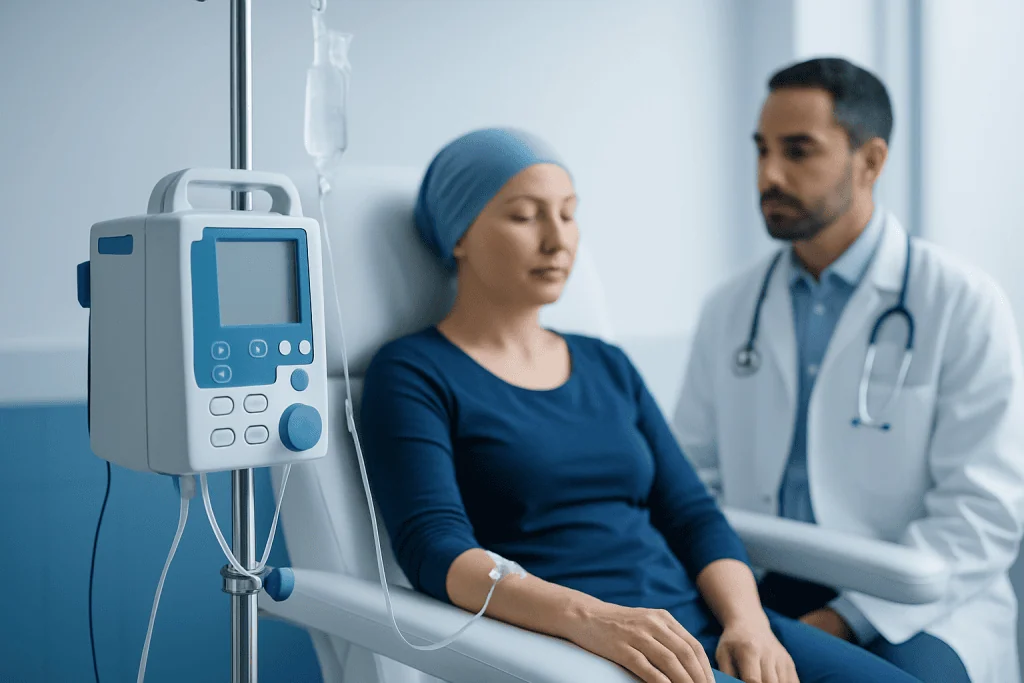
Chemotherapy-related nausea and vomiting can follow different patterns. Acute symptoms happen during treatment or within the first 24 hours. Delayed symptoms may begin more than 24 hours later and can last for several days. Anticipatory chemotherapy induced nausea and vomiting treatment addresses symptoms that start before treatment, often because a person has previously felt ill around chemotherapy visits.
Risk is influenced by the chemotherapy medicines and dose, but individual factors also matter. These can include younger age, a history of motion sickness or nausea in pregnancy, anxiety about treatment, previous nausea with chemotherapy, low alcohol intake and receiving more than one nausea-causing cancer medicine. These factors do not mean nausea is inevitable; they simply help guide prevention.
Anti nausea drugs for chemotherapy patients are also considered when other cancer treatments or health issues contribute to symptoms. Pain medicines, constipation, infection, brain involvement, bowel problems and metabolic changes can all cause nausea. New or persistent symptoms deserve assessment rather than being assumed to be a routine chemotherapy effect.
Which anti nausea medicines may be used

There is no single best anti nausea drug used during chemotherapy for every person. The care team may use medicines that block serotonin signals, neurokinin-1 signals or dopamine signals. Corticosteroids may also be included because they can strengthen nausea prevention when used for a short, planned period. Some regimens use an antipsychotic medicine at a low dose for difficult-to-control nausea.
For chemotherapy with a higher likelihood of causing vomiting, a combination of medicines from different classes is often prescribed. One or more may be given through a vein before chemotherapy, followed by tablets, dissolving medicines or patches to use at home. The instructions are tailored to the timing of the chemotherapy and the expected risk of delayed symptoms.
Common side effects depend on the medicine and may include constipation, headache, tiredness, dizziness, hiccups or sleep changes. Some medicines can affect heart rhythm or interact with other prescriptions. The oncology pharmacist and clinician should review all medicines, vitamins, herbal products and supplements before treatment starts.
- Take preventive antiemetics exactly as directed, including on days without chemotherapy if prescribed.
- Do not add over-the-counter nausea remedies without checking with the oncology team.
- Report side effects promptly; an alternative medicine or schedule may be more suitable.
What happens before, during and after a chemotherapy visit
Before the first cycle, the oncology team reviews the chemotherapy regimen, past nausea experiences, current medicines, other medical conditions and dietary concerns. The person receives a written or verbal antiemetic plan explaining which medicines will be given at the clinic and which should be taken at home. Asking for clear instructions is particularly helpful because delayed nausea often occurs after leaving the treatment center.
On the day of chemotherapy, preventive medicines may be taken by mouth or administered intravenously before the cancer drugs are started. During the infusion, staff monitor for discomfort and can advise on breakthrough nausea. At home, the person follows the schedule even if they feel well initially, especially when delayed nausea is expected.
In the days after treatment, keeping a simple record of nausea, vomiting, food and fluid intake, bowel habits and medicines taken can help the team refine the next cycle. If nausea breaks through the planned medicines, the person should contact the oncology team rather than stopping treatment or changing doses independently.
Benefits, limitations and possible risks
The main benefit of anti nausea chemotherapy drugs is better control of nausea and vomiting. Effective prevention can reduce dehydration, protect nutrition, support sleep and daily activities, and make it easier to complete a planned treatment course. Many people can achieve good symptom control when the preventive plan is matched to their treatment and adjusted when needed.
These medicines cannot guarantee that nausea will never occur. Some people need a different combination after their first cycle, and nausea may have causes other than chemotherapy. A medication plan should therefore be reviewed whenever symptoms change, become more intense or occur at an unexpected time.
Risks are generally manageable but vary by drug. Constipation is particularly common with some antiemetics and should be addressed early, as it can worsen nausea. Severe sleepiness, confusion, fainting, racing heartbeat, muscle stiffness, involuntary movements, rash or swelling are uncommon but require prompt medical advice.
Recovery timeline and practical self-care
The timing of symptoms varies. Acute nausea often improves within the first day, while delayed nausea may peak two to three days after chemotherapy and then gradually settle over several days. The exact pattern depends on the regimen, so the person’s own previous cycle is often useful for planning the next one.
Small, frequent meals may be easier than large meals. Bland foods, cool foods and sips of water, oral rehydration drinks, broth or other tolerated fluids can be useful. Some people find it helpful to avoid strong odors, very fatty foods, alcohol and large amounts of fluid with meals. There is no requirement to force food; maintaining fluids and seeking advice early are more important when appetite is low.
Rest, gentle activity when able, fresh air and relaxation techniques may also lessen discomfort. For anticipatory symptoms, behavioral approaches such as guided relaxation, counseling or working with a mental health professional may be offered alongside medicines. The goal is not to dismiss anxiety, but to treat it as a meaningful and manageable part of the nausea response.
When to seek medical care
A person should contact the oncology team promptly if vomiting continues despite prescribed rescue medicine, if they cannot keep liquids down, or if they have signs of dehydration such as very little urine, marked dizziness, dry mouth or unusual weakness. The team can assess whether medicines should be changed and whether fluids or other support are needed.
Urgent medical assessment is important for fever during chemotherapy, severe or persistent abdominal pain, abdominal swelling, blood in vomit, black stools, confusion, fainting, chest pain or shortness of breath. These symptoms may have causes that need prompt evaluation and should not be managed at home without advice.
For international patients, Acibadem International’s multidisciplinary specialists and JCI-accredited hospitals can assess cancer-treatment side effects and coordinate supportive care alongside oncology treatment. A person should still follow the urgent-contact instructions provided by their own cancer team between appointments.
Frequently asked questions
Does chemo nausea get better?
For many people, chemotherapy nausea improves once the treatment cycle has passed and the body clears the medicines. It can also improve from one cycle to the next when the oncology team adjusts preventive antiemetics. However, persistent or worsening nausea should be reported, as it may need a different treatment plan or assessment for another cause.
What are good signs that chemo is working?
Nausea, hair loss, fatigue and other side effects are not reliable signs that chemotherapy is working. Response is assessed with the cancer specialist using symptoms, physical examinations, blood tests, scans and sometimes tumor markers, depending on the cancer type. The timing of assessment varies with the treatment plan.
What is the hardest day after chemo?
There is no universal hardest day after chemotherapy because side effects depend on the medicines used and the individual person. Nausea may occur on treatment day or be more troublesome one to three days later, while fatigue and changes in blood counts may follow a different timeline. The oncology team can explain the expected pattern for a specific regimen.
What is the 7 day rule in chemotherapy?
The phrase “7 day rule” does not have one standard meaning across chemotherapy care. It may refer informally to the period when certain side effects emerge, or to timing instructions used by a particular clinic, but it is not a universal chemotherapy rule. Patients should confirm exactly what their oncology team means, especially regarding blood tests, infection precautions or medication schedules.
Can anti nausea medicines be taken after nausea has started?
Yes, many antiemetic plans include a rescue medicine for breakthrough nausea. However, preventive medicines usually work best when taken before symptoms develop and on the prescribed schedule. A person should contact the oncology team if rescue medicine is needed repeatedly or does not provide relief.
Can chemotherapy nausea happen before treatment begins?
Yes. This is called anticipatory nausea and vomiting, and it can occur before an appointment after a previous difficult experience with treatment-related sickness. It is a recognized treatment side effect and may be managed with optimized antiemetics, relaxation strategies, counseling and other individualized support.
References
- National Cancer Institute
- American Society of Clinical Oncology
- Multinational Association of Supportive Care in Cancer
- European Society for Medical Oncology
This article is for general information only and is not a substitute for professional medical advice. Please consult a qualified doctor about your individual situation.
Chemotherapy in Turkey — costs, top hospitals & a free quote
JCI-accredited · board-certified surgeons · reply within 24h
Add us as a Preferred Source to see more of our trusted health content across Google Search, AI Overviews and Discover.

Medical Oncology Department
Medical treatment of cancer with chemotherapy, immunotherapy and targeted therapies under a multidisciplinary tumor board.
60 specialists in this unit