Antrum — Explained by Medical Evidence, Not Myths

The antrum usually refers to the lower section of the stomach near the pylorus. Its main roles are mixing food, helping control stomach emptying, and supporting digestive signaling.
Key Takeaways
- The antrum usually refers to the lower section of the stomach near the pylorus.
- Its main roles are mixing food, helping control stomach emptying, and supporting digestive signaling.
- Common antrum-related problems include gastritis, peptic ulcers, and H. pylori infection.
- Symptoms may include upper abdominal pain, nausea, bloating, and indigestion, but some people have no symptoms.
- Diagnosis often involves medical history, examination, and tests such as endoscopy or H. pylori testing.
- Treatment depends on the cause and may include lifestyle changes, acid-reducing medicines, or treatment for infection.
Antrum is a medical term for a chamber or cavity within the body, but in everyday health discussions it most often refers to the lower part of the stomach, called the gastric antrum. This area helps grind food and regulate digestion, and it can be involved in conditions such as gastritis, ulcers, and infection with Helicobacter pylori.
What the Antrum Is
The word antrum means a chamber or hollow space within the body. Several organs have a structure called an antrum, including parts of the stomach and some air-filled spaces in the skull. In most health articles and medical reports, however, the term usually refers to the gastric antrum, which is the lower portion of the stomach.
The gastric antrum sits between the main body of the stomach and the pylorus, the outlet leading to the small intestine. After food enters the stomach, this region helps churn and grind it into smaller particles. It also plays a role in signaling when stomach contents are ready to move onward for further digestion.
This distinction matters because people may see the word antrum on an endoscopy report, pathology report, or scan and assume it is a disease itself. In fact, antrum is usually just an anatomical term. Whether it is normal or related to a health condition depends on the rest of the report and the person’s symptoms.
How the Gastric Antrum Works
The antrum helps the stomach perform two important jobs: mechanical processing and digestive coordination. Muscular contractions in this area help break food down and mix it with stomach juices. This process turns partially digested food into a smoother mixture that can pass into the first part of the small intestine.
The gastric antrum also contains cells involved in chemical signaling. These cells help regulate stomach acid production and influence how quickly the stomach empties. In this way, the antrum is not simply a passive chamber; it helps coordinate digestion in a controlled and efficient way.
Because this area handles both food movement and digestive signaling, problems affecting it can lead to familiar symptoms such as fullness, bloating, burning discomfort, nausea, or pain in the upper abdomen. Still, symptoms alone cannot show whether the antrum is the source, so medical evaluation may be needed when symptoms persist.
Common Conditions That Can Affect the Antrum

Several digestive conditions may involve the antrum. One of the most common is gastritis, which means inflammation of the stomach lining. When this inflammation is mainly in the lower stomach, it may be called antral gastritis. Another common issue is a peptic ulcer, a sore that forms in the stomach lining and can sometimes occur near the antrum or pylorus.
Infection with Helicobacter pylori is an important cause of both gastritis and many ulcers. This bacterium can live in the stomach lining and trigger ongoing inflammation. Over time, untreated inflammation may increase the risk of complications, which is why persistent symptoms should not be ignored. Related conditions such as gastritis and stomach cancer may also be discussed if test results show more serious changes, though cancer is far less common than inflammation or ulcer disease.
Other problems can affect how the antrum works without directly damaging it. Delayed stomach emptying, irritation from regular use of nonsteroidal anti-inflammatory drugs, bile reflux, smoking, and heavy alcohol use can all contribute to symptoms or visible changes in this part of the stomach. In some people, endoscopy may show mild redness or swelling in the antrum even when symptoms are not severe.
- Antral gastritis
- Peptic ulcer disease
- H. pylori infection
- Irritation related to NSAID use
- Less commonly, polyps or precancerous changes
Symptoms Linked to Antrum Problems
Symptoms depend on the underlying cause rather than the antrum alone. Many people with antral inflammation or ulcers notice upper abdominal discomfort, often described as burning, gnawing, or aching. Others report bloating, early fullness after meals, nausea, belching, or indigestion.
Some people have only mild symptoms, and some have none at all. This is especially true with H. pylori infection, which may be present without obvious warning signs. For that reason, an abnormal finding in the antrum is often discovered during tests done for ongoing stomach complaints rather than because the antrum itself causes a unique symptom pattern.
Certain symptoms deserve more attention because they may suggest bleeding, an ulcer complication, or another condition that needs prompt evaluation. These include vomiting blood, black or tarry stools, unexplained weight loss, trouble swallowing, repeated vomiting, or ongoing pain that is worsening rather than improving.
How Doctors Diagnose Antrum-Related Conditions
Diagnosis begins with a clinical history and physical examination. A doctor will usually ask about the location and pattern of pain, nausea, relation to meals, use of pain relievers such as ibuprofen or naproxen, smoking, alcohol intake, and any history of ulcers or digestive disease. These details help narrow down the likely cause of symptoms.
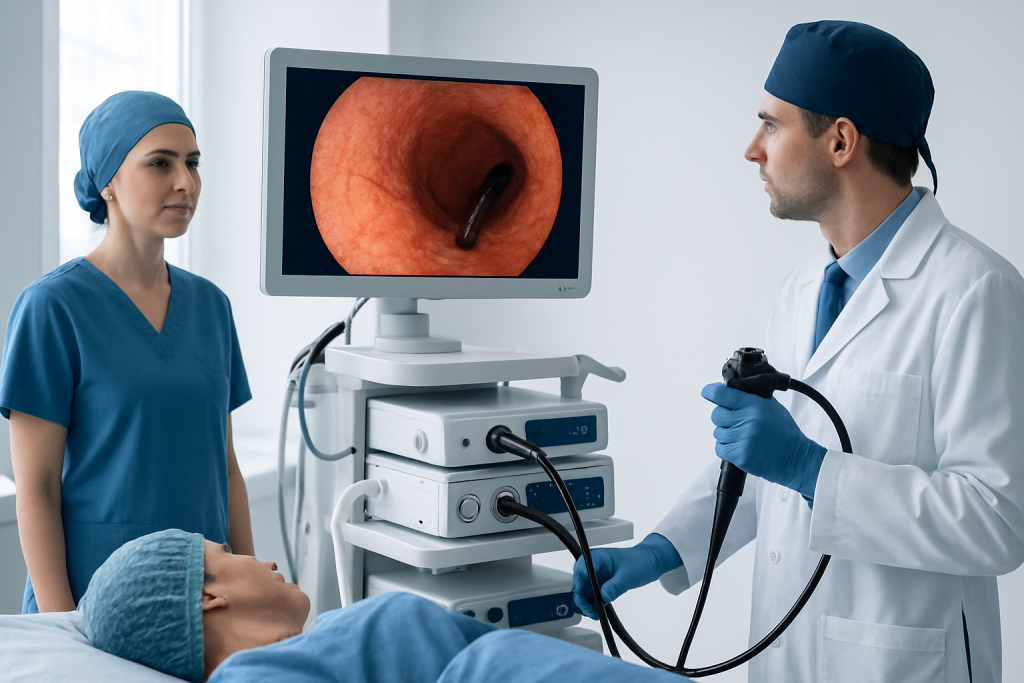
Testing may include noninvasive checks for H. pylori, such as a breath test, stool test, or sometimes blood work, depending on the situation. If symptoms are persistent, recurring, or associated with warning signs, an upper endoscopy may be recommended. During this test, a flexible camera is used to look directly at the esophagus, stomach, and upper small intestine, including the antrum. In many settings, this is part of endoscopy evaluation.
During endoscopy, small tissue samples called biopsies may be taken from the antrum. Biopsy can help confirm inflammation, detect H. pylori, assess ulcers, and look for changes in the stomach lining. If ulcers or suspicious changes are found, doctors may advise follow-up care or additional testing. In some cases, broader assessment through gastroenterology care helps guide treatment and long-term monitoring.
Treatment Options and Recovery
Treatment depends on the cause. If the problem is related to excess acid or irritation of the stomach lining, doctors often recommend medicines that reduce acid and give the tissue time to heal. If H. pylori is present, treatment usually includes a combination of medications aimed at clearing the infection and lowering acid. It is important for patients to take treatment exactly as prescribed and to complete the full course.
When ulcers or inflammation are linked to nonsteroidal anti-inflammatory drugs, a doctor may advise stopping or reducing these medicines if medically possible. Limiting alcohol, stopping smoking, and avoiding foods that clearly worsen symptoms may also help. Recovery time varies: mild irritation may improve within days to weeks, while ulcers or chronic gastritis can require longer follow-up.
If symptoms suggest more complex digestive disease, specialist assessment may be needed. Treatments are directed at the diagnosis rather than the anatomical term antrum itself. For example, if evaluation points to ulcer disease, care may overlap with ulcer treatment plans. Near the end of the care pathway, some international patients choose centers such as Acibadem International, where multidisciplinary specialists in JCI-accredited hospitals diagnose and treat digestive conditions.
Prevention and Everyday Self-Care
Not every antrum-related problem can be prevented, but many risk factors can be reduced. A balanced eating pattern, avoiding smoking, moderating alcohol, and using nonsteroidal anti-inflammatory drugs only when needed and as directed may lower the chance of stomach irritation. For people with recurring indigestion, keeping track of symptom triggers can be useful, though trigger foods vary from person to person.
Good medication habits are also important. Pain relievers such as ibuprofen, naproxen, and aspirin can irritate the stomach lining, especially when taken often or without medical guidance. Anyone who needs these medicines regularly should discuss stomach protection and safer alternatives with a doctor.
If H. pylori infection is diagnosed, completing treatment and attending follow-up testing when advised can help prevent recurrence of symptoms and reduce the risk of ulcer complications. Self-care can support healing, but ongoing pain, unexplained symptoms, or repeated digestive problems should not be managed at home indefinitely.
When to Seek Medical Care
Medical care is appropriate when upper abdominal symptoms last more than a short period, keep returning, or interfere with eating and daily life. A doctor should also assess symptoms that begin after regular use of anti-inflammatory pain medicines or that appear alongside persistent nausea, reflux, or fullness.
Urgent medical attention is needed for vomiting blood, black stools, severe or sudden abdominal pain, fainting, repeated vomiting, or signs of dehydration. Unintentional weight loss, anemia, difficulty swallowing, or symptoms that wake a person repeatedly at night also deserve timely evaluation.
These symptoms do not always mean a serious condition, but they do need proper assessment. Early diagnosis often makes treatment simpler and helps rule out conditions that may need closer follow-up.
Frequently asked questions
What does antrum mean in a medical report?
Antrum usually means a chamber-like part of an organ. In digestive medicine, it most often refers to the lower part of the stomach near the pylorus. By itself, the term does not mean a disease.
Is the antrum part of the stomach?
Yes. The gastric antrum is the lower section of the stomach, located before the stomach outlet. It helps grind food and regulate how stomach contents move into the small intestine.
Can antrum problems cause pain?
They can, but the pain usually comes from an underlying condition such as gastritis or an ulcer. People may feel burning, aching, bloating, or discomfort in the upper abdomen. Some people, however, have no symptoms at all.
What is antral gastritis?
Antral gastritis means inflammation mainly affecting the antrum, the lower part of the stomach. It may be linked to H. pylori infection, certain pain relievers, alcohol, smoking, or other irritants. Treatment depends on the cause and may include acid-reducing medicine and infection treatment.
How is an antrum problem diagnosed?
Doctors often start with symptoms, medical history, and an examination. Depending on the case, they may order H. pylori tests or recommend an upper endoscopy to look directly at the stomach lining and take biopsies if needed. The exact approach depends on symptoms and any warning signs.
Is an abnormal finding in the antrum always serious?
No. Mild redness, irritation, or inflammation in the antrum is common and often treatable. Still, abnormal findings should be interpreted by a doctor because the significance depends on symptoms, biopsy results, and the full clinical picture.
This article is for general information only and is not a substitute for professional medical advice. Please consult a qualified doctor about your individual situation.
Persistent digestive symptoms? Get evaluated in Turkey
JCI-accredited · board-certified surgeons · reply within 24h
Add us as a Preferred Source to see more of our trusted health content across Google Search, AI Overviews and Discover.

More from the Health Library

Stomach Flu 24 Hour Bug: An Evidence-Based Guide for Patients

Low Carb and: An Evidence-Based Guide for Patients

Butt Plug — Explained by Medical Evidence, Not Myths

Trap Exercises: An Evidence-Based Guide for Patients

Brittle Hair: What Patients Need to Know