Anxiety Symptoms: How to Describe Them During a Medical Assessment

Anxiety symptoms may be physical, emotional, cognitive, or behavioral. Specific details about timing, triggers, intensity, and duration help during a medical assessment.
Key Takeaways
- Anxiety symptoms may be physical, emotional, cognitive, or behavioral.
- Specific details about timing, triggers, intensity, and duration help during a medical assessment.
- Some symptoms of anxiety can overlap with other medical conditions, so evaluation matters.
- Keeping a short symptom diary before an appointment can make descriptions clearer.
- Urgent help is important if symptoms include chest pain, fainting, trouble breathing, or thoughts of self-harm.
Anxiety symptoms can affect the body, thoughts, emotions, and daily functioning. Knowing how to describe when they happen, how they feel, and what triggers them can help a clinician make a more accurate assessment.
Overview
Anxiety symptoms are the mind and body changes a person may notice when feeling worried, tense, fearful, or overwhelmed. They can appear during stressful situations, come on unexpectedly, or persist over time. For some people, the symptoms are mainly emotional, while for others the physical sensations are most noticeable.
During a medical assessment, the goal is not simply to label stress or worry. A clinician usually tries to understand what the symptoms feel like, how often they occur, how long they last, and whether they may be linked to a mental health condition, a physical health problem, medication effects, sleep loss, or substance use.
Clear descriptions are helpful because anxiety symptoms can overlap with many other concerns, including thyroid problems, heart rhythm changes, breathing conditions, menopause, medication side effects, and other mental health disorders. A careful history helps guide whether reassurance, lifestyle changes, counseling, or further testing may be appropriate.
Common Anxiety Symptoms to Notice
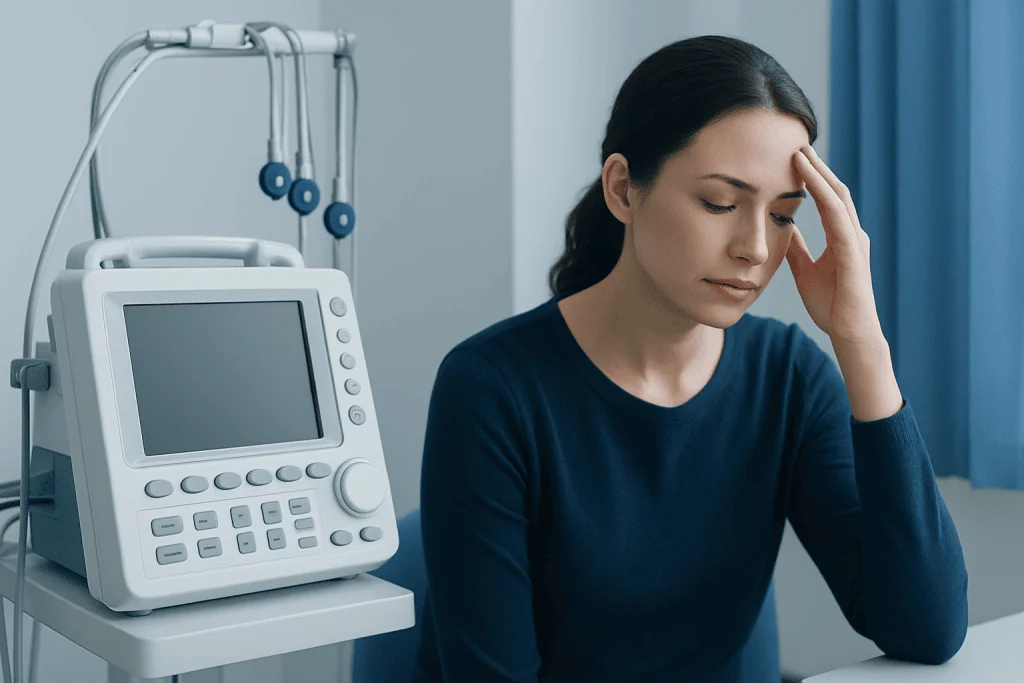
Anxiety symptoms often fall into several groups. Physical symptoms may include a racing heart, chest tightness, trembling, sweating, stomach discomfort, nausea, dizziness, tingling, dry mouth, muscle tension, headaches, or a feeling of being short of breath. Some people feel restless or unable to sit still, while others become unusually tired after prolonged tension.
Emotional and mental symptoms can include excessive worry, fear, dread, irritability, difficulty relaxing, feeling on edge, trouble concentrating, or a sense that something bad may happen. Some people describe feeling detached, unreal, or mentally “foggy” during intense episodes.
Behavioral changes are also part of the picture. A person may avoid crowded places, driving, social events, or situations associated with symptoms. Sleep can be affected, and daily routines may change because the person is trying to prevent another episode.
- Physical: palpitations, sweating, shaking, chest discomfort, stomach upset, dizziness
- Emotional: fear, unease, irritability, dread
- Cognitive: racing thoughts, overthinking, poor concentration
- Behavioral: avoidance, reassurance-seeking, changes in sleep or activity
How to Describe Anxiety Symptoms During a Medical Assessment

Many people find it difficult to explain anxiety symptoms in the moment. It often helps to describe them in a structured way. A clinician may ask what the symptom feels like, where it is felt in the body, when it started, how long it lasts, how severe it is, and what seems to trigger or relieve it.
Useful examples include phrases such as: “My heart suddenly starts pounding,” “I feel a tight pressure in my chest when I am under stress,” “My thoughts race and I cannot focus,” or “I avoid meetings because I feel shaky and nauseated.” Specific examples are usually more informative than saying only, “I feel anxious.”
It can also help to mention whether symptoms come in episodes or stay in the background most days. A person may say that symptoms appear before work, when trying to sleep, in social situations, or without a clear trigger. If symptoms interfere with eating, sleep, work, school, relationships, or leaving the house, that information is important too.
Before an appointment, some people benefit from writing down:
- When the symptoms began
- How often they happen
- How long they last
- Any common triggers
- Physical sensations that occur at the same time
- What makes the symptoms better or worse
- How symptoms affect daily life
Possible Causes and Risk Factors
Anxiety symptoms do not always mean that a person has an anxiety disorder. They can be related to life stress, grief, trauma, lack of sleep, relationship strain, work pressure, or major life changes. Caffeine, nicotine, alcohol, recreational drugs, and some medicines may also trigger or worsen symptoms.
At the same time, medical conditions can produce symptoms that feel similar to anxiety. Examples include thyroid disease, anemia, asthma, heart rhythm problems, low blood sugar, chronic pain, and hormonal changes. This is one reason clinicians ask about general health, medications, menstrual history when relevant, and use of supplements or stimulants.
Some people are more vulnerable because of family history, personality traits, long-term stress exposure, previous panic attacks, or coexisting conditions such as depression. Anxiety may also occur alongside other health issues, and understanding the broader picture helps with treatment planning.
What Happens During Diagnosis and Evaluation
A medical assessment for anxiety symptoms often begins with a detailed conversation. The clinician may ask about symptom patterns, stressors, sleep, mood, physical health, medication use, and whether symptoms have happened before. They may also ask whether there have been episodes of sudden intense fear that suggest panic attacks or persistent worries that suggest generalized anxiety.
Depending on the symptoms, a physical examination and selected tests may be recommended to rule out other causes. For example, if a person has palpitations, dizziness, or chest discomfort, the doctor may consider whether a heart, hormone, or respiratory issue needs evaluation. This step is not meant to dismiss anxiety; it helps ensure that other important explanations are not missed.
Questionnaires may also be used to understand severity and impact. In some cases, the clinician may discuss related conditions such as panic attacks or depression because these can overlap with anxiety symptoms and affect treatment choices.
Treatment Options and Support
Treatment depends on the cause, severity, and impact of the anxiety symptoms. Many people benefit from education, stress management, regular sleep, reduced caffeine, and psychological therapies such as cognitive behavioral therapy. Therapy can help a person recognize patterns, manage physical sensations, and reduce avoidance behaviors.
When symptoms are frequent, severe, or causing major disruption, medication may be considered by a qualified clinician. The choice depends on the individual, other health conditions, and whether symptoms are linked to panic, generalized anxiety, depression, or another diagnosis. Any medication decisions should be reviewed carefully with a doctor.
If symptoms suggest another medical issue, treatment may focus on that underlying cause. For example, doctors may recommend cardiology evaluation for certain heart-related symptoms or psychiatric assessment when emotional and cognitive symptoms are prominent. Some people also need support for sleep problems, substance use, or coexisting depression.
Near the end of the care pathway, patients may wish to know that Acibadem International’s multidisciplinary specialists and JCI-accredited hospitals diagnose and treat anxiety-related concerns and associated medical conditions for international patients when further evaluation is needed.
Self-Care Before and After an Appointment
Simple preparation can make an appointment more productive. Keeping a brief symptom diary for one to two weeks may help a person notice patterns. Writing down questions in advance can also make it easier to discuss concerns clearly, especially if anxiety makes concentration difficult during the visit.
Helpful self-care measures often include regular meals, good hydration, consistent sleep, moderate physical activity, and limiting caffeine, alcohol, and nicotine. Relaxation strategies such as slow breathing, grounding techniques, and mindfulness may reduce symptom intensity, although they are not a substitute for medical care when symptoms are severe or new.
People who experience repeated physical symptoms may feel tempted to search for every possible explanation online. Reliable information is useful, but self-diagnosis can increase worry. It is usually better to collect observations, note any triggers, and review them with a qualified healthcare professional.
When to Seek Medical Help
A doctor should be consulted if anxiety symptoms are frequent, worsening, difficult to control, or interfering with work, school, sleep, relationships, or daily activities. Medical review is also important if symptoms are new, occur for no obvious reason, or are accompanied by significant weight change, fainting, persistent vomiting, or other concerning physical signs.
Urgent assessment is needed for chest pain, severe shortness of breath, fainting, new confusion, seizure-like symptoms, or a very rapid or irregular heartbeat. These symptoms are not always caused by anxiety and should not be assumed to be harmless without medical evaluation.
Immediate emergency help is essential if there are thoughts of self-harm, suicide, or harm to others. A trusted family member or friend can help the person seek urgent support if needed.
Frequently asked questions
What is the best way to explain anxiety symptoms to a doctor?
It helps to describe exactly what is felt, when it happens, how long it lasts, and what seems to trigger it. Mention physical sensations, changes in thinking, and how symptoms affect sleep, work, or daily life.
Can anxiety symptoms feel physical rather than emotional?
Yes. Many people notice physical symptoms first, such as a racing heart, shaking, sweating, nausea, dizziness, or chest tightness. These symptoms are real and should be assessed in the context of the person's overall health.
How do doctors know whether symptoms are anxiety or another medical problem?
Doctors use the history, symptom pattern, physical examination, and sometimes tests to look for other causes. They may ask about medications, caffeine, sleep, hormone issues, heart symptoms, and breathing problems because these can overlap with anxiety.
Should a person keep a symptom diary before the appointment?
A short symptom diary can be very helpful. Tracking timing, triggers, duration, severity, and associated physical sensations often makes it easier to provide clear details during the visit.
Are panic attacks the same as anxiety symptoms?
Not exactly. Anxiety symptoms may build gradually or persist over time, while panic attacks usually come on suddenly and peak quickly with intense physical and emotional symptoms. A clinician can help distinguish between the two.
When are anxiety symptoms an emergency?
Emergency care is important for chest pain, severe breathing difficulty, fainting, new confusion, or thoughts of self-harm. These situations need immediate medical attention rather than home management.
References
- World Health Organization
- National Institute of Mental Health
- American Psychiatric Association
- National Health Service
- Mayo Clinic
This article is for general information only and is not a substitute for professional medical advice. Please consult a qualified doctor about your individual situation.
Explore treatments in Turkey — costs, top hospitals & a free quote
JCI-accredited · board-certified surgeons · reply within 24h
Add us as a Preferred Source to see more of our trusted health content across Google Search, AI Overviews and Discover.