Apron Belly: An Evidence-Based Guide for Patients

Apron belly describes a lower abdominal fold of excess skin and fat, also called an abdominal pannus. It can cause skin irritation, sweating, odor, discomfort, posture strain, and difficulty with hygiene or movement.
Key Takeaways
- Apron belly describes a lower abdominal fold of excess skin and fat, also called an abdominal pannus.
- It can cause skin irritation, sweating, odor, discomfort, posture strain, and difficulty with hygiene or movement.
- Lifestyle changes may improve comfort and overall health, but they do not always remove excess skin.
- Doctors diagnose apron belly mainly through physical examination and assess for rashes, hernias, and related health conditions.
- Treatment may include skin care, weight management support, physical therapy, and in selected cases surgery such as panniculectomy or abdominoplasty.
Apron belly is a common term for excess lower abdominal skin and fat that hangs over the pubic area or thighs. It may develop after weight gain, major weight loss, pregnancy, aging, or abdominal surgery, and care ranges from skin protection and exercise support to medical or surgical treatment when symptoms are significant.
Overview: what apron belly means
Apron belly is a non-medical term for a fold of excess lower abdominal skin and fat that hangs downward, sometimes over the pubic area, upper thighs, or groin. In medical settings, this may be called an abdominal pannus or panniculus. It is a body change rather than a disease on its own, but it can become medically important when it causes skin problems, pain, or limits daily activities.
Many people notice an apron belly after pregnancy, significant weight gain, or substantial weight loss. Others develop it gradually with age, changes in body composition, or after abdominal surgery. The amount of overhanging tissue can vary widely, from a small fold to a larger apron that affects clothing fit, mobility, exercise, and personal hygiene.
A helpful way to understand apron belly is to separate two issues: body fat and excess skin. Some people have mainly fat in the lower abdomen, while others have loose skin left behind after weight changes. Often both are present together. This is why management may include more than one approach, depending on symptoms, health status, and personal goals.
Symptoms and daily effects
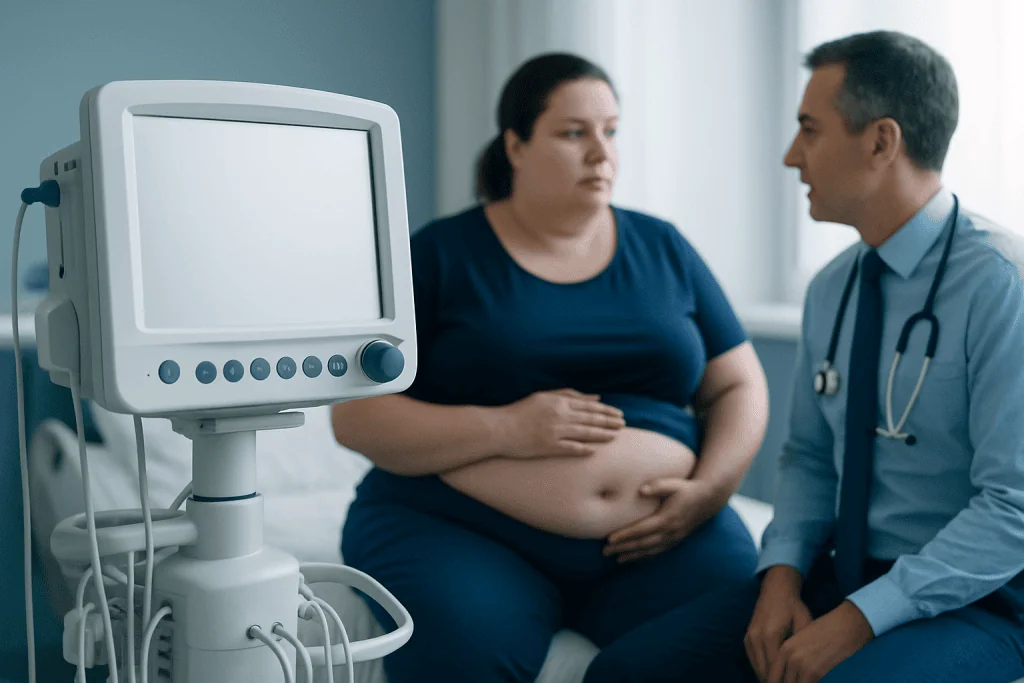
Apron belly itself is usually recognized by the visible lower abdominal overhang. Beyond appearance, it may cause physical discomfort. Skin trapped in the fold can become warm and moist, which increases friction and may lead to redness, itching, chafing, odor, or a rash. In some people, repeated irritation can cause skin breakdown or fungal and bacterial infections.
The extra weight of the pannus may also affect posture and movement. Some people report lower back discomfort, a feeling of pulling across the abdomen, groin irritation, or trouble with walking, exercise, and prolonged standing. Tight clothing and waistbands may rub against the fold and worsen symptoms.
Daily self-care may become more difficult when the fold is larger. Keeping the area clean and dry can take extra effort, and some people feel self-conscious during exercise, intimacy, or routine activities. These effects are real and can influence quality of life, even when there is no serious medical problem.
- Redness, itching, or burning in the skin fold
- Moisture, sweating, or unpleasant odor
- Chafing, soreness, or recurrent rash
- Difficulty with hygiene, dressing, or exercise
- Lower back or abdominal discomfort from weight and pull
Causes and risk factors

Apron belly develops when skin and underlying tissue stretch and do not fully return to their previous shape. Common causes include weight gain, obesity, multiple pregnancies, major weight loss, and natural aging. Genetics also matter because skin elasticity, fat distribution, and connective tissue strength differ from person to person.
Pregnancy can stretch the abdominal wall and skin, especially with multiple pregnancies or large changes in body size. After weight loss, particularly after losing a substantial amount of weight, the remaining skin may not tighten enough to match the new body shape. This can create an overhanging fold even when a person has improved overall health.
Related health conditions can make symptoms worse. Obesity may increase the size and weight of the pannus, while diabetes can raise the risk of skin infections and slower healing. Weakness in the abdominal wall may sometimes coexist with a hernia, which needs separate medical evaluation. People considering weight-loss support for obesity may be assessed in a program such as obesity care.
It is also important to distinguish apron belly from bloating or a suddenly enlarged abdomen. A chronic hanging lower abdominal fold usually reflects skin and fat changes, whereas rapid abdominal swelling may point to digestive, gynecologic, or other medical issues that need prompt assessment.
How doctors diagnose apron belly
Diagnosis is usually straightforward and begins with a medical history and physical examination. A doctor asks when the abdominal fold appeared, whether it changed after pregnancy or weight loss, and what symptoms are present. Questions often cover rashes, infections, pain, mobility limits, hygiene difficulties, and the impact on daily life.
During the examination, the doctor looks at the size and position of the pannus, the condition of the skin underneath it, and signs of chafing, fungal infection, ulceration, or odor. The abdomen is also checked for tenderness, separation of abdominal muscles, and possible hernias. This helps clarify whether the main issue is skin excess, fatty tissue, weakness of the abdominal wall, or a combination.
Additional tests are not always needed. However, if there are repeated infections, a suspected hernia, or a plan for surgery, a doctor may order blood tests or imaging. People with obesity-related symptoms may also be evaluated for conditions such as diabetes, high blood pressure, or sleep apnea because these can affect treatment choices and surgical safety.
The diagnosis process also helps set realistic expectations. Exercise and weight management can improve strength, function, and overall health, but they may not fully remove stretched skin. A tailored plan is usually based on symptoms, goals, and whether the concern is mainly functional, medical, or cosmetic.
Treatment options: from skin care to surgery
Treatment for apron belly depends on how much it affects comfort, skin health, movement, and emotional well-being. If symptoms are mild, conservative care may be enough. This often includes keeping the skin fold clean and dry, using breathable clothing, avoiding friction, and treating irritation early. A clinician may recommend barrier creams, antifungal treatment, or other therapies if a rash or infection is present.
Weight management can reduce the amount of fat in the area and may lessen pulling, sweating, and strain on the back and joints. Even so, weight loss does not always remove excess skin. Some people benefit from a medically supervised plan that includes nutrition support, physical activity, and, when appropriate, bariatric surgery for severe obesity. Strengthening the core and improving posture through guided exercise or physical therapy may also improve comfort and function.
When an apron belly causes repeated skin infections, chronic irritation, hygiene problems, or major functional limitations, surgery may be considered. A panniculectomy removes the overhanging pannus to relieve medical and practical symptoms. Another option, abdominoplasty or tummy tuck, removes excess skin and may tighten abdominal tissues, but it is planned differently and may include more contouring goals.
Surgery is not right for everyone. Doctors usually consider overall health, weight stability, smoking status, diabetes control, and the risk of complications such as wound problems or fluid collection. A careful discussion helps patients understand likely benefits, limitations, recovery time, and the importance of long-term weight maintenance.
Prevention and self-care
Not every case of apron belly can be prevented, especially when pregnancy, genetics, or major weight changes are involved. Still, several measures may reduce symptoms and support general health. Gradual, sustainable weight management can limit repeated stretching of the skin and may help prevent the pannus from becoming larger over time.
Daily skin care is especially important. Washing gently, drying thoroughly under the fold, and changing out of sweaty clothing can reduce irritation. Some people find it helpful to use soft absorbent fabric or moisture-wicking garments to keep the area drier. New rashes should not be ignored because early treatment is usually easier and more effective.
Movement matters too. Low-impact exercise, walking, swimming, and guided core strengthening can improve stamina, posture, and back comfort. Supportive underwear or abdominal garments may make activity more comfortable, though they should not be so tight that they trap moisture or rub the skin.
For people troubled by a persistent hanging abdomen after stable weight loss or pregnancy, a consultation with a specialist can clarify whether self-care, rehabilitation, or a procedure is most appropriate. Near the end of the treatment pathway, multidisciplinary specialists at Acibadem International and its JCI-accredited hospitals evaluate international patients with individualized plans when medical or surgical care is needed.
When to seek medical care
Medical advice is important when apron belly leads to repeated or worsening symptoms. A doctor should assess persistent redness, pain, open sores, foul odor, or drainage because these may indicate infection or skin breakdown. Ongoing discomfort, major trouble with walking or hygiene, or skin changes that keep returning despite home care also deserve evaluation.
Urgent assessment is needed if there is severe abdominal pain, fever, a rapidly spreading rash, a painful bulge that may suggest a hernia, or sudden swelling that is different from a long-standing pannus. These symptoms are not typical of simple excess skin and fat and should not be self-diagnosed.
It is also reasonable to seek medical care when the issue affects confidence, exercise, intimacy, or mental well-being. A clinician can help distinguish between concerns that are best managed with lifestyle support and those that may benefit from specialist treatment. That conversation can be an important step toward safer, more comfortable daily living.
Frequently asked questions
Is apron belly the same as obesity?
No. Apron belly describes a hanging fold of lower abdominal skin and fat, while obesity is a broader medical condition based on excess body fat and related health risks. A person can have an apron belly with or without obesity, especially after pregnancy or major weight loss.
Can exercise get rid of apron belly?
Exercise can improve fitness, core strength, posture, and overall body composition, which may reduce discomfort and help the abdomen feel firmer. However, exercise usually cannot fully remove stretched excess skin. When loose skin is a major part of the problem, medical or surgical options may be discussed.
Why does apron belly happen after weight loss?
After significant weight loss, the skin may not shrink back completely because it has been stretched for a long time. Age, genetics, smoking, sun exposure, and the amount of weight lost can all affect skin elasticity. This can leave a lower abdominal fold even when health has improved.
Can apron belly cause infections?
Yes. Moisture and friction under the skin fold can lead to irritation and create a setting where fungal or bacterial infections develop more easily. Keeping the area clean and dry and getting treatment for a rash early can help prevent complications.
What is the difference between panniculectomy and tummy tuck?
A panniculectomy removes the overhanging abdominal pannus mainly to relieve medical symptoms such as rashes, hygiene difficulty, or mobility problems. A tummy tuck, also called abdominoplasty, also removes excess skin but may include tightening of abdominal tissues and body contouring goals. The best option depends on symptoms, anatomy, and treatment goals.
When should someone talk to a doctor about apron belly?
A medical visit is a good idea if there are repeated rashes, pain, skin breakdown, foul odor, or trouble with movement and personal care. A doctor can also help if the abdominal fold affects quality of life or if there is concern about a hernia or another condition. Sudden swelling, severe pain, or fever should be assessed promptly.
References
- American Society of Plastic Surgeons
- National Institute of Diabetes and Digestive and Kidney Diseases
- American Academy of Dermatology
- Mayo Clinic
- Cleveland Clinic
This article is for general information only and is not a substitute for professional medical advice. Please consult a qualified doctor about your individual situation.
Medical weight-loss options in Turkey — costs & eligibility
JCI-accredited · board-certified surgeons · reply within 24h
Add us as a Preferred Source to see more of our trusted health content across Google Search, AI Overviews and Discover.
Check your numbers in seconds
BMI, calories, due date, blood pressure and 30+ more clinical calculators — free, instant, doctor-reviewed ranges.