Are Joints Bones? Understanding What Makes Up a Joint

Joints connect bones rather than replacing them Cartilage, ligaments, synovium, and joint fluid help joints move and absorb stress
Key Takeaways
- Joints connect bones rather than replacing them
- Cartilage, ligaments, synovium, and joint fluid help joints move and absorb stress
- Different joint types allow different amounts of motion and stability
- Pain, swelling, stiffness, or reduced range of motion can signal a joint problem
- Healthy movement, strength, and weight management can help protect joints
Joints are not bones. A joint is the place where two or more bones meet, and it includes several supporting structures that help the body move smoothly and stay stable.
Overview: What Is a Joint?
A joint is the point where two or more bones meet. So, in simple terms, joints are not bones; they are the structures that connect bones and allow the body to move, bend, twist, and bear weight.
Joints are part of the musculoskeletal system, which also includes bones, muscles, tendons, ligaments, and cartilage. Together, these structures create both movement and stability. Without joints, the skeleton would be rigid and unable to perform everyday actions such as walking, reaching, or turning the head.
There are several types of joints in the body. Some, like those in the skull, allow very little movement. Others, such as the shoulder, hip, knee, and fingers, are designed for greater motion. The amount of movement a joint can make depends on its shape and the surrounding tissues that support it.
What Makes Up a Joint?
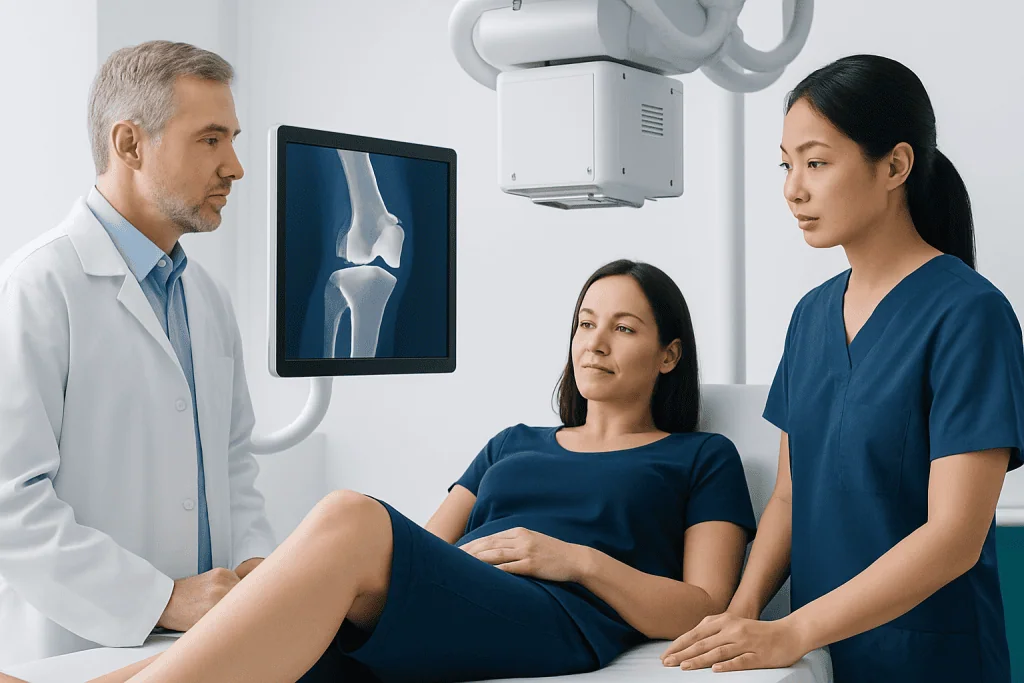
A joint is more than the place where bone touches bone. It includes several parts that work together to keep movement smooth and safe. The main components are the bones themselves, the cartilage covering the ends of bones, the joint capsule, synovial membrane, synovial fluid, and supporting ligaments.
Cartilage is a smooth, slippery tissue that helps bones glide against each other and absorb shock. The synovial membrane lines many movable joints and produces synovial fluid, which acts like a natural lubricant. Ligaments are strong bands of tissue that connect bone to bone and help stabilize the joint.
Muscles and tendons also play an important role. Muscles create movement, and tendons attach muscles to bones so that force can be transferred across the joint. When any part of this system is injured or inflamed, the joint may become painful, stiff, or unstable.
- Bone: provides structure
- Cartilage: cushions and smooths motion
- Ligaments: support and stabilize
- Synovial fluid: lubricates movement
- Muscles and tendons: help the joint move
Types of Joints and How They Move
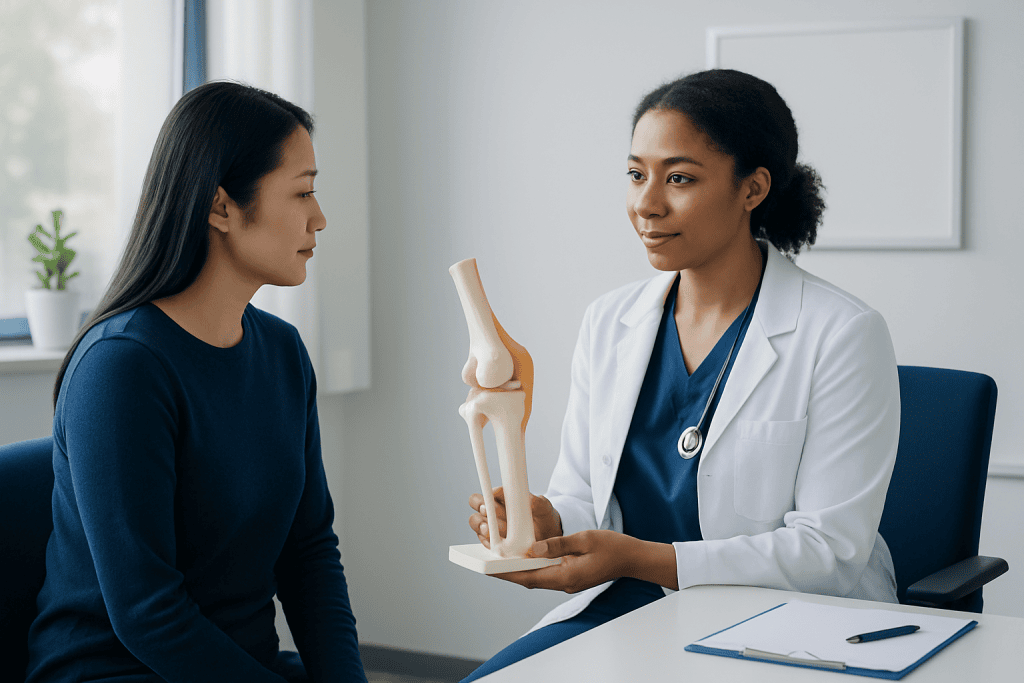
Joints are often grouped by how much movement they allow. Fibrous joints are nearly immovable, such as the sutures between skull bones. Cartilaginous joints allow limited movement, such as some joints in the spine. Synovial joints are the most mobile and include the shoulder, elbow, hip, knee, and ankle.
Synovial joints are the joints most people think of when they ask about joint pain or joint injury. These joints have a space between the bones, which is why they can move freely. Their design makes them useful for daily activities, but it also means they can be affected by wear, strain, inflammation, or injury.
Different synovial joints are shaped for different tasks. The shoulder allows a wide range of motion, while the knee mainly bends and straightens. The hip combines mobility with stability so it can support body weight. This balance between movement and support is what makes joints so important to normal function.
Common Symptoms of Joint Problems
Joint problems may cause pain, swelling, stiffness, warmth, or difficulty moving the area. Some people notice clicking, locking, or a feeling that the joint is giving way. These symptoms may begin gradually or appear after an injury.
Morning stiffness can be a clue that inflammation or wear-and-tear is affecting the joint. Pain that worsens with activity may suggest overuse or arthritis, while pain after a twist, fall, or sports injury may point to a sprain, strain, or other damage to supporting structures.
Because joints involve many tissues, symptoms do not always come from the bone itself. A problem in cartilage, ligaments, tendons, or the joint lining can all cause discomfort. For this reason, persistent joint symptoms should be assessed by a healthcare professional rather than assumed to be “just aging.”
Causes and Risk Factors
Joint symptoms can have many causes. Common ones include osteoarthritis, rheumatoid arthritis, gout, injury, overuse, infection, and mechanical problems such as poor alignment or loose cartilage. In some cases, joint pain is related to another health condition affecting the immune system or metabolism.
Risk factors vary by cause. Age, previous joint injury, repetitive strain, excess body weight, weak muscles, and family history can all contribute to joint problems. Certain sports, occupations, and activities may also increase stress on specific joints.
Not all joint pain means severe disease, and not all stiffness is permanent. Many joint problems improve when the underlying cause is identified early and managed appropriately. Understanding the structure of a joint helps explain why treatment often focuses on both pain relief and preserving movement.
How Joint Problems Are Diagnosed
Diagnosis usually begins with a medical history and physical examination. A doctor will ask about the location of the pain, when it started, what makes it better or worse, and whether there was an injury. They may also check range of motion, swelling, warmth, stability, and walking pattern.
Depending on the symptoms, tests may include X-rays, ultrasound, MRI, blood tests, or joint fluid analysis. Imaging can help show arthritis, fractures, soft tissue injuries, or inflammation. Blood tests may be useful when an autoimmune condition, infection, or metabolic disorder is suspected.
A careful diagnosis matters because different joint conditions need different treatment approaches. For example, pain from cartilage wear is managed differently from pain caused by infection or inflammatory arthritis. Accurate evaluation helps protect both comfort and long-term joint function.
Treatment Options
Treatment depends on the cause of the joint problem, the joint involved, and how severe the symptoms are. Common first steps may include rest from aggravating activities, activity modification, physical therapy, and measures to reduce inflammation and pain. In some cases, bracing or assistive devices can help protect the joint while it heals.
For inflammatory conditions, doctors may recommend medicines to reduce immune activity or relieve inflammation. For arthritis or cartilage problems, treatment often focuses on improving joint mechanics, strengthening the surrounding muscles, and maintaining mobility. When appropriate, some patients may benefit from guided procedures, injections, or surgery.
When a joint is severely damaged or painful despite conservative care, surgical options such as joint repair or replacement may be discussed. joint replacement can be considered for advanced joint disease, while arthroscopy may help diagnose or treat certain joint conditions through small incisions. A qualified orthopedic specialist can explain the safest option for each person.
Prevention and Self-Care
Healthy joints benefit from regular movement, balanced strength, and good body mechanics. Low-impact exercise such as walking, swimming, or cycling can help maintain flexibility and support the muscles around the joints. Stretching and strengthening exercises may also improve stability and reduce strain.
Maintaining a healthy weight can lessen stress on weight-bearing joints such as the knees and hips. Using proper technique during sports, lifting, and repetitive work activities may help reduce injury risk. Warm-up routines and adequate recovery time are also useful for people who exercise regularly.
For everyday self-care, people can protect joints by pacing activities, avoiding prolonged poor posture, and addressing small injuries early. Supportive footwear and ergonomically arranged workspaces may also reduce stress on the feet, knees, back, neck, and shoulders. If symptoms persist, self-care should not replace medical assessment.
When to See a Doctor
A doctor should be consulted if joint pain lasts more than a short time, keeps returning, or interferes with daily life. Medical review is also important if the joint is swollen, red, warm, unstable, or difficult to move.
Prompt evaluation is especially important after a fall, sports injury, or any event that causes sudden deformity or inability to bear weight. Fever together with joint pain may suggest infection or another condition that needs urgent assessment.
If joint symptoms are affecting quality of life, early diagnosis can help prevent further damage and support better function. Acibadem International’s multidisciplinary specialists and JCI-accredited hospitals diagnose and treat joint conditions for international patients with coordinated, patient-centered care.
A Simple Way to Remember Joint Anatomy
A helpful way to think about a joint is as a moving connection, not a single solid part. Bones form the framework, cartilage cushions the surfaces, ligaments hold the structure together, and synovial fluid keeps motion smooth.
This partnership explains why joints can be both flexible and strong. When one part is injured or inflamed, the whole system may be affected. That is why joint health depends on the bones as well as the soft tissues around them.
So, when someone asks, “Are joints bones?” the clearest answer is no. Joints are the places where bones meet, and they are supported by several specialized structures that make movement possible.
Frequently asked questions
Are joints bones?
No. Joints are the connections between bones, not bones themselves. They include cartilage, ligaments, synovial fluid, and other tissues that allow movement and provide stability.
What is the main job of a joint?
The main job of a joint is to connect bones and allow movement where the body needs it. Different joints are built for different amounts of motion and support.
Why do joints hurt even when the bones are not broken?
Joint pain can come from cartilage, ligaments, tendons, the joint lining, or inflammation around the joint. Bone injury is only one possible cause among many.
Is cracking or clicking in a joint always a problem?
Not always. Some clicking or popping can be harmless, especially if there is no pain or swelling. If it is new, painful, or associated with locking or instability, it should be checked.
Can exercise help joint health?
Yes, regular appropriate exercise can help strengthen the muscles around joints and improve flexibility. Low-impact activities are often helpful, but the right plan depends on the person and the affected joint.
When should joint pain be evaluated by a doctor?
Joint pain should be evaluated if it is persistent, worsening, swollen, stiff, or affecting daily activities. It should also be checked soon after an injury or if fever, redness, or inability to bear weight is present.
References
- MedlinePlus
- National Institute of Arthritis and Musculoskeletal and Skin Diseases
- Mayo Clinic
- World Health Organization
This article is for general information only and is not a substitute for professional medical advice. Please consult a qualified doctor about your individual situation.
Joint and spine care in Turkey — expert assessment & treatment
JCI-accredited · board-certified surgeons · reply within 24h
Add us as a Preferred Source to see more of our trusted health content across Google Search, AI Overviews and Discover.

More from the Health Library



Related Specialists

Prof. Dr. Mehmet Aytaç Yüksel
Gynecology & Obstetrics
Dyt. Begüm Biber
Nutrition & Diet
Assoc. Prof. Dr. Gökhan Karademir
Orthopedic Surgery & Traumatology
Dr. Arzu Oran
Clinical Laboratory