Are Pretzels a Healthy Snack? Causes, Explanations, and Next Steps

Pretzels are not inherently unhealthy, but their nutritional value depends on the portion, type, and what they are eaten with. Traditional pretzels are commonly made with refined flour, which provides quick energy but relatively little fiber.
Key Takeaways
- Pretzels are not inherently unhealthy, but their nutritional value depends on the portion, type, and what they are eaten with.
- Traditional pretzels are commonly made with refined flour, which provides quick energy but relatively little fiber.
- Packaged pretzels can contain substantial sodium, which may be important for people managing high blood pressure, kidney disease, or heart conditions.
- Pairing pretzels with protein, healthy fats, or produce can make a snack more satisfying and nutritionally balanced.
- Frequent cravings for salty snacks are usually harmless, but persistent thirst, swelling, or blood pressure concerns should be discussed with a clinician.
Pretzels can be an occasional part of a balanced diet, especially when eaten in a sensible portion and paired with protein or fiber-rich foods. However, many traditional pretzels are low in fiber and protein while being relatively high in sodium and refined carbohydrates, so they are not usually the most filling everyday snack choice.
Are Pretzels a Healthy Snack?
Are pretzels a healthy snack? For most people, eating pretzels occasionally is harmless and can fit within an overall balanced eating pattern. They are convenient, low in fat, and can provide a quick source of carbohydrate, but traditional varieties are often made from refined flour and may contain considerable sodium.
Whether pretzels are a healthy choice depends less on the food alone and more on the serving size, frequency, type of pretzel, and the rest of the meal or snack. A small handful of pretzels alongside hummus, yogurt, or fruit has a different nutritional role than repeatedly eating large portions of salted pretzels in place of more nutrient-dense foods.
Pretzels do not need to be avoided by everyone. Still, people who have been advised to limit sodium, manage blood glucose, lose weight, or increase dietary fiber may benefit from choosing lower-sodium, whole-grain, or more filling snacks more often.
What Pretzels Typically Provide

Most crunchy pretzels are made from wheat flour, water, yeast, and salt. Their main nutrient is carbohydrate. Carbohydrates are an important source of energy, particularly for the brain and muscles, but the nutritional effect varies according to the type of flour used and whether the food contains fiber, protein, and fat.
Many standard pretzels are made with refined wheat flour. During refining, parts of the grain that contain fiber and some nutrients are removed. As a result, refined-grain snacks may raise blood glucose more quickly and may not keep a person full for as long as snacks containing whole grains, protein, or healthy fats.
Pretzels are generally low in saturated fat compared with many fried snacks, which can be a positive feature. However, being low in fat does not automatically make a food nutrient-dense. Traditional pretzels often contain limited fiber, protein, vitamins, and minerals beyond small amounts of enriched nutrients added to flour.
Nutrition labels are useful because serving sizes can appear small compared with the amount people naturally eat from a bag. Checking the listed serving size, sodium content, fiber, and added sugars in flavored varieties can help a person decide whether a product suits their needs.
Why Sodium Is the Main Consideration
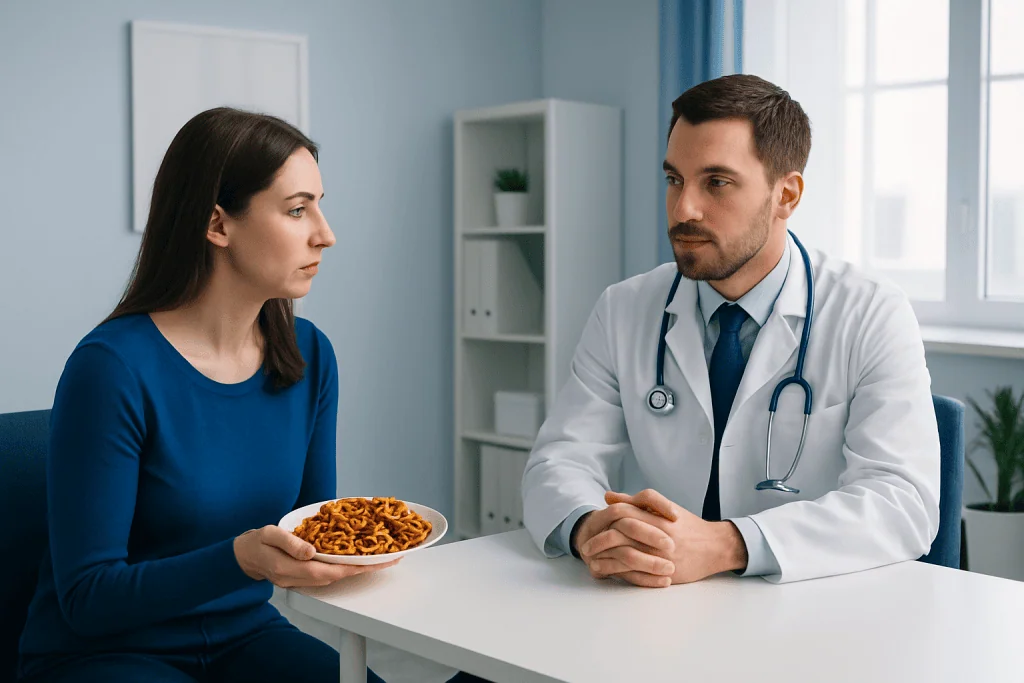
Salt is responsible for much of the flavor of packaged pretzels. Sodium is an essential mineral that helps regulate fluid balance, nerve signaling, and muscle function. Yet most people consume more sodium than recommended, often from packaged and restaurant foods rather than from salt added at the table.
A high-sodium snack is not usually a concern when eaten once in a while by a healthy person. However, regular high sodium intake may contribute to higher blood pressure in some individuals. This is especially relevant for people with hypertension, heart failure, kidney disease, or a history of stroke, who may receive individualized sodium guidance from their healthcare team.
Salt sensitivity differs between people. Some may notice temporary thirst, puffiness, or a rise in blood pressure after a very salty meal, while others may not feel any immediate effects. Symptoms alone cannot determine whether sodium intake is affecting health, so routine blood pressure monitoring and clinical advice are more reliable.
Unsalted or lightly salted pretzels may be an option for people trying to reduce sodium. It is also helpful to compare brands, as sodium levels can vary widely between plain, seasoned, filled, and flavored products.
Portion Size, Blood Sugar, and Fullness
Pretzels can be easy to eat quickly because they are crisp, light, and often sold in large bags. This can make it difficult to notice how much has been eaten. Serving a portion into a small bowl rather than eating directly from the package can support mindful snacking without requiring strict food rules.
Because most conventional pretzels are low in fiber and protein, they may not provide lasting fullness when eaten alone. A person may feel hungry again shortly afterward, particularly if pretzels replace a more substantial meal or are eaten during a long gap between meals.
For people with diabetes or prediabetes, carbohydrate-containing foods do not have to be excluded. The goal is usually to consider portion size, carbohydrate distribution through the day, and the overall composition of the meal. Eating pretzels with protein or fiber can slow digestion and may help reduce a rapid rise in blood glucose compared with eating a large portion on its own.
Whole-grain pretzels may offer more fiber than standard versions, although labels should still be reviewed. A product described as multigrain is not always made primarily from whole grains, so looking for whole wheat or another whole grain near the beginning of the ingredient list can be helpful.
Ways to Make a Pretzel Snack More Balanced
Pretzels can work best as one component of a snack rather than the entire snack. Combining them with foods that provide protein, fiber, healthy fat, or vitamins can improve fullness and nutritional quality. This approach also allows people to enjoy familiar foods while adding variety.
Balanced pairings may include a modest portion of pretzels with plain Greek yogurt dip, hummus, bean dip, a small portion of cheese, nut butter, or unsalted nuts. Fresh vegetables, such as cucumber, bell pepper, or carrots, can add crunch and fiber. Fruit can add fiber and natural sweetness, particularly when a salty snack craving is present.
- Choose lower-sodium or unsalted options when available.
- Measure a portion into a bowl instead of eating from the bag.
- Look for whole-grain varieties with higher fiber content.
- Pair pretzels with a protein-rich food or fresh produce.
- Reserve heavily flavored, cheese-filled, chocolate-coated, or sweetened varieties for occasional enjoyment.
Other convenient snacks may offer more nutrients per serving, including fruit with nuts, yogurt, roasted chickpeas, unsalted popcorn, vegetables with hummus, or whole-grain crackers with a protein source. The best choice is one that is enjoyable, accessible, and consistent with a person’s health needs.
Who May Need to Limit Pretzels?
People with high blood pressure may need to pay particular attention to salted pretzels because of their sodium content. Reducing sodium is often one component of a broader blood pressure plan that may also include regular activity, weight management where appropriate, limiting alcohol, taking prescribed medicines, and eating more fruits, vegetables, and minimally processed foods.
Those living with kidney disease, heart failure, or certain liver conditions may be given specific limits for sodium or fluids. In these situations, a clinician or registered dietitian can explain whether pretzels fit the recommended eating plan and what portion may be appropriate. Dietary advice should be individualized rather than based only on general online guidance.
People with celiac disease or wheat allergy should avoid standard wheat-based pretzels. Gluten-free pretzels may be suitable for people who need to avoid gluten, but they can still be high in sodium and low in fiber, so their labels remain important. A suspected wheat allergy or gluten-related condition should be assessed by a qualified healthcare professional.
Frequent snack cravings alone do not necessarily indicate a medical issue. They can be influenced by habits, skipped meals, stress, inadequate sleep, dehydration, and the availability of highly palatable foods. A regular eating pattern with satisfying meals can help many people manage cravings without eliminating particular foods.
When to Seek Medical Care
Eating pretzels does not usually require medical care. However, a person should speak with a doctor if they have repeatedly elevated blood pressure readings, new or worsening swelling in the feet or ankles, ongoing unusual thirst, frequent urination, or symptoms that are affecting daily life. These symptoms have many possible causes and should not be assumed to be due to salt intake alone.
Urgent medical assessment is appropriate for chest pain, severe shortness of breath, fainting, sudden weakness, confusion, or signs of a severe allergic reaction such as trouble breathing or swelling of the lips, tongue, or throat. These symptoms may signal conditions that need prompt evaluation and should not be managed by changing snack choices alone.
When assessing concerns related to sodium intake, blood sugar, or dietary patterns, a doctor may review medical history, medicines, usual foods and drinks, and home blood pressure readings. Depending on the symptoms and risk factors, they may check blood pressure and order tests such as blood glucose, kidney function, or electrolyte measurements. These steps help identify the underlying issue and guide appropriate care.
Acibadem International’s multidisciplinary specialists and JCI-accredited hospitals can support international patients who need assessment and dietary guidance for conditions such as hypertension, diabetes, kidney disease, or food allergy concerns.
Frequently asked questions
Are pretzels healthier than potato chips?
Pretzels are often lower in fat than many potato chips, particularly fried varieties. However, they can still be high in sodium and are commonly low in fiber and protein. Neither food needs to be completely avoided, but both are generally best eaten in moderate portions.
Are pretzels good for weight loss?
Pretzels can fit into a weight-management plan when portions are considered, but they may not be especially filling when eaten alone. Pairing a small serving with protein or fiber-rich foods may help manage hunger. Overall eating patterns, activity, sleep, and medical factors matter more than one snack.
Can people with diabetes eat pretzels?
People with diabetes can usually include pretzels in their diet, but it is helpful to account for their carbohydrate content and portion size. Eating them with protein, healthy fats, or fiber may support steadier blood glucose levels. Individual advice from a diabetes care team is especially useful for people using insulin or other glucose-lowering medicines.
Do pretzels raise blood pressure?
A salty serving of pretzels may temporarily contribute to fluid retention or higher blood pressure in some people, especially those who are salt-sensitive. Long-term blood pressure is influenced by total sodium intake, overall diet, medical conditions, and lifestyle. Regular blood pressure checks provide more useful information than symptoms alone.
Are whole-grain pretzels a better choice?
Whole-grain pretzels may provide more fiber than pretzels made with refined flour, which can support digestion and fullness. They may still contain substantial sodium, so checking the nutrition label remains important. Whole-grain options are generally most beneficial when they are part of a varied diet.
Why do salty pretzels make a person thirsty?
Sodium affects fluid balance in the body. After eating salty foods, the body may signal thirst to encourage fluid intake and help maintain a healthy concentration of sodium in the blood. Occasional thirst after a salty snack is common, but persistent excessive thirst should be discussed with a healthcare professional.
This article is for general information only and is not a substitute for professional medical advice. Please consult a qualified doctor about your individual situation.
Explore treatments in Turkey — costs, top hospitals & a free quote
JCI-accredited · board-certified surgeons · reply within 24h
Add us as a Preferred Source to see more of our trusted health content across Google Search, AI Overviews and Discover.
Check your numbers in seconds
BMI, calories, due date, blood pressure and 30+ more clinical calculators — free, instant, doctor-reviewed ranges.

More from the Health Library

How Long Does It Take for Omeprazole to Work? Causes, Explanations, and Next Steps

How Did Pink Eye Start? Causes, Explanations, and Next Steps

Swelling on top of foot: Common Causes, Warning Signs, and When to Worry

Headache After Botox: Causes and When to Seek Care

Why Do My Eyes Water When I Yawn? Causes, Explanations, and Next Steps