Arformoterol: A Complete Medical Overview

Arformoterol is a maintenance bronchodilator for adults with COPD, including chronic bronchitis and emphysema. It is delivered as a nebulized solution and works over an extended period to relax airway muscles.
Key Takeaways
- Arformoterol is a maintenance bronchodilator for adults with COPD, including chronic bronchitis and emphysema.
- It is delivered as a nebulized solution and works over an extended period to relax airway muscles.
- Arformoterol should not be used for sudden breathing attacks or as a treatment for asthma.
- New or worsening wheezing immediately after use, chest pain, or severe shortness of breath requires prompt medical assessment.
- Correct nebulizer use, regular follow-up, and an individualized COPD action plan can help improve treatment safety.
Arformoterol is an inhaled long-acting beta2-agonist (LABA) that helps keep airways open in adults with chronic obstructive pulmonary disease (COPD). It is used regularly through a nebulizer to support day-to-day breathing, but it does not replace a fast-acting rescue inhaler during sudden symptoms.
What Is Arformoterol?
Arformoterol is a prescription bronchodilator used for the regular, long-term management of chronic obstructive pulmonary disease (COPD) in adults. COPD is a group of progressive lung conditions that includes chronic bronchitis and emphysema. Arformoterol helps relax the smooth muscles surrounding the airways, allowing air to move more freely in and out of the lungs.
It belongs to a medicine group called long-acting beta2-agonists, often shortened to LABAs. Its effects last for many hours, so it is intended for scheduled maintenance use rather than rapid relief. The medicine is supplied as a solution for use with a standard jet nebulizer, which turns the liquid into a fine mist that can be inhaled through a mouthpiece or face mask.
Arformoterol may be prescribed alone or alongside other COPD medicines, such as long-acting muscarinic antagonists (LAMAs), inhaled corticosteroids when appropriate, or other treatments selected for the person’s symptoms and exacerbation history. The right plan depends on the severity of airflow limitation, symptom burden, other health conditions, and the person’s response to treatment.
How Arformoterol Helps Breathing
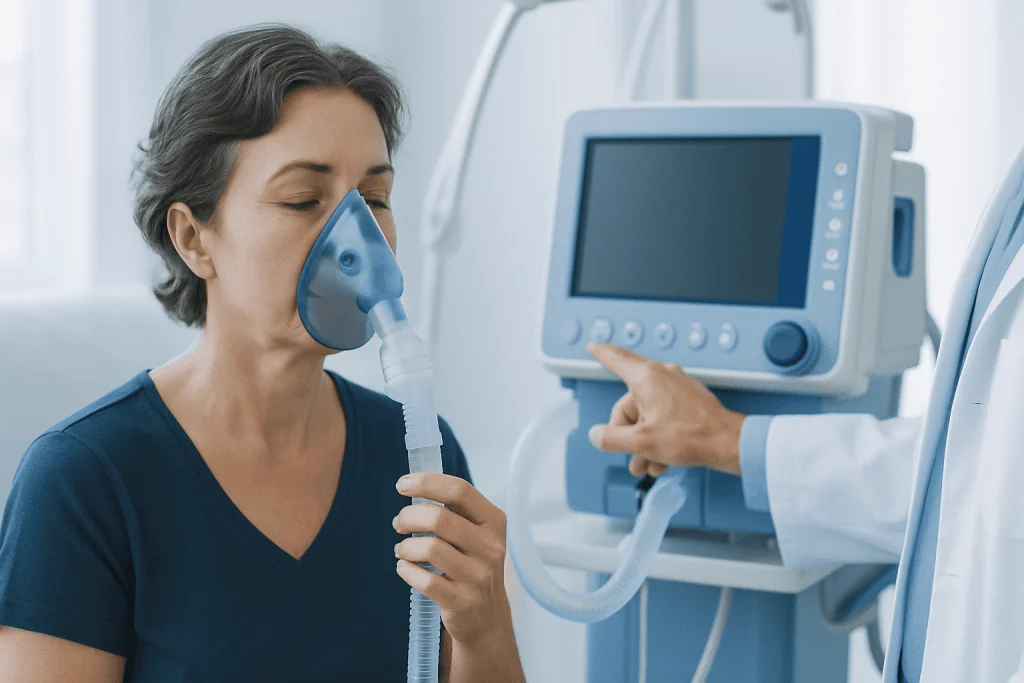
During COPD, airway narrowing, inflammation, mucus production, and damage to lung tissue can make breathing feel difficult. Arformoterol activates beta2 receptors in airway muscle. This causes the muscle to relax, widening the airways and helping reduce symptoms such as ongoing breathlessness, chest tightness, and wheezing.
Because it is long acting, arformoterol is designed to provide steady bronchodilation between regular treatments. It can support exercise tolerance and daily activities for some people, although it does not reverse lung damage or cure COPD. Continuing treatment as prescribed is important even when symptoms are relatively stable.
Arformoterol is not a rescue medicine. It should not be relied on to treat a sudden episode of severe shortness of breath. People using arformoterol should ask their clinician which quick-relief inhaler or other emergency medicine to use if symptoms worsen unexpectedly and should have a written COPD action plan where possible.
Arformoterol is not approved for asthma treatment. LABA medicines should not be used alone to manage asthma because this approach can increase the risk of serious asthma-related events. Anyone with asthma, asthma-COPD overlap, or uncertain respiratory symptoms needs an individualized assessment before treatment choices are made.
Who May Be Prescribed Arformoterol?

Arformoterol is generally prescribed for adults with COPD who need a long-acting bronchodilator to control ongoing symptoms. A clinician may consider it when breathlessness, cough, wheeze, or activity limitations continue despite other measures, or when nebulized treatment is more suitable than a handheld inhaler for an individual patient.
A nebulizer may be helpful for people who have trouble coordinating inhaler use, have reduced hand strength, or find inhaler devices difficult to operate. However, a nebulizer is not automatically more effective than an inhaler; the most appropriate device is the one a person can use correctly and consistently. The healthcare team can review technique and equipment needs.
Before prescribing, clinicians consider heart rhythm conditions, coronary artery disease, high blood pressure, diabetes, thyroid disease, seizure disorders, and low potassium levels. These conditions do not always prevent treatment, but they may influence monitoring and medicine selection. Patients should provide an up-to-date list of prescription medicines, non-prescription products, vitamins, and herbal supplements.
Accurate diagnosis matters because breathlessness can have many causes, including heart disease, anemia, infection, asthma, and anxiety. Lung function testing and clinical assessment can help distinguish COPD from other conditions and guide care.
Using Arformoterol Safely With a Nebulizer
Arformoterol should be used exactly as prescribed and only with the nebulizer system recommended by the clinician or pharmacist. The unit-dose vial is opened immediately before use, and the solution is placed in the nebulizer cup according to the product instructions. The medicine is inhaled calmly until the nebulizer no longer produces mist.
Patients should not swallow the solution, inject it, or use more frequently than prescribed. Taking extra doses or combining arformoterol with another LABA without medical advice can increase the risk of unwanted effects. Unless a clinician specifically advises otherwise, arformoterol should not be mixed in the nebulizer cup with other medicines.
Good equipment care supports effective treatment. Nebulizer parts should be cleaned, dried, and replaced according to the manufacturer’s instructions and local healthcare guidance. A poorly maintained device may not deliver medicine properly and can become contaminated. It is also useful to bring the nebulizer or inhaler devices to appointments so technique can be checked.
If a dose is missed, the patient should follow the directions provided by their prescriber or pharmacist rather than taking an extra dose to catch up. Storage instructions should be followed carefully, as nebulizer solutions may need protection from light and should be kept in their original foil pouch until needed.
Possible Side Effects and Medicine Interactions
Many people tolerate arformoterol well, but side effects can occur. Potential effects include tremor, nervousness, headache, dizziness, nausea, dry mouth, muscle cramps, palpitations, or a faster heartbeat. Some people may also notice cough, throat irritation, or upper respiratory symptoms. Mild symptoms should still be discussed if they persist, become troublesome, or affect daily life.
Like other beta2-agonists, arformoterol can occasionally affect heart rate, blood pressure, blood sugar, or potassium levels. Extra care may be needed in people with cardiovascular disease, diabetes, or conditions associated with electrolyte imbalance. A clinician may recommend monitoring based on the person’s overall health and other medicines.
Rarely, inhaled bronchodilators can cause paradoxical bronchospasm, meaning breathing or wheezing suddenly worsens immediately after use. This is potentially serious. The person should stop using the medicine, use their prescribed rescue treatment if instructed, and seek urgent medical advice.
Important interactions may occur with certain beta-blockers, other medicines that stimulate the nervous system, some antidepressants, diuretics, and medicines that can affect heart rhythm. This does not mean these combinations are never used, but they require medical review. Patients should not start, stop, or change any medicine without speaking to a qualified healthcare professional.
Arformoterol as Part of COPD Care
Medicine is only one part of comprehensive COPD care. Avoiding tobacco smoke is one of the most important steps for people who smoke, and support for smoking cessation can be highly valuable. Reducing exposure to dust, chemical fumes, indoor pollutants, and respiratory infections can also help protect lung health.
Clinicians may recommend pulmonary rehabilitation, which combines supervised exercise, education, breathing strategies, and support for managing symptoms. Appropriate physical activity can improve conditioning and confidence with daily tasks. Nutrition, sleep, vaccination, and treatment of related conditions such as heart disease or anxiety are also important parts of an individualized plan.
People with COPD benefit from knowing their usual symptoms and recognizing changes early. Increasing breathlessness, more frequent use of rescue medicine, changes in sputum, fever, or reduced ability to carry out normal activities may signal an exacerbation or another illness. Early contact with a clinician can help determine the right next step.
Regular reviews allow the healthcare team to assess symptom control, check device technique, discuss side effects, and adjust treatment if needed. Acibadem International’s multidisciplinary specialists and JCI-accredited hospitals evaluate and treat COPD for international patients, with care plans tailored to each person’s respiratory needs.
When to Seek Medical Care
Immediate emergency care is needed for severe or rapidly worsening shortness of breath, difficulty speaking because of breathlessness, blue or gray lips or face, confusion, fainting, or severe chest pain. These symptoms can indicate a serious breathing or heart-related problem and should not be managed by taking additional arformoterol doses.
Urgent medical advice is also appropriate if wheezing or tightness begins or worsens immediately after a nebulizer treatment, if there is a fast or irregular heartbeat, or if a prescribed rescue medicine is not providing expected relief. A person should use emergency medicines only according to their established action plan while arranging prompt assessment.
A routine appointment should be arranged for persistent side effects, worsening cough, more mucus, changes in exercise tolerance, frequent nighttime symptoms, or increasing reliance on quick-relief medication. These changes may mean the COPD plan, inhaler technique, or diagnosis needs review.
Anyone who is unsure whether symptoms are caused by COPD, a medicine side effect, or another condition should contact a healthcare professional. Timely, calm assessment is the safest way to clarify symptoms and maintain an effective long-term treatment plan.
Frequently asked questions
What is arformoterol used for?
Arformoterol is used for long-term maintenance treatment of COPD in adults, including chronic bronchitis and emphysema. It helps relax airway muscles and can reduce ongoing symptoms such as breathlessness and wheezing. It is not intended to cure COPD.
Is arformoterol a rescue medicine?
No. Arformoterol is a long-acting medicine for regular maintenance use and does not work quickly enough for sudden breathing attacks. Patients should use the quick-relief medicine prescribed in their COPD action plan for acute symptoms and seek urgent care when needed.
Can arformoterol be used for asthma?
Arformoterol is not approved for asthma treatment. Long-acting beta2-agonists should not be used alone for asthma because this can increase the risk of serious asthma-related problems. People with asthma should discuss suitable controller and reliever medicines with their clinician.
What are common arformoterol side effects?
Possible side effects include shaking, headache, nervousness, dizziness, nausea, cough, palpitations, and muscle cramps. Many effects are mild, but persistent or concerning symptoms should be discussed with a clinician. Sudden worsening wheezing after a dose needs urgent medical advice.
Can arformoterol affect the heart?
Arformoterol can sometimes cause a faster heartbeat, palpitations, or changes in blood pressure, especially in people who are sensitive to beta2-agonists. People with heart disease or rhythm problems should make sure their prescriber knows their medical history. Chest pain, fainting, or a sustained irregular heartbeat requires prompt assessment.
Can arformoterol be mixed with other nebulizer medicines?
Patients should not mix arformoterol with another nebulized medicine unless their clinician or pharmacist has specifically said it is appropriate. Mixing medicines may affect how they are delivered or increase the risk of errors. Each prescribed nebulizer treatment should be used according to its instructions.
References
- U.S. Food and Drug Administration
- Global Initiative for Chronic Obstructive Lung Disease
- National Heart, Lung, and Blood Institute
- MedlinePlus
- American Lung Association
This article is for general information only and is not a substitute for professional medical advice. Please consult a qualified doctor about your individual situation.
Explore treatments in Turkey — costs, top hospitals & a free quote
JCI-accredited · board-certified surgeons · reply within 24h
Add us as a Preferred Source to see more of our trusted health content across Google Search, AI Overviews and Discover.
Check your numbers in seconds
BMI, calories, due date, blood pressure and 30+ more clinical calculators — free, instant, doctor-reviewed ranges.

More from the Health Library

Lectin — Explained by Medical Evidence, Not Myths

Apple Cider Vinegar for Hair — Explained by Medical Evidence, Not Myths

Mucocele: An Evidence-Based Guide for Patients

Green Lipped Mussel: What Patients Need to Know

Acalabrutinib: A Complete Medical Overview