Arthroscopy Recovery: How Long It Takes and What Helps Healing
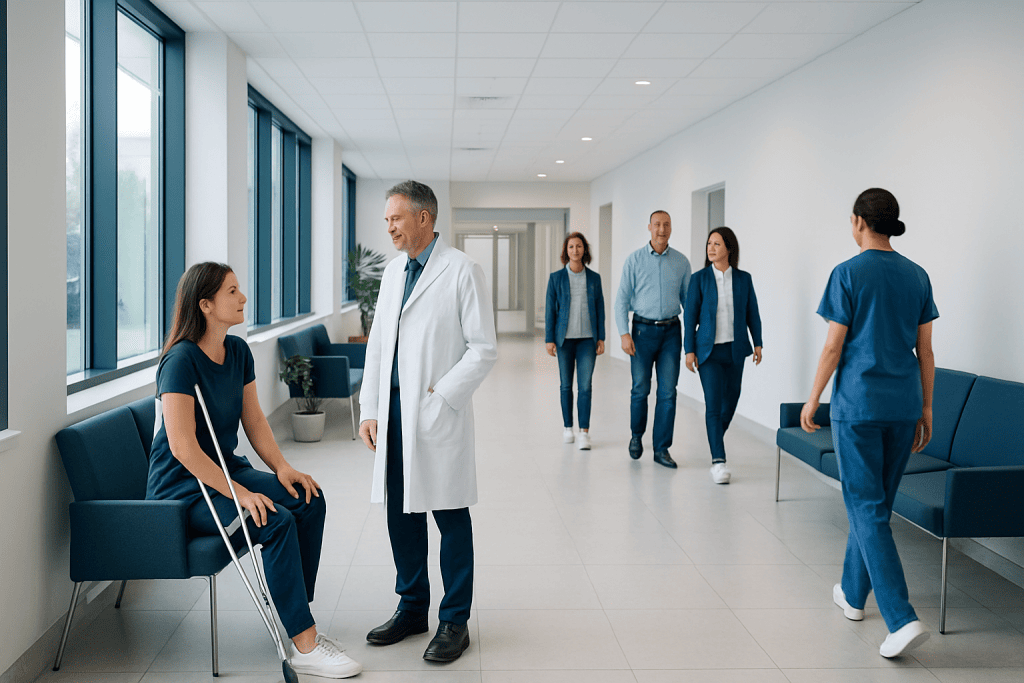
Arthroscopy recovery time is shorter for simple procedures and longer for repairs such as ligament or cartilage surgery. Pain, swelling, and stiffness are common at first and usually improve gradually with rest, icing, and guided movement.
Key Takeaways
- Arthroscopy recovery time is shorter for simple procedures and longer for repairs such as ligament or cartilage surgery.
- Pain, swelling, and stiffness are common at first and usually improve gradually with rest, icing, and guided movement.
- Physical therapy is often an important part of regaining strength, flexibility, and safe joint function.
- Following instructions about wound care, weight-bearing, and activity limits helps protect healing tissues.
- Persistent fever, worsening pain, drainage, or calf swelling should be assessed by a doctor promptly.
Arthroscopy recovery depends on which joint was treated, what was repaired, and a person’s overall health. Many people return to daily activities within weeks, while full healing after more complex repairs may take several months and is often supported by physical therapy.
Overview of Arthroscopy Recovery
Arthroscopy is a minimally invasive procedure used to diagnose or treat problems inside a joint. A surgeon inserts a small camera and specialized instruments through tiny incisions, most commonly in the knee, shoulder, hip, ankle, wrist, or elbow. Because the incisions are small and surrounding tissues are usually disturbed less than in open surgery, recovery is often smoother and faster than with traditional operations.
Even so, arthroscopy recovery is not the same for everyone. Healing time depends on the joint involved, whether the procedure was diagnostic or included a repair, the person’s age and general health, and how closely aftercare instructions are followed. A simple clean-up procedure may allow a quicker return to normal routines, while repairs to cartilage, tendons, or ligaments usually require more protection and rehabilitation.
It also helps to remember that “feeling better” and “fully healed” are not always the same. Pain and swelling may ease within days or weeks, but the joint can continue regaining strength, motion, and endurance over a longer period. A clear recovery plan from the surgical team helps set realistic expectations and supports safer healing.
How Long Recovery Usually Takes
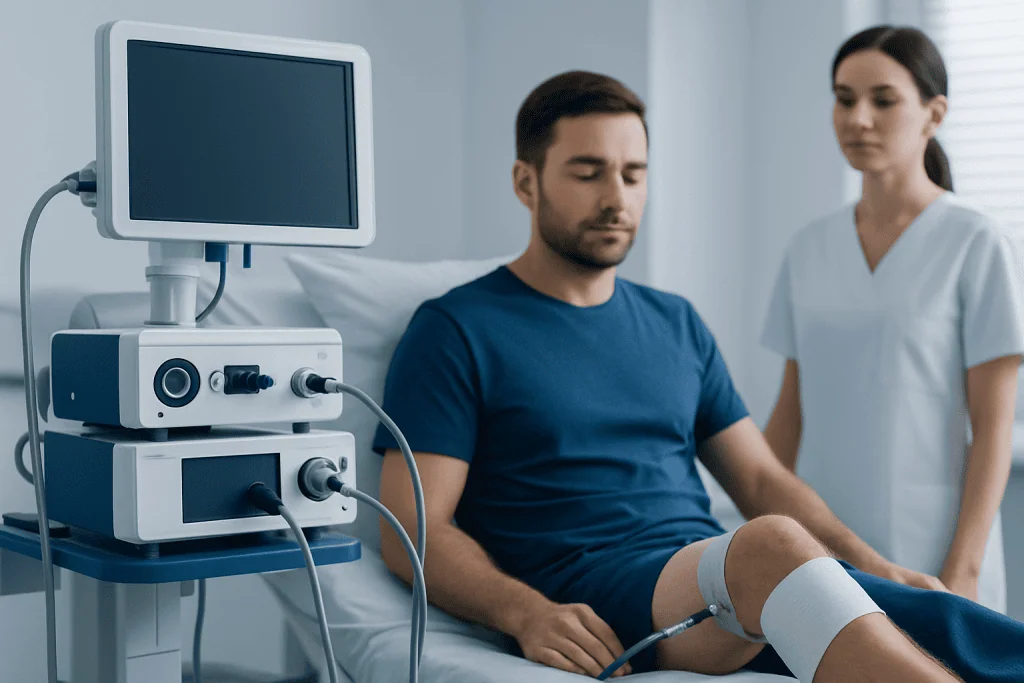
Many people go home the same day after arthroscopy. In the first few days, the main goals are to manage discomfort, protect the joint, and reduce swelling. Depending on the procedure, walking, dressing, desk work, and other light activities may be possible fairly soon, although some people need crutches, a sling, or a brace for a period of time.
For relatively minor procedures, recovery may take a few weeks. More involved operations, such as repairs of the meniscus, rotator cuff, labrum, or cartilage, often need several months for a full return to sports or demanding physical work. The doctor or physiotherapist usually gives stage-by-stage guidance, including when it is safe to drive, climb stairs, lift objects, or resume exercise.
A general timeline may look like this:
- First 1-3 days: rest, icing, elevation, wound care, and early gentle movement as advised
- First 1-2 weeks: swelling and soreness begin to improve; stitches or dressings may be checked or removed
- Weeks 2-6: mobility and light daily activities gradually increase; physical therapy often becomes more active
- Weeks 6-12 and beyond: strengthening, balance, endurance, and return to sports or heavier tasks continue, especially after repairs
These are only broad estimates. Recovery after arthroscopic surgery should always follow the surgeon’s specific instructions, since each procedure has its own limits and milestones.
What Symptoms Are Normal During Healing
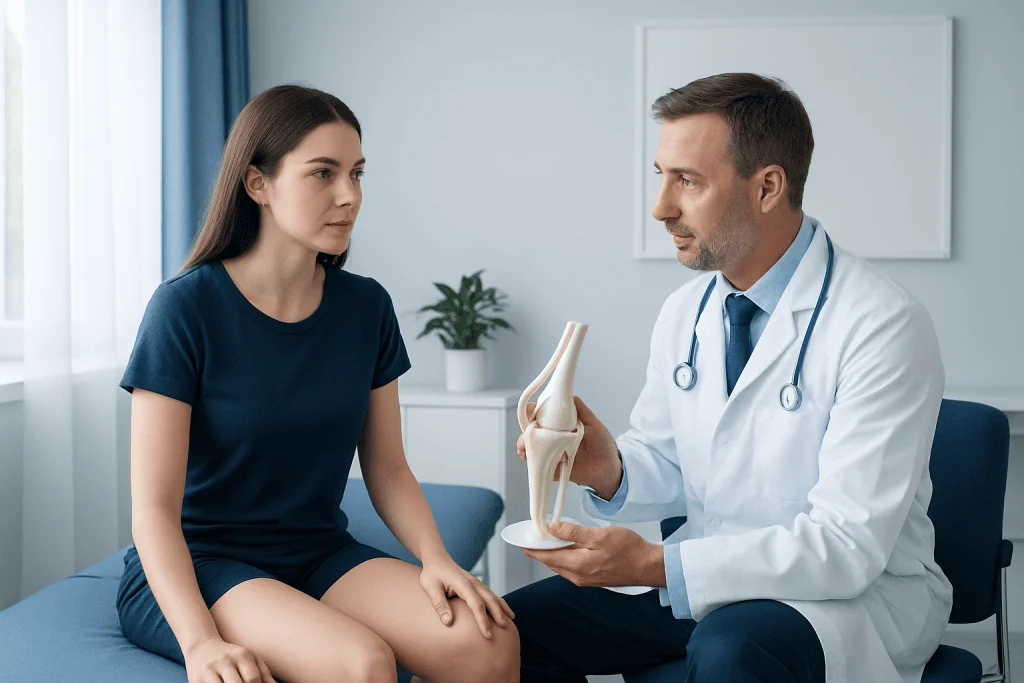
Some discomfort after arthroscopy is expected. Mild to moderate pain, swelling around the joint, bruising near the incision sites, and stiffness with movement are common in the early stage. The joint may also feel weak or unstable at first, particularly if muscles have become less active because of pain or temporary activity restrictions.
Tiredness can also be part of early recovery, especially in the first few days after anesthesia or sedation. Some people notice sleep disruption because it is difficult to find a comfortable position. These issues usually improve gradually as inflammation settles and movement becomes easier.
Recovery is often not perfectly linear. It is normal to have good days and more difficult days, especially after increased activity or physiotherapy sessions. Mild temporary swelling after exercise can occur, but the trend should still be toward overall improvement.
However, certain symptoms are not considered routine and need medical advice. These include rapidly worsening pain, increasing redness or warmth around the wounds, pus-like drainage, fever, significant numbness, shortness of breath, chest pain, or swelling and pain in the calf. Prompt review can help rule out complications such as infection or a blood clot.
What Affects Arthroscopy Healing Time
One of the biggest factors in arthroscopy recovery is the type of procedure performed. A diagnostic arthroscopy or minor trimming of damaged tissue often heals faster than a repair that must be protected while tissues reattach. For example, recovery after a simple knee clean-up is usually different from recovery after a meniscus repair or a procedure related to ACL injury.
The joint itself also matters. Shoulder and hip arthroscopy may involve longer rehabilitation because movement patterns are complex and surrounding muscles play a large role in stability. Recovery can also be influenced by pre-existing joint wear, such as osteoarthritis, as well as muscle weakness, limited range of motion before surgery, or previous injuries.
General health has an important role. Smoking, poorly controlled diabetes, obesity, nutritional deficiencies, and low physical conditioning can slow healing. On the other hand, staying active before surgery when possible, preparing the home for easier movement, and understanding the rehabilitation plan can make recovery more manageable.
Adherence is another key factor. Taking medications as prescribed, attending follow-up visits, protecting the joint from too much stress too early, and doing recommended exercises consistently often make a meaningful difference. Returning to high-impact activity too soon can irritate the joint or place repairs at risk.
Treatment, Rehabilitation, and Pain Management
After arthroscopy, treatment focuses on comfort, swelling control, safe movement, and gradual return of joint function. Doctors commonly recommend a combination of rest, icing, elevation, and short-term pain relief. Some people are advised to use compression bandages, braces, slings, or crutches to support the joint while tissues begin to heal.
Physical therapy is often central to recovery. Early exercises may help maintain circulation and prevent stiffness, while later sessions focus on range of motion, muscle strengthening, coordination, and return to regular activity. The pace of rehabilitation depends on whether the procedure was a simple clean-up or a structural repair. In some cases, a formal physical therapy and rehabilitation program helps guide progress safely.
Pain management should be balanced. The goal is not necessarily to feel completely symptom-free right away, but to keep discomfort controlled enough to rest, walk safely, and do necessary exercises. Ice packs wrapped in cloth, taking breaks between activities, and avoiding prolonged positions can all help. If pain suddenly becomes more intense rather than gradually improving, the surgical team should be informed.
When recovery is more complex, additional support may be needed. People who have persistent weakness, stiffness, or difficulty returning to walking, work, or sport may benefit from a tailored rehabilitation plan. For some patients, especially after knee procedures, structured care through knee treatment options may be discussed later if joint damage is advanced, though this is separate from routine arthroscopy recovery.
Self-care Tips That Help Recovery
Practical self-care can make recovery smoother and more comfortable. Keeping the incision area clean and dry, changing dressings as instructed, and watching for signs of irritation are important early steps. It also helps to arrange the home so that commonly used items are easy to reach and walking paths are clear to reduce the risk of falls.
Swelling control is especially helpful in the first days and weeks. Many patients are advised to elevate the affected limb, use ice for short periods, and avoid standing or walking for too long at one time. Gentle movement, when approved, may improve circulation and reduce stiffness better than complete inactivity.
Nutrition and hydration also support healing. Regular meals with adequate protein, fruits, vegetables, and fluids can help the body repair tissue and maintain energy. Avoiding smoking and limiting alcohol are sensible steps because both can interfere with recovery and sleep quality.
Activity should increase gradually. It is usually better to build up movement in small, regular amounts than to do too much on a good day and trigger increased soreness afterward. If the surgeon has given weight-bearing or motion restrictions, these should be followed carefully even when the joint starts to feel better.
When to See a Doctor During Recovery
Routine follow-up appointments are an expected part of arthroscopy recovery. These visits allow the doctor to check the wounds, monitor swelling and motion, review pain control, and update the rehabilitation plan. Patients should not hesitate to ask questions if they are unsure whether their symptoms or progress are typical.
Medical review is especially important if there are warning signs such as fever, increasing redness around the incisions, bad-smelling or cloudy drainage, severe or worsening pain, new numbness, or inability to move the joint as previously instructed. Swelling or pain in the calf, sudden shortness of breath, or chest pain needs urgent assessment because these can signal a blood clot or another serious problem.
It is also wise to contact a doctor if recovery seems to stall. Ongoing stiffness, persistent swelling, instability, or trouble returning to basic daily function may not always mean a major problem, but they deserve evaluation. Sometimes the rehabilitation plan simply needs to be adjusted, and sometimes imaging or further examination is useful.
For international patients seeking evaluation or follow-up, Acibadem International’s multidisciplinary specialists in JCI-accredited hospitals diagnose and treat joint conditions and support recovery planning in a coordinated way.
Frequently asked questions
How painful is arthroscopy recovery?
Most people have mild to moderate pain, swelling, and stiffness in the first days after arthroscopy. Discomfort usually improves gradually with rest, icing, prescribed medication, and gentle movement. Pain that suddenly worsens or does not improve should be discussed with a doctor.
When can someone walk after arthroscopy?
Walking often begins the same day or within a day, depending on the joint and the type of procedure. Some people can put weight on the leg right away, while others need crutches or a brace for a period of time. The surgeon’s instructions are the safest guide.
How long before returning to work after arthroscopy?
Return to work depends on the job and the procedure performed. Desk-based work may be possible within days to a couple of weeks, while physically demanding work can take much longer. Jobs that involve lifting, climbing, kneeling, or repetitive overhead use often require a more gradual return.
Is physical therapy always needed after arthroscopy?
Not always, but it is commonly recommended and can be very helpful. Therapy supports safe recovery of movement, strength, balance, and joint function. After repairs involving tendons, ligaments, or cartilage, structured rehabilitation is often especially important.
What helps reduce swelling after arthroscopy?
Swelling often improves with icing, elevation, compression if advised, and avoiding overactivity. Gentle approved exercises can also help circulation and reduce stiffness. If swelling is increasing rather than slowly improving, a doctor should review it.
When is it safe to exercise or play sports again?
Light activity may restart relatively early, but sports usually require medical clearance. The timing depends on the joint, the procedure, strength, balance, and whether the tissues have healed enough to handle impact or twisting. Returning too soon can delay recovery or put the repair at risk.
References
- American Academy of Orthopaedic Surgeons
- National Institute for Health and Care Excellence
- MedlinePlus
- National Health Service
- OrthoInfo
This article is for general information only and is not a substitute for professional medical advice. Please consult a qualified doctor about your individual situation.
Arthroscopy in Turkey — costs, top hospitals & a free quote
JCI-accredited · board-certified surgeons · reply within 24h
Add us as a Preferred Source to see more of our trusted health content across Google Search, AI Overviews and Discover.

Orthopedics & Spine
Care for bones, joints and the musculoskeletal system, including joint replacement, sports injuries and trauma.
125 specialists in this unit