Artificial Insemination Picture: What Patients Need to Know
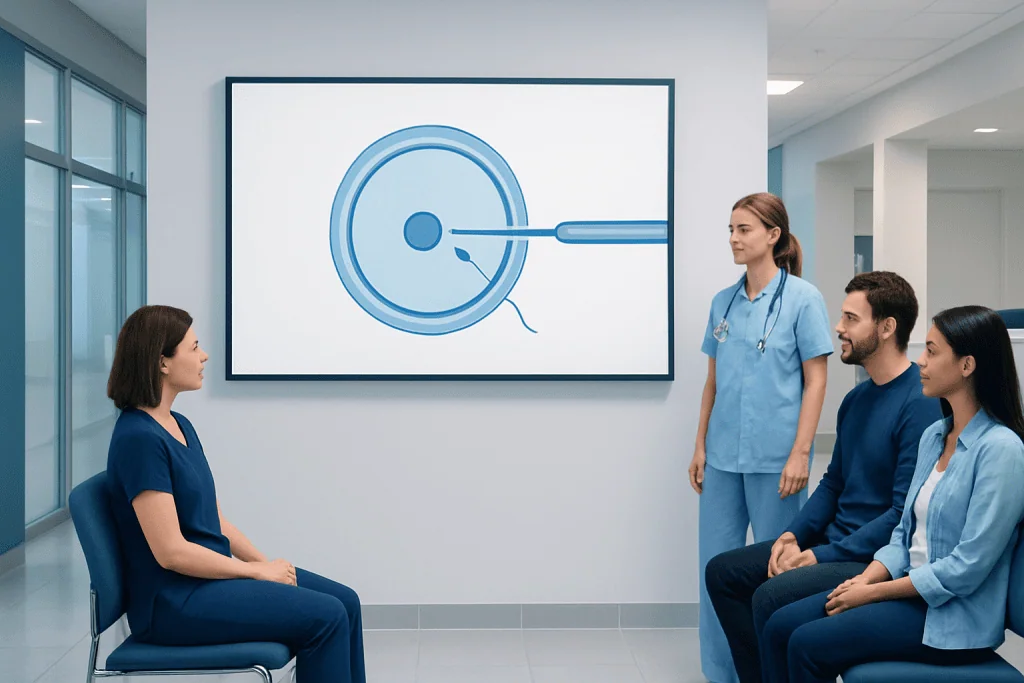
Artificial insemination is a fertility procedure that places prepared sperm into the reproductive tract at the right time in the cycle. When patients search for an artificial insemination picture, they often want a clear view of the steps, instruments, and timing involved.
Key Takeaways
- Artificial insemination is a fertility procedure that places prepared sperm into the reproductive tract at the right time in the cycle.
- When patients search for an artificial insemination picture, they often want a clear view of the steps, instruments, and timing involved.
- The most common type is intrauterine insemination, or IUI, which is usually quick and done without surgery.
- Mild cramping or spotting can happen after the procedure, but many people return to normal activities the same day.
- Success depends on age, ovulation, sperm quality, and the cause of infertility, so evaluation by a specialist is important.
An artificial insemination picture usually means a visual explanation of how sperm is placed into the uterus or cervix during fertility treatment. For most patients, it helps to understand the steps, what the procedure may feel like, and when to speak with a fertility specialist.
Overview: What an Artificial Insemination Picture Shows
An artificial insemination picture usually shows the basic pathway of the procedure rather than a dramatic medical scene. In simple terms, sperm is collected, prepared in a laboratory, and then placed into the cervix or uterus around the time of ovulation. The image often focuses on the uterus, cervix, a thin catheter, and the timing of the menstrual cycle.
Many patients search this phrase because they want to know what to expect before a fertility appointment. A visual explanation can make the process feel more understandable and less intimidating. It may also help patients distinguish artificial insemination from other fertility treatments such as in vitro fertilization (IVF), which involves egg retrieval and embryo transfer.
Artificial insemination is not a single technique in every case. The most common form is intrauterine insemination, or IUI, where prepared sperm is placed directly into the uterus. Less commonly, sperm may be placed in or near the cervix. The exact approach depends on the fertility history, ovulation pattern, sperm quality, and the care plan recommended by a specialist.
How the Procedure Works Step by Step
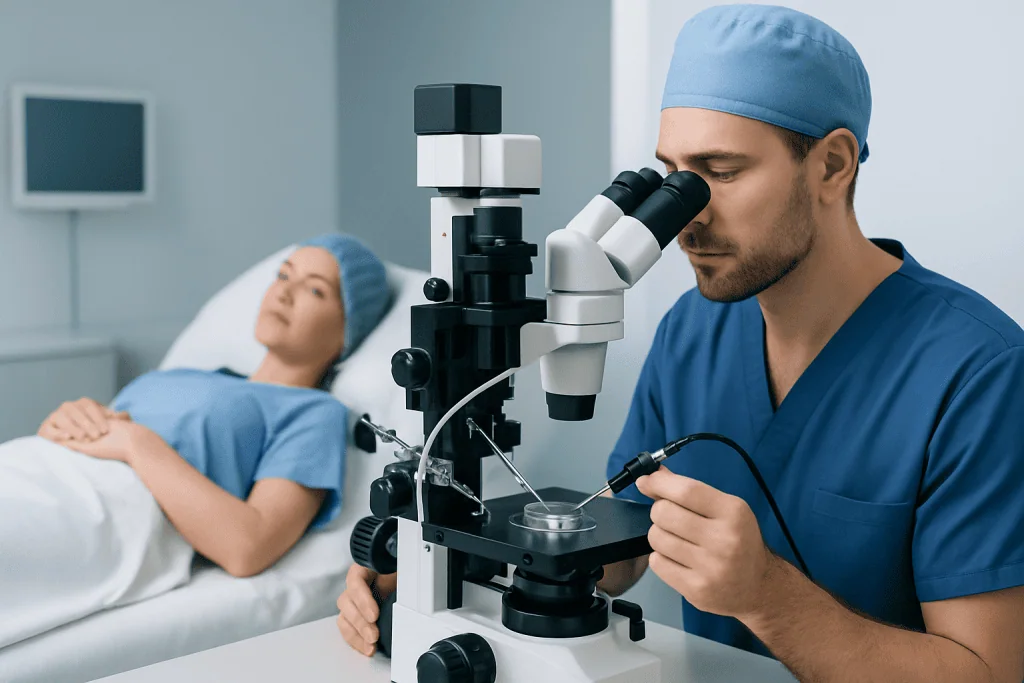
The process usually begins with cycle tracking. A clinician may follow natural ovulation or use medications to help one or more eggs mature. Blood tests and ultrasound may be used to identify the most fertile time. The goal is to place the sperm as close as possible to ovulation.
On the day of the procedure, a semen sample is collected and processed in the laboratory. This preparation, often called sperm washing, separates moving sperm from seminal fluid and other cells. The sample is then concentrated into a small volume suitable for insemination.
During the procedure, the patient typically lies on an exam table similar to a routine gynecologic visit. A speculum is placed in the vagina to allow the cervix to be seen. A thin, flexible catheter is passed through the cervix, and the prepared sperm is gently placed into the uterus. The procedure is usually brief and does not require general anesthesia.
An artificial insemination picture often highlights these key elements:
- the ovaries releasing an egg
- the cervix as the entry point
- the uterus as the site of sperm placement in IUI
- a soft catheter used to deliver the sperm
- the timing of ovulation in relation to insemination
What Patients May Feel Before, During, and After

For many people, the procedure feels similar to a pelvic exam or cervical screening. Some feel pressure from the speculum and brief cramping when the catheter passes through the cervix. Others feel very little discomfort. Anxiety before the first treatment is common, especially if the process is unfamiliar.
After insemination, mild cramping, light spotting, or a sense of pelvic fullness may occur for a short time. These symptoms are often mild and temporary. Most patients can return to normal daily activities the same day unless their doctor gives different instructions.
A picture or diagram can be helpful because it sets realistic expectations. It shows that the catheter is thin, the uterus is small, and the procedure itself is usually quick. This can reduce fear caused by imagining something more invasive than what actually happens.
Emotional effects also matter. Waiting for ovulation, undergoing treatment cycles, and then waiting for pregnancy testing can be stressful. Support from a partner, counselor, or fertility team may help patients cope during this period.
Why Artificial Insemination Is Used
Artificial insemination may be recommended when pregnancy has not happened naturally and a doctor believes placing sperm closer to the egg could improve the chances of conception. It is often considered for mild male factor infertility, unexplained infertility, ovulation-related concerns, use of donor sperm, or situations where intercourse is difficult or not possible.
Not every patient is a suitable candidate. The treatment is generally more useful when at least one fallopian tube is open and ovulation is occurring or can be supported with treatment. If there are additional concerns such as significant tubal damage, severe sperm problems, or advanced reproductive challenges, a specialist may discuss other options.
Because infertility can have many causes, evaluation is important before treatment begins. A care team may investigate ovulation, hormone levels, sperm quality, and the structure of the reproductive organs. Patients with infertility may benefit from a broader fertility workup to choose the most appropriate next step.
In some cases, artificial insemination is combined with ovulation induction. This means medication is used to help eggs mature before timed insemination. When this is done, the cycle is followed closely to reduce the risk of complications and improve timing.
Diagnosis and Fertility Evaluation Before Treatment
Before artificial insemination is planned, doctors usually confirm whether the treatment is likely to help. This often includes a medical history, menstrual history, pelvic examination, semen analysis, and blood tests to check reproductive hormones. Imaging may also be used to assess the uterus and fallopian tubes.
Ultrasound can show whether follicles are developing in the ovaries and whether the lining of the uterus is suitable for implantation. Other tests may evaluate whether the fallopian tubes are open. If the tubes are blocked, insemination alone will not solve the problem because sperm and egg still need to meet.
For male partners, semen analysis provides important information about count, movement, and shape of sperm. If there are more severe sperm abnormalities, a fertility specialist may recommend a different treatment path, including ICSI in selected cases where fertilization support is needed.
Sometimes the evaluation identifies a condition such as endometriosis, thyroid dysfunction, or another reproductive issue that should be treated or considered in the care plan. A full assessment helps avoid unnecessary delays and gives patients a clearer understanding of realistic options.
Treatment Options, Success Factors, and Possible Risks
Artificial insemination may be done in a natural cycle or in a cycle supported with fertility medication. In a natural cycle, insemination is timed to the body’s own ovulation. In a medicated cycle, ovulation is monitored more actively, and a trigger medication may sometimes be used to help time the release of the egg.
Success depends on several factors, including age, the cause of infertility, sperm quality, whether ovulation is regular, and how long a couple has been trying to conceive. This is why one patient’s experience cannot predict another’s outcome. A picture can explain the mechanics of the procedure, but it cannot show these biological factors that also influence results.
Risks are usually limited but should still be discussed. Some patients have temporary cramping or light bleeding. If fertility medicines are used, there may be a higher chance of multiple pregnancy or ovarian over-response. Rarely, infection can occur after the procedure. A clinician will explain which risks apply in each individual case.
If IUI is not effective after an appropriate number of cycles, specialists may discuss alternatives such as IVF treatment. The decision depends on the diagnosis, age, previous treatment response, and personal preferences.
Preparation, Self-care, and Questions to Ask
Patients often feel more comfortable when they prepare practical questions in advance. Helpful topics include the timing of ovulation, whether medication will be used, what the semen preparation involves, how soon normal activities can resume, and when pregnancy testing should be done. Asking for a diagram or artificial insemination picture during the visit can make explanations easier to follow.
Before treatment, it is sensible to review current medications, smoking, alcohol use, and general health with a doctor. A healthy lifestyle does not guarantee pregnancy, but it can support overall reproductive health. Regular sleep, balanced nutrition, and managing chronic medical conditions are all important.
After the procedure, most clinicians advise patients to continue daily life as usual unless told otherwise. Some people prefer a calm day with lighter activity, but strict bed rest is not typically needed. It is also helpful to discuss which symptoms are expected and which should prompt a phone call.
Near the end of the fertility journey, some patients seek care in specialized centers that can offer coordinated reproductive assessment and treatment. Acibadem International’s multidisciplinary specialists in JCI-accredited hospitals diagnose and treat fertility conditions for international patients, including evaluation for options such as assisted reproductive treatment.
When to Seek Medical Care
Medical advice should be sought if a patient has severe pelvic pain, heavy bleeding, fever, foul-smelling discharge, fainting, or symptoms that feel worse rather than better after insemination. These symptoms do not always mean a serious problem, but they should be assessed promptly.
It is also a good idea to speak with a fertility specialist if pregnancy has not occurred after a reasonable period of trying, especially if the woman is age 35 or older, menstrual cycles are irregular, or there is a known fertility issue in either partner. Earlier evaluation may also be appropriate after pelvic infections, endometriosis, surgery involving the reproductive organs, or previous abnormal semen analysis.
For patients mainly searching for an artificial insemination picture, the most useful next step may be a medical consultation rather than relying on images alone. A clinician can explain what the picture represents, whether the procedure fits the patient’s situation, and what testing is needed before treatment.
Frequently asked questions
What does an artificial insemination picture usually show?
It usually shows the female reproductive organs, the timing of ovulation, and a thin catheter placing prepared sperm into the uterus or cervix. The goal is to help patients understand the steps of the procedure, not just see an anatomical image.
Is artificial insemination the same as IVF?
No. Artificial insemination, especially IUI, places sperm into the reproductive tract and fertilization happens inside the body. IVF is different because eggs are collected, fertilized in a laboratory, and then an embryo is transferred to the uterus.
Does artificial insemination hurt?
Many patients describe it as mildly uncomfortable rather than painful. It often feels similar to a gynecologic exam, with possible brief cramping when the catheter passes through the cervix.
How long does the procedure take?
The insemination itself is usually short and may take only a few minutes. However, the full appointment can be longer because it may include preparation, instructions, and a short period of rest afterward.
Can a picture tell me whether artificial insemination will work for me?
No. A picture can explain the process, but success depends on age, ovulation, sperm quality, fallopian tube status, and the reason for infertility. A fertility evaluation is needed to estimate whether the treatment is appropriate.
What should patients avoid after artificial insemination?
Most people can return to normal activities the same day unless their doctor advises otherwise. It is best to follow the fertility team’s instructions, especially if medications were used or if there are unusual symptoms.
This article is for general information only and is not a substitute for professional medical advice. Please consult a qualified doctor about your individual situation.
Insemination in Turkey — costs, top hospitals & a free quote
JCI-accredited · board-certified surgeons · reply within 24h
Add us as a Preferred Source to see more of our trusted health content across Google Search, AI Overviews and Discover.
Check your numbers in seconds
BMI, calories, due date, blood pressure and 30+ more clinical calculators — free, instant, doctor-reviewed ranges.

IVF & Reproductive Health
Assisted reproduction and fertility treatments tailored to each couple.
More from the Health Library

Bleeding While Making Love: A Complete Medical Overview

Emotional Abuse: An Evidence-Based Guide for Patients

Roughage — Explained by Medical Evidence, Not Myths

Philophobia: What Patients Need to Know

Easy Self Care Tips Daily: An Evidence-Based Guide for Patients