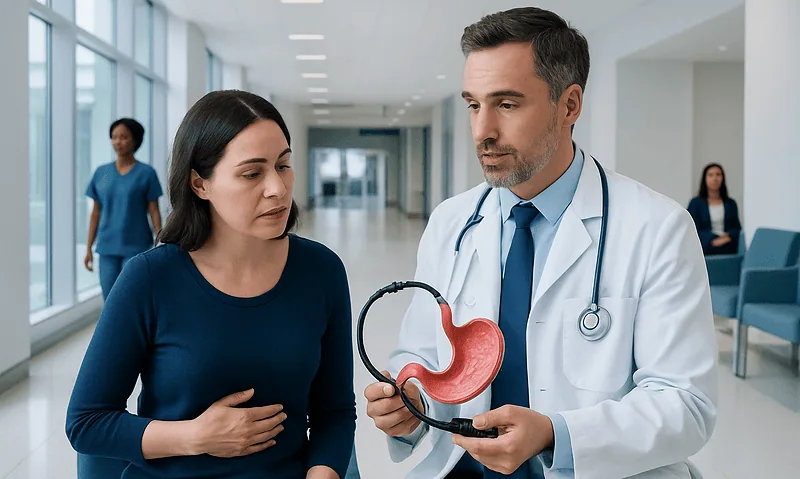
Asian Anal Pain: Common Causes, Related Conditions, and When to See a Doctor
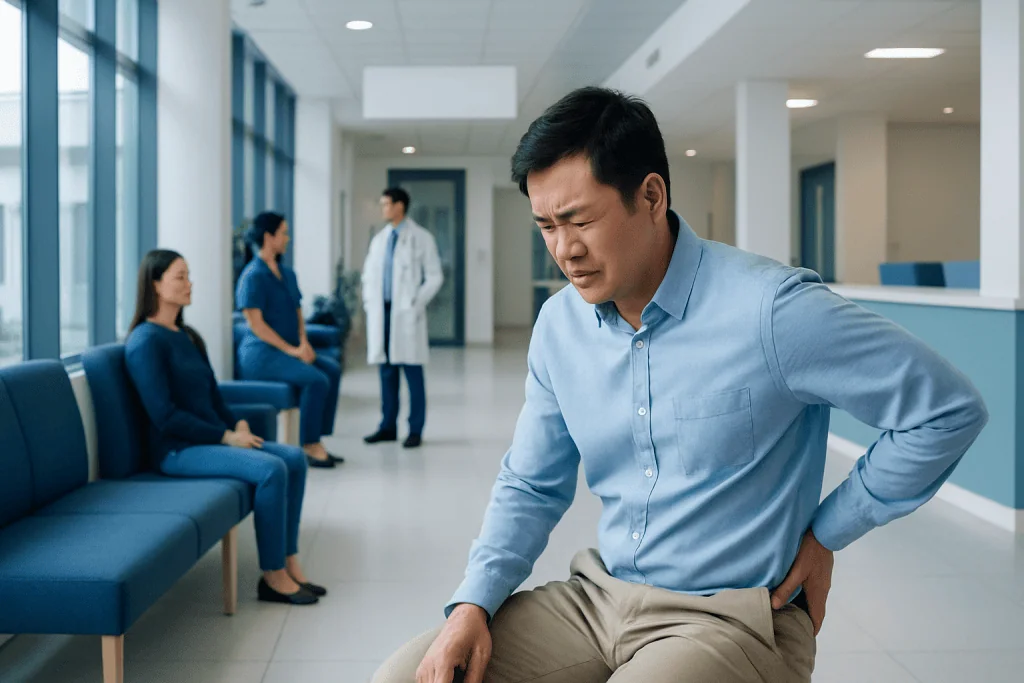
Anal pain is a symptom with many possible causes, and ethnicity alone does not determine the cause. Sharp pain during or after a bowel movement often suggests an anal fissure, while itching, swelling, or bleeding can occur with hemorrhoids.
Key Takeaways
- Anal pain is a symptom with many possible causes, and ethnicity alone does not determine the cause.
- Sharp pain during or after a bowel movement often suggests an anal fissure, while itching, swelling, or bleeding can occur with hemorrhoids.
- Constipation, diarrhea, straining, infections, inflammatory bowel disease, and abscesses can also cause anal pain.
- New rectal bleeding, fever, a painful lump, pus, severe pain, or pain that does not improve requires medical evaluation.
- Gentle bowel habits, hydration, fiber, warm baths, and avoiding straining may help some common causes while awaiting advice.
Asian anal pain is not a distinct medical condition or a diagnosis linked to ethnicity. Pain in or around the anus can result from common problems such as an anal fissure or hemorrhoids, but persistent, severe, or unexplained pain should be assessed by a qualified clinician.
Overview: What Does “Asian Anal Pain” Mean?
“Asian anal pain” is sometimes used as an online search phrase, but it is not a recognized medical diagnosis and does not refer to a condition unique to Asian people. Anal pain means discomfort in the anus or surrounding area. It may be felt during a bowel movement, after passing stool, while sitting, or continuously.
Many causes are minor and treatable, including irritation, constipation-related tears in the anal lining, and hemorrhoids. However, pain can also be caused by an infection, a collection of pus called an abscess, an inflammatory bowel condition, or, rarely, a more serious disorder. The pattern of symptoms, medical history, and a careful examination help identify the cause.
People should not assume that anal symptoms are due to diet, nationality, or a familiar condition. Changes in bowel habits, bleeding, weight loss, fever, or ongoing pain deserve individualized medical assessment.
How Anal Pain May Feel
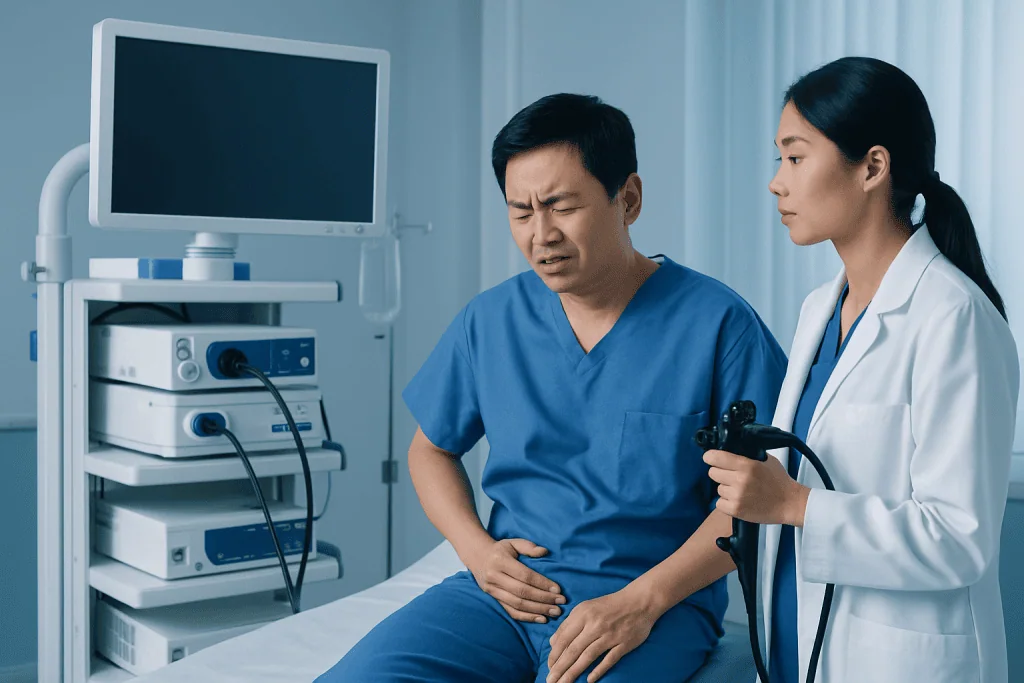
The timing and character of pain can offer useful clues, although they cannot confirm a diagnosis alone. A sharp, cutting pain with bowel movements that may continue for minutes or hours afterward is commonly associated with an anal fissure. This is a small tear in the anal lining, often related to passing hard stool.
Hemorrhoids may cause itching, fullness, irritation, a soft lump, or bright-red blood on toilet paper. They can be painful when an external hemorrhoid develops a blood clot. Deeper, throbbing, persistent pain—particularly with swelling, redness, fever, or feeling unwell—can indicate an abscess and needs prompt care.
Other symptoms that should be noted include mucus or pus discharge, diarrhea, constipation, abdominal pain, skin changes, sores, urinary symptoms, and pain during sexual activity. Sharing these details helps a clinician decide what examinations or tests may be appropriate.
- With bowel movements: fissure, hard stool, inflammation, or hemorrhoids may be considered.
- Constant or throbbing pain: infection, abscess, or inflammation may need exclusion.
- Itching or irritation: skin conditions, moisture, hemorrhoids, or infections may contribute.
- Painful lump: a thrombosed hemorrhoid or abscess is possible and should be examined.
Common Causes and Related Conditions

Anal fissures are among the most frequent causes of severe pain during defecation. Constipation, hard stools, diarrhea, childbirth, and local trauma can contribute. A fissure may also cause a small amount of bright-red bleeding. Many improve with measures that soften stools and reduce spasm, but symptoms that persist may require medical treatment. Learn more about anal fissure and its evaluation.
Hemorrhoids are swollen blood vessels in or around the anus. They can develop with straining, chronic constipation or diarrhea, pregnancy, prolonged sitting on the toilet, and heavy lifting. While they often cause bleeding or discomfort rather than severe pain, an external hemorrhoid with a clot can be acutely painful. A clinician can distinguish hemorrhoids from other causes of bleeding or a lump.
An anorectal abscess is an infection that forms a painful pocket of pus near the anus. It can cause increasing pain, warmth, swelling, drainage, fever, or chills. Some abscesses are associated with an anal fistula, an abnormal tunnel between the anal canal and nearby skin. These conditions generally require medical assessment and may require a procedure rather than home treatment.
Other possible causes include irritation from frequent wiping or fragranced products, fungal or sexually transmitted infections, skin disorders, inflammatory bowel disease such as Crohn’s disease, rectal inflammation, injury, and pelvic floor muscle spasm. Cancer is an uncommon cause of anal pain, but persistent symptoms or unexplained bleeding should never be self-diagnosed.
Factors That Can Increase the Likelihood of Pain
Bowel habits strongly affect anal health. Passing large, hard stools, repeatedly straining, delaying the urge to have a bowel movement, or spending a long time on the toilet can irritate the anal area and increase the risk of fissures and hemorrhoids. Ongoing diarrhea can also inflame the skin and anal lining.
Dietary and lifestyle changes after travel, work schedules, fasting routines, limited fluid intake, reduced activity, and unfamiliar foods may temporarily alter bowel patterns. These factors can occur in people of any background and do not make anal pain an ethnicity-specific condition. A diet with adequate fiber and fluids is usually helpful for regular stool consistency, unless a clinician has advised otherwise.
Pregnancy, recent delivery, obesity, aging, certain medicines that cause constipation or diarrhea, and a history of inflammatory bowel disease can also contribute. People with diabetes, reduced immunity, or prior anal surgery should seek advice sooner if they have pain, swelling, discharge, or fever, because infections may need early treatment.
How Doctors Diagnose Anal Pain
A clinician will usually ask when the pain began, whether it occurs with bowel movements, and whether there is bleeding, discharge, fever, constipation, diarrhea, or changes in stool. Medical history may include medicines, recent illness, prior bowel conditions, sexual health when relevant, and any family history of colorectal disease.
The examination may include looking at the skin around the anus and a gentle digital rectal examination when it is safe and tolerable. If pain is severe, examination may be limited initially. Anoscopy, a short examination of the anal canal, may be used to look for hemorrhoids, fissures, inflammation, or another source of symptoms.
Blood tests, stool studies, imaging, colonoscopy, or specialist assessment are not needed for every person. They may be recommended if there are warning signs, suspected infection or inflammatory bowel disease, ongoing bleeding, a change in bowel habits, or concern for a condition higher in the rectum or colon. The aim is to find the cause without unnecessary testing.
Treatment Options and Symptom Relief
Treatment depends on the underlying cause. For constipation-related fissures or uncomplicated hemorrhoids, clinicians often recommend making stools easier to pass, avoiding straining, and improving toilet habits. A healthcare professional may suggest a fiber supplement, a stool-softening medicine, topical treatment, or pain relief based on the person’s health history and symptoms.
Warm sitz baths can soothe discomfort for some people. Gentle cleaning with water or unscented products, followed by patting rather than rubbing dry, may reduce irritation. It is best to avoid inserting products into the anus or using steroid, anesthetic, or herbal creams for prolonged periods without medical guidance, as some can irritate the skin or delay appropriate diagnosis.
Persistent fissures may be treated with prescription ointments that relax the anal muscle, Botox injections in selected cases, or surgery when other measures have not worked. Hemorrhoids that continue to bleed or prolapse may be treated with office procedures or surgery. Suspected abscesses often need timely drainage; antibiotics alone may not resolve a collection of pus.
Care may also focus on an associated condition, such as inflammatory bowel disease or infection. Acibadem International’s multidisciplinary specialists and JCI-accredited hospitals can assess and treat anorectal conditions for international patients when specialist care is needed.
Prevention and Daily Self-Care
Regular, soft stools reduce strain on the anal canal. Many adults benefit from gradually increasing fiber through vegetables, fruits, legumes, whole grains, and other tolerated foods, while drinking enough fluids. Fiber should be increased slowly because a sudden change can cause bloating or gas in some people.
Responding to the natural urge to pass stool, allowing enough unhurried time, and avoiding forceful straining can help. A small footstool may help some people adopt a more comfortable position on the toilet. Long periods of sitting on the toilet, including scrolling on a phone, may increase pressure on hemorrhoidal tissue and are best avoided.
Keeping the area clean and dry is useful, particularly after diarrhea. Loose, breathable underwear and avoidance of fragranced wipes, harsh soaps, and aggressive wiping can protect sensitive skin. These measures may relieve mild symptoms, but they should not replace a medical review for severe, recurrent, or unexplained pain.
When to Seek Medical Care
Medical care should be sought promptly for severe or worsening anal pain, a tender swelling or lump, fever, chills, pus-like drainage, or difficulty passing urine or stool. These symptoms can occur with an abscess or another problem that needs timely examination. Emergency evaluation is appropriate if a person feels very unwell, has heavy bleeding, faints, or develops severe abdominal pain.
A routine appointment is advisable when pain lasts more than a few days, returns repeatedly, or does not improve with gentle self-care. New rectal bleeding, a change in bowel habits, unexplained weight loss, fatigue, or a family history of colorectal cancer also warrants discussion with a doctor. Bright-red bleeding is often from a benign cause, but it should not automatically be attributed to hemorrhoids.
People who are pregnant, immunocompromised, living with inflammatory bowel disease, or taking blood-thinning medicines should contact a clinician for personalized guidance. Early assessment is often reassuring and can help prevent a painful condition from becoming prolonged.
Frequently asked questions
Is Asian anal pain a specific disease?
No. “Asian anal pain” is not a medical diagnosis and does not describe a condition caused by Asian ethnicity. It is a search phrase that may refer to pain in or around the anus from a range of common medical causes.
What is the most common reason for pain during bowel movements?
An anal fissure is a common cause of sharp pain during or after passing stool, especially when constipation or hard stools are present. Hemorrhoids, irritation, inflammation, and infection can also cause pain, so persistent symptoms should be evaluated.
Can hemorrhoids cause severe anal pain?
Many hemorrhoids cause itching, bleeding, or a feeling of fullness rather than severe pain. Severe pain can occur when an external hemorrhoid develops a clot, but a painful lump may also be an abscess and needs a clinician’s assessment.
Can anal pain be managed at home?
Mild discomfort related to constipation or irritation may improve with fluids, gradual dietary fiber, avoiding straining, gentle hygiene, and warm baths. Home care is not suitable as the only approach when pain is intense, ongoing, associated with fever or swelling, or accompanied by significant bleeding.
When is anal pain an emergency?
Urgent medical care is needed for severe or rapidly worsening pain with fever, chills, swelling, pus-like discharge, heavy rectal bleeding, fainting, or severe abdominal pain. These symptoms may indicate infection, an abscess, or another condition requiring prompt treatment.
Should rectal bleeding always be checked?
New or repeated rectal bleeding should be discussed with a healthcare professional, even if hemorrhoids seem likely. While many cases are not serious, an examination helps identify the source and rule out conditions that need different care.
References
- National Institute of Diabetes and Digestive and Kidney Diseases
- American Society of Colon and Rectal Surgeons
- NHS
- Mayo Clinic
- World Health Organization
This article is for general information only and is not a substitute for professional medical advice. Please consult a qualified doctor about your individual situation.
Persistent digestive symptoms? Get evaluated in Turkey
JCI-accredited · board-certified surgeons · reply within 24h
Add us as a Preferred Source to see more of our trusted health content across Google Search, AI Overviews and Discover.