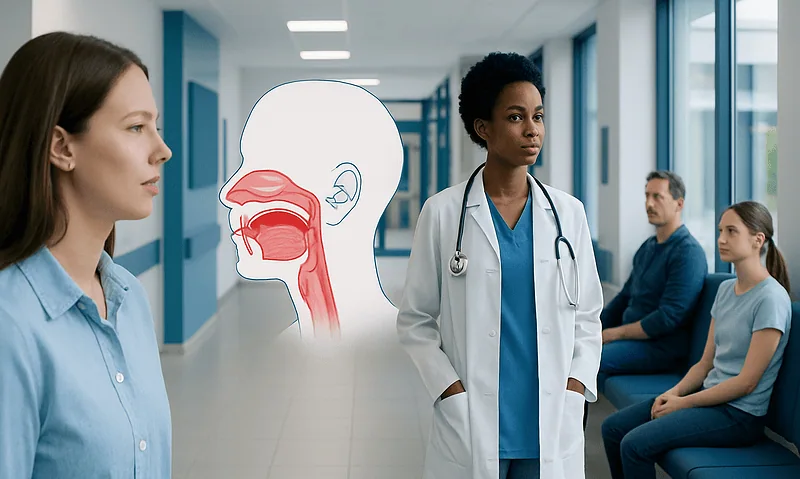
At Home STD Test: An Evidence-Based Guide for Patients

An at home std test may help detect certain sexually transmitted infections, but it does not replace professional medical evaluation in every situation. Accuracy depends on the infection being tested, the type of sample collected, and whether testing is done during the right window period.
Key Takeaways
- An at home std test may help detect certain sexually transmitted infections, but it does not replace professional medical evaluation in every situation.
- Accuracy depends on the infection being tested, the type of sample collected, and whether testing is done during the right window period.
- A positive result usually needs confirmatory testing or treatment planning with a qualified clinician.
- A negative result does not always rule out infection, especially if exposure was recent or symptoms are present.
- People with symptoms, pregnancy, sexual assault, or possible HIV exposure should seek prompt medical care rather than relying only on home testing.
An at home std test can be a useful, private way to screen for some sexually transmitted infections, especially when clinic access is difficult. However, test quality, timing, sample collection, and follow-up all affect how reliable the result is and whether further medical care is needed.
Overview: Can an At Home STD Test Be Trusted?
An at home std test can be a practical option for some people. It may offer privacy, convenience, and easier access to screening for infections such as chlamydia, gonorrhea, HIV, syphilis, hepatitis B or C, and sometimes trichomoniasis, depending on the kit. Many approved or regulated home collection tests involve taking a sample at home and sending it to a certified laboratory, while some rapid tests are performed and read entirely at home.
Whether a test can be trusted depends on several factors: the quality of the kit, whether it has appropriate regulatory clearance in the country where it is used, the type of infection being tested, and whether the sample is collected correctly. A well-designed home test can be accurate, but no test is perfect. Results should always be understood in the context of symptoms, timing of exposure, and personal risk.
Home testing is best viewed as one part of sexual health care rather than a complete substitute for it. If the result is positive, if symptoms are present, or if there has been a recent high-risk exposure, follow-up with a healthcare professional is important. Clinical evaluation may also be needed to test body sites not covered by a home kit, such as the throat or rectum.
What Home STD Tests Can and Cannot Detect
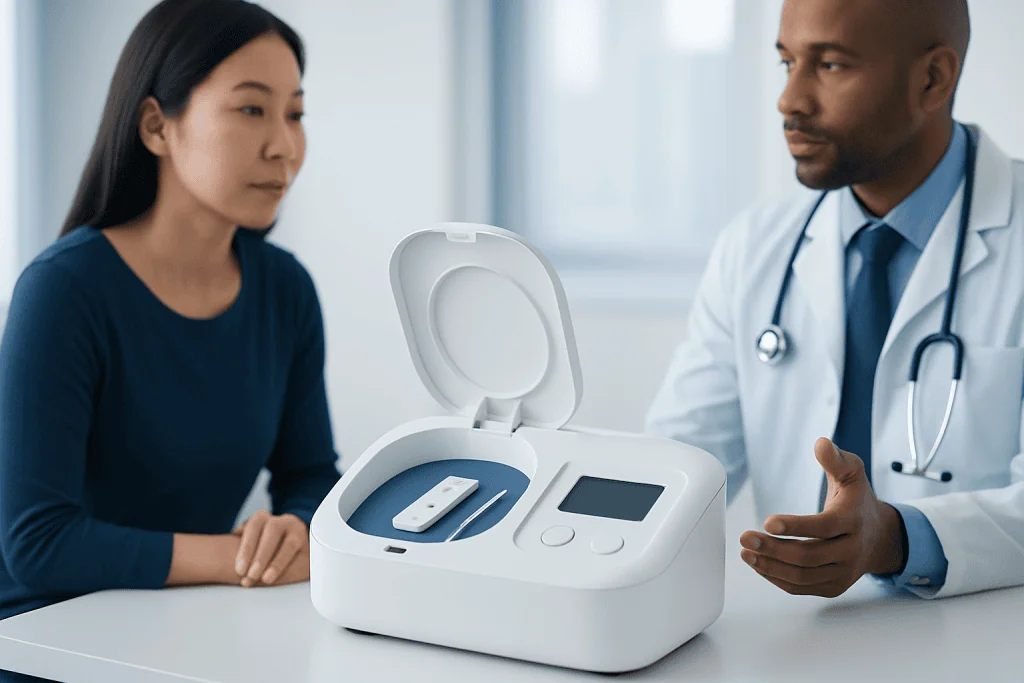
Different home kits test for different infections, so it is important to read the product information carefully. Some use urine samples, some use a finger-prick blood sample, and others use vaginal swabs. These methods can detect certain infections, but a single kit rarely covers every sexually transmitted infection or every possible site of infection.
For example, urine or vaginal swab testing may help identify chlamydia and gonorrhea in the genital area, while blood-based testing may be used for HIV or syphilis. However, home kits may not reliably evaluate oral or anal infections unless they specifically include those sample types. This matters because some infections can be present in the throat or rectum without symptoms.
Home testing also cannot assess complications of infection. It cannot examine a rash, pelvic pain, genital sores, testicular swelling, fever, or other signs that may need in-person care. Conditions such as sexually transmitted diseases may overlap with other health problems, and a clinician may need to decide which tests are most appropriate.
- Useful for: private screening, routine checks after possible exposure, and follow-up when advised by a clinician
- Limited for: recent exposure, symptoms, testing multiple body sites, and urgent treatment decisions
- Not a substitute for emergency care when severe symptoms are present
Accuracy, Timing, and the Window Period
One of the most important issues in home STI screening is timing. After exposure, there is often a window period before an infection becomes detectable. Testing too early can produce a false-negative result, meaning the test looks negative even though infection is present. This is true for both home tests and clinic-based tests.
The ideal time to test depends on the infection and the testing method. Nucleic acid tests for bacterial infections such as chlamydia and gonorrhea may become positive earlier than some antibody-based blood tests. HIV and syphilis testing can be especially sensitive to timing, because some tests detect antibodies that take time to develop. Product instructions and a clinician’s advice should be followed closely.
False-positive results are also possible, though they are generally less common. These may occur because of user error, cross-reaction, or limitations of the test itself. For this reason, a positive home result is usually a reason to seek medical confirmation and treatment planning, not to self-diagnose without support.
Sample collection quality matters as much as timing. An incorrectly collected finger-prick blood sample, urine sample, or swab may reduce test performance. Choosing a reputable test, carefully following instructions, and seeking professional guidance when uncertain can improve the value of home testing.
Who Might Benefit Most from Home Testing
Home testing may be especially helpful for adults who want routine screening but face barriers to clinic-based care. These barriers may include busy schedules, transportation limits, privacy concerns, stigma, or living far from healthcare facilities. For some people, using a home kit can make it easier to take the first step toward testing.
It may also be useful for people who have no symptoms but want screening after a new partner, before starting a new sexual relationship, or as part of regular preventive care. Some clinicians may recommend home collection in selected cases, especially when lab-based analysis is still used after the sample is mailed in.
However, home testing is not the best choice for everyone. People with genital sores, discharge, pelvic pain, painful urination, fever, new rash, rectal symptoms, or testicular pain should seek direct medical care. Pregnant individuals, anyone with possible HIV exposure, and anyone who has been sexually assaulted should also receive prompt professional assessment rather than relying only on a home test.
How to Use an At Home STD Test Safely and Correctly
Before using a kit, it helps to confirm what infections it tests for, whether it uses a certified laboratory, and whether the instructions are clear and complete. The user should check expiration dates, storage conditions, and how results will be delivered. A reputable product should explain what a positive, negative, or invalid result means and when repeat testing may be needed.
Following the instructions exactly is essential. This includes collecting the right sample, using the correct container or swab, labeling it properly, and sending it within the recommended time if laboratory analysis is required. Even small collection errors can affect the result. If instructions are confusing, it is safer to ask a pharmacist, doctor, or testing service support line before proceeding.
Results should not be interpreted in isolation. A negative result after a recent exposure may need to be repeated later. A positive result should lead to medical follow-up, evaluation for related infections, and discussion about informing partners. In many cases, further laboratory testing or treatment may be recommended, including specialist input in fields such as infectious diseases when needed.
People who test at home should also think about privacy beyond the test itself. Secure access to results, safe disposal of test materials, and appropriate communication with partners are all part of responsible sexual health care.
What Happens After a Positive or Negative Result
A positive result does not mean a person should panic, but it does mean they should take the next steps promptly. Many sexually transmitted infections are treatable, and some are curable. A clinician can confirm the diagnosis if needed, recommend treatment, discuss partner notification, and help decide whether additional tests are necessary.
A negative result can be reassuring, but it is not always the end of the story. If testing was done too soon after exposure, if symptoms are present, or if the wrong body site was tested, infection may still be possible. Repeat testing or a clinic-based evaluation may be advised. This is particularly important for bacterial infections, HIV, and syphilis, where timing can strongly affect test accuracy.
Follow-up care may include examination, laboratory confirmation, and treatment. Depending on the situation, this may involve a medical check-up and, if symptoms point to urinary or reproductive tract involvement, an assessment related to urology or gynecologic care. The goal is not only to identify infection but also to prevent complications and transmission to others.
Prevention, Partner Communication, and Routine Sexual Health
Testing is only one part of prevention. Safer sex practices, including consistent condom use, reducing the number of sexual partners when appropriate, and open communication about testing history, can lower the risk of infection. Vaccination also plays an important role for preventable infections such as hepatitis B and human papillomavirus in eligible individuals.
Regular screening is often recommended for people with ongoing sexual exposure risk, even when no symptoms are present. The exact screening schedule depends on age, sexual practices, pregnancy status, and other risk factors. A healthcare professional can help decide how often testing should be done and which infections should be included.
Partner communication can feel difficult, but it is an important part of care. If a test is positive, current and sometimes recent partners may need testing and treatment. Prompt treatment helps protect both the individual and their partners and reduces the chance of reinfection.
Near the end of the care pathway, some patients may benefit from coordinated specialist support. Acibadem International’s multidisciplinary specialists and JCI-accredited hospitals diagnose and treat sexually transmitted infections for international patients when further evaluation or treatment is needed.
When to Seek Medical Care
Medical care should be sought promptly if there are symptoms such as genital sores, unusual discharge, pelvic or lower abdominal pain, painful urination, rectal pain, fever, swollen lymph nodes, a new rash, or testicular pain. These symptoms can have several causes, and home testing alone may miss important details. In-person assessment helps determine the right tests and treatment.
Urgent professional evaluation is also important after a possible HIV exposure, during pregnancy, after sexual assault, or if a partner has been diagnosed with an STI. Time-sensitive treatment or prevention may be available in some situations. Delaying care may reduce the benefit of these interventions.
If a home test is positive, invalid, or inconsistent with symptoms, follow-up is recommended even if the person feels well. A clinician can interpret the result, decide whether confirmation is needed, and discuss treatment and repeat testing. People with recurrent infections or concerns about fertility, pelvic health, or urinary symptoms may need broader evaluation.
Frequently asked questions
Is an at home std test as accurate as a clinic test?
Some home tests can be highly reliable, especially when samples are processed by a certified laboratory and collected correctly. However, accuracy varies by infection, sample type, and timing after exposure. Clinic testing may still be more appropriate when symptoms are present or multiple body sites need evaluation.
How soon after sex can someone take a home STI test?
Testing too soon can lead to a false-negative result because many infections have a window period before they become detectable. The right timing depends on the specific infection and the type of test used. If there has been a recent exposure, a healthcare professional can advise when to test and whether repeat testing is needed.
What should someone do after a positive home STD test?
A positive result should be followed by contact with a qualified healthcare professional. They may confirm the result, recommend treatment, and advise whether partners should also be tested or treated. Prompt follow-up helps reduce complications and transmission.
Can a negative home test rule out an STI completely?
No. A negative result may not rule out infection if testing was done too early, if symptoms are present, or if the infection is in a body site not tested by the kit. Ongoing symptoms or concern about exposure should lead to medical follow-up.
Are home tests useful if a person has no symptoms?
Yes, home testing may be useful for routine screening because many sexually transmitted infections cause few or no symptoms. It can be a convenient way to start the testing process. Still, the choice of test and the need for repeat or confirmatory testing should be guided by exposure history and risk.
Who should not rely only on an at home std test?
People with symptoms, pregnant individuals, anyone with possible HIV exposure, and those who have experienced sexual assault should seek direct medical care. These situations may require urgent assessment, broader testing, or time-sensitive treatment. Home testing can delay care if it is used as the only step.
This article is for general information only and is not a substitute for professional medical advice. Please consult a qualified doctor about your individual situation.
Explore treatments in Turkey — costs, top hospitals & a free quote
JCI-accredited · board-certified surgeons · reply within 24h
Add us as a Preferred Source to see more of our trusted health content across Google Search, AI Overviews and Discover.

More from the Health Library
Muscle Weakness: What Patients Need to Know
Centipede Bite: What Patients Need to Know
Ingrown Fingernail — Explained by Medical Evidence, Not Myths
Pigeon Stretch: An Evidence-Based Guide for Patients
Hypertrophy Training — Explained by Medical Evidence, Not Myths