Ingrown Fingernail — Explained by Medical Evidence, Not Myths

An ingrown fingernail occurs when the nail edge irritates or penetrates the skin beside the nail. Common signs include pain, redness, swelling, and increased sensitivity around the nail fold.
Key Takeaways
- An ingrown fingernail occurs when the nail edge irritates or penetrates the skin beside the nail.
- Common signs include pain, redness, swelling, and increased sensitivity around the nail fold.
- Minor cases may improve with gentle home care, but worsening pain, pus, spreading redness, or fever needs medical assessment.
- Risk factors include nail trauma, cutting nails too short or rounded, picking at the cuticle, and repeated wet work.
- Treatment depends on severity and may include local care, drainage of infection, or partial nail treatment by a clinician.
An ingrown fingernail happens when the side or corner of a nail presses into or grows into the surrounding skin. It can cause tenderness, redness, swelling, and sometimes infection, but early care and proper nail habits often help it heal well.
Overview
An ingrown fingernail is a condition in which the edge of a fingernail presses into, rubs against, or breaks the nearby skin. This causes local inflammation and may lead to redness, swelling, tenderness, and sometimes infection. Although ingrown nails are discussed more often in toes, they can also affect the fingers, especially after nail trauma or repeated irritation.
In many people, the problem begins gradually. The skin beside the nail may feel sore when touched, and the area can become puffy or warm. If bacteria enter the irritated skin, an infection around the nail fold can develop. This is often called paronychia, a common nail-fold infection that can occur together with an ingrown fingernail.
Medical evidence shows that ingrown fingernails are usually related to mechanical irritation rather than myths such as “bad blood,” vitamin deficiency alone, or poor circulation in otherwise healthy people. The main issue is the interaction between the nail edge and the surrounding skin, often made worse by trimming habits, skin damage, moisture exposure, or injury.
Most cases are manageable, especially when addressed early. The best approach depends on whether the nail is simply inflamed or already infected, and whether a person has underlying conditions such as diabetes, immune suppression, or poor wound healing that raise the need for prompt medical advice.
Symptoms and What They Mean
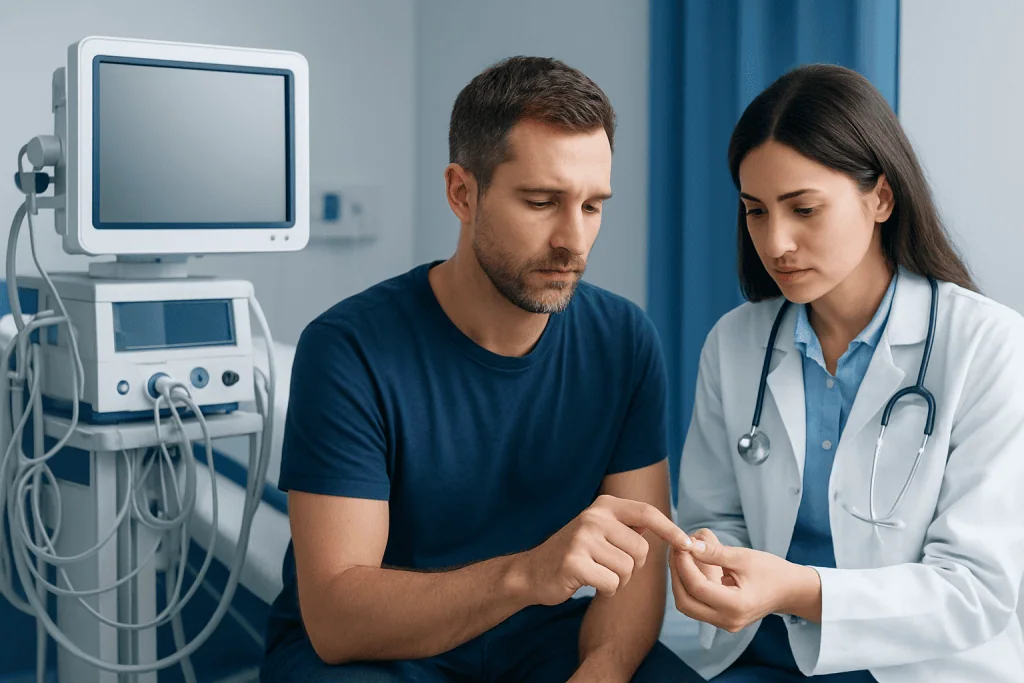
The earliest symptom of an ingrown fingernail is usually pain along one side of the nail. The skin may feel tender when pressure is applied, such as during gripping, typing, dressing, or handwashing. Mild redness and swelling are common signs of inflammation.
As irritation continues, the skin beside the nail can become shinier, more swollen, and increasingly sensitive. Some people notice a sharp discomfort at the nail corner, while others feel a throbbing sensation. If the nail has pierced the skin, there may be a small visible point where the edge meets the inflamed tissue.
Signs that suggest infection include:
- Worsening redness or warmth
- Swelling that increases instead of settles
- Pus or cloudy drainage
- A bad odor from the area
- Throbbing pain
- Difficulty using the finger because of discomfort
If redness spreads beyond the nail fold, or if fever develops, this needs medical attention. These signs may indicate a more significant skin infection rather than a mild local irritation. People with diabetes or weakened immune systems should be especially cautious, because even small nail infections can progress more quickly.
Why Ingrown Fingernails Happen

An ingrown fingernail does not usually happen without a trigger. One of the most common causes is trimming the nails too short or rounding the corners deeply. When the edge is cut back excessively, the nearby skin can fold over it, and the new nail growth may press into that skin instead of growing freely past it.
Trauma is another frequent cause. A jammed finger, nail biting, picking at the cuticle, frequent manicures, or using sharp tools around the nail can damage the nail fold and change the way the nail edge sits. Repeated exposure to water, detergents, cleaning products, or wet work can also soften and irritate the skin, making it easier for the nail to dig in.
Some people are more prone because of their natural nail shape or because of skin conditions affecting the hands. Nail deformity after injury, brittle nails, and chronic inflammation around the nail fold can all contribute. Fungal nail disease may alter nail thickness and contour, though a painful swollen nail fold is more often due to inflammation or infection than fungus alone.
Risk factors include:
- Cutting nails too short or curving the edges
- Nail biting or picking
- Frequent manicures or cuticle cutting
- Hand trauma
- Repeated exposure to moisture or irritants
- Chronic skin conditions such as eczema
- Diabetes or reduced immune defenses
How Doctors Diagnose It
Diagnosis is usually based on a physical examination. A doctor looks at the nail edge, the surrounding skin, the degree of swelling, and whether there is drainage or a visible pocket of pus. In straightforward cases, tests are often not needed.
The main goal is to distinguish a simple ingrown fingernail from other problems that can look similar. These include acute or chronic nail-fold infection, herpetic whitlow, contact dermatitis, fungal nail disease, and inflammatory skin disorders. If symptoms are severe, recurrent, or unusual, the doctor may consider whether another condition is contributing.
If there is significant swelling or suspected abscess formation, the clinician may gently assess whether fluid is trapped under the skin and needs drainage. Laboratory testing is not routine for minor cases, but may be considered if infection is severe, keeps returning, or occurs in someone with higher risk factors.
Medical assessment is particularly important when there is marked pain, extensive redness, recurrent episodes, or nail changes after trauma. In some cases, imaging may be considered if a deeper injury is suspected, though this is uncommon for a simple ingrown fingernail. If surgical evaluation is needed, hand surgery assessment may help guide treatment for persistent or structurally complex cases.
Treatment Options
Treatment depends on how advanced the condition is. Mild cases without infection may improve with conservative care. This usually includes keeping the finger clean, avoiding pressure or picking, and protecting the area from further trauma. Warm water soaks may help reduce discomfort and soften the surrounding skin, but they should be gentle and not prolonged enough to macerate the skin.
If infection is present, treatment may include professional drainage of pus, wound care, and sometimes medication. A doctor decides whether antibiotics are appropriate based on the extent of infection and a person’s overall health. It is generally not advisable to dig under the nail, cut away skin at home, or attempt to drain an infected area with household tools, because this can worsen inflammation and introduce more bacteria.
For recurring or stubborn cases, a clinician may carefully lift or trim the offending nail edge, remove a small nail spicule, or treat the inflamed nail fold. The exact method depends on the shape of the nail and the condition of the surrounding tissue. If chronic nail problems are linked to skin disease or significant tissue changes, care may involve dermatology evaluation or, less commonly, a procedural approach by a hand specialist.
If the nail area is repeatedly infected or does not heal as expected, doctors may also look for related causes such as eczema, chronic wet exposure, or uncommon structural problems of the nail unit. In selected cases where ongoing inflammation is part of a broader skin disorder, skin disease treatment may be relevant. The aim is not only to settle the current episode but also to prevent repeated injury to the nail fold.
Prevention and Self-care
Prevention focuses on protecting both the nail and the surrounding skin. Fingernails are best cut straight across or with only a very slight natural curve, without digging deeply into the corners. Nails should not be cut extremely short. Leaving a small visible free edge helps reduce the chance that the skin will overlap the nail as it grows.
Good hand care also matters. Keeping the hands dry after washing, using gloves for wet work or cleaning products, and applying a gentle moisturizer can help preserve the skin barrier. Avoid cutting the cuticles aggressively, biting the nails, or picking at hangnails. If a hangnail appears, trimming it carefully rather than pulling it can prevent tears in the nail fold.
At home, people with mild symptoms can often support healing by:
- Washing the finger gently with mild soap and water
- Using brief warm soaks for comfort if advised by a clinician
- Keeping the area dry between washes
- Covering the finger lightly if it rubs on clothing or work surfaces
- Avoiding manicures and nail cosmetics until the skin recovers
- Watching for signs of infection or worsening redness
People who have diabetes, circulation problems, or weakened immunity should be more careful with self-treatment. Because healing may be slower and infection risk higher, early professional advice is often the safest choice, even when the problem appears minor.
When to Seek Medical Care
Medical care is recommended if an ingrown fingernail becomes increasingly painful, shows pus, or does not improve within a few days of gentle self-care. A doctor should also assess spreading redness, significant swelling, severe tenderness, or difficulty moving or using the finger normally.
Urgent assessment is important if there is fever, red streaking, rapidly worsening swelling, or signs of a deeper infection. Children, older adults, and people with diabetes, immune suppression, or chronic skin disease should not delay getting advice if the nail looks infected.
Recurrent ingrown fingernails also deserve medical evaluation, because repeated episodes may point to nail shape changes, chronic irritation, or an untreated skin condition. In these situations, a clinician can help identify the cause and suggest strategies to prevent further episodes rather than simply treating one flare at a time.
Near the end of the care pathway, specialist support may be useful for persistent, painful, or recurrent cases. Acibadem International’s multidisciplinary specialists in JCI-accredited hospitals diagnose and treat nail and hand conditions for international patients when more detailed assessment is needed.
Frequently asked questions
Can an ingrown fingernail heal on its own?
A mild ingrown fingernail can improve on its own if the area is protected from further irritation and kept clean. However, if pain, swelling, or drainage develops, medical assessment is a better option than waiting too long.
Is an ingrown fingernail the same as paronychia?
Not exactly. An ingrown fingernail is a mechanical problem where the nail edge irritates or enters the skin, while paronychia is inflammation or infection of the skin around the nail. The two often occur together because an ingrown nail can trigger a nail-fold infection.
Should a person cut out an ingrown fingernail at home?
Home cutting or digging under the nail is usually not recommended. It can damage the skin further, worsen pain, and increase the risk of infection. If the nail edge seems embedded or the area is infected, a clinician should examine it.
What are signs that an ingrown fingernail is infected?
Possible signs of infection include increasing redness, warmth, swelling, throbbing pain, pus, or a bad odor. Spreading redness or fever are more serious warning signs and should prompt medical care.
Why do ingrown fingernails keep coming back?
Recurrent episodes can happen because of repeated trauma, nail biting, deep corner trimming, wet work, or underlying skin disease. In some people, the nail shape or a previous injury changes how the nail grows. A doctor can help identify the pattern and reduce future flare-ups.
When is an ingrown fingernail an emergency?
It is more urgent if there is fever, red streaking, rapidly spreading redness, severe swelling, or intense pain. People with diabetes, poor immunity, or poor wound healing should seek prompt care earlier, because complications can develop faster.
This article is for general information only and is not a substitute for professional medical advice. Please consult a qualified doctor about your individual situation.
Explore treatments in Turkey — costs, top hospitals & a free quote
JCI-accredited · board-certified surgeons · reply within 24h
Add us as a Preferred Source to see more of our trusted health content across Google Search, AI Overviews and Discover.

More from the Health Library

Ejection Factor: A Complete Medical Overview

Bumps Under Eyes: What Patients Need to Know

Butalbital-acetaminophen-caffeine: An Evidence-Based Guide for Patients

Milia Under Eyes: A Complete Medical Overview

Mesalamine: A Complete Medical Overview