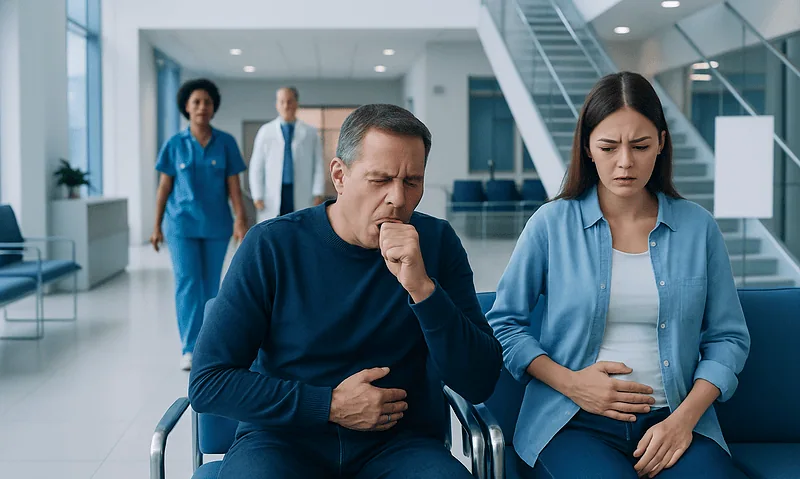
At Home Strep Test: An Evidence-Based Guide for Patients

An at home strep test looks for group A Streptococcus, a common bacterial cause of strep throat. A positive result can be useful, but a negative result does not always rule out strep infection.
Key Takeaways
- An at home strep test looks for group A Streptococcus, a common bacterial cause of strep throat.
- A positive result can be useful, but a negative result does not always rule out strep infection.
- Correct throat swabbing is important because poor technique can affect accuracy.
- Many sore throats are caused by viruses, which an at home strep test cannot diagnose.
- Children, people with worsening symptoms, and anyone with trouble breathing or swallowing should seek medical care promptly.
An at home strep test may help a person check whether a sore throat could be caused by group A strep, but it does not replace medical judgment. The most reliable next step depends on symptoms, how the swab is taken, and whether a healthcare professional confirms negative or unclear results.
Overview: Can an At Home Strep Test Be Trusted?
An at home strep test can be a helpful screening tool for people with a sore throat, especially when they want quick information before deciding whether to seek care. Most home kits are designed to detect group A Streptococcus, the bacteria that causes many cases of strep throat. If the test is done correctly and the result is positive, it may support the need for medical follow-up.
However, an at home strep test has limits. It cannot tell whether a sore throat is caused by a virus, allergies, reflux, or another infection. It also may miss some true cases of strep, particularly if the swab does not reach the back of the throat and tonsils or if testing is done very early or late in the illness.
For that reason, home testing is best viewed as one part of the decision-making process rather than a final diagnosis. Symptoms, age, exposure history, and the risk of complications all matter. Many people still need a clinician’s assessment, and some need confirmatory laboratory testing even after a home result.
What an At Home Strep Test Checks For
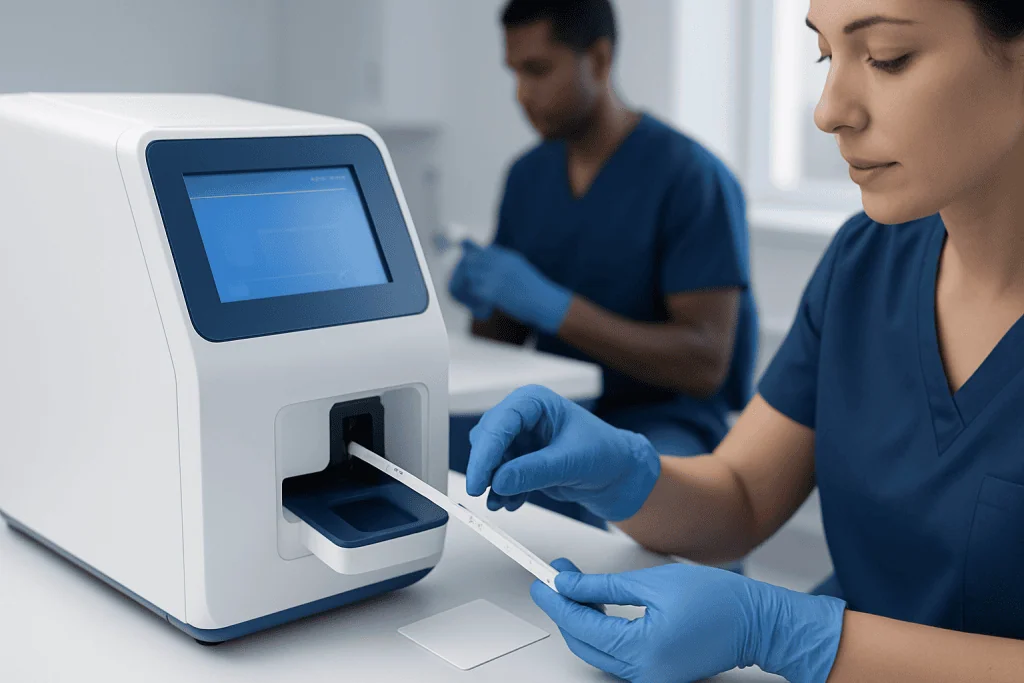
Most home kits work like a rapid antigen test. They look for proteins from group A Streptococcus in a throat swab sample. In practical terms, the test tries to answer one narrow question: is there evidence that the sore throat may be due to strep bacteria?
This is important because true strep throat is treated differently from a viral sore throat. Bacterial infection may require antibiotics after a clinician confirms the diagnosis and determines that treatment is appropriate. Viral sore throats usually improve with rest, fluids, and symptom relief rather than antibiotics.
Home tests do not evaluate the full range of causes of throat pain. For example, a person with swollen glands, fatigue, or a prolonged illness may need assessment for illnesses such as mononucleosis. Similarly, severe nasal congestion and cough often point more toward a viral infection than classic strep throat.
Who Might Consider Home Testing and Typical Symptoms
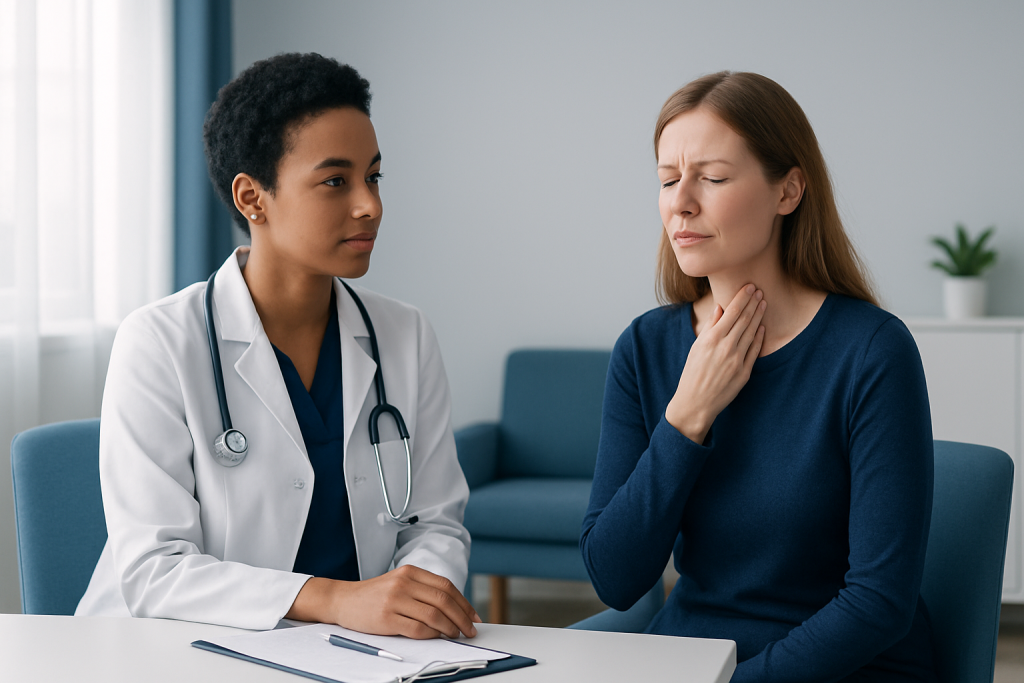
A person may consider an at home strep test when they develop symptoms that fit the pattern of strep throat. Common features include sudden sore throat, pain with swallowing, fever, red or swollen tonsils, white patches on the tonsils, and tender lymph nodes in the neck. Some people, especially children, may also have headache, stomach pain, nausea, or a fine rash.
Strep throat is often less likely when a sore throat comes with cough, runny nose, hoarseness, mouth sores, or prominent eye irritation. Those symptoms are more typical of a viral infection. Even so, symptoms can overlap, which is one reason a home test result should be interpreted carefully.
Home testing may be most useful for people who have a new sore throat and want timely guidance while arranging medical advice. It can also be helpful when a family member has had confirmed strep exposure. But children, people who get recurrent throat infections, and those with complex health conditions may still benefit from direct evaluation because diagnosis and treatment decisions can be more nuanced.
How to Use an At Home Strep Test Correctly
Following the kit instructions exactly is essential. In general, the swab needs to touch the back of the throat and both tonsil areas without touching the tongue, cheeks, or teeth as much as possible. This can be uncomfortable, and gagging is common, but a good sample is important for the most reliable result.
Before testing, it helps to wash hands, prepare the materials, and use good lighting. Some people find it easier to use a mirror and ask another adult for help. The sample is then mixed with the testing solution and applied to the test device according to the kit directions, with careful attention to the waiting time before reading the result.
Several factors can reduce accuracy. These include poor swab technique, contamination of the sample, reading the test too early or too late, or using an expired kit. A person should not rely on a damaged or outdated test. If there is uncertainty about how the swab was collected, a repeat evaluation by a healthcare professional is safer than assuming the result is definitive.
- Read the instructions before opening the kit.
- Use the test only within its expiration date.
- Swab the tonsils and back of the throat, not just the mouth.
- Follow the exact time window for reading the result.
- Seek medical advice if symptoms are significant even when the result is negative.
Understanding Positive, Negative, and Unclear Results
A positive at home strep test means the kit detected group A strep antigen in the throat sample. This can be a useful sign that medical care is needed to confirm the diagnosis and discuss treatment. A clinician may review symptoms, examine the throat, and decide whether antibiotics are appropriate. In some settings, a positive rapid result is enough to guide treatment decisions, but local practice can vary.
A negative result is more complicated. A negative home test does not always rule out strep throat, especially in children or when symptoms strongly suggest bacterial infection. False-negative results can happen when the swab is not collected well or when the test simply misses the infection. In many pediatric settings, a negative rapid test is followed by a throat culture or another laboratory-based test to be more certain.
An invalid or unclear result should not be interpreted as negative. If the control line does not appear or the result is difficult to read, the test should be repeated if a new kit is available, or the person should arrange formal testing. Persistent fever, worsening throat pain, or concerns about dehydration should prompt direct care rather than repeated home testing alone.
What Happens After the Test: Treatment and Self-Care
If a healthcare professional confirms strep throat, treatment may include antibiotics to reduce the duration of illness, limit spread, and help prevent complications in appropriate cases. Antibiotics should not be started based only on leftover medication at home or without professional guidance. A clinician may also consider other throat problems, including complications such as a tonsil abscess that may need further evaluation in ENT care.
Supportive care remains important whether the cause is bacterial or viral. Rest, fluids, warm drinks, cool liquids, saltwater gargles, and age-appropriate pain relief recommended by a clinician can help ease discomfort. People should also avoid sharing cups, utensils, or toothbrushes while ill and should practice hand hygiene.
Some patients with repeated severe throat infections may eventually need specialist assessment. In selected cases, options such as tonsillectomy may be discussed. If a sore throat is persistent, recurrent, or associated with unusual symptoms, doctors may also investigate related conditions affecting the throat and upper airway, including tonsillitis or other ENT disorders.
Near the end of the diagnostic pathway, some people seek coordinated care across specialties. Acibadem International’s multidisciplinary specialists in JCI-accredited hospitals diagnose and treat throat infections and related complications for international patients when more detailed evaluation is needed.
When to Seek Medical Care
Medical care is recommended if a person has a positive home test, a negative home test with strong strep symptoms, or symptoms that are getting worse rather than better. A clinician can decide whether throat culture, molecular testing, or examination is needed. This is especially important for children, people with weakened immune systems, and those with repeated infections.
Urgent care is needed for warning signs such as trouble breathing, difficulty swallowing saliva, dehydration, severe one-sided throat swelling, muffled voice, stiff neck, high fever that does not improve, or a rash with significant illness. These symptoms may signal a more serious infection or a complication that needs prompt assessment.
It is also sensible to seek care if sore throat symptoms last more than a few days without improvement, if there is known exposure to confirmed strep, or if the person has a history of complications after throat infections. In some cases, doctors may recommend additional ENT evaluation or treatment approaches such as ENT assessment when symptoms are severe, recurrent, or atypical.
Practical Prevention Tips
Strep throat spreads mainly through respiratory droplets and close contact. Good handwashing, covering coughs and sneezes, and avoiding sharing drinks or utensils can reduce spread within households, schools, and workplaces. Cleaning frequently touched objects may also help when someone at home is ill.
A person with confirmed strep should follow their clinician’s advice about staying home from school, work, or group settings. Resting and limiting close contact during the contagious period helps protect others. If antibiotics are prescribed, taking them exactly as directed is important, while returning for follow-up if symptoms fail to improve.
Prevention also includes avoiding unnecessary antibiotics. Because many sore throats are viral, testing and clinical assessment help reduce antibiotic use when it is unlikely to help. This supports safer care and helps preserve antibiotic effectiveness over time.
Frequently asked questions
How accurate is an at home strep test?
An at home strep test can be useful, but accuracy depends heavily on proper throat swabbing and correct use of the kit. A positive result may be helpful, while a negative result does not always rule out strep throat, especially if symptoms strongly suggest it.
Can a home strep test tell the difference between viral and bacterial sore throat?
No. A home strep test only checks for group A strep and does not diagnose viral infections or other causes of sore throat. That is why symptoms and medical assessment still matter.
Should someone take antibiotics after a positive at home strep test?
Antibiotics should be taken only under the guidance of a qualified clinician. A positive home test may be a reason to contact a doctor promptly, but treatment decisions should still consider symptoms, examination, and local testing practices.
What if the home strep test is negative but the sore throat is severe?
A negative result does not always exclude strep throat. If symptoms are severe, worsening, or accompanied by fever, swollen glands, or difficulty swallowing, a healthcare professional should review the case and may recommend confirmatory testing.
Are at home strep tests appropriate for children?
They may be used in some situations, but children often still need professional follow-up. In pediatric care, negative rapid tests are sometimes confirmed with a throat culture because missing true strep can matter more in this age group.
When is a sore throat an emergency?
Emergency care is needed for trouble breathing, inability to swallow saliva, signs of dehydration, severe neck stiffness, or marked one-sided throat swelling. These features can suggest a serious complication and should not be managed with home testing alone.
This article is for general information only and is not a substitute for professional medical advice. Please consult a qualified doctor about your individual situation.
Explore treatments in Turkey — costs, top hospitals & a free quote
JCI-accredited · board-certified surgeons · reply within 24h
Add us as a Preferred Source to see more of our trusted health content across Google Search, AI Overviews and Discover.

More from the Health Library
Renal Corpuscle: An Evidence-Based Guide for Patients
Homemade Remedy for Spider Bites: An Evidence-Based Guide for Patients

Buffalo Milk: An Evidence-Based Guide for Patients

Allulose — Explained by Medical Evidence, Not Myths

Cholera — Explained by Medical Evidence, Not Myths