Cholera — Explained by Medical Evidence, Not Myths

Cholera is caused by the bacterium Vibrio cholerae, usually through unsafe water or contaminated food. The main danger of cholera is dehydration from sudden, profuse watery diarrhea and vomiting.
Key Takeaways
- Cholera is caused by the bacterium Vibrio cholerae, usually through unsafe water or contaminated food.
- The main danger of cholera is dehydration from sudden, profuse watery diarrhea and vomiting.
- Oral rehydration solution and, in more severe cases, intravenous fluids are the foundation of treatment.
- Safe drinking water, hand hygiene, sanitation, and careful food preparation help prevent cholera.
- Anyone with heavy diarrhea, signs of dehydration, or symptoms after travel to an affected area should seek medical care quickly.
Cholera is an intestinal infection caused by bacteria spread through contaminated water or food. It can lead to rapid fluid loss, but most people recover well when dehydration is recognized early and treated promptly.
Overview: what cholera is and why it matters
Cholera is an acute diarrheal illness caused by infection with the bacterium Vibrio cholerae. It usually spreads when a person consumes water or food contaminated with human waste containing the bacteria. While many infections are mild or even symptom-free, cholera can sometimes cause sudden, large-volume watery diarrhea that leads to dangerous dehydration within hours.
Medical evidence shows that cholera is not caused by weather changes, stress, or “bad digestion.” It is an infectious disease linked mainly to unsafe water, poor sanitation, and limited access to hygiene. Understanding this helps replace common myths with practical prevention and treatment steps that truly reduce risk.
Cholera is still seen in parts of the world where clean water and sanitation systems are limited, especially during humanitarian crises, flooding, or displacement. Travelers can also be exposed in affected regions. The good news is that cholera is treatable, and the most important treatment is rapid fluid and electrolyte replacement.
Symptoms and how cholera feels

The hallmark symptom of cholera is sudden, profuse watery diarrhea. The stool is often described as pale and cloudy, sometimes called “rice-water” stool because it may contain flecks of mucus. Diarrhea can be frequent and heavy, causing a person to lose large amounts of water and salts in a short time.
Other symptoms may include vomiting, thirst, dry mouth, weakness, leg cramps, and reduced urination. Some people have only mild diarrhea, while others develop severe dehydration very quickly. Fever is usually absent or mild, so the illness may look different from some other intestinal infections.
Signs of dehydration are especially important to recognize. These may include dizziness, sunken eyes, rapid heartbeat, tiredness, cool skin, irritability, and confusion. In infants and children, warning signs can include unusual sleepiness, few wet diapers, crying without tears, and poor feeding.
- Sudden watery diarrhea
- Vomiting
- Intense thirst
- Muscle cramps
- Little or no urine
- Dizziness or faintness
Causes, spread, and risk factors
Cholera is caused by certain strains of Vibrio cholerae. After entering the body, the bacteria produce a toxin that makes the intestines release large amounts of water and electrolytes. This is why the illness is known for dramatic fluid loss rather than for intestinal bleeding or high fever.
The infection most often spreads through contaminated drinking water. It can also spread through food washed with unsafe water, raw or undercooked seafood, and foods handled in unhygienic conditions. Person-to-person spread is less common than with some other infections, but poor hand hygiene can still play a role, especially where sanitation is limited.
Risk is higher for people living in or traveling to areas with cholera outbreaks, crowded settings, disaster zones, refugee camps, or places with poor sewage disposal. Limited access to safe water, bottle feeding with unsafe water, reduced stomach acid, and close exposure to someone with cholera can also increase risk. Cholera can overlap with other intestinal infections, including gastroenteritis, so laboratory testing may be needed when symptoms are severe or outbreak-related.
How cholera is diagnosed
Doctors often suspect cholera based on symptoms, travel history, outbreak exposure, and the speed of dehydration. A person with sudden, profuse watery diarrhea after visiting or living in an affected area needs prompt assessment, even before test results are available. Because dehydration can become serious quickly, treatment should not be delayed while waiting for confirmation.
Diagnosis is usually confirmed with a stool sample that can identify Vibrio cholerae. In some settings, rapid tests may be used, but stool culture remains important for confirmation and for public health monitoring. During outbreaks, testing also helps health authorities understand transmission patterns and guide prevention efforts.
Medical teams also check the degree of fluid loss and whether electrolyte imbalance is present. This may involve assessing pulse, blood pressure, urine output, body weight changes, and in some cases blood tests. The main goal is to determine how urgently rehydration is needed and whether care can be given at home, in a clinic, or in a hospital.
Treatment options and recovery
The cornerstone of cholera treatment is rehydration. For many people, this means drinking oral rehydration solution, which replaces both water and essential salts lost in diarrhea and vomiting. Early use of oral rehydration can be lifesaving and is often the most important step a patient or caregiver can begin while arranging medical care.
If dehydration is moderate to severe, intravenous fluids may be needed to restore circulation more quickly. Doctors may also recommend antibiotics in selected cases, especially for severe cholera, because they can shorten the duration of diarrhea and reduce bacterial shedding. Other supportive care may include monitoring electrolytes and replacing potassium when necessary.
Zinc may be used in some children with acute diarrhea, depending on local guidance and the clinician’s judgment. Antidiarrheal medicines are generally not the main treatment for cholera and may be inappropriate in some cases. Because dehydration is the immediate concern, people with heavy diarrhea should seek care promptly rather than trying to self-treat with only home remedies.
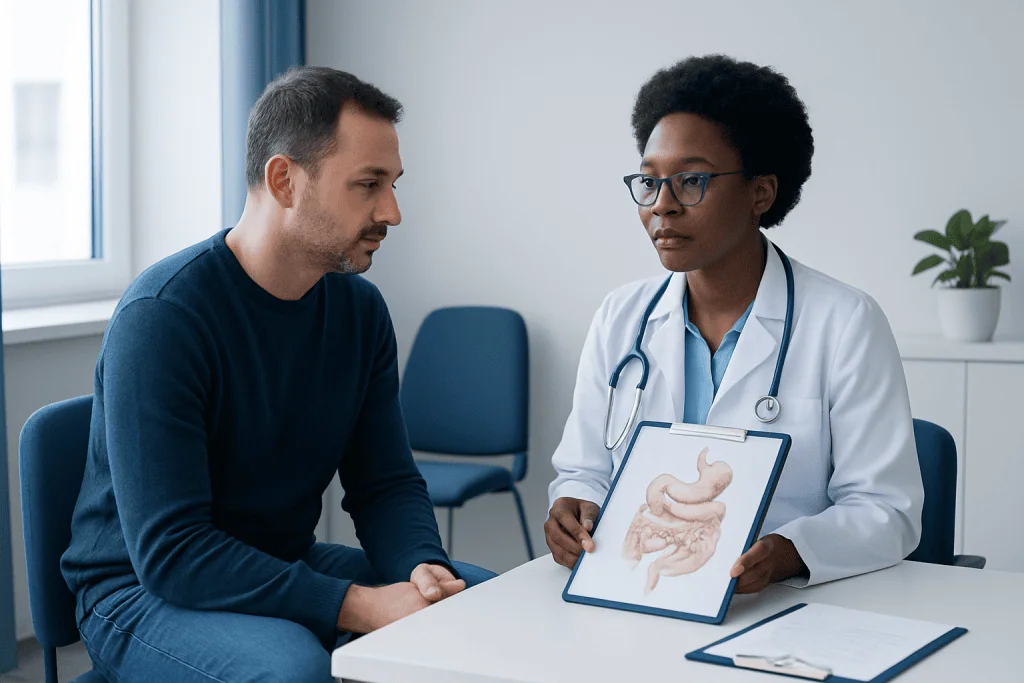
In a hospital setting, teams may use intravenous fluid therapy and laboratory evaluation to monitor recovery. If severe diarrhea raises concern for broader intestinal infection or complications, specialists in gastroenterology care may be involved. Recovery is usually good when fluids are replaced quickly and safely.
Prevention and self-care
Cholera prevention depends largely on safe water, sanitation, and hygiene. Drinking water should come from a reliable treated source, or be boiled, filtered, or otherwise disinfected when safety is uncertain. Hands should be washed with soap and safe water after using the toilet, before preparing food, and before eating.
Food safety also matters. Raw or undercooked seafood should be avoided in areas where cholera is present. Fruits and vegetables should be washed with safe water and peeled when possible, and cooked foods should be eaten while still hot. Ice, street-vended food, and unpasteurized drinks may be risky when water quality is uncertain.
Vaccination can help in some situations. Oral cholera vaccines may be recommended for people traveling to or living in areas with active transmission, depending on destination, outbreak conditions, and local public health advice. Vaccines reduce risk but do not replace safe food and water practices.
If diarrhea begins, self-care should focus on drinking oral rehydration solution or clean fluids while seeking medical advice, especially if the diarrhea is frequent or vomiting is present. People should not assume the illness will pass on its own if they are becoming weak, very thirsty, or unable to keep up with fluid losses.
When to seek medical care
Medical care should be sought quickly for sudden, profuse watery diarrhea, especially after travel to an area with known cholera or after exposure to unsafe water. Urgent evaluation is also important if there is vomiting that prevents drinking, very little urination, dizziness, fainting, confusion, or signs of dehydration in a child or older adult.
Infants, pregnant women, older adults, and people with chronic illness may become dehydrated faster and should be assessed early. Even if symptoms seem mild at first, cholera can worsen rapidly. Prompt rehydration and monitoring can prevent complications and support a smoother recovery.
For international patients who need specialist assessment, Acibadem International’s multidisciplinary teams in JCI-accredited hospitals diagnose and treat infectious and gastrointestinal conditions. Depending on symptoms and dehydration severity, care may involve infectious diseases evaluation together with supportive hospital treatment.
Frequently asked questions
Is cholera contagious from person to person?
Cholera mainly spreads through contaminated water or food rather than casual contact. However, poor hand hygiene after caring for an infected person can contribute to spread, especially where sanitation is limited. Good handwashing and safe toilet practices are important.
Can cholera go away on its own?
Mild cases may improve, but the main danger is rapid dehydration, which can become serious before the infection resolves. Because fluid loss can be heavy and sudden, cholera should not be ignored. Oral rehydration should begin early, and medical care may be needed quickly.
What is the first treatment for cholera?
The first and most important treatment is replacing lost fluids and electrolytes. Oral rehydration solution is commonly used first, while severe dehydration may require intravenous fluids. Antibiotics may be added in some cases, but they do not replace rehydration.
How quickly do cholera symptoms start?
Symptoms can begin within hours to a few days after exposure. Some people never develop symptoms, while others become ill suddenly with heavy watery diarrhea. The speed of dehydration is often more important than the exact start time of symptoms.
Can travelers get cholera?
Yes, travelers can get cholera if they visit areas with active transmission and consume unsafe water or contaminated food. The overall risk depends on destination, local sanitation conditions, and travel activities. Careful food and water precautions greatly reduce the chance of infection.
Does cholera always cause severe illness?
No. Many infections are mild or cause no symptoms at all. Still, some people develop severe diarrhea and dehydration, which is why early attention to fluid loss is so important.
This article is for general information only and is not a substitute for professional medical advice. Please consult a qualified doctor about your individual situation.
Cholera in Turkey — costs, top hospitals & a free quote
JCI-accredited · board-certified surgeons · reply within 24h
Add us as a Preferred Source to see more of our trusted health content across Google Search, AI Overviews and Discover.
Check your numbers in seconds
BMI, calories, due date, blood pressure and 30+ more clinical calculators — free, instant, doctor-reviewed ranges.

More from the Health Library

Albinism Albino: What Patients Need to Know

Rabies Jab: A Complete Medical Overview

Orange Juice: A Complete Medical Overview

Patent Ductus Arteriosus: An Evidence-Based Guide for Patients

Key Lime Juice: An Evidence-Based Guide for Patients