Albinism Albino: What Patients Need to Know
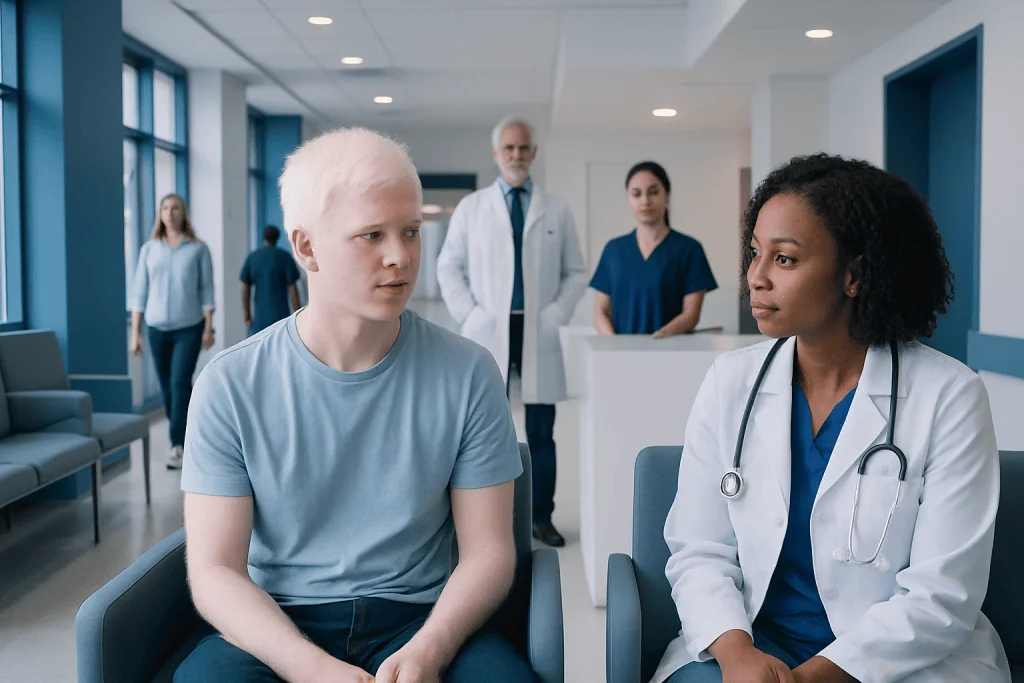
Albinism is a genetic condition that affects melanin production and may involve the skin, hair, and eyes. Vision problems are common and can include light sensitivity, reduced visual acuity, and involuntary eye movements.
Key Takeaways
- Albinism is a genetic condition that affects melanin production and may involve the skin, hair, and eyes.
- Vision problems are common and can include light sensitivity, reduced visual acuity, and involuntary eye movements.
- There is no cure for albinism, but many symptoms can be managed with eye care, sun protection, and supportive treatment.
- People with albinism can lead full lives with early diagnosis, regular follow-up, and tailored educational or visual support.
- Any child or adult with unusual pigmentation, visual difficulties, or frequent sunburn should be assessed by a qualified doctor.
Albinism albino is a common search phrase for a group of inherited conditions that reduce or prevent the body from making enough melanin, the pigment that colors the skin, hair, and eyes. The condition is present from birth, is not contagious, and often needs ongoing eye care, sun protection, and practical daily support.
Overview: what albinism means
Albinism albino is a term many people use when looking for information about albinism, a genetic condition that affects the body’s production of melanin. Melanin is the natural pigment that helps give color to the skin, hair, and eyes, and it also plays an important role in normal visual development. When melanin is reduced or absent, a person may have lighter coloring and characteristic eye findings.
Albinism is not an infection, and it is not caused by anything a parent did during pregnancy. It is usually inherited, meaning it is passed through genes. Some forms mainly affect the eyes, while others affect the eyes, skin, and hair together. The degree of pigment loss and the severity of visual symptoms can vary widely from one person to another.
Although albinism is lifelong, many of its effects can be managed. Early attention to vision, skin protection, and regular medical review can improve comfort, safety, and day-to-day functioning. Support at school, at work, and at home is also important because visual needs often change how a person reads, learns, or moves through bright environments.
Types of albinism and how they differ
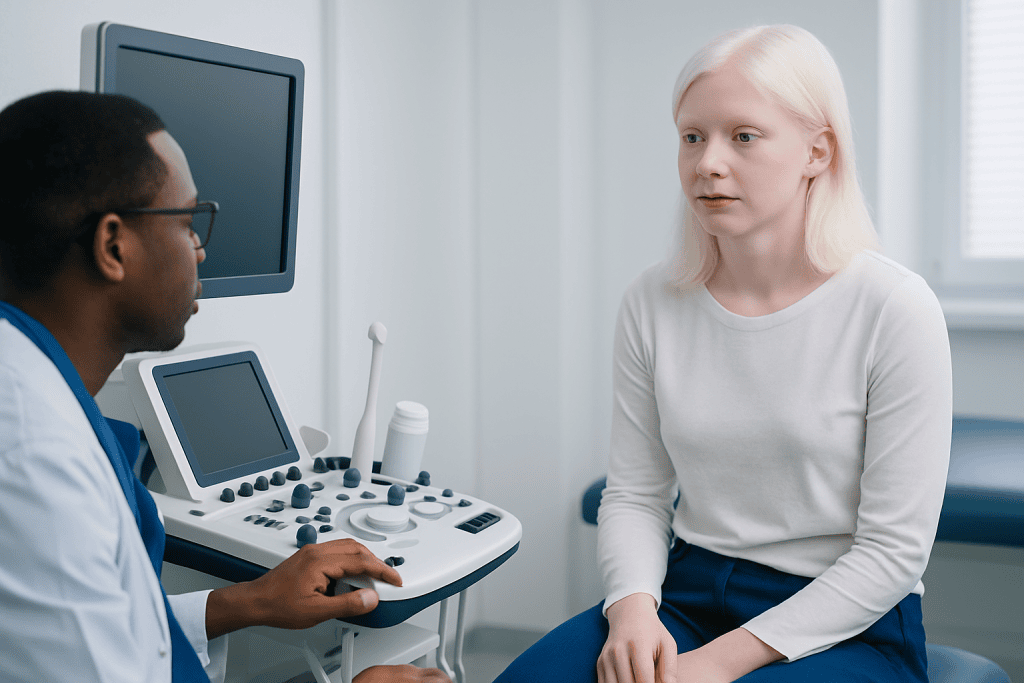
The two broad categories are oculocutaneous albinism and ocular albinism. Oculocutaneous albinism affects the skin, hair, and eyes. Ocular albinism mainly affects the eyes, with much less obvious changes in skin or hair color. Within these categories, there are several genetic subtypes, and each can have a different pattern of pigmentation and vision effects.
In oculocutaneous albinism, a child may be born with very light hair and skin compared with family members, though coloring can deepen somewhat over time in some subtypes. Eye findings are often the most medically important part of the condition. These may include reduced sharpness of vision, abnormal development of the retina, sensitivity to bright light, and difficulty with depth perception.
Ocular albinism can be harder to recognize because skin and hair color may appear typical for the family background. A child may come to medical attention because of involuntary eye movements, squinting in bright light, or trouble seeing clearly. In some people, albinism can also appear as part of a broader inherited syndrome, so doctors may look for additional findings if the history suggests it.
Because the condition often overlaps with other pigmentation or vision disorders, a careful assessment may be needed to distinguish albinism from other causes of low vision or pale skin and hair. Related eye conditions such as lazy eye or uncontrolled eye movements may also need separate evaluation and treatment planning.
Symptoms and daily challenges
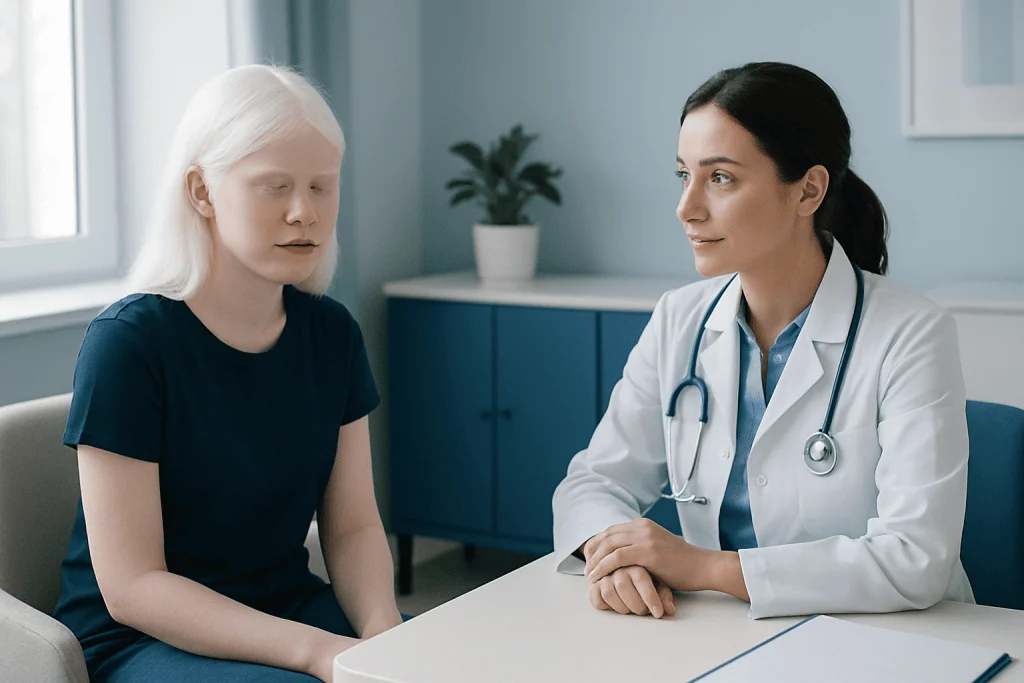
The symptoms of albinism often involve both appearance and vision, but vision concerns usually have the greatest impact on everyday life. Common features include very light skin, hair, or eyelashes; eyes that appear light blue, gray, or hazel; and easy sunburn. However, pigmentation varies, so not everyone with albinism looks the same.
Visual symptoms are especially common because melanin helps the eyes develop before birth. A person may have reduced visual acuity, involuntary eye movements called nystagmus, sensitivity to light, and strabismus, in which the eyes do not align properly. Some people also have difficulty judging distance or reading standard print from far away.
Children may show signs such as sitting very close to screens, tilting the head to focus, frequent squinting, or trouble following objects. Adults may notice glare problems when driving or discomfort in bright outdoor light. Visual performance can also change depending on lighting conditions, contrast, and fatigue.
- Light sensitivity and glare
- Reduced distance vision
- Nystagmus
- Strabismus or eye misalignment
- Easy sunburn and higher long-term skin damage risk
- Practical difficulties with reading, sports, and mobility in bright light
Causes, inheritance, and risk factors
Albinism is caused by inherited changes in genes involved in melanin production or related pathways. These gene changes can affect how pigment is made, stored, or distributed. The result is reduced pigmentation and altered development of the eye structures that support normal vision.
Most types of oculocutaneous albinism are inherited in an autosomal recessive pattern. This means a child usually inherits one changed gene from each parent, while the parents themselves may not have symptoms. Ocular albinism is often inherited differently, and family history may show male relatives with vision problems. Genetic counseling can help families understand recurrence risk and what the diagnosis means for siblings or future pregnancies.
There are no lifestyle-related risk factors that cause albinism to develop after birth. It is present from birth, although it may not be diagnosed immediately, especially in milder cases or in families where light coloring is common. The main risk considerations after birth relate to complications, especially low vision and sun-related skin damage.
Because albinism is genetic, the goal of medical care is not to identify a preventable exposure but to confirm the diagnosis, assess vision, and plan long-term protection and support. When syndromic forms are suspected, doctors may coordinate care with other specialists to check for bleeding, immune, lung, or bowel problems, depending on the pattern of symptoms.
How doctors diagnose albinism
Diagnosis often begins with a medical history and physical examination. Doctors look at skin, hair, and eye findings and ask about family history, visual behavior, light sensitivity, and early development. In infants and children, parents may be the first to notice unusual eye movements or extreme sensitivity to sunlight.
A complete eye examination is a central part of diagnosis. This may include visual acuity testing, evaluation of eye alignment and eye movements, and an examination of the retina and optic pathways. The doctor may also assess whether nystagmus or strabismus is present and whether magnification, glasses, or other visual aids are likely to help. Depending on the findings, tests such as comprehensive eye examination and genetic testing may be recommended to clarify the subtype and support family counseling.
Genetic testing is not always required to start practical care, but it can be useful when the diagnosis is uncertain or when a syndromic form is being considered. In some cases, additional dermatology or pediatric input is helpful, especially if there are concerns about skin changes, developmental needs, or other health issues.
Accurate diagnosis matters because the management plan depends on the person’s visual profile, skin type, and daily needs. It also helps families understand what to expect over time and how to arrange school, workplace, or home adjustments that improve quality of life.
Treatment options and long-term management
There is currently no treatment that restores normal melanin production in most forms of albinism, but many aspects of care can be managed effectively. The aim is to protect vision, improve visual function, reduce sun-related damage, and support independence. Treatment plans are individualized and often involve ophthalmology, dermatology, pediatrics, genetics, and low-vision specialists.
Eye care may include prescription glasses, tinted lenses, magnifiers, and classroom or workplace accommodations such as large print, high-contrast materials, or preferred seating. Some people benefit from assessment for low vision rehabilitation to make reading, schoolwork, and daily activities easier. If eye misalignment is significant, doctors may discuss options such as strabismus surgery in selected cases, although surgery does not correct all visual issues related to albinism.
Skin care is equally important. Regular use of broad-spectrum sunscreen, sun-protective clothing, hats, and sunglasses can reduce sunburn and long-term skin damage. People with albinism should also check their skin regularly and have concerning spots assessed promptly, especially if they live in sunny climates or spend much time outdoors.
Families often need reassurance that children with albinism can learn, play, and participate fully when their visual needs are recognized early. Near the end of the care pathway, support may also involve counseling, educational planning, and routine follow-up. For international patients, Acibadem International’s multidisciplinary specialists and JCI-accredited hospitals diagnose and treat eye and skin concerns related to albinism.
Self-care, sun safety, and living well with albinism
Daily self-care focuses on reducing glare, protecting the skin, and making visual tasks more comfortable. Bright sunlight, reflective surfaces, and strong indoor lighting can be challenging, so practical adjustments often help. These may include wide-brimmed hats, UV-protective sunglasses, window shades, larger screens, and better contrast in printed materials.
Children may benefit from support at school, such as sitting near the front, receiving enlarged handouts, or using assistive devices. Adults may need adjustments for driving, reading, or computer work, depending on local safety rules and the level of vision. A low-vision specialist can suggest tools that fit real daily routines rather than a one-size-fits-all plan.
Self-esteem and social support also matter. Because albinism can affect appearance as well as vision, some children and adults experience unwanted attention or misunderstanding. Clear information, supportive family communication, and access to appropriate educational resources can make a meaningful difference.
General healthy habits remain important, including regular checkups, prompt attention to changing vision or skin lesions, and discussion with a doctor before starting any new treatment. Home remedies cannot replace medical evaluation, but thoughtful self-care can greatly improve comfort and confidence.
When to seek medical care
Medical review is important whenever a baby, child, or adult has unexplained light pigmentation together with visual symptoms such as eye shaking, poor focus, light sensitivity, or eyes that appear to drift. Early eye assessment helps identify what support is needed and can reduce delays in learning and development. A child who sits unusually close to screens or struggles in bright classrooms should also be evaluated.
Prompt medical attention is also needed for repeated sunburn, changing moles, sores that do not heal, or any new skin lesion that looks unusual. These concerns do not always mean something serious, but they should be checked by a qualified clinician. It is also sensible to seek review if vision seems to worsen, if headaches are linked to visual strain, or if there are symptoms suggesting another condition alongside albinism.
If there is a family history of albinism or related inherited eye conditions, families may wish to discuss screening and genetic counseling. In some situations, doctors may also consider related evaluations for children with persistent eye movement problems or alignment issues, including assessment for nystagmus. A tailored plan is the best way to support long-term vision, skin health, and quality of life.
Frequently asked questions
Is albinism the same as being albino?
Albinism is the medical term for a group of inherited conditions that reduce melanin production. The word “albino” is sometimes used informally, but many people prefer person-first language such as “a person with albinism.” In health information, “albinism” is usually the more respectful and precise term.
Can albinism be cured?
There is no cure that reverses the underlying genetic cause of albinism. However, many effects of the condition can be managed with eye care, visual aids, sun protection, and regular follow-up. Early support can make a major difference in daily functioning and comfort.
Does everyone with albinism have poor eyesight?
Most people with albinism have some degree of visual involvement, but the severity varies. Some have mild difficulty in bright light, while others need glasses, magnification, or low-vision support. A detailed eye examination is the best way to understand individual needs.
Is albinism contagious?
No, albinism is not contagious. It is an inherited genetic condition present from birth and cannot be passed from person to person through contact. Families often find it reassuring to know that ordinary social contact poses no risk.
Can people with albinism go out in the sun?
Yes, but they usually need careful sun protection. Broad-spectrum sunscreen, protective clothing, hats, and sunglasses help reduce sunburn and long-term skin damage. A doctor can advise on the best protection based on skin type, climate, and daily activities.
How is albinism diagnosed in children?
Doctors usually diagnose albinism through a combination of medical history, physical examination, and a full eye assessment. Genetic testing may be offered when the diagnosis is unclear or when families want more information about inheritance. Early diagnosis helps schools and parents arrange the right visual support.
This article is for general information only and is not a substitute for professional medical advice. Please consult a qualified doctor about your individual situation.
Hair transplant in Turkey — costs, graft counts & a free assessment
JCI-accredited · board-certified surgeons · reply within 24h
Add us as a Preferred Source to see more of our trusted health content across Google Search, AI Overviews and Discover.

More from the Health Library

Dilution Urine: What Patients Need to Know

Endometritious — Explained by Medical Evidence, Not Myths

Grapeseed Oil — Explained by Medical Evidence, Not Myths
Jowls: A Complete Medical Overview

Low Impact Exercises: An Evidence-Based Guide for Patients