Rabies Jab: A Complete Medical Overview
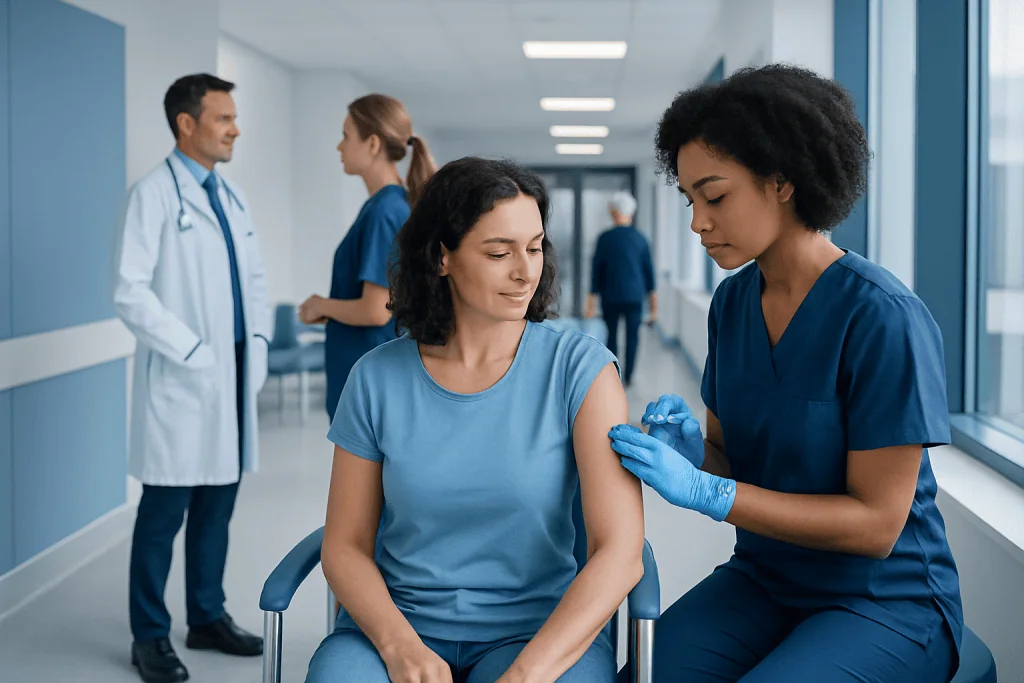
A rabies jab is a vaccine that prevents rabies before or after exposure. After a possible exposure, immediate wound washing and urgent medical assessment are essential.
Key Takeaways
- A rabies jab is a vaccine that prevents rabies before or after exposure.
- After a possible exposure, immediate wound washing and urgent medical assessment are essential.
- Post-exposure treatment may include both rabies vaccine and rabies immune globulin, depending on vaccination history.
- Rabies symptoms usually appear late, so treatment should begin before symptoms develop.
- Most people tolerate the rabies jab well, with mild soreness or fatigue being the most common side effects.
A rabies jab is the rabies vaccine, used to prevent rabies either before possible exposure or urgently after an animal bite, scratch, or saliva contact that may carry the virus. When given at the right time and in the right schedule, it is highly effective and is a key part of emergency care after a possible exposure.
Overview: What a Rabies Jab Is and Why It Matters
A rabies jab is the rabies vaccine. It is given either as pre-exposure protection for people at higher risk of contact with rabid animals, or as post-exposure treatment after a bite, scratch, or saliva exposure that could transmit the rabies virus. The purpose is simple: to stop infection before it can reach the nervous system.
Rabies is a viral disease that affects the brain and nerves. Once symptoms begin, it is almost always fatal. For that reason, doctors do not wait for symptoms to appear. They focus on rapid prevention after a possible exposure, which is why the rabies jab is considered a medical priority in emergency settings.
Many people use the phrase “rabies jab” to mean the entire treatment after an animal bite. In practice, post-exposure care may include careful wound cleaning, one or more doses of rabies vaccine, and sometimes rabies immune globulin. The exact plan depends on the type of exposure, the animal involved, and whether the person has had rabies vaccination before.
How Rabies Spreads and Who May Need a Rabies Jab
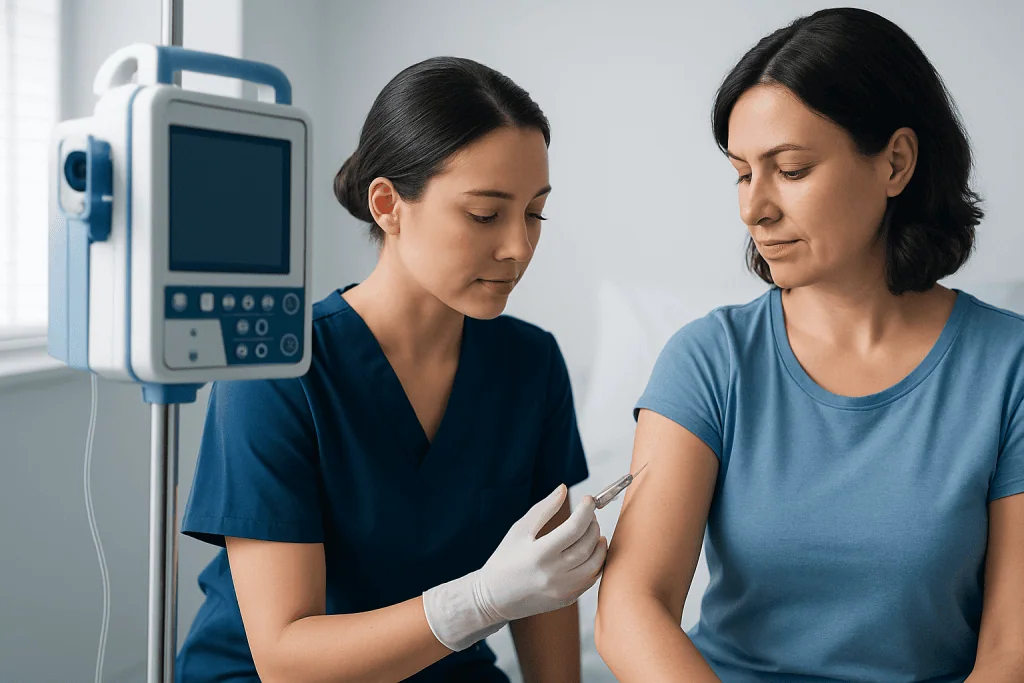
Rabies spreads through the saliva or nervous tissue of an infected animal, most often through a bite. It can also enter the body through a scratch or through broken skin or mucous membranes, such as the eyes or mouth, if contaminated saliva makes contact. Casual contact, such as touching an animal’s fur or being near a person with rabies, does not usually spread the infection.
Dogs are a major source of rabies transmission in some parts of the world, while bats, foxes, raccoons, and other wild mammals can also carry the virus depending on the region. Risk depends on local animal vaccination rates, wildlife patterns, and travel history. This is one reason doctors ask detailed questions about where and how the exposure happened.
A rabies jab may be recommended for:
- Anyone bitten or scratched by a possibly rabid animal
- People whose broken skin or mucous membranes were exposed to animal saliva
- Travelers going to areas where rabies is more common and medical care may be hard to access
- Veterinarians, animal handlers, laboratory workers, and others with occupational risk
- People with repeated contact with bats or other wildlife
When a bite breaks the skin, doctors may also assess for other concerns such as wound infection, tetanus risk, or injury to muscles, tendons, and nerves. In some cases, broader medical evaluation is part of safe bite management.
When a Rabies Jab Is Needed After Exposure
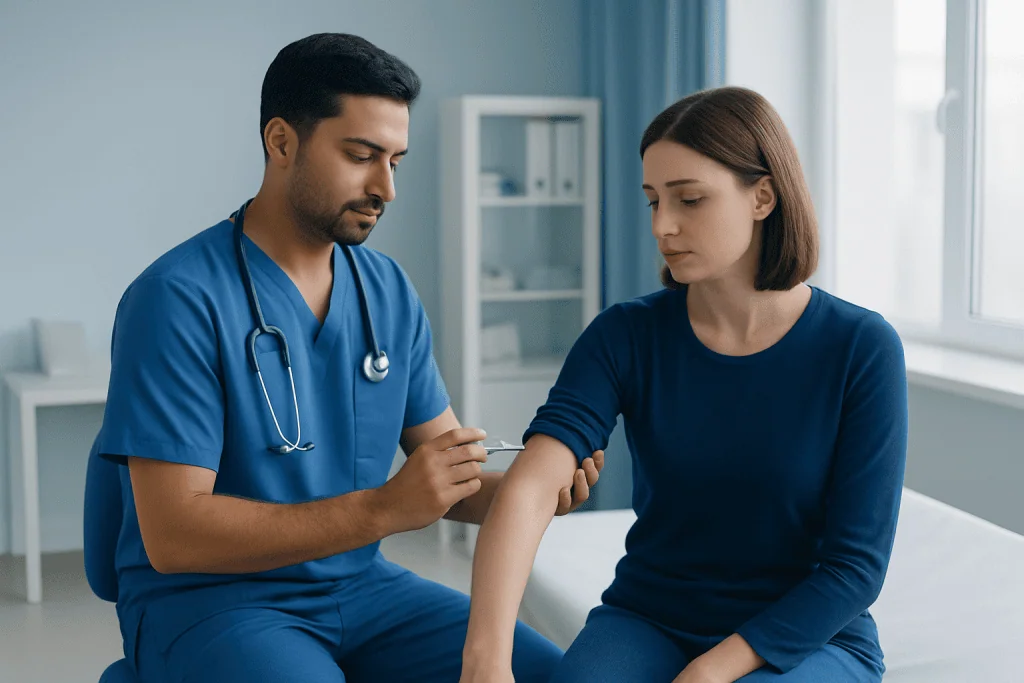
Post-exposure treatment is recommended when there is a realistic chance that rabies virus entered the body. This can happen after a bite, a penetrating scratch, or saliva contact with open skin, the eyes, the mouth, or the nose. The decision is based on the species of animal, whether the animal can be observed or tested, the severity and location of the wound, and the rabies risk in that area.
Higher-risk exposures include deep bites, bites to the face, head, neck, or hands, and exposures involving bats or wild mammals in many regions. If a person wakes up and finds a bat in the room, doctors may advise evaluation even if no obvious bite is seen, because very small bites can go unnoticed.
People who have never had rabies vaccination usually need both rabies vaccine and rabies immune globulin after a significant exposure. Those who completed rabies vaccination in the past may only need booster doses of vaccine, not immune globulin. This distinction is important, so patients should tell their clinician about any previous rabies shots.
Because rabies affects the nervous system, clinicians may also explain warning signs of neurological illness, although treatment should not wait for symptoms. Readers seeking background on how infections can affect the brain may also find encephalitis information helpful, since rabies is one form of viral inflammation of the brain.
What Happens During Diagnosis and Immediate Care
There is no single quick test that reliably rules out rabies right after an exposure in a person who has no symptoms. Instead, diagnosis at this stage is mostly a clinical decision based on exposure history and public health guidance. Doctors ask about the animal, the setting, the wound, local rabies risk, and whether the animal can be monitored or tested.
The first and most important step is immediate wound cleansing. The area should be washed thoroughly with soap and running water as soon as possible. This simple step can reduce the amount of virus at the site of exposure and is a standard part of rabies prevention.
Medical teams also examine the wound for bleeding, depth, tissue damage, and signs of infection. Some people may need stitches, antibiotics, tetanus prevention, or imaging if there is concern about deeper injury. Depending on the wound, care may overlap with emergency medicine or infectious diseases assessment.
If the animal is available, local public health or veterinary authorities may advise observation or laboratory testing. Even so, treatment decisions should follow medical guidance rather than personal reassurance that an animal “looked healthy.” Rabies prevention is most effective when started promptly.
Treatment Options: Vaccine Schedules and Immune Protection
The rabies jab works by helping the immune system produce antibodies against the virus. For pre-exposure vaccination, the schedule is planned in advance for people with ongoing or anticipated risk. For post-exposure treatment, the schedule begins as soon as possible after a suspected exposure.
Post-exposure treatment for someone who has not been vaccinated before usually includes rabies vaccine given over a series of visits. It also often includes rabies immune globulin, which provides immediate antibodies while the body builds its own protection from the vaccine. The immune globulin is typically placed around the wound when possible, with the remainder given by injection as directed by the treating clinician.
People who were previously vaccinated generally need fewer doses after an exposure, because their immune system has already been primed. They usually do not need rabies immune globulin. The exact schedule can vary according to national guidance and the person’s medical history, so a doctor or public health professional should confirm the plan.
The rabies jab does not treat symptoms once rabies disease has fully developed; its role is prevention before that stage. This is why acting early matters so much. In complex cases, especially for travelers or people with unusual exposures, multidisciplinary consultation can help guide the safest approach.
Side Effects, Safety, and What to Expect After the Rabies Jab
Most people tolerate the rabies jab well. The most common side effects are mild and temporary, such as soreness, redness, or swelling where the injection was given. Some people also notice tiredness, headache, muscle aches, nausea, or a mild fever for a short time.
Serious allergic reactions are uncommon, but any trouble breathing, facial swelling, widespread rash, or severe dizziness after an injection requires urgent medical attention. A clinician will weigh the risks and benefits carefully, but in a true rabies exposure, prevention is extremely important because the disease itself is so dangerous.
People sometimes worry that the vaccine can cause rabies. Modern rabies vaccines used in standard medical practice do not cause rabies infection. Patients should complete the full schedule exactly as advised, even if they feel well after the first dose or if the wound begins to heal.
Special situations such as pregnancy, immune suppression, or chronic illness should be discussed with the treating doctor, but these conditions do not usually prevent needed post-exposure treatment. If there is concern that the immune system may not respond normally, doctors may adjust follow-up and monitoring.
Prevention and Self-Care After an Animal Bite or Scratch
The best prevention is avoiding exposure when possible. This includes not handling unfamiliar animals, supervising children around pets, vaccinating household animals as recommended, and using caution around wildlife. Travelers to areas where rabies is more common should learn where urgent medical care is available before they go.
After any possible exposure, immediate self-care begins with washing the wound thoroughly with soap and water. If available, a first-aid antiseptic may be used after washing, but it should not replace medical evaluation. Bleeding wounds should be covered with a clean dressing while arranging prompt care.
People should try to note useful details without putting themselves at further risk. Helpful information includes the type of animal, whether it was wild or domestic, if the attack was unprovoked, and whether the animal can be safely identified or observed by authorities. However, no one should attempt to capture a wild or aggressive animal personally.
For individuals with frequent occupational or travel-related risk, pre-exposure vaccination may be discussed in advance. Preventive planning is especially relevant for people working in animal care, laboratory settings, or remote locations where emergency treatment may be delayed.
When to Seek Medical Care
Medical care should be sought immediately after any bite or scratch from a wild animal, bat, stray dog, or any animal suspected of being ill or behaving unusually. The same applies if saliva from a potentially rabid animal gets into the eyes, mouth, nose, or onto broken skin. It is safer to ask early than to wait and see.
Urgent care is also important for deep wounds, heavy bleeding, bites to the face or hands, signs of infection, or if tetanus vaccination may be overdue. Children, older adults, pregnant individuals, and people with weakened immune systems should be assessed promptly after a possible exposure.
If neurological symptoms such as confusion, swallowing difficulty, agitation, weakness, or unusual sensations develop after an animal exposure, emergency evaluation is essential. These symptoms can have many causes, including serious infections that need immediate attention.
For international patients who need coordinated evaluation, Acibadem International’s multidisciplinary specialists and JCI-accredited hospitals diagnose and manage animal-bite related concerns and infectious disease risks. Depending on the case, doctors may also evaluate related neurological complications such as meningitis or other central nervous system infections if symptoms suggest a broader problem.
Frequently asked questions
Is a rabies jab the same as a rabies vaccine?
Yes. The phrase “rabies jab” usually means the rabies vaccine injection. In everyday use, some people also use it to describe the full post-exposure treatment plan, which may include wound care and rabies immune globulin as well as the vaccine.
How soon after a bite should someone get a rabies jab?
As soon as possible after a potentially risky exposure. Immediate wound washing should happen first, and medical assessment should follow urgently because the vaccine works best when started before symptoms appear.
Can someone still need a rabies jab if the animal seems healthy?
Yes, sometimes. A healthy appearance does not reliably rule out rabies, and the need for treatment depends on the animal species, the type of exposure, local rabies risk, and whether the animal can be observed or tested safely.
Does every animal bite require a rabies jab?
No. The decision depends on the circumstances of the bite, the animal involved, and public health guidance in that location. Even so, every bite that breaks the skin should be medically assessed because rabies is only one of several possible concerns.
What are the common side effects of a rabies jab?
The most common side effects are pain, redness, or swelling at the injection site. Some people also have headache, fatigue, mild fever, or muscle aches, which usually pass without lasting problems.
Can a person get a rabies jab before any exposure happens?
Yes. Pre-exposure vaccination is recommended for some people with higher risk, such as certain travelers, veterinarians, animal workers, and laboratory staff. It does not remove the need for medical care after an exposure, but it can simplify treatment.
References
- World Health Organization
- Centers for Disease Control and Prevention
- European Centre for Disease Prevention and Control
- Mayo Clinic
- Merck Manual Consumer Version
This article is for general information only and is not a substitute for professional medical advice. Please consult a qualified doctor about your individual situation.
Rabies in Turkey — costs, top hospitals & a free quote
JCI-accredited · board-certified surgeons · reply within 24h
Add us as a Preferred Source to see more of our trusted health content across Google Search, AI Overviews and Discover.

More from the Health Library

Frequency Specific Microcurrent: An Evidence-Based Guide for Patients

Memantine: What Patients Need to Know

Suicidal Tendencies — Explained by Medical Evidence, Not Myths

Apple Cider Vinegar and Baking Soda: A Complete Medical Overview

Heart attack types: A Complete Medical Guide for Patients