Ear Lobe: An Evidence-Based Guide for Patients

The ear lobe can be affected by piercing-related irritation, infection, trauma, cysts, allergic reactions, and keloid scars. Common symptoms include pain, redness, swelling, discharge, itching, a lump, or a split in the tissue.
Key Takeaways
- The ear lobe can be affected by piercing-related irritation, infection, trauma, cysts, allergic reactions, and keloid scars.
- Common symptoms include pain, redness, swelling, discharge, itching, a lump, or a split in the tissue.
- Treatment depends on the cause and may range from home care and avoiding irritants to antibiotics, drainage, or minor surgical repair.
- Prompt medical assessment is important for spreading redness, significant swelling, fever, severe pain, or a rapidly growing lump.
- Good piercing hygiene, careful jewelry choices, and avoiding heavy earrings can help protect the ear lobe.
The ear lobe is the soft lower part of the outer ear, and it can develop problems such as tears, swelling, cysts, infection, irritation, or scar overgrowth. Most ear lobe conditions are not dangerous, but they benefit from the right evaluation so treatment matches the cause.
Overview: what the ear lobe is and why it matters
The ear lobe is the soft, fleshy lower part of the external ear. Unlike the upper ear, it contains fatty and connective tissue rather than firm cartilage. This makes the ear lobe flexible, but it also means it can be easily irritated by jewelry, pressure, trauma, and skin conditions.
Many people search for information about the ear lobe because they notice pain, swelling, a lump, itching, or a tear around a piercing site. In many cases, the problem is minor and improves with simple measures. However, symptoms can also reflect infection, allergic contact dermatitis, a cyst, or abnormal scar formation such as a keloid.
An evidence-based approach starts by identifying the exact cause. Ear lobe concerns are often visible and easy to describe, but similar-looking problems can need different care. For example, a tender red ear lobe after a new piercing may suggest infection or irritation, while a firm painless bump may be more consistent with a cyst or scar tissue.
Common ear lobe symptoms
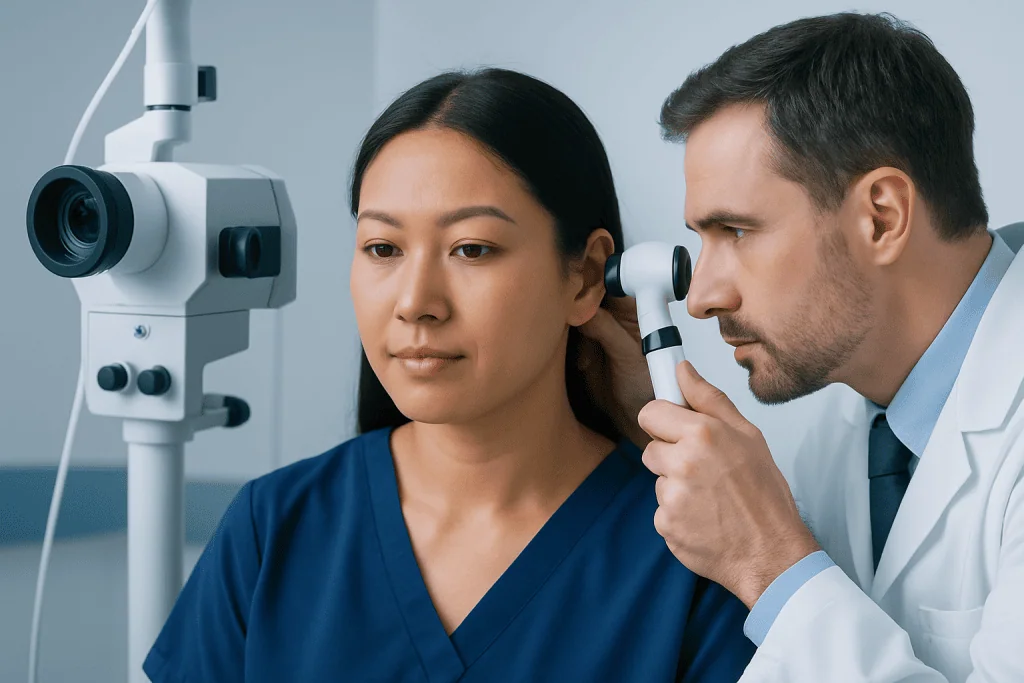
Ear lobe symptoms vary depending on the underlying problem. Some people notice a sudden issue, such as bleeding after an earring gets pulled. Others develop gradual symptoms over days or weeks, such as increasing swelling around a piercing or a slowly enlarging lump.
Symptoms that commonly affect the ear lobe include:
- Redness or warmth
- Swelling
- Pain or tenderness
- Itching or burning
- Crusting or discharge
- A small lump under the skin
- Bleeding
- A partial or complete split in the ear lobe
- Firm raised scar tissue around a piercing
The timing of symptoms can offer clues. Itching soon after wearing a certain earring may point to a metal allergy. A painful swollen area with pus may suggest infection. A round, movable lump can be a benign cyst. A shiny, raised, expanding scar after piercing may be a keloid.
Causes and risk factors

Ear lobe problems often relate to piercing, but they are not limited to it. New piercings can become irritated if touched frequently, cleaned too harshly, or exposed to nonsterile tools or jewelry. Even older piercings may react if heavy earrings stretch the hole or if the skin develops an allergy to nickel or other metals.
Infection is a common cause of ear lobe pain and swelling. Bacteria can enter through a recent piercing, a scratch, or broken skin from eczema. Skin conditions such as seborrheic dermatitis or eczema can make the area more sensitive and easier to irritate. Some people also develop epidermoid cysts, which are usually benign sacs under the skin that may become inflamed or infected.
Trauma is another important cause. Earrings can be caught on clothing, hairbrushes, or by a child pulling on them, leading to a stretched or torn ear lobe. Repeated use of heavy earrings can gradually widen the piercing tract until the tissue becomes thin and vulnerable. In some people, wound healing leads to excessive scar tissue, including hypertrophic scars or keloids.
Risk factors include recent piercing, poor piercing hygiene, touching the area with unwashed hands, wearing heavy or low-quality earrings, a history of metal allergy, and a personal or family tendency to keloid scarring. Diabetes or conditions that affect immune function may also increase the risk of complications from skin infections.
How ear lobe problems are diagnosed
Diagnosis usually begins with a medical history and physical examination. A clinician will ask when the symptoms started, whether there was a recent piercing or injury, what type of jewelry was used, and whether there is discharge, fever, itching, or rapid growth of a lump. They will also ask about prior skin conditions, allergies, and previous abnormal scars.
During the examination, the doctor looks at the shape, skin color, swelling, piercing tract, and any mass or scar tissue. They may gently check whether a lump is soft, firm, tender, movable, or attached to deeper tissues. This often provides enough information to distinguish among infection, allergic reaction, cyst, scar, or tear.
Tests are not always needed. If there is significant discharge or a persistent infection, a sample may sometimes be sent for culture. If a lump has unusual features, grows quickly, bleeds easily, or does not fit a common benign pattern, further assessment by a specialist may be recommended. Imaging is rarely necessary for a straightforward ear lobe problem.
Treatment options for ear lobe conditions
Treatment depends on the cause rather than the symptom alone. Mild irritation from earrings may improve by removing the trigger, keeping the area clean, and switching to hypoallergenic jewelry once the skin has healed. Allergic contact dermatitis is often managed by avoiding the metal causing the reaction and using clinician-guided skin treatment if inflammation is significant.
If the ear lobe is infected, treatment may include careful cleansing, warm compresses, and prescription medication when needed. A doctor may recommend antibiotics if there is bacterial infection, especially when redness is spreading or pus is present. If an abscess forms, drainage may be required rather than relying on home care alone.
Cysts may be observed if they are small and not bothersome, but painful, recurrent, or infected cysts often need medical treatment. In some cases, a minor procedure can remove the cyst completely. Raised scars or keloids may be treated with options such as corticosteroid injections, pressure therapy, or keloid treatment planned by a dermatologist or plastic surgeon.
A stretched or torn ear lobe usually does not heal back to its original shape on its own. Repair commonly involves a small office-based or day-procedure technique to reshape the tissue, such as ear lobe repair. When symptoms relate to broader skin problems, doctors may also assess for associated conditions such as skin allergy or chronic dermatitis. In selected cases where reconstruction is needed for form and comfort, plastic surgery expertise may be part of care planning.
Prevention and self-care
Everyday habits can lower the risk of ear lobe problems. Piercing should be done with appropriate hygiene and aftercare instructions. Hands should be washed before touching the area, and jewelry should not be rotated, removed too early, or changed before the skin has healed. Harsh antiseptics can irritate the skin, so aftercare should follow professional medical guidance.
Choosing jewelry carefully also matters. Earrings made from materials less likely to trigger allergy may reduce irritation in sensitive skin. Heavy earrings should be limited, especially if the piercing hole already looks stretched. Taking earrings off during sleep, sports, or activities where they can snag may help prevent accidental tearing.
For general self-care, the ear lobe should be kept clean and dry. It is best not to squeeze lumps, drain cysts at home, or use unprescribed creams on infected-looking skin. If there is mild irritation, removing the likely trigger and monitoring symptoms may be reasonable, but worsening redness, pain, or discharge should be checked by a clinician.
When to seek medical care
Many ear lobe concerns are manageable, but some need prompt attention. Medical review is advisable if there is increasing redness, warmth, swelling, thick discharge, fever, severe tenderness, or a red area that seems to spread beyond the ear lobe. These signs can suggest a more significant infection that may need prescription treatment.
A doctor should also assess a new lump that persists, enlarges, or repeatedly becomes inflamed. The same is true for a torn or stretched ear lobe that affects comfort or appearance, or for scar tissue that continues to grow after a piercing. People with diabetes, reduced immune function, or poor wound healing should seek advice earlier because minor skin problems can become complicated more easily.
If the issue follows an injury, there is active bleeding, or the earring backing appears embedded in the ear lobe, professional care is important. Near the end of the care journey, some patients choose specialist evaluation for repair or scar management. Acibadem International’s multidisciplinary specialists in JCI-accredited hospitals diagnose and treat ear lobe conditions for international patients when advanced assessment or procedures are needed.
Frequently asked questions
Why is my ear lobe swollen?
A swollen ear lobe can happen because of irritation from earrings, infection, an allergic reaction, trauma, or a cyst. The cause is more likely to be infection if swelling comes with warmth, pain, pus, or spreading redness.
Can an ear lobe tear heal on its own?
A minor superficial injury may close with basic wound care, but a stretched or split piercing hole usually does not return to normal on its own. Persistent splitting often needs a small repair procedure to restore the shape of the ear lobe.
What does an infected ear lobe look like?
An infected ear lobe is often red, tender, swollen, and warm to the touch. There may also be yellow or white discharge, crusting, or throbbing discomfort, especially around a piercing site.
Is a lump in the ear lobe always serious?
No, many ear lobe lumps are benign and may be caused by a cyst, scar tissue, or inflammation around a piercing. Still, a lump that grows, becomes painful, keeps returning, or looks unusual should be checked by a doctor.
How can someone tell the difference between a keloid and a cyst on the ear lobe?
A keloid is a firm raised scar that grows from the site of skin injury, such as a piercing, and may extend beyond the original area. A cyst is usually a round lump under the skin and may feel more mobile; it can become inflamed or infected but is not a scar.
Should earrings be removed if the ear lobe is irritated?
That depends on the cause and the stage of healing. In a healed piercing, removing the triggering earring is often helpful, but in a new piercing, removing jewelry without advice can sometimes trap infection or allow the hole to close. A clinician can guide the safest next step.
References
- American Academy of Dermatology
- American Academy of Otolaryngology–Head and Neck Surgery
- National Health Service
- Mayo Clinic
- Merck Manual Consumer Version
This article is for general information only and is not a substitute for professional medical advice. Please consult a qualified doctor about your individual situation.
Explore treatments in Turkey — costs, top hospitals & a free quote
JCI-accredited · board-certified surgeons · reply within 24h
Add us as a Preferred Source to see more of our trusted health content across Google Search, AI Overviews and Discover.