Ataxia: Balance Problems, Coordination Loss, and Neurology Diagnosis

Ataxia is not one disease; it is a symptom pattern that can result from many conditions affecting the cerebellum, nerves, spinal cord or inner ear pathways. Common signs include unsteady walking, clumsiness, slurred speech, hand coordination problems and abnormal eye movements.
Key Takeaways
- Ataxia is not one disease; it is a symptom pattern that can result from many conditions affecting the cerebellum, nerves, spinal cord or inner ear pathways.
- Common signs include unsteady walking, clumsiness, slurred speech, hand coordination problems and abnormal eye movements.
- Some causes are temporary or treatable, such as medication effects, vitamin deficiencies, alcohol toxicity, infections or immune-related inflammation.
- Diagnosis usually includes a neurological examination, medical and family history, imaging, blood tests and sometimes genetic or nerve studies.
- Treatment focuses on the underlying cause when possible, plus physiotherapy, occupational therapy, speech therapy and fall-prevention strategies.
Ataxia is a medical term for problems with coordination, balance and precise movement. It can develop suddenly or gradually, and a careful neurology evaluation helps identify the cause and the best treatment or rehabilitation plan.
Overview
Ataxia describes a loss of coordinated movement. A person with ataxia may feel unsteady when walking, have trouble reaching for objects accurately, speak less clearly, or notice that the eyes do not move smoothly. The word is often associated with the cerebellum, the part of the brain that helps fine-tune movement, balance and posture, but ataxia can also arise from problems in the spinal cord, peripheral nerves or vestibular system.
Ataxia is a symptom or clinical finding rather than a single diagnosis. This distinction is important because the outlook and treatment depend on the cause. For example, ataxia due to a medication side effect or vitamin deficiency may improve when the trigger is corrected, while inherited or degenerative forms may require long-term neurological care and rehabilitation to support function and safety.
The onset can be sudden, intermittent or slowly progressive. Sudden ataxia needs prompt medical attention because it can be linked to urgent conditions such as stroke, bleeding, infection or toxin exposure. Gradual ataxia also deserves assessment, especially if it is affecting walking confidence, daily tasks, speech or swallowing.
Symptoms of Ataxia
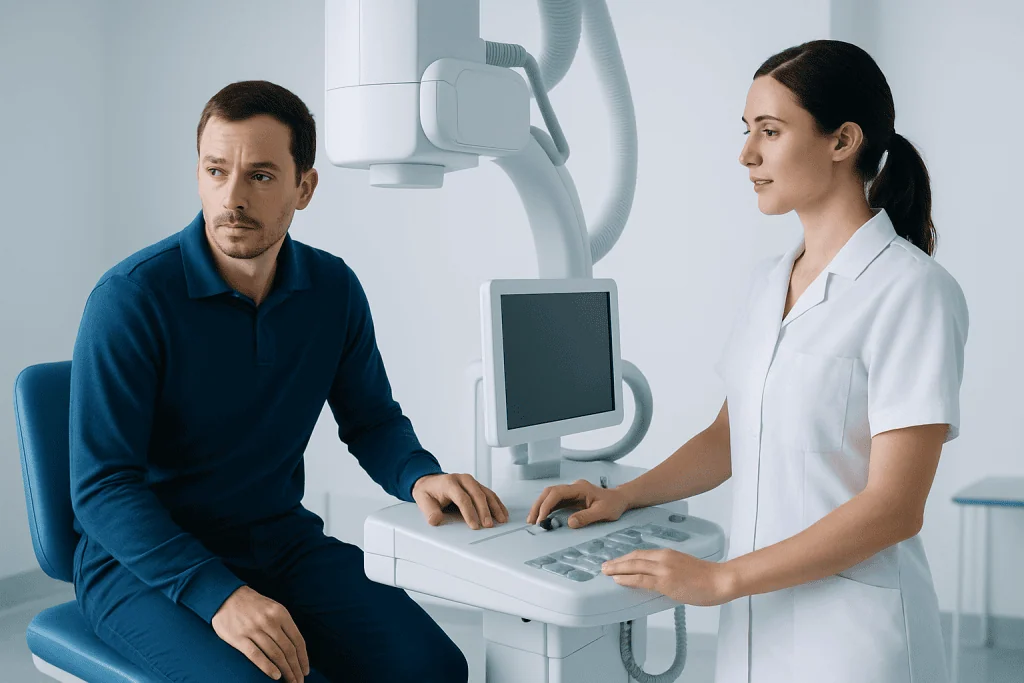
Symptoms vary according to which nerve pathways are affected. Many people first notice difficulty walking in a straight line, frequent stumbling, or a wider stance to feel stable. Others may describe clumsiness, dropping objects, messy handwriting, or problems with buttons, utensils and other fine motor tasks.
Speech and eye movement changes are also common in some forms of ataxia. Speech may become slow, scanning or slurred, a pattern called dysarthria. The eyes may make involuntary rhythmic movements, known as nystagmus, or a person may have difficulty tracking moving objects, which can contribute to dizziness or blurred vision.
Possible symptoms include:
- Unsteady gait, poor balance or frequent falls
- Loss of coordination in the arms, hands or legs
- Tremor during purposeful movement, such as reaching for a cup
- Slurred or irregular speech
- Difficulty swallowing in some cases
- Abnormal eye movements, double vision or visual tracking difficulty
- Numbness, tingling or reduced vibration sense if peripheral nerves are involved
Symptoms may be mild at first and appear only during fatigue, stress or fast movements. Keeping a simple symptom diary, including when problems occur and any related medications, illnesses or alcohol exposure, can help the neurologist identify patterns.
Causes and Risk Factors

Ataxia can be caused by conditions that injure or disrupt communication within the nervous system. Cerebellar ataxia occurs when the cerebellum or its connections are affected. Sensory ataxia can occur when the nerves or spinal cord pathways that carry position-sense information are impaired, making it hard for the brain to know where the limbs are in space. Vestibular disorders can also cause imbalance and unsteady movement, often with dizziness or vertigo.
Potential causes include stroke, head injury, multiple sclerosis, brain tumors, infections, autoimmune inflammation, thyroid disorders, vitamin B12 or vitamin E deficiency, alcohol-related cerebellar injury, medication effects and exposure to certain toxins. Some people develop ataxia after viral illnesses or as part of an immune response. In children and young adults, inherited ataxias may be considered, particularly when there is a family history or symptoms progress over time.
Risk factors depend on the underlying cause. A family history can increase the likelihood of genetic ataxias. Heavy alcohol use, unmonitored medication combinations, poor nutrition or malabsorption, and chronic conditions that affect nerves may raise the risk of acquired forms. Age is also relevant because some degenerative or vascular causes become more common later in life.
Because the list of possible causes is broad, self-diagnosis is difficult. A structured neurology assessment helps distinguish between cerebellar, sensory, vestibular and other movement-related problems, which guides the choice of tests and treatment.
How Ataxia Is Diagnosed
Diagnosis begins with a detailed medical history and neurological examination. The doctor asks when symptoms started, whether they are improving or worsening, which medications and supplements are being used, and whether there has been recent infection, alcohol exposure, head injury or toxin contact. Family history, childhood development, hearing or vision problems, and other neurological symptoms are also relevant.
During the examination, the clinician checks walking pattern, posture, reflexes, muscle strength, sensation, eye movements and coordination. Common bedside tests include finger-to-nose movements, heel-to-shin movements, rapid alternating hand movements and gait assessment. These tests are simple but informative because different patterns suggest different parts of the nervous system.
Further testing is chosen according to the clinical picture. Brain MRI is often used to evaluate the cerebellum, brainstem and surrounding structures. Blood tests may check vitamin levels, thyroid function, inflammation, infections, autoimmune markers, metabolic issues and medication or toxin-related concerns. In some cases, nerve conduction studies, electromyography, lumbar puncture, vestibular testing or genetic testing may be recommended.
A diagnosis may take more than one visit, especially when symptoms are mild, slowly progressive or linked to rare inherited conditions. Follow-up is valuable because changes over time can clarify the cause and help measure treatment response.
Treatment Options
Treatment depends on the cause of ataxia. When ataxia is related to a reversible factor, care focuses on correcting it safely. This may involve changing a medication under medical supervision, treating an infection or autoimmune condition, replacing a vitamin deficiency, managing thyroid disease, or reducing exposure to alcohol or toxins. A person should not stop prescribed medicines without speaking to the prescribing doctor, as sudden changes can be harmful.
For inherited, degenerative or long-standing ataxias, treatment often focuses on maintaining independence, reducing complications and improving quality of life. Physiotherapy can help with balance, gait training, strength, flexibility and fall prevention. Occupational therapy can support daily activities through adaptive strategies and equipment. Speech and language therapy may help with communication and swallowing safety when speech or swallowing muscles are affected.
Supportive care may include walking aids, home safety adjustments, vision correction, nutritional support and management of associated symptoms such as tremor, spasticity, neuropathic discomfort or fatigue. If swallowing is affected, assessment by a qualified clinician is important to reduce choking risk and maintain adequate nutrition.
In selected cases, treatment involves a multidisciplinary neurology team, including rehabilitation specialists, genetic counselors, radiologists and other physicians depending on the cause. The goal is a practical plan that addresses both the medical diagnosis and the person’s day-to-day function.
Prevention and Self-Care
Not every form of ataxia can be prevented, particularly inherited conditions. However, some acquired causes can be reduced through general health measures. These include taking medications only as directed, avoiding excessive alcohol, using protective equipment to prevent head injuries, maintaining good nutrition, and managing chronic conditions such as diabetes, thyroid disease and cardiovascular risk factors.
Fall prevention is central for people with balance problems. Practical steps include removing loose rugs and clutter, improving lighting, installing handrails where needed, wearing supportive footwear and using recommended walking aids. Rushing, multitasking while walking, or walking in poorly lit areas can increase fall risk, so pacing and planning are helpful.
Exercise can be beneficial when guided by a healthcare professional. Balance exercises, strengthening, stretching and gait training may improve confidence and reduce deconditioning. The safest program depends on the cause and severity of ataxia, so it is best developed with a physiotherapist or rehabilitation physician.
Emotional wellbeing also matters. Coordination loss can be frustrating and may affect work, hobbies and social life. Education, counseling, patient support groups and family involvement can help people adapt while staying as active and independent as possible.
When to See a Doctor
A medical assessment is recommended for new or unexplained balance problems, coordination loss, slurred speech, double vision, frequent falls or a change in walking pattern. Prompt evaluation is especially important if symptoms appear suddenly, worsen quickly, occur after head injury, or are accompanied by severe headache, weakness, confusion, fever, chest pain or difficulty speaking.
People with gradual symptoms should also seek care, even if they can still manage daily activities. Early evaluation may identify treatable causes and allows rehabilitation strategies to begin before falls or loss of confidence become more significant. Bringing a medication list, family history and symptom timeline can make the appointment more productive.
For international patients, Acibadem International’s multidisciplinary specialists and JCI-accredited hospitals can evaluate and manage neurological conditions such as ataxia, including diagnostic imaging, neurology consultation and rehabilitation planning. The most appropriate pathway depends on the person’s symptoms, examination findings and previous medical records.
Frequently asked questions
Is ataxia the same as dizziness?
No. Ataxia means loss of coordination or balance control, while dizziness describes a sensation such as lightheadedness, spinning or unsteadiness. They can occur together, especially in vestibular disorders, but a neurological examination helps distinguish the cause.
Can ataxia be cured?
Some causes of ataxia are treatable and may improve, such as medication effects, vitamin deficiencies, infections or certain immune-related conditions. In inherited or degenerative forms, treatment may not cure the condition but can help preserve mobility, communication and independence.
What is cerebellar ataxia?
Cerebellar ataxia occurs when the cerebellum or its connections do not coordinate movement properly. It may cause an unsteady gait, inaccurate hand movements, tremor during reaching, slurred speech and abnormal eye movements.
Does ataxia always get worse over time?
No. The course depends on the underlying cause. Some forms are temporary or improve with treatment, while others are slowly progressive and require long-term neurological follow-up and rehabilitation.
What tests are commonly used for ataxia?
Testing usually starts with a neurological examination and review of medical history. Depending on findings, doctors may recommend brain MRI, blood tests, nerve studies, lumbar puncture, vestibular tests or genetic testing.
When is ataxia an emergency?
Sudden loss of balance or coordination, especially with facial drooping, weakness, severe headache, confusion, trouble speaking, double vision or loss of consciousness, needs urgent medical assessment. These symptoms can have several causes, including conditions that are time-sensitive.
References
- National Institute of Neurological Disorders and Stroke
- American Academy of Neurology
- NHS
- Mayo Clinic
- Orphanet
This article is for general information only and is not a substitute for professional medical advice. Please consult a qualified doctor about your individual situation.
Joint and spine care in Turkey — expert assessment & treatment
JCI-accredited · board-certified surgeons · reply within 24h
Add us as a Preferred Source to see more of our trusted health content across Google Search, AI Overviews and Discover.

More from the Health Library


Related Specialists

Prof. Dr. Eyüp Murat Ökten
Cardiovascular Surgery
Dt. Pelin Dülgeroğlu Karamık
Oral & Dental Health
Dr. Özgün Oktay
Ophthalmology
Asst. Prof. Dr. Sibel Yıldırım Moral
Otorhinolaryngology