Autophagy: What Patients Need to Know

Autophagy is a normal cellular recycling process that helps remove damaged components. It becomes more active during stress, nutrient shortage, exercise, and routine cell maintenance.
Key Takeaways
- Autophagy is a normal cellular recycling process that helps remove damaged components.
- It becomes more active during stress, nutrient shortage, exercise, and routine cell maintenance.
- Autophagy is linked to aging, infection response, brain health, and metabolic health, but more research is still ongoing.
- Fasting and diet trends often oversimplify autophagy; extreme approaches can be unsafe for some people.
- There is no single test or symptom that shows autophagy levels in everyday clinical care.
- People with chronic illness, unexplained weight loss, diabetes, or eating concerns should seek medical advice before major dietary changes.
Autophagy is the body’s natural process for breaking down and recycling worn-out cell parts. It supports normal cell function and may play a role in aging, metabolism, immunity, and disease, but it is not a treatment people should try to control on their own without medical guidance.
Overview: what autophagy means
Autophagy is the body’s built-in cell-cleanup and recycling system. The word comes from Greek and means “self-eating,” but in health terms it refers to a helpful process: cells identify old, damaged, or unnecessary parts, break them down, and reuse some of the building blocks. This supports normal repair, energy balance, and day-to-day cell maintenance.
Autophagy happens naturally in everyone. It is active at a low level all the time and may increase when the body is under certain kinds of stress, such as temporary nutrient shortage, exercise, infection, or cell damage. Rather than being a special “hack,” it is one of the ways the body keeps tissues working as efficiently as possible.
Patients often hear about autophagy in connection with fasting, longevity, or “detox” claims online. While research suggests autophagy is important for health, it is more complex than social media summaries imply. It is not simply “more is always better,” and it is not a stand-alone treatment for disease.
How autophagy works inside the body
Cells constantly make proteins, generate energy, and deal with wear and tear. Over time, some cell components become damaged or no longer work properly. During autophagy, the cell surrounds this material in a small membrane sac, which then joins with structures that contain digestive enzymes. The unwanted material is broken down and the useful parts can be recycled.
This process helps maintain what doctors and scientists call cellular homeostasis, meaning internal balance. By clearing away damaged proteins and organelles, autophagy may help cells function better and reduce some forms of stress. It is especially important in tissues that work hard over a lifetime, such as muscles, the liver, and the brain.
Autophagy also interacts with other body systems. It can influence inflammation, immune responses, metabolism, and how cells respond to injury. Researchers are studying its role in cancer, infections, neurodegenerative disorders, and metabolic conditions such as diabetes.
Why autophagy matters for health

Autophagy is considered a protective process in many settings because it helps cells adapt and recover. By removing damaged parts, it may reduce the burden on the cell and support healthy aging. It is also part of the body’s response to stress, allowing cells to conserve resources and reuse materials when needed.
Infections and immunity are another area of interest. Cells may use autophagy-related pathways to help handle certain invading microbes and regulate immune signaling. At the same time, some diseases can interfere with normal autophagy, which may contribute to ongoing inflammation or tissue injury.
Autophagy has also been studied in brain and memory health. Researchers are exploring whether problems with cellular waste clearance may play a role in conditions such as Alzheimer’s disease and other neurodegenerative disorders. This does not mean autophagy is a cure, but it is an important area of modern medical research.
In cancer, the picture is more complicated. Autophagy may help protect normal cells from damage, yet in some situations cancer cells may also use it to survive stress. For that reason, patients should be cautious about simplified claims that autophagy is uniformly “good” or that it can replace cancer treatment.
What can influence autophagy
Autophagy is affected by many factors, including age, activity level, illness, medications, and nutrition. It often increases when cells sense low energy availability or stress. Exercise appears to stimulate autophagy in some tissues, and normal sleep, balanced nutrition, and metabolic health may also support healthy cell maintenance.
Fasting is the factor most commonly discussed by patients. Research suggests that reduced nutrient intake can trigger autophagy-related pathways, but the exact timing and degree vary by person and by tissue. There is no single number of fasting hours that guarantees a specific level of autophagy, and most of what is shared online is far more certain than the science allows.
Very restrictive eating patterns are not safe for everyone. Children, pregnant people, older adults, and those with diabetes, eating disorders, kidney disease, or chronic illness may be harmed by unsupervised fasting. Anyone considering major dietary changes should discuss them with a qualified clinician, especially if they take medicines that affect blood sugar or blood pressure.
- Factors often linked with autophagy: exercise, sleep, energy balance, and short-term nutrient stress
- Factors that may complicate it: chronic illness, severe malnutrition, uncontrolled metabolic disease, and some medications
- Important reminder: lifestyle trends are not a substitute for evidence-based medical care
Can autophagy be measured or diagnosed?
In everyday medical practice, there is no simple office test that tells a patient whether autophagy is “on” or “off.” Most direct measurements are used in laboratory or research settings, not routine care. Doctors do not usually diagnose a person with “low autophagy” based on symptoms alone.
Instead, clinicians focus on the person’s overall health, symptoms, and any underlying condition that might affect cellular function, nutrition, metabolism, or inflammation. Blood tests, imaging, or specialist evaluation may be needed to assess concerns such as unexplained fatigue, weight loss, digestive symptoms, memory changes, or metabolic disease.
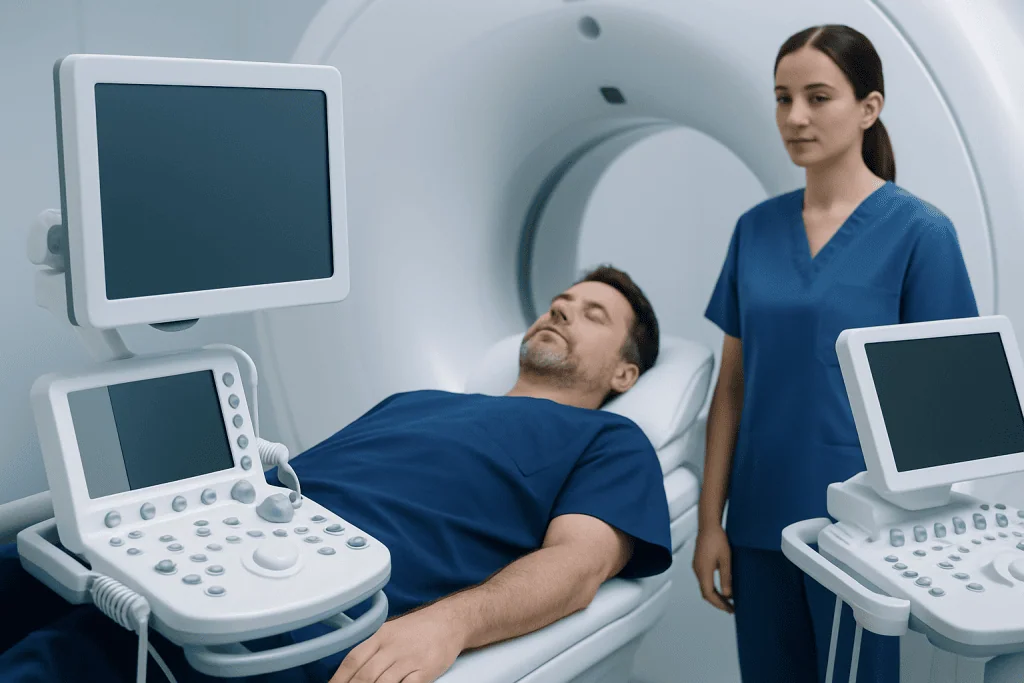
Because autophagy is a biological process rather than a disease itself, medical evaluation is aimed at identifying the real cause of symptoms. Depending on the concern, a doctor may assess hormone balance, liver health, blood sugar control, nutritional status, or neurological function. In some cases, advanced MRI scan evaluation or other imaging studies may be useful as part of a broader workup.
Treatment, lifestyle, and safe self-care
There is no standard prescription given simply to “increase autophagy” in healthy people. The most appropriate approach is to support overall health with habits that are already well established: regular physical activity, enough sleep, a balanced eating pattern, stress management, and good control of chronic conditions. These measures support the body’s normal repair and maintenance systems without unnecessary risk.
If a patient has a medical condition, treatment should target that condition rather than autophagy alone. For example, people with metabolic disease may benefit from structured care for weight, blood sugar, and cardiovascular risk. In selected cases, specialists may recommend evidence-based options such as obesity surgery or individualized diabetes care, depending on the person’s health needs.
Some patients ask whether supplements can stimulate autophagy. At present, supplement claims are often ahead of the evidence, and product quality can vary. It is safer to discuss any supplement, fasting program, or restrictive diet with a doctor or dietitian, especially if there are existing medical problems.
For patients needing a broader evaluation, multidisciplinary teams can help connect nutrition, internal medicine, endocrinology, neurology, or oncology expertise. Acibadem International’s multidisciplinary specialists and JCI-accredited hospitals diagnose and treat complex conditions for international patients, including when symptoms may require coordinated assessment such as comprehensive check-up services.
When to seek medical care
Autophagy itself does not cause a recognizable set of symptoms, so medical attention should be based on a person’s actual health concerns. A doctor should be consulted if there is unexplained weight loss, ongoing fatigue, fainting, low blood sugar symptoms, memory changes, weakness, digestive problems, or signs of poor nutrition. These problems need proper diagnosis rather than self-treatment through fasting or extreme diets.
Prompt medical care is especially important for anyone with diabetes, kidney disease, cancer, pregnancy, advanced age, or a history of an eating disorder who is considering fasting. These situations can make dietary restriction risky. Symptoms such as confusion, severe dehydration, chest pain, or persistent vomiting need urgent evaluation.
Patients already being treated for chronic conditions should also speak with their care team before making major changes to eating patterns, exercise, or supplements. This helps avoid medication side effects, blood sugar swings, and unintended nutrient deficiencies.
Frequently asked questions
What is autophagy in simple terms?
Autophagy is the body’s way of cleaning out and recycling old or damaged parts inside cells. It helps cells stay organized, adapt to stress, and reuse materials they no longer need.
Is autophagy good for everyone?
Autophagy is a normal and important process, so in that sense it is beneficial. However, trying to force it through extreme fasting or restrictive diets is not safe for everyone, especially people with medical conditions or special nutritional needs.
Does fasting always trigger autophagy?
Fasting can influence autophagy-related pathways, but the effect varies from person to person and by tissue type. There is no universal fasting schedule that guarantees a certain result, and the science is more nuanced than many online claims suggest.
Can autophagy help prevent disease?
Researchers believe autophagy supports healthy cell function and may play a role in aging, immunity, and metabolic balance. Still, it is only one part of a much larger picture, and it should not be seen as a proven method to prevent or treat disease on its own.
Can doctors test my autophagy level?
Not in the same way they can measure blood sugar or cholesterol during routine care. Autophagy is mainly studied with specialized methods in research settings, so doctors usually focus on symptoms and underlying health issues instead.
Should someone try supplements to increase autophagy?
Supplement marketing often goes beyond the available evidence. It is best to speak with a doctor or dietitian before using supplements for this purpose, especially if there are chronic health conditions or regular medications.
This article is for general information only and is not a substitute for professional medical advice. Please consult a qualified doctor about your individual situation.
Medical weight-loss options in Turkey — costs & eligibility
JCI-accredited · board-certified surgeons · reply within 24h
Add us as a Preferred Source to see more of our trusted health content across Google Search, AI Overviews and Discover.

More from the Health Library

Pleurodesis: What Patients Need to Know

Plecanatide: A Complete Medical Overview

Oligohydramnios: An Evidence-Based Guide for Patients

Mushroom — Explained by Medical Evidence, Not Myths

Inj HCG — Explained by Medical Evidence, Not Myths