Oligohydramnios: An Evidence-Based Guide for Patients

Oligohydramnios means low amniotic fluid and is usually diagnosed by ultrasound. Some pregnant people have no symptoms, while others notice fluid leakage, a smaller-than-expected belly, or reduced fetal movement.
Key Takeaways
- Oligohydramnios means low amniotic fluid and is usually diagnosed by ultrasound.
- Some pregnant people have no symptoms, while others notice fluid leakage, a smaller-than-expected belly, or reduced fetal movement.
- Causes can include ruptured membranes, placental problems, certain fetal kidney or urinary tract conditions, and pregnancy going past the due date.
- Treatment may involve close monitoring, hydration advice, managing the underlying cause, or planning delivery when needed.
- Prompt medical review is important for fluid leakage, contractions, bleeding, fever, or decreased fetal movement.
Oligohydramnios is a condition in pregnancy where there is less amniotic fluid than expected for the stage of pregnancy. It can happen for several reasons, and care depends on the cause, how far along the pregnancy is, and how the baby is doing.
Overview
Oligohydramnios is the medical term for having too little amniotic fluid during pregnancy. Amniotic fluid surrounds the baby in the uterus and supports normal growth, movement, temperature regulation, and lung development. When the fluid level is lower than expected, the pregnancy may need closer monitoring to understand why it happened and whether treatment is needed.
This condition can occur at different stages of pregnancy. In some cases, it is mild and found during a routine ultrasound without causing problems. In other cases, it may signal an issue such as leaking membranes, placental insufficiency, or a fetal kidney or urinary tract condition. The outlook varies widely, so care is individualized rather than based on one single rule.
Unlike some basic overviews that focus only on the definition, it is useful for patients to know that oligohydramnios is not a diagnosis by itself. It is a finding that prompts doctors to assess the whole pregnancy, including the baby’s growth, movement, heart rate, and the health of the placenta. This broader approach helps guide practical decisions about monitoring, treatment, and timing of delivery.
What amniotic fluid does and why low levels matter
Amniotic fluid is essential throughout pregnancy. Early on, it helps protect the embryo and allows space for development. Later, it cushions the baby from pressure, supports muscle and bone movement, and plays a role in lung maturation because the baby breathes fluid in and out as part of normal development.
When fluid is too low, there may be less cushioning around the umbilical cord and less room for the baby to move. Depending on the timing and severity, this can increase the risk of growth restriction, labor complications, or problems related to fetal development. Low fluid does not always mean the baby is in immediate danger, but it is a sign that the pregnancy needs careful follow-up.
The significance of oligohydramnios depends greatly on when it happens. Earlier in pregnancy, low fluid may be more concerning because it can affect organ development, especially the lungs. Near the end of pregnancy, the main concerns are usually fetal well-being, placental function, and whether delivery may be safer than continuing the pregnancy.
Symptoms and signs

Many people with oligohydramnios do not notice any symptoms. The condition is often found during a routine prenatal visit when the uterus measures smaller than expected or an ultrasound shows a low fluid level. For this reason, regular prenatal care is important even when a pregnancy feels normal.
When symptoms do occur, they may include a sensation of fluid leaking from the vagina, which can suggest ruptured membranes. Some people notice that their abdomen seems smaller than expected for the stage of pregnancy, or they may feel that the baby is moving less than usual. Reduced fetal movement should always be taken seriously and discussed with a healthcare professional.
Doctors may also identify signs that are not obvious to the patient, such as changes in the baby’s heart rate pattern or slower-than-expected growth. These findings may lead to additional assessment for low amniotic fluid and related concerns. Conditions such as high-risk pregnancy may require even closer surveillance if oligohydramnios develops.
- Possible fluid leakage from the vagina
- Smaller-than-expected belly measurements
- Decreased fetal movement
- Ultrasound finding of low amniotic fluid
Causes and risk factors
Oligohydramnios can happen for several reasons. One common cause is rupture of the membranes, where amniotic fluid leaks out before or during labor. Another is placental insufficiency, meaning the placenta is not delivering enough oxygen and nutrients to support the baby and normal fluid production. This may be seen in pregnancies complicated by high blood pressure, preeclampsia, or fetal growth restriction.
Fetal causes are also possible. Because amniotic fluid in the second half of pregnancy is largely made up of fetal urine, conditions affecting the baby’s kidneys or urinary tract can reduce fluid levels. In some cases, structural differences or genetic conditions are involved. Healthcare teams may recommend detailed ultrasound imaging if a fetal cause is suspected.
Other contributors include pregnancies that continue past the due date, certain maternal medicines, dehydration, and some chronic health conditions. Sometimes no clear cause is found. Risk tends to be higher in people with multiple pregnancy complications, previous placental problems, or findings suggestive of placental disorders, although each case still needs individual evaluation.
How oligohydramnios is diagnosed
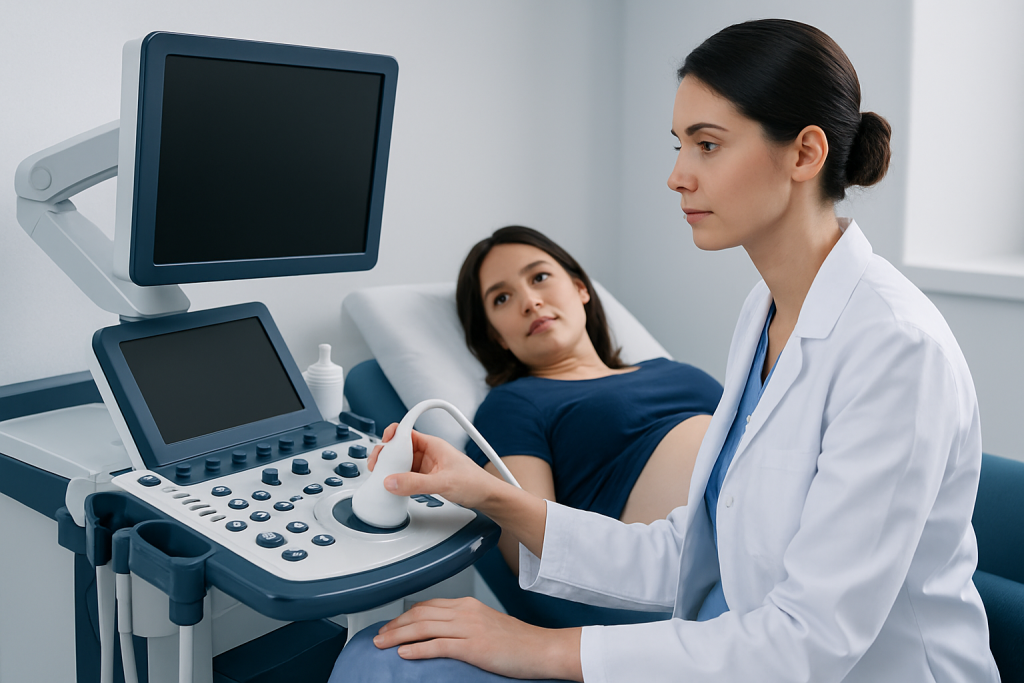
Diagnosis is usually made with ultrasound. A sonographer or doctor measures the amount of amniotic fluid using standard methods such as the amniotic fluid index or the single deepest pocket. These measurements help determine whether fluid is within the expected range for gestational age.
Ultrasound is only one part of the assessment. The healthcare team may also check the baby’s growth, breathing movements, muscle tone, and overall activity. A nonstress test or biophysical profile may be used to learn more about fetal well-being. If there is concern for membrane rupture, the clinician may perform an examination or specific tests to detect amniotic fluid leakage.
Because oligohydramnios is a finding rather than a complete explanation, diagnosis often includes looking for the cause. That may involve reviewing medications, checking maternal blood pressure, testing for infection when appropriate, or ordering more detailed fetal imaging. In selected cases, prenatal diagnosis and screening helps clarify whether a fetal structural or chromosomal issue is contributing.
Treatment options and monitoring
Treatment depends on how severe the oligohydramnios is, how far along the pregnancy is, and whether the baby appears well. Mild cases may only need closer follow-up with repeat ultrasounds and fetal monitoring. Doctors may advise rest, hydration, and paying close attention to fetal movements, although hydration alone does not solve every cause.
If there is an identifiable cause, treatment focuses on that issue whenever possible. For example, care may include monitoring for premature rupture of membranes, controlling maternal blood pressure, or addressing fetal growth concerns. In some situations, hospitalization is recommended for observation and repeated testing.
When the pregnancy is near term or fetal testing suggests continuing the pregnancy is unsafe, delivery may be recommended. During labor, some patients may be offered procedures such as amnioinfusion in specific circumstances, though this is not appropriate for every case. If prematurity is a concern or the situation is complex, management by specialists in perinatology can help coordinate maternal and fetal care.
For pregnancies with additional fetal or maternal issues, planning may involve experts in obstetrics and gynecology and, when needed, neonatal teams. Near the end of care, patients may appreciate knowing that Acibadem International’s multidisciplinary specialists and JCI-accredited hospitals evaluate and treat complex pregnancy conditions for international patients.
Prevention, self-care, and living with the diagnosis
Not all cases of oligohydramnios can be prevented, but good prenatal care can help detect it early and reduce avoidable risks. Attending scheduled appointments allows the care team to monitor growth, blood pressure, and fetal well-being. It is also important to discuss any medications, supplements, or herbal products with a doctor, since some medicines may affect pregnancy.
General self-care includes staying reasonably hydrated, following advice about activity, and tracking the baby’s movements if the healthcare team recommends it. Patients should not try to self-diagnose fluid levels at home. If there is any concern about less movement, leaking fluid, contractions, fever, or vaginal bleeding, medical advice should be sought promptly.
Emotionally, a diagnosis of oligohydramnios can be stressful even when the condition is mild. Clear communication with the medical team can help patients understand what is being monitored and why. Questions about the likely cause, the plan for repeat scans, and the expected timing of delivery are often helpful in making care feel more manageable.
When to seek medical care
Medical attention is important right away if a pregnant person notices decreased fetal movement, a gush or steady trickle of fluid from the vagina, vaginal bleeding, regular contractions, severe abdominal pain, fever, or signs of labor earlier than expected. These symptoms do not always mean oligohydramnios is present, but they should be assessed without delay.
Patients already diagnosed with low amniotic fluid should follow the monitoring plan closely and contact their doctor if symptoms change or they miss a scheduled test. New headaches, visual symptoms, swelling, or high blood pressure readings also deserve prompt review because they may point to related pregnancy complications.
Emergency care may be needed if the person feels acutely unwell or fetal movement drops significantly. In general, it is safer to ask for assessment early rather than wait and see. A qualified obstetric professional can decide whether reassurance, repeat testing, or urgent treatment is appropriate.
Frequently asked questions
Is oligohydramnios always dangerous?
No. Some cases are mild and only require closer monitoring, while others need more active treatment. The level of concern depends on the stage of pregnancy, the cause, and how the baby is doing on testing.
Can drinking more water increase amniotic fluid?
Hydration may help in some situations, especially if dehydration is contributing, but it does not correct every cause of low fluid. Patients should follow their doctor’s advice rather than rely on home measures alone.
What causes oligohydramnios in late pregnancy?
In late pregnancy, common causes include placental insufficiency, rupture of the membranes, pregnancy continuing past the due date, and some maternal health conditions. Sometimes no single clear cause is identified even after evaluation.
Can oligohydramnios improve on its own?
It can improve in some cases, especially if the cause is temporary or mild. However, because fluid levels can also fall further, repeat monitoring is important to see how the pregnancy is changing over time.
Will oligohydramnios mean an early delivery?
Not always. Some pregnancies continue safely with monitoring, while others need earlier delivery if tests suggest the baby would be safer outside the womb. The timing is based on gestational age, severity, and fetal well-being.
How is oligohydramnios different from normal variation in fluid levels?
Amniotic fluid naturally changes during pregnancy, and there is a normal range. Oligohydramnios means measurements fall below the expected threshold on ultrasound, so the finding is more than ordinary day-to-day variation.
References
- American College of Obstetricians and Gynecologists
- Society for Maternal-Fetal Medicine
- National Institute for Health and Care Excellence
- Merck Manual Consumer Version
- World Health Organization
This article is for general information only and is not a substitute for professional medical advice. Please consult a qualified doctor about your individual situation.
Explore treatments in Turkey — costs, top hospitals & a free quote
JCI-accredited · board-certified surgeons · reply within 24h
Add us as a Preferred Source to see more of our trusted health content across Google Search, AI Overviews and Discover.
Check your numbers in seconds
BMI, calories, due date, blood pressure and 30+ more clinical calculators — free, instant, doctor-reviewed ranges.

More from the Health Library

Monoclonal Antibody — Explained by Medical Evidence, Not Myths

Zocor — Explained by Medical Evidence, Not Myths

Giddiness: An Evidence-Based Guide for Patients

Hamstring Curls — Explained by Medical Evidence, Not Myths

Sundowners: An Evidence-Based Guide for Patients