Back Brace for Transverse Process Fracture: An Evidence-Based Patient Guide
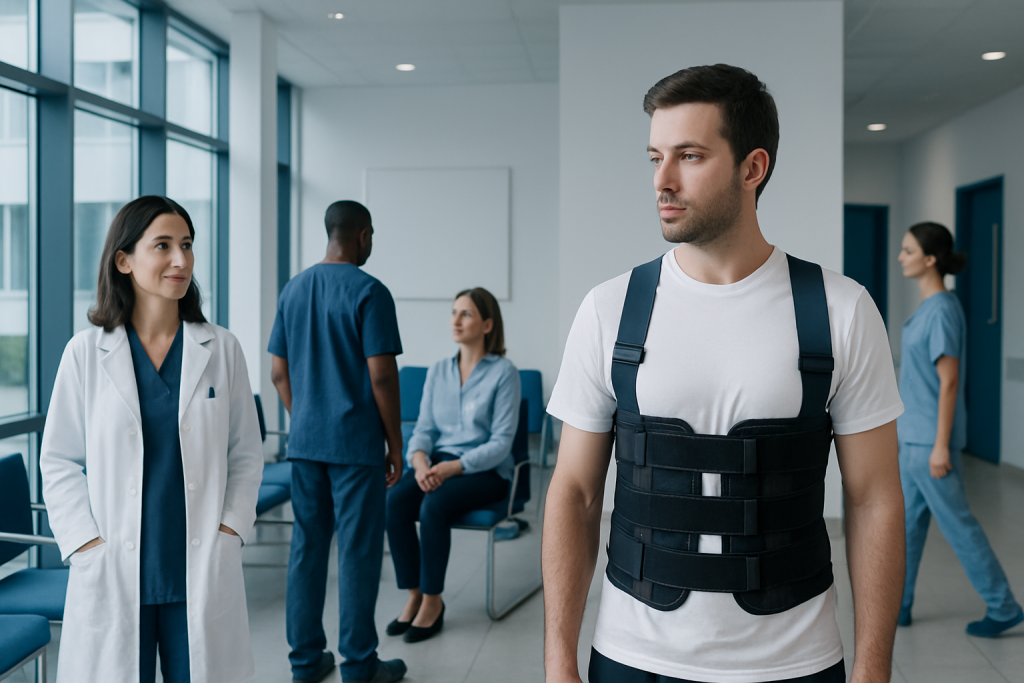
Most isolated transverse process fractures are stable injuries and do not require surgery. A back brace may reduce movement-related discomfort for some people, but it does not usually determine whether the fracture heals.
Key Takeaways
- Most isolated transverse process fractures are stable injuries and do not require surgery.
- A back brace may reduce movement-related discomfort for some people, but it does not usually determine whether the fracture heals.
- Medical assessment is important because the force causing the fracture can sometimes injure nearby muscles, ribs, abdominal organs, kidneys, or nerves.
- Pain typically improves over several weeks; return to demanding work, sport, or lifting should be guided by a clinician.
- Urgent medical care is needed for new weakness, numbness around the groin, bladder or bowel changes, severe abdominal pain, or worsening symptoms.
A back brace for transverse process fracture is usually not essential because these injuries are commonly stable and heal with pain control and gradual return to activity. A clinician may recommend a brace for temporary comfort in selected cases, after checking for associated injuries.
Overview: What a Transverse Process Fracture Means
A transverse process fracture is a break in one of the small, wing-like bony projections on either side of a vertebra. These projections provide attachment points for muscles and ligaments. They are most often injured in the lower back (lumbar spine), although they can also occur in the middle back or neck.
The injury can follow a fall, a vehicle collision, a direct blow, a twisting injury, or a powerful muscle pull. It may cause marked one-sided back or flank pain, muscle spasm, bruising, and difficulty turning, bending, coughing, or getting out of bed. The spinal canal is not usually involved in an isolated injury, so the fracture generally does not make the spine unstable.
Although the fracture itself is frequently uncomplicated, the injury mechanism may be significant. A healthcare professional should assess the person for additional bone, nerve, chest, abdominal, or urinary tract injuries, especially after high-energy trauma. For broader information about spinal injuries, readers may find spine fractures helpful.
Do You Need a Brace for Transverse Process Fracture?
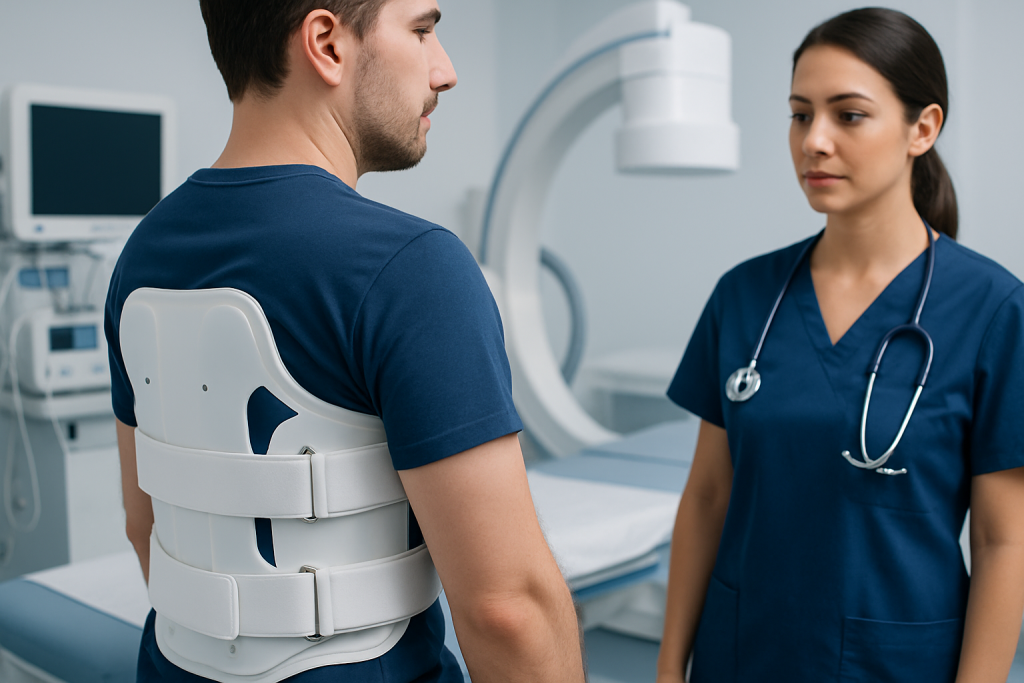
Most people with an isolated transverse process fracture do not need a back brace for the bone to heal. Unlike some compression, burst, or unstable spinal fractures, transverse process injuries typically do not require immobilization to protect the spinal column. Treatment is commonly based on pain relief, gentle movement, and a gradual return to normal activity.
A clinician may nevertheless suggest a soft lumbar support or a more structured brace for a short time if movement is particularly painful. In this setting, the brace is mainly a comfort measure: it can remind the person to avoid sudden twisting and may make standing or walking easier during the early painful period. It should be fitted and used according to clinical advice.
Wearing a brace continuously for longer than needed can contribute to stiffness, skin irritation, discomfort, and reduced confidence with normal movement. It is therefore important not to purchase or use a brace as a substitute for an examination, imaging when indicated, or individualized recovery advice.
The decision is different if there are multiple fractures, another type of vertebral fracture, neurological symptoms, prior spinal surgery, osteoporosis, or suspected ligament injury. In these situations, a spine specialist can determine whether bracing, further imaging, or another treatment plan is appropriate.
How a Back Brace Works, Candidacy, Benefits and Limitations

A back brace works by applying gentle external support around the trunk. Depending on its design, it may limit the amount of bending, twisting, or extension that feels uncomfortable. It can also provide a sense of security while painful muscles settle after an injury.
People who may be considered for short-term bracing include those with severe movement-related pain despite appropriate non-surgical care, difficulty tolerating early daily activities, or a clinician-confirmed need for additional support because of another spinal condition. The brace choice should be based on the fracture location, symptoms, body shape, skin condition, and overall health.
Potential benefits include temporary pain reduction during activity, easier mobility, and better tolerance of essential daily tasks. Limitations are equally important: evidence does not show that bracing is routinely necessary for healing of an uncomplicated isolated transverse process fracture, and a brace does not repair the bone or prevent all pain.
Possible drawbacks include pressure areas, skin rubbing, overheating, restricted breathing if too tight, stiffness, and reduced trunk-muscle use when worn excessively. The brace should be removed and adjusted as instructed, and new skin problems, increasing pain, or numbness should be reported to a healthcare professional.
Diagnosis and Step-by-Step Non-Surgical Care
Diagnosis starts with a history of the injury and a physical examination. Clinicians assess pain location, movement, muscle tenderness, nerve function, and possible signs of injury outside the spine. Imaging may include X-rays, but computed tomography (CT) is often better at identifying transverse process fractures and assessing nearby structures after substantial trauma.
Once serious associated injuries have been excluded, care is usually non-surgical. The first steps commonly include relative rest from painful activities, clinician-recommended pain management, and use of ice or heat when appropriate. Complete bed rest is generally avoided because staying gently mobile can reduce stiffness and support recovery.
If a brace is advised, the clinician or orthotist explains how to put it on, how snug it should be, when to wear it, and when to remove it. It is often used during upright activity rather than around the clock. The plan should include regular reassessment, with the aim of reducing brace reliance as comfort and mobility improve.
As acute pain settles, rehabilitation may include guided walking, range-of-motion work, posture education, and gradual strengthening of the trunk, hips, and legs. physical therapy can help a person rebuild comfortable movement patterns and return safely to work, exercise, or sport.
How to Heal a Transverse Process Fracture
Healing usually involves protecting the painful area without becoming inactive. During the early phase, a person may need to avoid heavy lifting, repetitive bending, forceful twisting, contact sports, and activities that sharply increase pain. Short, frequent walks and careful changes of position are often more manageable than prolonged sitting or bed rest.
Following the prescribed pain-management plan can make normal movement and sleep easier. People should ask their clinician before using over-the-counter medicines, particularly if they have kidney disease, stomach ulcers, bleeding risks, are pregnant, or take blood-thinning medication. Alcohol and sedating medicines can also increase fall risk and should be discussed with a clinician.
A balanced diet with enough protein and overall calories supports tissue repair. For people at risk of low bone density, a clinician may consider whether calcium, vitamin D, bone-health assessment, or osteoporosis treatment is appropriate. Smoking and nicotine exposure can impair bone healing, so stopping is an important recovery step.
Recovery plans should be individualized. Pain that is steadily improving is generally reassuring, while worsening pain, inability to progress with gentle activity, or new neurological symptoms should prompt review. A clinician may arrange follow-up based on the injury pattern, symptoms, occupation, and activity goals.
Is a Transverse Process Fracture a Broken Back?
Yes, in a literal sense, a transverse process fracture is a broken bone in the spine. However, the phrase “broken back” can sound more serious than the usual clinical meaning of an isolated transverse process injury. The fracture affects an outer bony projection rather than the main weight-bearing part of the vertebra or the spinal canal.
Many isolated transverse process fractures are stable, meaning the vertebrae remain aligned and the injury is unlikely to damage the spinal cord. This is why surgery is uncommon and why treatment often focuses on comfort, mobility, and rehabilitation rather than rigid immobilization.
Still, no spinal injury should be self-diagnosed. A fracture can occur alongside other vertebral injuries or trauma to the ribs, pelvis, kidneys, lungs, or abdominal organs. The medical team considers the full injury pattern, not simply the fracture seen on a scan.
People with osteoporosis or a fracture after a low-impact event may need assessment for reduced bone strength. Identifying and treating underlying bone loss can reduce the chance of future fractures.
How Long Does It Take for a Transverse Fracture of the Spine to Heal?
For an uncomplicated transverse process fracture, pain often begins to improve within a few weeks, while bone and soft-tissue healing commonly takes about 6 to 12 weeks. The exact timeline varies with the number and location of fractures, severity of muscle injury, age, general health, smoking status, and whether other injuries are present.
Returning to desk-based activities may be possible earlier if pain is controlled and movement is safe. Jobs involving lifting, driving for long periods, climbing, physical labor, or vibration may require more time. Contact sports and high-impact exercise should wait until a clinician confirms that the person has adequate comfort, strength, movement, and control.
A gradual return is safer than trying to “push through” sharp pain. Rehabilitation may progress from walking and gentle mobility exercises to core and hip strengthening, then task-specific or sport-specific work. Follow-up imaging is not always needed for a stable injury but may be considered if recovery is not following the expected course.
Acibadem International’s multidisciplinary specialists and JCI-accredited hospitals can assess spinal trauma and coordinate imaging, pain care, and rehabilitation for international patients when needed.
When to Seek Medical Care
Anyone with significant back pain after a fall, road traffic collision, sports impact, or other trauma should seek timely medical assessment. This is particularly important when pain is severe, there is extensive bruising, the person cannot walk comfortably, or the injury involved a high-energy impact.
Emergency assessment is needed for weakness in the legs, increasing numbness, numbness in the groin or inner thighs, loss of bladder or bowel control, inability to urinate, severe or worsening abdominal or flank pain, blood in the urine, shortness of breath, fainting, fever, or rapidly escalating pain. These symptoms may indicate an associated injury rather than an uncomplicated isolated fracture.
A follow-up appointment is appropriate if pain is not gradually improving, a brace causes pressure sores or worsening discomfort, sleep remains severely affected, or the person is uncertain about returning to work, driving, exercise, or sport. Early guidance can help prevent unnecessary activity restriction while protecting recovery.
Frequently asked questions
Do you need a brace for transverse process fracture?
Usually, no. Most isolated transverse process fractures are stable and heal without a brace, using pain management and gradual movement. A clinician may recommend a short period of bracing for comfort when pain makes daily activity difficult.
How to heal a transverse process fracture?
Healing generally involves avoiding activities that sharply worsen pain, staying gently mobile, following a clinician’s pain-management advice, and gradually rebuilding strength and movement. Heavy lifting, forceful twisting, and high-impact activity should be resumed only when advised. Smoking cessation and good overall nutrition may also support bone healing.
Is a transverse process fracture a broken back?
It is a fracture of a bony part of the spine, so it can be described as a broken back. However, an isolated transverse process fracture is usually stable and does not typically involve the spinal canal or spinal cord. Medical assessment remains important because associated injuries can occur after significant trauma.
How long does it take for a transverse fracture of the spine to heal?
Symptoms often start improving over several weeks, and uncomplicated injuries commonly heal over about 6 to 12 weeks. Recovery can take longer when there are multiple fractures, major muscle injury, other trauma, or health factors that affect bone healing. A clinician should guide return to strenuous activity and sport.
Can a person walk with a transverse process fracture?
Many people can walk, although it may initially be painful and slow because of muscle spasm and tenderness. Short, comfortable walks are often preferable to prolonged bed rest once serious injuries have been excluded. Walking should stop and medical advice should be sought if it causes severe worsening pain, weakness, dizziness, or other concerning symptoms.
Is surgery needed for a transverse process fracture?
Surgery is uncommon for an isolated transverse process fracture because the injury is generally stable. Surgical or specialist treatment may be needed if there are other spinal injuries, nerve problems, severe instability, or injuries to nearby organs. The decision depends on imaging findings and the person’s overall trauma assessment.
References
- American Academy of Orthopaedic Surgeons
- American College of Radiology
- National Institute of Arthritis and Musculoskeletal and Skin Diseases
- AO Spine
- National Institute for Health and Care Excellence
This article is for general information only and is not a substitute for professional medical advice. Please consult a qualified doctor about your individual situation.
Joint and spine care in Turkey — expert assessment & treatment
JCI-accredited · board-certified surgeons · reply within 24h
Add us as a Preferred Source to see more of our trusted health content across Google Search, AI Overviews and Discover.